
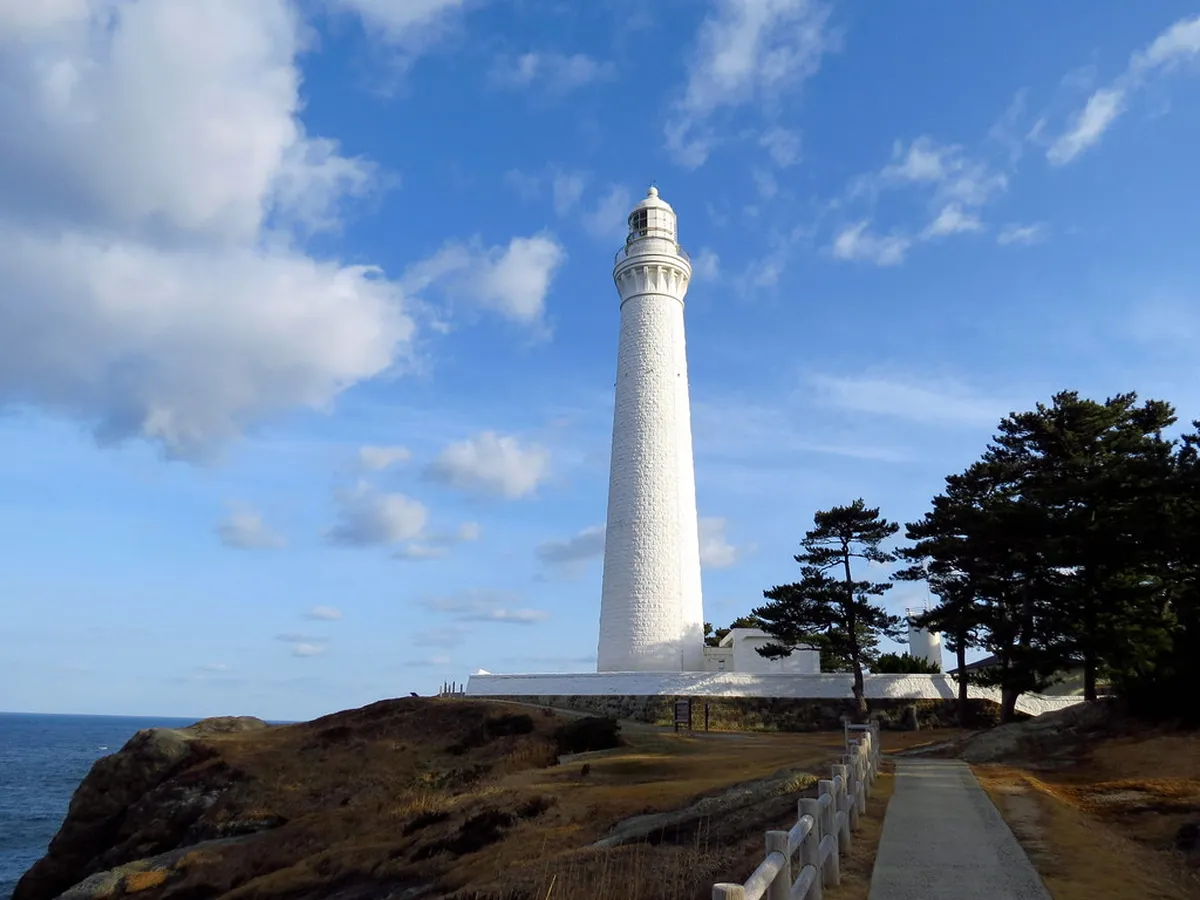
The Izumo Hinomisaki Lighthouse stands as a majestic sentinel on the rugged coastline of Shimane Prefecture. This historic structure is a must-see destination for anyone exploring the mystical city of Izumo. Visitors can enjoy breathtaking views of the Sea of Japan from the top of this stone giant. Our comprehensive Izumo guide helps you plan every detail of your coastal adventure.
Reaching a height of 43 meters, it remains the tallest stone lighthouse in Japan since its completion. The brilliant white exterior contrasts beautifully against the deep blue waters and jagged cliffs. Planning your trip requires knowing the best transit routes and local secrets for the best experience. This guide provides everything you need to know for a perfect day at Cape Hino.
History and Architecture of Japan’s Tallest Lighthouse
The Izumo Hinomisaki Lighthouse has served as a vital maritime beacon since it was built in 1903. Its construction features a unique double-wall system that protects the inner structure from harsh coastal winds. This design has allowed the lighthouse to withstand earthquakes and typhoons for over a century. It remains one of the most significant engineering feats of the Meiji era.
At 43 meters high, this coastal attraction is famous for being the tallest lighthouse in the country. The structure sits approximately 63 meters above sea level on the edge of Cape Hino. Its brilliant white bricks were sourced locally and carefully stacked to create the elegant tapering tower. This architectural style makes it a favorite subject for professional photographers visiting Shimane.
The lighthouse also boasts one of the largest lenses in Japan, measuring a whopping 2.5 meters in length. This powerful Fresnel lens can project a beam of light reaching about 40 kilometers into the sea. Seeing the intricate glasswork up close provides a rare look at historical navigation technology. The light continues to guide ships safely through the treacherous waters of the Sea of Japan today.
- National Lighthouse Comparison Data
- Tallest Tower: Hinomisaki (43m)
- Oldest Iron: Kannonzaki (1869)
- Lens Size: First Order (2.5m)
- Visibility: 40 Kilometers
Climbing the Tower: Admission and Coastal Views
Climbing the tower is the highlight of any hinomisaki lighthouse visitor guide experience. You must climb 163 narrow spiral steps to reach the observation deck at the top. The climb is steep and requires a moderate level of physical fitness to complete comfortably. Small windows along the way offer glimpses of the height you are gaining.
Once you reach the top, the panoramic views of the coastline are absolutely spectacular. On a clear day, you can see the remote Oki Islands of Shimane located 50 kilometers away. The rugged cliffs of Cape Hino look like miniature sculptures from this high vantage point. It is a perfect spot to appreciate the vastness of the northern Japanese sea.
Photography enthusiasts should aim to visit during the late afternoon for the best lighting conditions. The sunset over the Sea of Japan creates a golden glow against the white stone of the tower. You can capture the contrast between the vermilion shrine nearby and the deep blue water. Many travelers combine this visit with a trip to Inasa-no-hama Beach to see the sun dip below the horizon.
Beyond the Light: Hinomisaki-jinja and Cape Hino Shops
Just a short walk from the lighthouse lies the stunning Hinomisaki-jinja, a shrine known for its bright red color. This sacred site consists of two separate shrine buildings dedicated to important Shinto deities. The architecture provides a striking visual contrast to the white lighthouse standing nearby. Walking through the shrine grounds offers a peaceful break from the windy coastal cliffs.
After exploring the shrine, head toward the small cluster of shops near the bus stop. You will smell the aroma of grilled squid, known locally as Ika-yaki, wafting through the air. Local vendors brush the fresh squid with a savory soy sauce glaze before grilling it over open flames. This snack is a regional favorite and provides a delicious taste of coastal Izumo culture.
The area around Cape Hino also features several well-marked walking trails for nature lovers. These paths wind along the cliffside and lead to secluded viewing spots of the crashing waves. You can watch local fishermen working on the rocks far below the main path. If you have extra time, consider visiting the Izumo Grand Shrine Museum to learn more about the region's spiritual history.
Practical Visitor Information: Hours and Fees
Planning your budget is easy as the admission fee for the lighthouse is very affordable. Adults typically pay 300 JPY to climb the tower and access the small museum at the base. Children and students often receive discounted rates for entry. Please bring cash as some small rural attractions in Japan do not always accept credit cards.
The lighthouse is generally open to visitors from 9:00 AM until 4:30 PM daily. These hours may change slightly during the winter months or during special holiday periods in 2026. It is wise to arrive at least 30 minutes before closing to ensure you have time for the climb. The staff may stop allowing new entries if the weather becomes dangerously windy.
Check the local forecast before you depart from central Izumo for the coast. High winds or heavy rain can result in the temporary closure of the observation deck for safety. You can find the exact location of the entrance by using this link to Open with Maps on your phone. Even if the tower is closed, the surrounding park remains open for walking.
Transportation: How to Get to Hinomisaki Lighthouse
Most visitors travel to the lighthouse by taking a local bus from the area near Izumo Taisha shrine. The Ichibata Bus departs regularly from the Izumotaisha-Mae Station and the main shrine entrance. Look for buses labeled with the destination "Hinomisaki Todai" (日御碕灯台) to ensure you are on the right route. The scenic journey takes approximately 30 minutes as it winds along the beautiful coastline. Check out our San'in region guide to incorporate this coastal gem into your broader itinerary.
The bus fare is around 500 to 600 JPY each way, depending on your starting point. You can use major IC cards like Suica or Pasmo on most buses in the Izumo area now. Keep an eye on the digital display at the front of the bus to track your stop. The lighthouse stop is the final destination, making it very easy to find for international travelers.
Once you step off the bus, the lighthouse is just a five-minute walk through a charming village path. Follow the signs pointing toward the coast and the tall white tower will soon come into view. If you prefer to drive, there is a large public parking lot available near the entrance. Driving allows you to explore other hidden spots along the Shimane coast at your own pace.
Planning a wider trip? See our things to do in Izumo guide and the full San'in region travel guide. For the latest details, check the official site and further background.
Frequently Asked Questions
How much is the admission fee for Hinomisaki Lighthouse?
The admission fee for adults is 300 JPY, which grants access to the spiral staircase and the observation deck. Children and students usually pay a reduced rate. This fee also covers the small maritime museum located at the base of the tower.
How do you get to Hinomisaki Lighthouse from Izumo Taisha?
You can take the Ichibata Bus from the Izumo Taisha area directly to the Hinomisaki Todai stop. The ride takes about 30 minutes and follows a scenic coastal road. Buses run approximately once per hour throughout the day.
Is Hinomisaki Lighthouse the tallest in Japan?
Yes, it is the tallest stone lighthouse in Japan, standing 43 meters high. While some modern steel towers might be taller, this historic masonry structure remains the record holder for its category. It is a significant landmark in Shimane Prefecture.
What is there to do near Cape Hino besides the lighthouse?
Visitors can explore the beautiful Hinomisaki-jinja shrine or walk the scenic coastal trails. You should also try the local grilled squid from the food stalls near the bus stop. The area is perfect for coastal photography and bird watching.
The Izumo Hinomisaki Lighthouse is more than just a navigational tool; it is a symbol of the region's history. From the challenging climb to the rewarding views, every part of the visit offers something special. Make sure to leave enough time to enjoy the local food and the nearby vermilion shrine. This coastal gem will surely be a highlight of your journey through Shimane.
Whether you are a history buff or a nature lover, Cape Hino provides a memorable escape. Remember to check the weather and bus schedules before you head out for the day. Safe travels as you explore the tallest stone lighthouse in Japan during your next visit. The beauty of the Sea of Japan is waiting for you at the edge of Izumo.