
Oishi Park is a free lakeside flower park on the northern shore of Lake Kawaguchi, with one of Kawaguchiko's clearest Mount Fuji views across the water. This 2026 Oishi Park visitor guide focuses on when to go, how to reach the park, what to do first, and what mistakes to avoid.
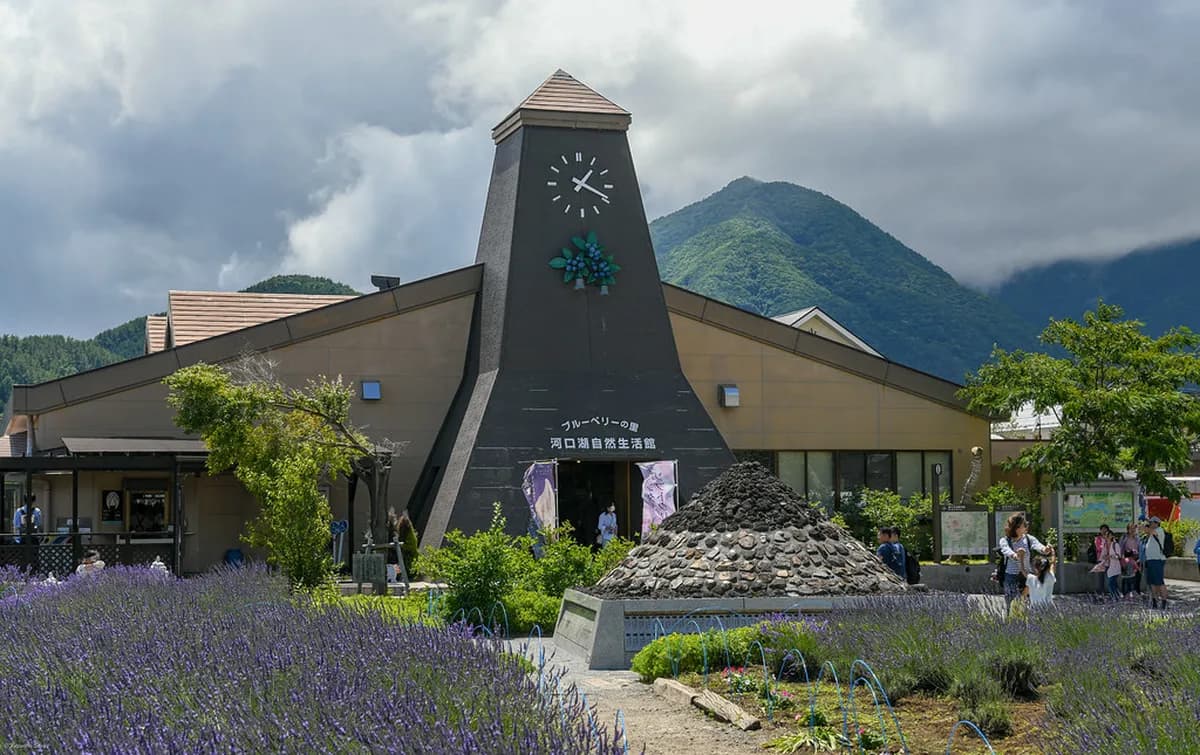
The core appeal is simple but seasonal. A 350-meter Flower Path frames Mount Fuji with tulips, rape blossoms, moss phlox, lavender, begonia displays, and red kochia at different points of the year. The Kawaguchiko Natural Living Center sits beside the park for snacks, souvenirs, and a weather break.
Oishi Park works well as a short stop, a photography base, or the first stop on a northern lakeshore route with Lake Kawaguchi, Chureito Pagoda, or the wider Kawaguchiko attractions hub.
Must-See Oishi Attractions
Start with Flower Street in Oishi Park. The walk is short, flat, and easy to photograph, but it delivers the view most people come for: flowers in the foreground, Lake Kawaguchi in the middle distance, and Mount Fuji behind it when the weather cooperates.
Late April to early May brings tulips, rape blossoms, and moss phlox. Late June to mid-July is the famous lavender period. Mid-to-late October is the red kochia window, while winter has fewer flowers but often clearer Fuji views.
The Oishi Park and Natural Living Centre area is the other must-see stop. The outdoor park is open 24 hours, while the Kawaguchiko Natural Living Center shop: 9:00-17:45 (Oct-Feb until 17:15). Some SERP sources shorten the shop hours to an earlier winter close; treat that as a seasonal-summary difference, not a reason to change the official hours shown on this page.
Museums, Art, and Culture in Oishi
Oishi Park is not a museum site, so the best cultural add-on is the broader north-shore Kawaguchiko route. The Natural Living Center is the closest culture-and-souvenir stop, with local products, Fuji-themed goods, fruit items, and seasonal snacks.
If you want a formal art stop, the Itchiku Kubota Art Museum is nearby by bus, taxi, or car. Put Oishi Park first if Mount Fuji is visible, then save museum or cafe time for cloudier parts of the day.
Parks, Gardens, and Outdoor Spots in Oishi
The North Lake Shore Walk is the easiest outdoor extension from Oishi Park. It keeps Mount Fuji and Lake Kawaguchi in view while moving away from the busiest photo points.
Yagizaki Park, Nagasaki Park, and other lakeside viewpoints can fill out a flower-and-lake itinerary, but avoid covering every park in one morning. Use Oishi Park as the anchor and choose one extra stop based on conditions: north shore if Fuji is visible, indoor activity if clouds roll in.
Family-Friendly and Budget-Friendly Options in Oishi
Oishi Park is one of the easiest budget stops in Kawaguchiko because entrance is free, the main walk is compact, and the scenery does not require a paid viewpoint. Families can keep the visit simple: Flower Path, photos, Natural Living Center, and lakeside time.
The main cost is usually transport, snacks, or souvenirs. Bring water and a light layer because lakeside wind can feel cooler than the station area.
Accessibility is generally straightforward along the lakeside and flower path, but crowds slow movement during lavender season, weekends, and holidays. Visitors with strollers or mobility needs should arrive early, allow extra bus time, and avoid treating the last return bus as a backup plan.
For a low-cost half day, combine Oishi Park with the lakeshore walk rather than multiple paid attractions. For more options, use the Kawaguchiko activities page after choosing your priority: scenery, food, family time, or transport convenience.
How to Plan a Smooth Oishi Attractions Day
Plan around visibility first and transport second. Mount Fuji is often clearest early in the morning or late in the afternoon, while midday can bring harsher light, larger tour groups, and more cloud risk.
From Kawaguchiko Station, take the Lake Kawaguchi sightseeing bus on the Red Line and get off at the Kawaguchiko Natural Living Center stop. The ride is about 30 minutes in normal conditions, but traffic and crowded buses can stretch the schedule during peak flower periods.
Most first-time visitors should plan one to two hours for a focused visit, or two to three hours for photos, snacks, souvenir browsing, and a relaxed lakeside walk.
Common mistakes to avoid: arriving at midday in lavender season, assuming Mount Fuji will stay visible all day, skipping the return-bus timetable, planning remote viewpoints without a car, and forgetting that the Natural Living Center has shop hours even though the outdoor park is open 24 hours.
The Teahouse in the Sky, Misaka Pass
The Teahouse in the Sky near Misaka Pass is best treated as a separate viewpoint idea, not an automatic add-on to Oishi Park. It offers a higher, more distant perspective, while Oishi Park gives the classic flower, lake, and Fuji composition from the shore.
Choose this side trip only if you have a car, a taxi budget, or a clear route plan. Oishi Park is better for families, short stays, and bus-based travelers; Misaka Pass is better for photographers who can handle extra transport planning.
Find Your New Experience
After Oishi Park, choose one experience that matches the weather. On a clear day, stay outside with a lakeside walk, bicycle ride, or Lake Kawaguchi boat view. On a cloudy day, use the Natural Living Center, a museum, or an onsen stop.
A classic first-time Kawaguchiko day can pair Oishi Park with the Mt. Fuji Panoramic Ropeway, Lake Kawaguchi, or Chureito Pagoda. A quieter plan should stay on the north shore and avoid crossing the lake repeatedly.
How to Get to Lake Kawaguchiko
Most visitors reach Lake Kawaguchiko from Tokyo by highway bus or train. Highway buses from major Tokyo terminals are usually the simplest direct option, while train travelers commonly connect through Otsuki on the Fujikyu Railway Line to Kawaguchiko Station.
Once at Kawaguchiko Station, take the sightseeing bus toward the northern lakeshore and get off at the Kawaguchiko Natural Living Center stop. Taxis are useful when bus queues are long or when you are traveling with luggage, children, or mobility constraints.
Driving gives the most flexibility for Oishi Park, Shindo Pass, and Misaka Pass, but it adds weekend traffic and parking timing. If you are visiting only Oishi Park and the main lake area, public transport is usually enough.
Lake Kawaguchiko
Lake Kawaguchiko is the setting that makes Oishi Park so valuable. The park faces south across the lake, so Mount Fuji sits beyond the water rather than behind buildings or fences.
Use the lake as a pacing tool. If the bus is crowded, walk part of the north shore and rejoin transport later. If Fuji is hidden, shift toward food, shops, museums, or other Kawaguchiko attractions until visibility improves.
For photo timing, morning gives softer light and fewer people, while late afternoon can be beautiful if the weather remains clear. Calm water improves reflections, but Oishi Park remains useful even without a mirror-Fuji day.
Shindo Pass
Shindo Pass is another elevated viewpoint in Oishi Park SERP coverage because it shows Mount Fuji above Lake Kawaguchiko from a different angle. It is not a substitute for Oishi Park; it is a more advanced add-on for travelers with time and transport flexibility.
Public access is more limited than the lakeside park route, so do not add Shindo Pass to a bus-only itinerary without checking the latest route and return plan. If your priority is landscape photography and you have a car, Shindo Pass can complement Oishi Park with a high-elevation Fuji view.
Frequently Asked Questions
Which oishi park visitor guide options fit first-time visitors?
Prioritize Flower Street, the lakeside Mount Fuji view, and the Kawaguchiko Natural Living Center. Add the North Lake Shore Walk only if the weather is clear.
How much time should you plan for oishi park visitor guide?
Plan one to two hours for a focused visit, or two to three hours for a slower walk, photos, snacks, and souvenir browsing. Add bus travel time from Kawaguchiko Station.
What should travelers avoid when planning oishi park visitor guide?
Avoid relying on midday for photos, ignoring the return-bus timetable, and adding Misaka Pass or Shindo Pass without a clear transport plan.
Is oishi park visitor guide worth including on a short itinerary?
Yes. The main view, Flower Street, and Natural Living Center are all close to the bus stop, making Oishi Park an easy high-impact stop.
Which Must-See Oishi Attractions options fit first-time visitors?
Flower Street and the lakeside Fuji viewpoint are essential. The Natural Living Center adds snacks, souvenirs, restrooms, and a short indoor break.
How much time should you plan for Must-See Oishi Attractions?
Allow at least one hour for the core stops. Add another hour for better light, the Natural Living Center, or a longer north-shore walk.
What should travelers avoid when planning Must-See Oishi Attractions?
Avoid treating the park as only a quick selfie stop during peak bloom. Arrive early and leave enough time for clouds and crowds to shift.
Is Must-See Oishi Attractions worth including on a short itinerary?
Yes. The must-see parts are compact, free to enter, and easy to combine with Lake Kawaguchi or the wider Kawaguchiko area.
Which Museums, Art, and Culture in Oishi options fit first-time visitors?
Start with the Natural Living Center. If you have more time, add a north-shore museum after Oishi Park, especially when Fuji is hidden.
How much time should you plan for Museums, Art, and Culture in Oishi?
Budget 20 to 40 minutes for the Natural Living Center, or one to two extra hours if you add a nearby museum.
Oishi Park is strongest when you treat it as a real attraction, not just a quick Fuji photo location. The free entry, seasonal Flower Path, lakeside setting, and Natural Living Center make it easy to include on most Kawaguchiko itineraries.
For 2026, keep the plan simple: arrive early when possible, check Mount Fuji visibility, ride the sightseeing bus to the Natural Living Center stop, and give the flowers, lake, and weather enough time to work together.
For authoritative information, refer to the Oishi Park official site and Oishi Park on Wikipedia.
Planning the rest of your trip? See our things to do in Kawaguchiko guide and how to get to Kawaguchiko from Tokyo, or read about seasonal flowers and the best time to visit.