
Noge District Yokohama Guide: Bars, Food, and History
Discover Noge, Yokohama's authentic drinking district. Our guide covers the best izakayas, local history, and tips for a perfect night out in Nogecho.
On this page
Finding a slice of old Japan in a modern port city feels like discovering a hidden treasure. The noge district yokohama guide helps you navigate these narrow streets filled with history and flavor. You will find over 600 small bars and eateries tucked away in this nostalgic neighborhood. It offers a gritty contrast to the polished skyscrapers of nearby Minato Mirai.
Walking through Noge feels like stepping back into the mid-twentieth century with its neon signs and wooden facades. This area has managed to preserve its authentic charm while the rest of the city modernized rapidly. Travelers looking for a local experience often prefer these alleys over the more commercial tourist spots. Exploring this district provides a deep dive into the true social heart of the city.
The History of Noge: From Black Market to Drinking Hub
The origins of this district trace back to the chaotic years following the end of World War II. Noge emerged as a vital black market where locals could find essential goods and rare supplies. This gritty beginning shaped the resilient and hardworking character of the local business owners. You can still feel that post-war energy in the tightly packed layout of the storefronts. For deeper historical context, Noge's Wikipedia entry documents the district's transformation from wartime chaos to a thriving social hub.
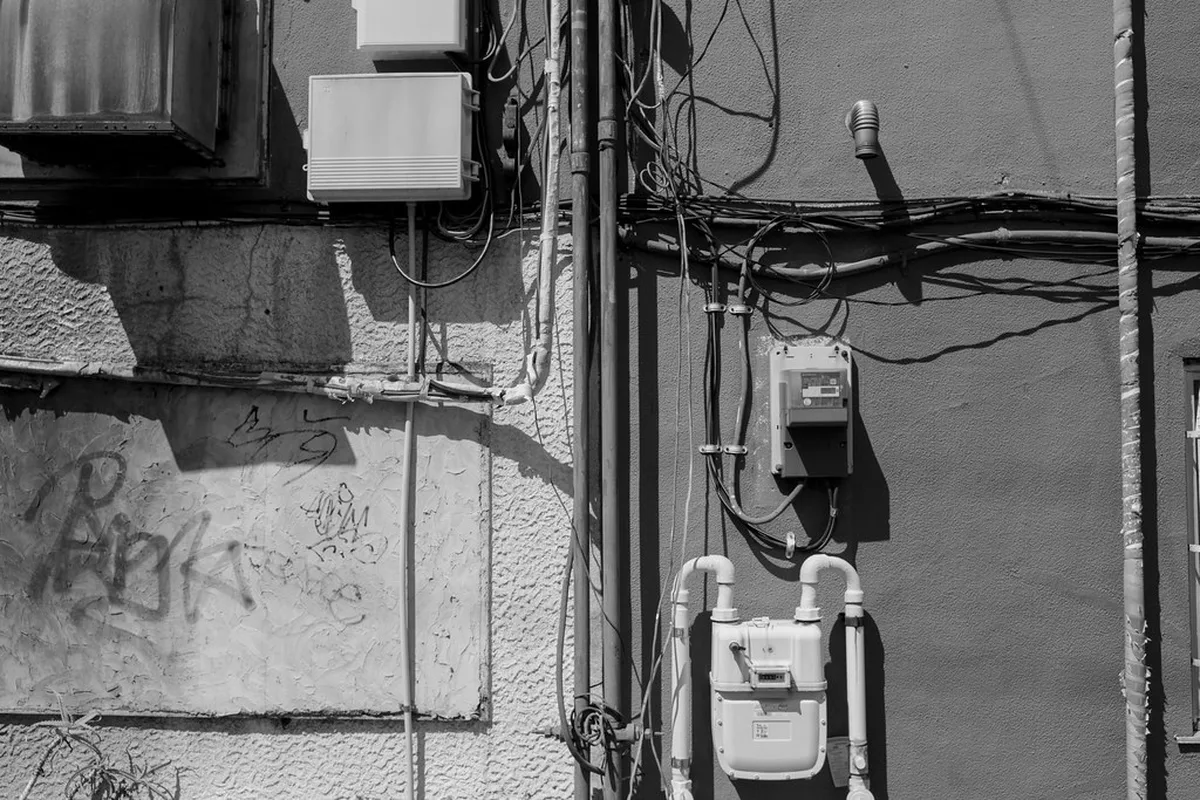
During the economic boom of the Showa era, the area transitioned into a primary entertainment zone. It became a favorite spot for dockworkers and office employees to unwind after a long day. Many buildings from this period remain standing, offering a rare glimpse into mid-century urban architecture. Understanding this Yokohama Neighborhoods Guide: 11 Best Areas and Travel Tips context adds depth to your evening walk.
While other parts of the city were rebuilt, Noge resisted large-scale redevelopment projects for decades. This preservation was not always intentional but resulted in the unique atmosphere you see today. Modern visitors appreciate the lack of chain stores and the abundance of family-run establishments. The history of the area is literally written on the weathered walls of its oldest bars.
The Spirit of Noge: Yokohama’s Authentic Nightlife
Locals often refer to this district as the Elysium of ethanol due to its high density of bars. The drinking culture here is inclusive and focuses on conversation rather than flashy presentations. You will find a mix of young professionals and seasoned regulars sharing the same small counters. This social melting pot creates a welcoming environment for anyone interested in Yokohama: The Nightlife Guide.
Many travelers compare Noge to Shinjuku's famous Golden Gai because of its narrow, atmospheric alleys. However, this district feels much less crowded and significantly more authentic than its Tokyo counterpart. The prices are generally lower, and the hospitality often feels more genuine to first-time visitors. You can easily spend an entire night hopping from one tiny venue to another.
The spirit of adventure is a key part of the experience when exploring these backstreets. Each door leads to a different world, from jazz cafes to traditional Japanese pubs. Establishments like Jalan Jalan offer a hidden bar experience that feels like a local secret. Embracing the unknown is the best way to enjoy the vibrant energy of the neighborhood.
Top Izakayas and Bars to Visit
Choosing where to start can be overwhelming with hundreds of options lining the streets. Nogechan is a legendary standing bar that serves as a perfect introduction to the local scene. It is known for its friendly staff and a menu that caters to budget-conscious drinkers. Arriving early is recommended as this popular spot fills up quickly on weekend evenings.
For those who love a retro atmosphere, Noge Shoten provides a classic Showa-era izakaya experience. The interior is decorated with vintage posters and memorabilia that evoke a sense of nostalgia. They specialize in traditional snacks that pair perfectly with a cold glass of Japanese beer. This venue captures the essence of what makes the district so special to longtime residents.
If you prefer a view with your drink, head toward the Ooka River to find 60Hz. This riverside bar offers a more modern and relaxed vibe compared to the crowded alleys. It is a great place to watch the water while enjoying a craft cocktail or a local brew. The transition from the bustling center to the quiet riverbank is a highlight of the night.
- Nogechan Standing Bar
- Type: Tachinomiya
- Best for: Socializing
- Vibe: High energy
- Price: Very affordable
- Noge Shoten Izakaya
- Type: Traditional pub
- Best for: Retro fans
- Vibe: Nostalgic
- Price: Moderate
- 60Hz River Bar
- Type: Riverside lounge
- Best for: Couples
- Vibe: Relaxed
- Price: Standard
Izakaya-hopping is the best way to experience Noge. Start at a lively standing bar for quick drinks, then explore quieter venues as the night progresses—each spot offers a completely different atmosphere and clientele.
Must-Try Local Dishes and Specialties
The food in this district is just as famous as the drinks, featuring many unique regional styles. You should definitely visit Western food kimura Noge for their legendary Hamburg steak. This restaurant has been serving classic Western-style Japanese dishes for many generations. Their secret sauce and retro plating provide a culinary trip back in time.
Another local favorite is Noge ☆ Great dream which offers a variety of creative small plates. They are known for using fresh ingredients sourced from the nearby markets in Kanagawa. The menu changes seasonally, ensuring that there is always something new to try during your visit. Consulting a Yokohama Food Guide: 12 Must-Try Dishes and Places can help you identify other hidden culinary gems nearby.
Motsu-nabe, or offal hot pot, is a staple dish that many locals enjoy during the colder months. It is a rich and savory meal that is believed to provide plenty of energy for a long night. Many izakayas in the area have their own secret recipe for the broth and vegetable mix. Sharing a hot pot with friends is a quintessential part of the Noge dining experience.
How to Navigate the Noge District Yokohama Guide Area
Reaching this historic area is simple because it is located right next to major transit hubs. Sakuragicho Station is the most common entry point for visitors coming from Tokyo or central Yokohama. Take the west exit and walk through the underground passage to reach the heart of the district. Learning about Ways to Navigate Yokohama: A Transport Guide makes this short walk even easier to manage. For official transit and tourism details, consult Yokohama's official tourism board.
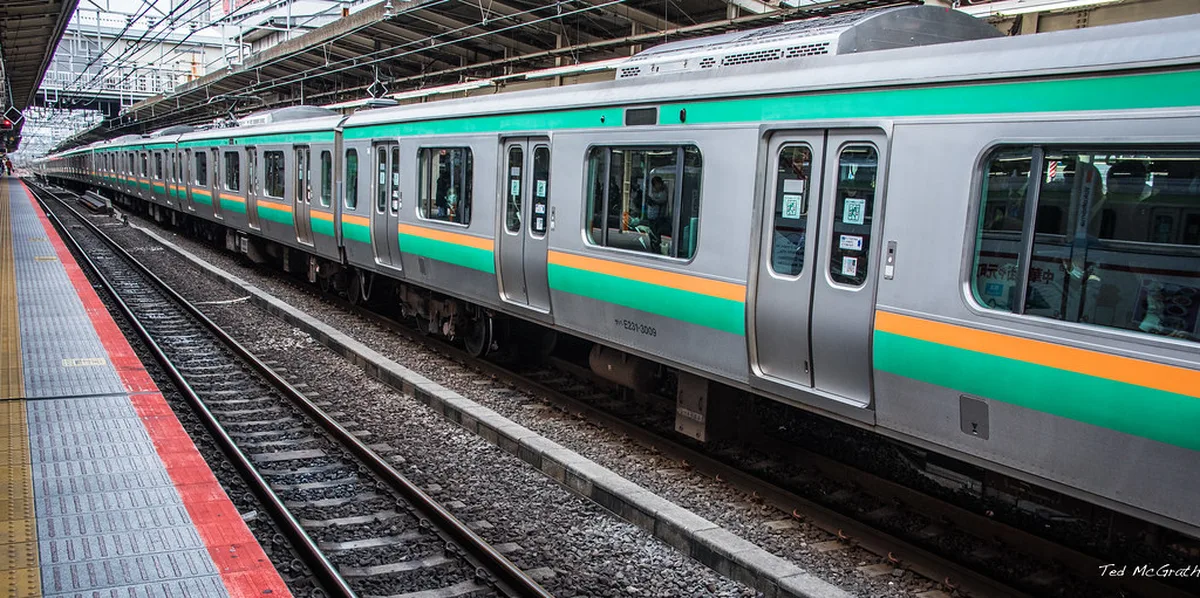
Alternatively, you can use Hinodecho Station on the Keikyu Line if you are traveling from the south. This station puts you closer to the riverside bars and some of the quieter residential alleys. The walk between these two stations takes about ten minutes and covers the entire main district. Most visitors find that the area is very compact and easy to explore entirely on foot.
The streets are arranged in a somewhat grid-like pattern, but the small alleys can be confusing. Do not worry about getting lost, as every turn usually leads to another interesting storefront. Using a digital map is helpful, but following the glow of the lanterns is more fun. You will likely find your favorite spot by simply wandering without a strict plan.
Noge vs. Yokohama Chinatown: Which to Choose?
Many travelers wonder if they should spend their evening in Noge or the famous Chinatown. Chinatown is bright, crowded, and filled with large restaurants that cater to tourists and families. It is a fantastic place for a Things to Do in Yokohama Chinatown daytime food tour or souvenir shopping. However, the atmosphere shifts significantly once the sun goes down and the crowds thin out.
Noge offers a much more intimate and local experience compared to the grand scale of Chinatown. While Chinatown focuses on large banquets, Noge is all about small bites and varied drinks. The nightlife in Noge stays active much later into the night than most shops in Chinatown. You might choose Chinatown for a big dinner and Noge for late-night drinks and socializing.
If you prefer a polished and futuristic setting, Minato Mirai 21 is just across the tracks. This area features luxury malls and high-end bars with sweeping views of the bay. Noge provides the perfect counterpoint to that modern aesthetic with its raw and nostalgic feel. Visiting both areas in one night allows you to see the two faces of the city.
Practical Tips for Your First Visit
Budget travelers should look for the popular Senbero deals found in many local bars. The term Senbero roughly translates to getting drunk for 1,000 yen, usually including three drinks. This is an excellent way to sample different beverages without spending a large amount of money. Always check the signs outside for these special offers before you decide to enter.
Standing bar etiquette, or Tachinomiya, is an important part of the local social fabric. Space is often limited, so keep your belongings close and be prepared to stand shoulder-to-shoulder. It is polite to order a drink immediately and keep your stay relatively short if people are waiting. Most locals are very friendly and might even strike up a conversation with curious visitors.
Be aware that many older establishments in the district still allow indoor smoking. If you are sensitive to smoke, look for the newer bars which often have non-smoking policies. The area has become much more women-friendly in recent years, with many bright and clean venues. Solo travelers will also find it easy to fit in at the many counter-style seating areas.
Best Time to Experience Noge
The district truly comes alive after 6 PM when the local workers finish their shifts. Friday and Saturday nights are the busiest, offering a high-energy atmosphere that is hard to beat. If you prefer a quieter experience, consider visiting on a Tuesday or Wednesday evening. Most bars remain open until midnight, though some stay active until the early morning hours.
Spring is a particularly beautiful time to visit because of the cherry blossoms along the Ooka River. The trees are illuminated at night, creating a stunning backdrop for your evening drinks. You can grab a takeout drink and walk along the riverbank to enjoy the seasonal view. This period attracts more visitors, so booking a table in advance is a smart move.
Winter brings a cozy charm as the small bars provide a warm refuge from the cold. Steaming bowls of motsu-nabe and hot sake are the perfect remedies for a chilly night. The glow of the lanterns looks especially inviting against the dark winter sky. No matter the season, the district offers a reliable and memorable experience for every traveler.
The district truly comes alive after 6 PM when local workers finish their shifts. For the most vibrant energy and social atmosphere, visit on Friday or Saturday nights rather than weekday evenings.
Frequently Asked Questions
Is Noge safe for solo travelers?
Yes, Noge is generally very safe for solo travelers, including women. The district has a friendly, community-focused vibe where people often chat at the bar counters. You should still follow standard safety precautions and keep an eye on your belongings in crowded spaces. For more tips, see our Yokohama: The Nightlife Guide guide.
How does Noge compare to Shinjuku's Golden Gai?
Noge is often called the Golden Gai of Yokohama but with a more local feel. It is larger, less expensive, and typically less crowded than the famous Tokyo district. You will find a wider variety of food options in Noge, whereas Golden Gai focuses almost exclusively on small bars.
Are there English menus available in Noge?
Many of the newer or more popular bars now offer English menus to accommodate international visitors. In smaller, more traditional spots, you might only find Japanese menus on the walls. Using a translation app or pointing at what other customers are eating is a common and effective strategy.
What is the average cost of a night out in Noge?
A typical night out costs between 3,000 and 5,000 yen per person for several drinks and snacks. You can spend less by taking advantage of Senbero deals (1,000 yen for 3 drinks). Higher-end restaurants or specialized cocktail bars will naturally increase your total budget for the evening.
Exploring the Noge district offers a unique window into the soul of Yokohama beyond its modern skyline. You will leave with a deeper appreciation for the city's history and its vibrant social traditions. The mix of retro charm and friendly locals makes it a highlight of any trip to Japan. Make sure to include this neighborhood in your next Yokohama Itinerary 2026: Complete 1–5 Day Guide (With Budget Tips) for an unforgettable night.
Whether you are a foodie or a history buff, these alleys have something special to offer. The memories of glowing lanterns and shared laughter will stay with you long after you leave. Plan your visit for 2026 to experience the district as it continues to evolve and thrive. Noge remains a testament to the enduring spirit of local Japanese culture.
Free: The Yokohama Essentials guide
Top things to do, where to stay, a perfect day plan, getting around, and the best time to go — a Yokohama mini-guide you can take offline.
You might also like


Continue reading
More guides you'll find useful


