12 Best Sapporo Hidden Gems and Local Travel Tips (2026)
Discover the best Sapporo hidden gems for 2026. From secret ramen alleys in Susukino to quiet torii gates, plan your local Hokkaido adventure today.
On this page
After three separate winter expeditions to Hokkaido, I have found that the real magic of the north lies just beyond the neon glow of the main boulevards. While most travelers flock to the Clock Tower, the true soul of the city is found in the quiet hillside shrines and suburban sculpture parks. This guide highlights the most rewarding Sapporo's top highlights that remain largely ignored by the standard tour bus crowds.
Last refreshed for the 2026 season, this list reflects current pricing, access rules, and seasonal timing. I have personally navigated the confusing bus routes to the Historical Village and spent hours shivering in Susukino alleys to find the perfect bowl of miso ramen. These experiences shaped a list that prioritizes authentic local atmosphere over polished tourist traps.
Sapporo is a city of layers, where a modern grid layout hides centuries of pioneering history and deep culinary traditions. Whether you are visiting for the first time or returning for the snow, these hidden gems offer a deeper connection to the island's unique identity. Prepare to explore a side of Hokkaido that most visitors simply drive past on their way to the ski resorts.
Nature and Sculpture: The Outer-City Gems
The most dramatic hidden gems in Sapporo require a bus ride but reward you with complete solitude. Moerenuma Park, designed by sculptor Isamu Noguchi and built on a former landfill, is a literally monumental work of landscape art. The centerpiece glass pyramid, named Hidamari, contains a small museum dedicated to Noguchi and a French restaurant using local Hokkaido ingredients. Park entry is free, bicycle rentals cost around 400 yen, and the grounds are open daily 07:00–22:00.
The man-made Mt. Moere at the park's heart stands 62 metres tall and gives a 360-degree panorama of the Ishikari Plain on clear days. Visit in early summer when the Sea Fountain — one of the largest musical fountains in Japan — performs on weekends. The park is quite exposed to the wind, so bring a windbreaker even in July. Take the Toho Subway Line to Kanjodori-higashi Station, then the East 61 bus for about 25 minutes.
Nopporo Forest Park, on the eastern edge of the city, surrounds the Historical Village of Hokkaido — an open-air museum preserving 60 Meiji and Taisho era structures across four zones: Town, Fishing Village, Farm Village, and Mountain Village. Admission is 800 yen per adult and the village is open 09:00–16:30, with most Monday closures in winter. Catch the bus from Shin-Sapporo Station on the Tozai Line for the 15-minute ride. In winter you can ride a horse-drawn sled through the snowy lanes for 200 yen per person — one of the best 200-yen experiences in all of Hokkaido.
Shrines and Hillside Paths Most Visitors Skip
Sapporo Fushimi Inari Shrine sits on the lower slopes of Mt. Moiwa, surrounded by dense forest that muffles city noise completely. The 27 vermillion torii gates form a tunnel on a steep incline that is visually more dramatic per gate than its famous Kyoto counterpart, precisely because you can see the end. Locals leave small fox statues as offerings and pray for business success. The shrine is free, open 24 hours, and is best visited at 07:00 when you can walk the entire path alone.
Getting there is straightforward: take the Sapporo Streetcar to the Ropeway Iriguchi stop, then walk uphill for 15 minutes. The contrast in winter, when the bright vermillion wood sits against deep Hokkaido snow, is one of the most photographed scenes locals share on social media that tourists almost never find. Look for the wish-granting stone near the main hall where visitors place coins and small handwritten prayers.
Maruyama Park and Hokkaido Shrine, by contrast, is a forest park that many guidebooks mention but few visitors explore properly. The park is home to a large wild squirrel population and ancient cedar trees that predate the city itself. Walking the cedar-lined approach to the shrine at 06:00 lets you watch the resident monks complete their morning cleaning rituals in total quiet. The park is a 5-minute walk from Maruyama-koen Station on the Tozai Line, free to enter, and open 24 hours, though the shrine inner gate closes around 16:30.
The Underground City Nobody Talks About
The Chikaho — Sapporo's underground pedestrian concourse — runs for about 520 metres beneath the city centre, connecting Odori Station to Sapporo Station. In mid-winter when temperatures drop to -10°C or below, this heated arcade becomes a genuine travel hack: you can reach the main shopping district, the TV Tower observation deck entrance, and the covered Tanukikoji arcade without ever putting on a coat. Most online guides treat it as a transit footnote, but in January and February it functions as the city's real public living room.
The Chikaho hosts a rotating programme of free art installations, small markets, and pop-up performances along its length, organised by the city government to animate the space. Check the Sapporo City website before you visit in 2026 — there is typically a winter illumination event running in January that uses the curved walls as projection screens. The concourse is open from around 06:00 to 23:00 daily and is completely free to walk. Entry points include Odori Park underground (exit 14 of Odori Station) and directly beneath the Sapporo Stellar Place shopping complex near JR Sapporo Station.
Combine the Chikaho walk with a visit to the Odori Park snow sculptures in February during Yuki Matsuri, and you have a full half-day loop that costs almost nothing. The underground route also passes a small gallery showcasing Hokkaido artisans selling ceramics, textiles, and preserved food products at reasonable prices. This is a far better souvenir shopping experience than the tourist-targeted shops along the Clock Tower strip.
Breakfast Sushi at the Market: What Locals Actually Do
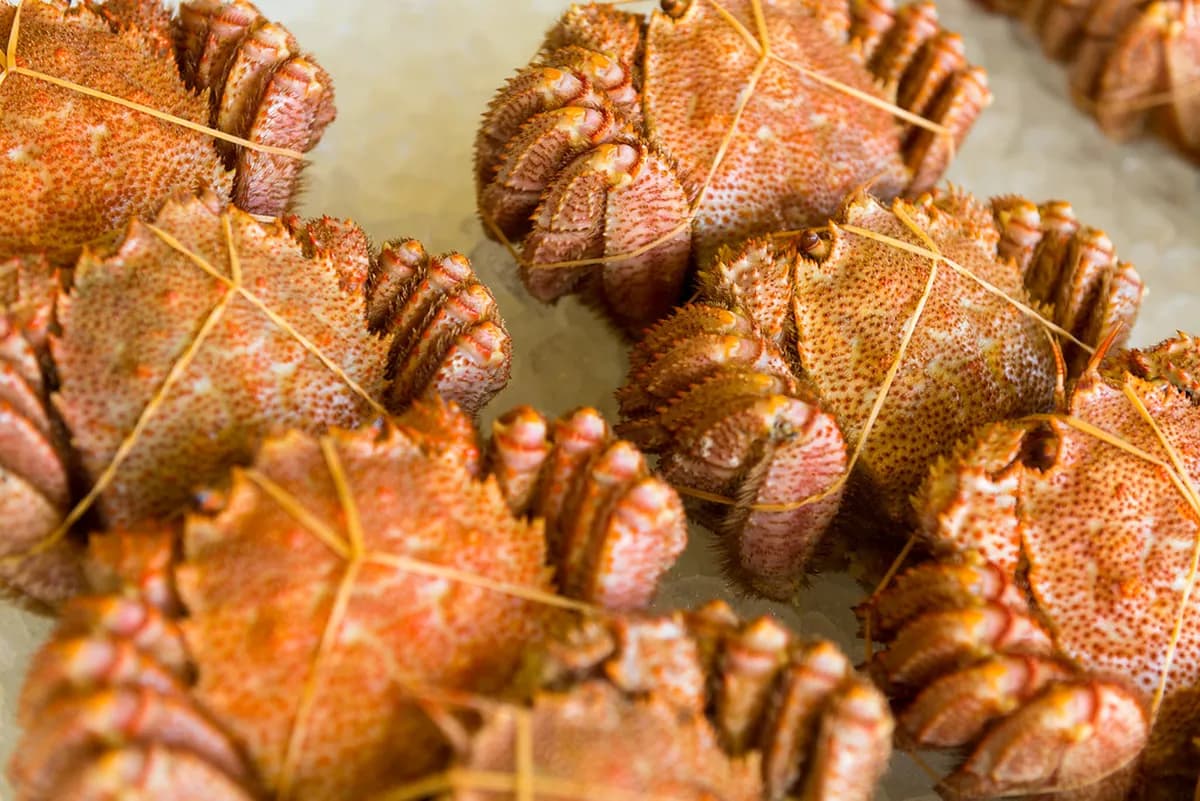
The Nijo Market (Nijo Ichiba) is on most tourist maps, but the outer wholesale section — the Jogai Ichiba strip running along the southern edge — operates on a completely different timetable. Wholesale buyers arrive from 05:00, and by 06:00 the small counter restaurants facing the fish stalls are serving what locals call 'kaisendon morning sets': a bowl of rice topped with whatever the boats brought in the night before, typically sea urchin (uni), salmon roe (ikura), and crab legs, for around 1,500–2,500 yen. This is not the same as the tourist crab restaurants on the Susukino intersection, which charge three times as much for lesser product.
The Nijo Ichiba stalls begin winding down by 09:00, which means you need to arrive early. The walk from Sapporo Station takes about 12 minutes along the grid or 5 minutes by subway to Odori Station. Most counter seats have no English menus, but pointing at the display case works perfectly. The vendors here are accustomed to foreign buyers and will often let you taste a small piece of uni before you commit. This is the single most cost-effective way to eat world-class Hokkaido seafood in 2026.
For an afternoon market fix, the Sapporo Central Wholesale Market runs a public retail hall (Ogacho) that is open to non-trade visitors from 10:00 to 14:00. You can buy direct-from-supplier salmon, scallops, and Hokkaido butter at prices noticeably below the station's souvenir shops. The market is located in the Kita 11-jo area and is reached by a 10-minute taxi ride from Sapporo Station for about 900 yen.
Susukino's Hidden Ramen Alleys and Izakayas
Susukino is the largest entertainment district north of Tokyo, but its best secrets are found in its narrowest corridors. The Ganso Ramen Yokocho is the most famous, but local foodies often prefer the Shin (New) Ramen Yokocho for its modern twists on the classic Sapporo miso base. A bowl costs between 900 and 1,400 yen at either alley, and most shops run until 03:00 for the late-night crowd.
I once spent an entire evening bar-hopping through the M-Plaza building on Susukino's south side, which is packed with tiny four-seat izakayas on three underground floors. When entering an izakaya, be prepared for the 'otoshi' — a small mandatory appetizer that functions as a cover charge, typically 400–600 yen per person. This is a standard part of Sapporo's nightlife scene and is not a scam; it is a custom. Ordering Jingisukan (grilled lamb) in these small shops is a rite of passage for anyone looking for authentic Hokkaido flavors.
The area is generally very safe, but avoid touts standing on street corners trying to lure you into hostess clubs. Stick to the established alleys and basement bars where you can see a menu or price list posted outside. Most ramen shops in the alleys do not take reservations, so arrive before 19:00 or after 21:30 to avoid the peak dinner queue. The shops at the very end of Ganso Yokocho, furthest from the entrance, consistently have shorter lines and the most traditional corn-and-butter recipes.
Beer, Onsen, and Viewpoints Beyond the Obvious
The Sapporo Beer Museum is on every itinerary, but most visitors skip the Star Hall inside, where the rare Kaitakushi beer — a recreation of an 1877 recipe — is served. Museum entry is free; a three-beer tasting set costs around 600 yen and is available 11:00–16:00. Take the Loop 88 bus from the south exit of Sapporo Station. Skip the paid guided tour and use the free multilingual pamphlets, saving your time for a second tasting round instead.
For night views, Mt. Moiwa's summit observation deck is officially one of Japan's certified 'top three night views.' A round-trip ropeway ticket costs around 1,800 yen and the facility operates 10:30–22:00 daily, weather permitting. Use the free shuttle bus from the Ropeway Iriguchi streetcar stop to reach the lower cable car station. At the summit, find the Fortune Bell — a locked brass bell with padlock loops where couples attach locks together, similar to the Pont des Arts tradition in Paris.
Jozankei Onsen, in a scenic forested valley 60 minutes southwest of the city, offers several free public footbaths (ashiyu) tucked into riverside forest clearings. Most are free and open 07:00–20:00. The Kappa Liner express bus from the Hokkaido Hotel stop near Sapporo Station reaches Jozankei in about 60 minutes and costs around 1,070 yen one way. For a step up from the free footbaths, the Kokoro no Sato Jozan facility charges about 1,000 yen and provides tea and seasonal wagashi sweets. Autumn (mid-October) is peak season here; the valley turns red and orange completely, and the contrast with the steaming river water is extraordinary.
Seasonal Timing: When Each Gem Is Worth the Trip
Hokkaido University's Ginkgo Avenue peaks in mid-to-late October, when the 380-metre corridor turns solid gold. The grounds are free and open 24 hours. Enter through the main gate near Sapporo Station and walk north 10 minutes. The university posts annual foliage updates on its official social media — in 2025 peak colour fell on 20–25 October. In winter the same avenue is unimpressive, so this is firmly an autumn gem.
Shiroi Koibito Park earns its place on this list not for the factory (which is legitimately good) but for the Tudor-style exterior gardens, which are free to walk and filled with mechanical clock performances every hour. The factory tour costs around 600 yen and runs 10:00–18:00 daily. Take the Tozai Line to Miyanosawa Station and follow signs for a 7-minute walk. It is a good rainy-day option since half the experience is indoors.
The Sapporo Winter Sports Museum at the base of the Okurayama Ski Jump is strongest in winter and spring, when the ski jump simulator draws shorter queues before the summer school groups arrive. Admission is around 600 yen and opening hours are 09:00–17:00, according to the Sapporo Winter Sports Museum official site. The Sapporo Dome observation deck — Japan's only stadium-integrated observation deck, 53 metres above the arena floor — is best visited in summer on baseball-season non-match days. Entry is around 520 yen; check the event calendar first, as the deck closes during Hokkaido Nippon-Ham Fighters games and concerts. Take the Toho Subway Line to Fukuzumi Station, then a 10-minute walk, or check the Sapporo Dome Official site for current schedules.
Snow Activities Within Reach of Central Sapporo
Winter is when Sapporo's quieter side is easiest to reach. Several snow activities need only a train or bus ride from the city centre, so you can fit them around the market and alley food stops above.
- Teine ski area: Take the JR line from Sapporo Station to Teine Station, about 15 minutes. A bus then covers the remaining 20 minutes or so to the base. Lift tickets and gear rental are paid separately. Weekday mornings are noticeably calmer than weekends.
- Jozankei Onsen: This hot-spring town sits in a river valley roughly an hour from central Sapporo by direct bus. Many ryokan sell day-use bath access, which makes it a good snowy afternoon without an overnight stay. Check each bath's day-visit hours before you go, because they vary.
- Mt. Moiwa at night: The ropeway and mini cable car run on a seasonal timetable. Winter nights are cold and clear, and the city lights look sharpest then. Dress for wind at the summit.
- Snowshoeing and sled rides: The Historical Village of Hokkaido, described above, is the simplest low-effort snow outing. Nopporo Forest Park beside it is quiet enough for a short winter walk.
Pack waterproof boots with real tread, not fashion boots. Pavements are icy from December through March. Put a spare pair of dry socks in your day bag, since a subway ride and an alley ramen stop will otherwise leave you in wet feet for hours.
What to Skip: Common Sapporo Tourist Mistakes
The Sapporo Clock Tower is often cited as one of Japan's most disappointing tourist attractions by those who expect a grand monument. It is a small wooden building surrounded by modern skyscrapers and takes five minutes to see in full. View it briefly from outside while walking to Odori Park; the interior museum is not worth the admission for most visitors.
Similarly, the main covered shopping street of Tanukikoji can feel commercial and crowded on weekend afternoons. The Nijo Market — particularly the early morning Jogai Ichiba counter — offers a far more authentic experience of Sapporo's food culture. If you must shop Tanukikoji, the western end toward Chome 7 and 8 has older, less tourist-facing shops that sell Hokkaido outdoor gear and local confectionery at local prices.
Avoid spending your entire seafood budget at the large crab restaurants directly on the main Susukino intersection. You will find better value and fresher product in the basement restaurants one block away, or at the morning Nijo market counter seats. Skip the generic all-you-can-eat crab deals and order a-la-carte to ensure high-quality Hokkaido produce — the difference in quality is significant and the price gap narrows considerably when you choose carefully.
How to Plan Your Sapporo Hidden Gems Itinerary
A successful trip to find the best the best things to do in Sapporo requires a mix of subway and bus travel. The city's grid layout makes navigation straightforward, but the hidden gems cluster at the ends of the subway lines. Buy a Donichika Ticket on weekends (520 yen) for unlimited subway rides, or a one-day subway pass on weekdays (830 yen) if you are making four or more subway trips. Most eastern gems (Historical Village, Sapporo Dome) pair well together; most western gems (Maruyama, Shiroi Koibito Park, Mt. Moiwa) form a separate day-trip loop.
Group the Chikaho underground walk with the morning Nijo market visit to create a zero-cost central half-day: market breakfast at 06:30, Chikaho walk by 08:30, Odori Park by 09:30. Then ride the Tozai Line west to Maruyama and Fushimi Inari in the afternoon. This routing avoids doubling back and covers about five gems in a single coherent day. For those with only limited time, a 8 Essential Stops for One Day in Sapporo: The Perfect Itinerary itinerary should anchor on this central-to-western loop.
Always carry 3,000–5,000 yen in cash. Many smaller shrines, traditional ramen shops, and market stalls do not accept cards. Most major attractions have coin lockers (300–500 yen) where you can store heavy bags before heading uphill to the shrines or out to the parks. For accommodation, staying near Sapporo Station gives the best access to the Chikaho, the Kappa Liner bus to Jozankei, and the subway network. Check Sapporo Weather By Month: A Complete Seasonal Guide before finalising your packing — in January and February, layering for -10°C is non-negotiable even for short walks between transport stops.
For the full city overview, see our complete Sapporo attractions guide. For related Sapporo guides, see our 12 Best Free Things to Do in Sapporo and Sapporo With Kids: 10 Essential Tips and Attractions.
Where to Stay in Sapporo for Hidden-Gem Days
Sapporo is compact, and the subway makes most of the places in this guide easy to reach from three bases. Pick the one that matches your plan.
Near Sapporo Station
This is the best choice for early starts. You are about 12 minutes on foot from the Nijo Market breakfast counters. You also have direct access to the Chikaho concourse and to JR lines for Otaru, Teine, and the airport. Business hotels here fill quickly during the February snow festival, so book well ahead for that period.
Odori and Susukino
Staying near Odori Station puts you close to the Tozai, Namboku, and Toho subway lines. Susukino is a short walk away for late ramen and izakaya nights. Rooms closer to the entertainment blocks can be noisy on weekends, so ask for an upper floor away from the street.
Maruyama and Nakajima Park
For quiet, choose the Maruyama side. You will be a few minutes from Hokkaido Shrine, and it suits the 06:00 cedar-path walk described earlier. Dining options are fewer after about 21:00, though a subway ride returns you to Susukino in minutes.
As a rule, base yourself near a Namboku or Tozai subway station. Most outer-city gems then need only one transfer. Day passes for subway and streetcar travel can also save money if you plan several outings.
Frequently Asked Questions
Which Sapporo hidden gems fit first-time visitors?
First-time visitors should prioritize Moerenuma Park and the Sapporo Fushimi Inari Shrine. These spots offer high visual impact and a distinct Hokkaido atmosphere without requiring extensive local knowledge. They are easily accessible via the city's efficient subway and bus network.
How much time should you plan for Sapporo hidden gems?
Plan for at least three full days to see the major hidden gems without rushing. Each suburban location, like the Historical Village, typically requires a 4-hour commitment including travel time. This allows for a relaxed pace and time for spontaneous local food stops.
What is the best way to get around to these spots?
The Sapporo Subway is the most reliable method for reaching the general areas of most gems. For the final leg of the journey, local buses or the historic streetcar are necessary. A Donichika Ticket is a great value for weekend subway travel.
Exploring the hidden corners of Sapporo reveals a city that is far more than just a gateway to the ski slopes. By stepping away from the main tourist hubs, you gain access to serene landscapes and authentic culinary traditions that define Hokkaido. Whether it is the quiet torii gates of Fushimi Inari or the sculptural hills of Moerenuma, these spots offer lasting memories.
As you plan your 2026 adventure, remember that the best experiences often come from the places that require a little extra effort to find. Sapporo remains one of Japan's most welcoming cities, and its hidden gems are waiting to be discovered by those willing to look. Safe travels and enjoy the incredible flavors and sights of the northern capital.
Free: The Sapporo Essentials guide
Top things to do, where to stay, a perfect day plan, getting around, and the best time to go — a Sapporo mini-guide you can take offline.
You might also like


Continue reading
More guides you'll find useful