10 Best Sapporo Street Food Spots to Visit (2026)
Discover the best sapporo street food with our 2026 guide. From Nijo Market to soup curry, plan your Hokkaido culinary adventure today.
On this page
Hokkaido's capital is one of Japan's most rewarding cities for eating on the move. Cold winters and an abundance of local produce have shaped a street food culture built around warmth, richness, and freshness. Every district — from the fish market stalls of Nijo to the ramen alleyway in Susukino — offers something that exists nowhere else in the country.
This guide focuses on the dishes and locations that define Sapporo street eating in 2026: where to find them, what they cost in yen, and how to time your visit. Whether you have two hours or two full days, the famous foods of Sapporo are worth planning your itinerary around. For broader context on Hokkaido's culinary heritage, see the Sapporo Wikipedia article, which covers the city's food traditions in detail.
Nijo Market: Fresh Seafood and Market Snacks
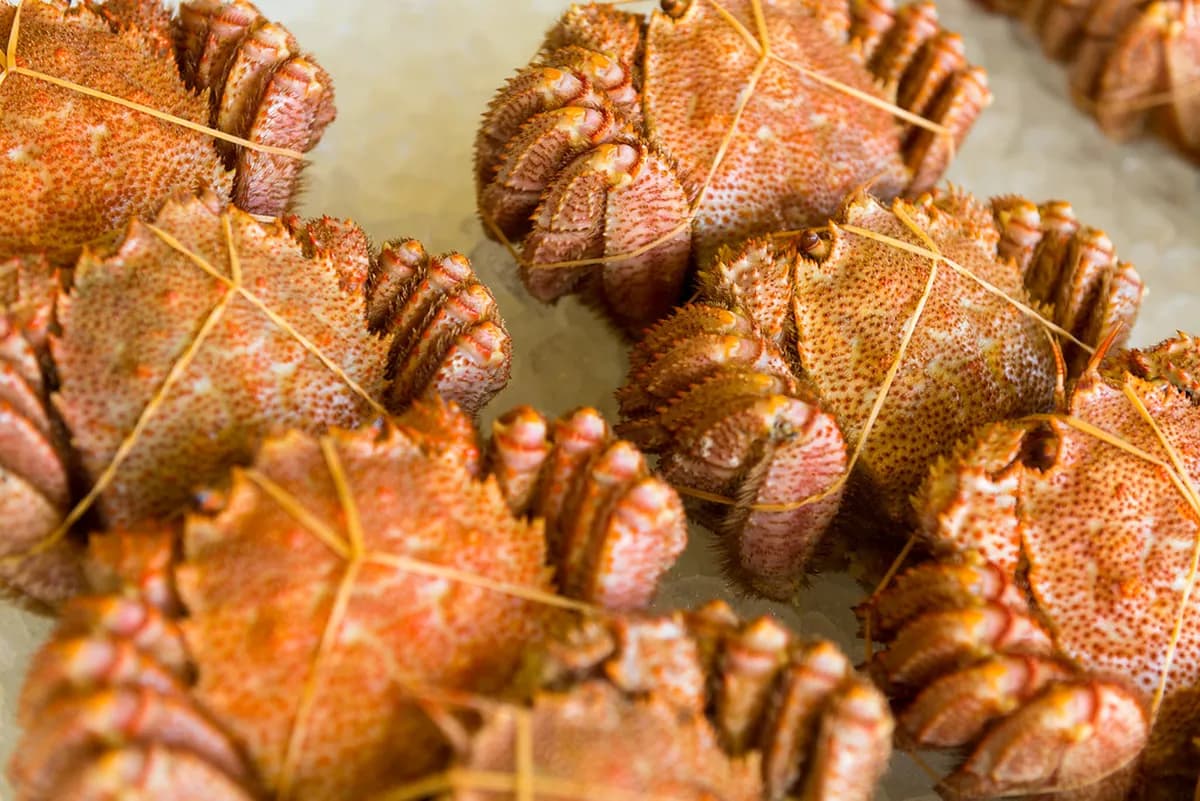
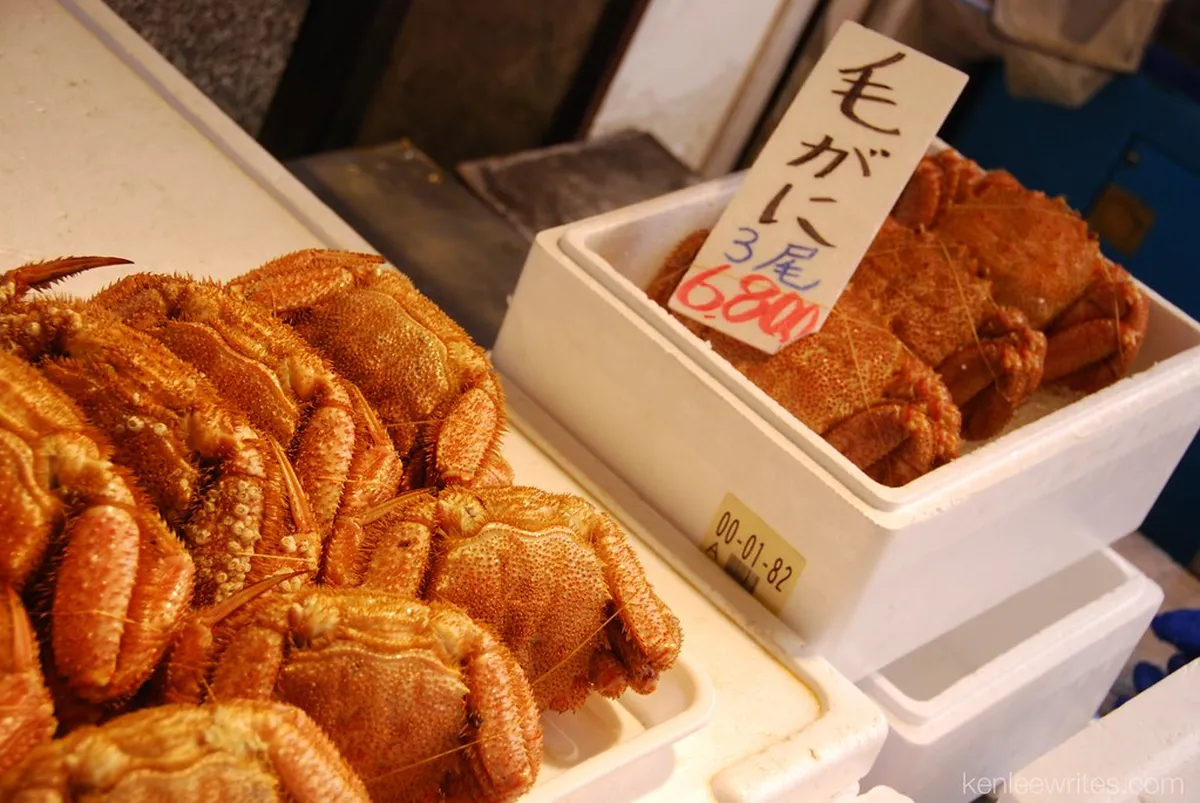
Nijo Market (二条市場) in Chuo Ward is the starting point for any serious Sapporo food crawl. The market opened more than a century ago and still operates as a working wholesale and retail market, not a tourist recreation. Roughly 60 stalls line the covered arcade selling hairy crab, sea urchin, scallops, and salmon roe directly to visitors.
The fastest and cheapest way to eat here is at the counter seats inside Donburi Chaya or one of the comparable bowl shops at the market entrance. A katafuri-don (scallop rice bowl) runs ¥1,500–¥2,500 depending on the size. Crab-topped bowls start around ¥2,800. Outside, vendors grill hokki clams and scallops over charcoal for ¥400–¥700 per shell — the smoke drifts across the arcade and pulls you in before you have a chance to think.
Market hours are roughly 07:00–17:00, with most stalls doing their best work between 07:30 and 12:00. By afternoon the choicest seafood is gone and some vendors begin packing up. Odori Station on the Tozai Line is a five-minute walk; Sapporo Station is ten minutes on foot. The market accepts cash at most stalls; a few larger shops now take IC cards.
Jōgai Ichiba: The Other Sapporo Market Worth Knowing
Most visitors stop at Nijo and miss the Sapporo Central Wholesale Market's outer retail area (Jōgai Ichiba, 場外市場) entirely. Located about ten minutes by car west of the station in the Teine district, this is where the city's restaurant chefs actually shop. The trade hours start as early as 05:00, but the retail zone outside the wholesale building is open to the public from around 07:00.
The seafood quality here is equivalent to Nijo but prices trend slightly lower because the clientele skews professional. Stalls sell sea urchin by the tray, king crab legs grilled to order, and ikura (salmon roe) by the scoop. A grilled crab leg with a cup of miso soup costs around ¥1,800–¥2,500. Because Jōgai Ichiba sees fewer tourists than Nijo, the pace is calmer and the vendors more willing to let you watch the grilling process.
Getting there without a car requires a taxi (roughly ¥1,200 from the station) or the JR Hakodate Line to Soen Station and a ten-minute walk. It is worth the detour on a longer visit, particularly if you want to buy packaged seafood gifts at competitive prices compared to the airport duty-free shops.
Grilled Corn and Jaga Butter: Hokkaido's Iconic Stall Snacks
Hokkaido grows roughly 80 percent of Japan's corn and a massive share of its potatoes, and Sapporo's street vendors make the most of that fact. From late July through October, stalls at Nijo Market, the Odori Park food events, and the Autumn Festival set up grills and sell tomorokoshi (grilled corn) basted with soy sauce and butter. The corn is a distinctly sweet cultivar called Yumekorn or Snow Sweet that doesn't exist in most other prefectures. Expect to pay ¥400–¥600 per cob.
Jaga butter — a whole potato baked or boiled and split open, then topped with a generous slice of Hokkaido butter and a pinch of salt — is the companion snack. You will find it at the same festival stalls and at a handful of permanent vendors near Nijo Market. It costs ¥350–¥500 and requires about five minutes of hand-warming patience while you wait for the butter to melt into the steaming flesh. These two snacks together are the most photographed street food in Sapporo, and for good reason.
The corn and potato season aligns almost exactly with the Sapporo Autumn Festival at Odori Park, which runs late August through mid-October each year. Outside that window, permanent stalls at Nijo Market stock these items through to early November as long as the harvest supply lasts.
Hokkaido Soft Cream and Dairy Sweets
Soft cream (soft-serve ice cream) is treated with near-religious seriousness in Hokkaido. The region's dairy cattle produce milk with a noticeably higher fat content than the national average, and the soft cream made from it is richer and creamier than anything produced from the same machines using standard imported milk. Even a basic plain-milk cone from a convenience store in Sapporo tastes better than most artisan equivalents elsewhere in Japan.
The best spots to try it on foot: the Yotsuba White Cosy counter inside the JR Sapporo Station building (open 08:00–20:00, ¥450–¥650 depending on size and toppings), the Hokkaido Dosanko Plaza shop one floor below the station's main concourse, and the stalls along the Nijo Market arcade during warmer months. Seasonal flavors rotate and might include Yubari melon, lavender, or black sesame. The Autumn Festival also runs a dedicated dairy tent from Hokkaido producers with parfaits and fresh milk available.
If you want something more structured, the Petite Chevre specialty shop inside Aurora Town underground mall (direct access from Odori Station) serves goat milk cream puffs and cheesecake bites for ¥400–¥900. These are unusual enough to be worth a detour but easy to miss without knowing to look for them.
Ramen Alley: Where Sapporo Miso Ramen Was Born
Ganso Ramen Yokocho (元祖ラーメン横丁) in Susukino is a narrow alleyway with sixteen small shops, most seating twelve to fifteen people at a counter. The alley has operated since 1951 and is credited as the place where miso ramen was first perfected as a distinct style — not a claim any other city in Japan can match. The shops are almost interchangeable in appearance but each has developed a loyal following for small differences in broth richness or noodle thickness.
A bowl of miso ramen here costs ¥900–¥1,300. Corn, butter, and bamboo shoots are the classic toppings. The shops open from around 11:00 and most stay open until 02:00 or 03:00, which makes this the natural end point for a long evening in Susukino. Queue times on weekends after 20:00 can reach 20–30 minutes but the turnover is fast once inside. The alley is located approximately 200 metres north of Susukino Station on the Nanboku Line.
A second cluster of ramen shops called Shin-Ramen Yokocho sits one block away and is slightly quieter, making it the better option if you arrive between 18:00 and 20:00 and want to avoid the main alley's peak crowd. The style is identical but the lighting is slightly brighter and the menu cards more likely to have English translations.
Soup Curry: Sapporo's Home-Grown Dish
Soup curry was invented in Sapporo in the 1970s and has since become one of the city's most distinctive exports. Unlike standard Japanese curry, which is thick and stew-like, soup curry has a thin, deeply spiced broth — closer to a Southeast Asian laksa in consistency — with large chunks of roasted vegetables and a protein sitting on top. You eat the rice alongside the bowl, dunking spoonfuls into the broth rather than mixing everything together.
The most accessible area for soup curry is the stretch between Susukino and Odori, where independent shops cluster. Soup Curry Garaku on Minami 2-jo is one of the longest-running and most-referenced names, with a queue that forms before opening at 11:30. Bowls cost ¥1,200–¥1,900 depending on the protein (chicken leg, pork belly, or seafood) and spice level. Most shops let you choose a heat level from 1 (mild) to 30 or higher; level 3–5 is the local default.
Sapporo has more than 200 dedicated soup curry restaurants, which makes it genuinely difficult to have a bad bowl. Even the mid-tier spots near Sapporo Station — convenient but less atmospheric — serve a respectable version. The dish suits the cold climate well: the spiced broth warms you from the inside and the roasted Hokkaido vegetables (pumpkin, eggplant, potato) reflect the island's seasonal produce at its peak.
The Sapporo Autumn Fest: Peak Street Food Season
The Sapporo Autumn Festival runs each year from late August through mid-October in Odori Park, turning the park's kilometre-long central promenade into the largest outdoor food market in Hokkaido. More than 50 food stalls and producer tents line the park, representing different prefectures and Hokkaido regions. Each week brings a different food theme — seafood, dairy, vegetables, ramen — so a longer stay in the city gives you access to multiple rounds of stalls. Japan's official tourism board, Japan Travel (JNTO), offers seasonal event planning guides that often feature this festival.
This is the single best opportunity to try grilled corn, jaga butter, Genghis Khan lamb, fresh soup curry, soft cream, and crab in one place without moving between neighbourhoods. Stalls are open from around 11:00 to 21:00. Beer from local Hokkaido breweries is poured at the on-site bars, and the autumn foliage in the park provides the backdrop. Entry is free. The festival draws around two million visitors across its roughly seven-week run.
No competitor guide properly highlights this event as the highest-density street food experience in the city. If your travel window overlaps with it, the Autumn Fest should anchor your food itinerary rather than individual restaurant reservations. Even on a rainy day the covered stalls stay open and the crowds thin out enough to eat comfortably.
Chika-Ho Underground: Eating Without Going Outside
The Chika-Ho (チ・カ・ホ) is a 520-metre underground walkway connecting Sapporo Station and Odori Station beneath the city's main boulevard. It operates as a public pedestrian corridor with seating plazas, event space, and a rotating set of food kiosks and pop-up stalls, particularly busy during winter. What locals know and most tourist guides skip: you can eat an entire meal down here without ever stepping into sub-zero temperatures.
The permanent kiosks near the Odori end sell Hokkaido milk bread, baked goods, and specialty coffee. During winter and holiday periods, seasonal vendor markets set up along the corridor selling cream stew bread bowls (¥600–¥800), Hokkaido cheese tarts (¥300–¥500 each), and hot corn soup in a cup (¥350). The atmosphere is functional rather than atmospheric — fluorescent lighting, commuters, occasional live music — but the food quality matches what you find at street level.
For visitors arriving in January or February during the Snow Festival period, the Chika-Ho is essential knowledge. The above-ground festival crowds are enormous and the cold is serious. Being able to duck underground, eat a warm snack, and walk to the next subway station changes how you experience the city. The walkway is open 06:00–24:00 daily.
Genghis Khan and Sapporo Beer: The Classic Combination
Jingisukan (Genghis Khan) — thinly sliced lamb and mutton grilled over a domed iron griddle — is Hokkaido's de facto regional BBQ dish. The technique and name arrived from Manchuria in the early 20th century during the island's agricultural development, and lamb farming became established in Hokkaido when it didn't take root elsewhere in Japan. Today Sapporo residents eat it the way Osaka residents eat takoyaki: casually, often, and at volume.
The Sapporo Beer Garden in Higashi Ward, housed in a historic 1890s red-brick factory building, is the most famous venue. An all-you-can-eat Genghis Khan set with draft beer runs ¥3,800–¥5,500 per adult depending on the time slot and beer inclusion. Take the Loop 88 bus from Odori Park for direct access. Reservations are strongly recommended for dinner service between May and October.
For a less scripted version, the izakayas around Susukino serve Genghis Khan à la carte for ¥800–¥1,500 per plate with draft Sapporo Classic beer (a Hokkaido-only draught not distributed outside the island) for ¥600–¥800. Sapporo Classic has a slightly hoppier and cleaner profile than the bottled national version — it is worth seeking out specifically in Susukino rather than settling for the bottled equivalent at a convenience store.
How to Plan Your Sapporo Food Tour
The most efficient food route starts at Nijo Market by 08:00 for seafood, moves to Odori Park midday for any seasonal festival or soft cream, then pushes into Susukino from 19:00 for ramen and izakaya Genghis Khan. The subway connects all three zones cleanly. A 24-hour subway day pass costs ¥830 and covers all the relevant stations on the Tozai and Nanboku lines. The Sapporo subway day pass guide explains the different pass types and which works best for food-focused days.
Always carry cash. A significant number of market stalls and ramen shops do not accept credit cards or IC payments, even in 2026. A working budget of ¥5,000–¥8,000 per person per day covers a full food crawl without restraint: market breakfast, two snacks, lunch, dinner, and dessert. Premium seafood additions (king crab, sea urchin) will push that toward ¥12,000–¥15,000.
There are dozens of top things to do in Sapporo between meal stops — the Botanical Garden, the Former Hokkaido Government Building, and Odori Park itself are all free or inexpensive. Walking between food stops rather than taking the subway for every short hop lets you discover small bakeries and noodle shops that don't appear in any guide. Check the Sapporo neighbourhoods guide to understand which district suits which time of day.
Use our Sapporo attractions hub to plan your whole visit.
Explore food in other cities
Frequently Asked Questions
How much does street food cost in Sapporo?
Most snacks and small bowls cost between $5 and $15 per serving. Larger seafood platters or premium crab dishes can range from $30 to $100. It is wise to budget around $50 per person for a full day of grazing.
What is the best time for seafood in Sapporo?
Early morning is the best time to visit the markets for the freshest catch. Most vendors at Nijo Market open by 7:30am and sell out of popular items by noon. Winter is the peak season for crab and sea urchin.
How many days should I spend eating in Sapporo?
Three days is usually enough to cover the major food groups and markets. You can find more details in our a full Sapporo itinerary for planning your trip. This allows for a relaxed pace between meals.
Sapporo is a city that rewards those who travel with their stomachs. From the salty spray of Nijo Market to the rich steam of ramen alleys, every bite tells a story. The 2026 season promises to be an incredible year for Hokkaido's evolving food scene. I hope this guide helps you find your new favourite Japanese dish.
Remember to stay flexible and follow the local crowds whenever you see a line. The best discoveries are often the ones you didn't plan for in advance. Safe travels and enjoy the incredible flavours of northern Japan.
Free: The Sapporo Essentials guide
Top things to do, where to stay, a perfect day plan, getting around, and the best time to go — a Sapporo mini-guide you can take offline.
You might also like



Continue reading
More guides you'll find useful