Oura Church stands as a symbol of religious history in the heart of Nagasaki's hillside district. This stunning Gothic structure is Japan's oldest standing Christian church, designated a National Treasure and inscribed as a UNESCO World Heritage component site in 2018. Travelers can explore the solemn interior while learning about the hidden Christians who practiced their faith in secrecy for over two centuries. A visit here offers a unique glimpse into the complex cultural tapestry that defines this vibrant port city.
Why Visit Oura Church?
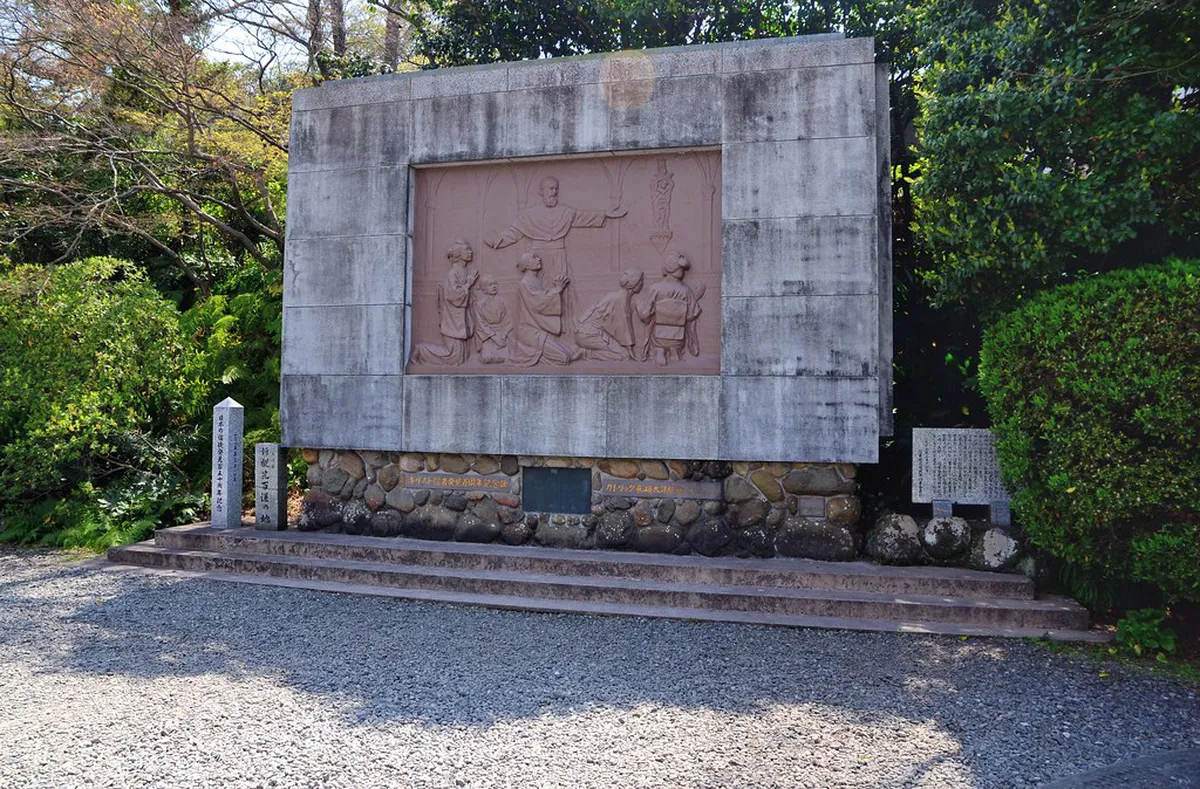
Visiting Oura Church is essential for anyone interested in Japan's complex relationship with Christianity and the West. The church gained international fame on 17 March 1865, during what became known as the "Discovery of the Hidden Christians." A group of villagers from nearby Urakami approached French priest Father Petitjean and whispered, "The heart of all of us is the same as yours. Where is the statue of Holy Mary?" This moment revealed that thousands of Japanese Christians had secretly preserved their faith for roughly 250 years under the threat of execution.
The church is the only Western-style building designated a National Treasure of Japan, a status it has held since 1933. It survived the 1945 atomic bombing with only minor damage — something many locals regard as a miracle. The building was also recognized in 2016 as Japan's first minor basilica. Walking through the doors feels like stepping into the era when Japan first reopened to the world after centuries of isolation.
In the paved courtyard just outside the entrance, a bronze relief commemorates the moment the hidden Christians revealed themselves to Father Petitjean. Most visitors walk past it quickly, but it repays a minute of quiet attention. The relief captures the emotional weight of that 1865 encounter better than any museum caption can.
Architecture and Design Features
Oura Church is a Gothic Revival structure completed in 1879, replacing an earlier wooden chapel. The current building was constructed by master carpenter Hidenoshin Koyama from Amakusa — and this is where the church becomes architecturally remarkable. From the outside it reads as purely European: white stucco brick walls, pointed arched windows, an octagonal spire, and French stained glass panels that flood the nave with colored light throughout the day. But look up at the vaulted ceiling and you see takekomai, a traditional Japanese bamboo-lath technique used as the base layer behind the Gothic rib vaults. No competitor guide explains this detail, yet it is one of the clearest examples of Meiji-era cultural fusion in any single building in Japan.
The stained glass windows date partly to the 19th century and were imported from France. They depict biblical scenes in intense jewel tones. The main altar showcases delicate woodwork and religious iconography typical of mid-19th-century Catholic churches in Europe. The roof uses sangawara pantiles, a traditional Japanese roofing tile — another quiet sign that local craftsmen adapted European design to materials and methods they knew. The result is a building that belongs fully to neither culture, and is more interesting for it.
Photography of the interior is prohibited. This is strictly observed. Exterior photos from the approach path and courtyard are permitted within the paid admission area. The no-photography rule is posted at the entrance — check the signs and follow the current guidance on the day of your visit.
Photography inside the sanctuary is strictly prohibited and enforced by staff. Credit cards are not accepted at the admission counter — bring Japanese yen in cash.
The Discovery of the Hidden Christians
The ban on Christianity in Japan began in the early 17th century under the Tokugawa shogunate. Communities in the Nagasaki and Amakusa regions who refused to abandon their faith went underground, blending Christian practices with Buddhist and Shinto outward forms to avoid detection. They maintained prayers, saints' days, and sacred objects across generations without priests, in near-total secrecy, for around 250 years.
When French missionaries built Oura Church, they did not expect to find surviving hidden Christians — the assumption was that the faith had died out. The March 1865 revelation shocked the Catholic world. The event is known in Japanese as "Shinto Hakken" (the Discovery of the Faithful). However, the exposure triggered one more wave of persecution: the Meiji government, which had replaced the Tokugawa shogunate, initially continued the ban, leading to the exile and torture of many Urakami Christians in an episode called "Urakami Yonban Kuzure" (Fourth Persecution of Urakami). The ban was only fully lifted in 1873 under international diplomatic pressure.
Understanding this sequence makes the church visit significantly more affecting. The building is not just beautiful — it is the physical location where a centuries-long story of concealment came to light. The Christian Museum on the grounds documents this full arc, from the arrival of Christianity through the period of persecution to the eventual revival.
Highlights of Ōura Cathedral
The white marble statue of the Virgin Mary near the entrance is the object the hidden Christians specifically asked Father Petitjean to show them in 1865. This makes it one of the most historically loaded objects in the building — more so than the altar or the stained glass windows, which are artistically impressive but less directly tied to the church's central story. The audio guide playing inside the nave covers the key points in English; allow time to absorb it rather than moving straight through.
The rib-vaulted ceiling creates a sense of scale that surprises visitors who approach from the narrow hillside path. The colored light from the French stained glass shifts through the day, so the interior looks quite different at 09:00 than at 15:00. Arriving early is better for the stained glass light; arriving close to midday is better for avoiding the large group tours that park in the valley below and walk up together.
Arrive before 09:30 to beat the large group tours that arrive by mid-morning. Early morning light also produces the richest colors through the French stained glass windows. The church remains an active place of worship — attend a Mass if your schedule allows.
The church remains an active place of worship. On 17 March each year, commemorative events are held for the Discovery of the Hidden Christians — if your trip falls near that date, check the official site at nagasaki-oura-church.jp for the schedule. Mass is also celebrated regularly. Attending a service, if your schedule allows, is the most immersive way to experience the building.
Oura Church's UNESCO World Heritage Status
In 2018, Oura Church was inscribed as one of 12 component sites of the UNESCO World Heritage property "Hidden Christian Sites in the Nagasaki Region." Among these 12 sites — which include island villages, remote chapels, and former persecution grounds — Oura Church is the only standing building from the historical core of Nagasaki city. It is specifically valued as the place that symbolizes the end of the hidden Christians' period of concealment, making it a bookend to the entire 250-year story the other 11 sites collectively tell.
The UNESCO status has increased visitor numbers significantly since 2018 and has brought stricter conservation oversight. In 2026, preservation teams continue applying modern protective treatments to the exterior brick and the interior woodwork. The hillside setting means the structure is exposed to Nagasaki's humid summers and occasional typhoon-season winds, so ongoing maintenance is significant. Visiting a working conservation site adds a layer of context that purely aesthetic heritage sites lack.
If you plan to visit multiple hidden Christian sites on the same trip, the Goto Islands (about 100 km offshore by high-speed ferry) form a natural extension. The islands have some of the most intact hidden Christian village landscapes in Japan. Oura Church and the Goto Islands together cover both the urban and rural dimensions of this UNESCO property.
Christian Museum and Nearby Attractions
Admission to Oura Church includes entry to the Ōura Cathedral Christian Museum, housed in the former Latin Seminary and the former Nagasaki Archbishop's Residence on the grounds. The museum displays over 130 artifacts: early Japanese bibles, religious items disguised as Buddhist objects to avoid detection, devotional images hidden inside household objects, and documents from the persecution era. The collection is compact but dense — plan 30 to 45 minutes here on top of time in the main church. The museum is consistently less crowded than the cathedral itself.
The church sits at the top of the approach to Glover Garden, which is effectively the next stop for almost every visitor. Glover Garden is about a three-minute walk and contains several Western-style Meiji-era mansions with views over Nagasaki harbor. The Dutch Slope (Oranda-zaka), a stone-paved pedestrian lane lined with 19th-century Western-style houses, is a five-minute walk in the other direction and is free to walk. Dejima, the former Dutch trading island, is about 10 minutes by tram and fills in the commercial history that Oura Church covers from the religious side.
After finishing the Oura district, consider taking the ropeway up to Mount Inasa for the night view — consistently rated one of Japan's top three. The Nagasaki Peace Park and the Atomic Bomb Museum are a short tram ride north and make for a full-day pairing with Oura if you want to cover both the 19th-century and 20th-century dimensions of Nagasaki's history.
Exploring the Church Grounds
The paid admission area covers the church interior, the courtyard with the bronze relief, and the museum buildings. The approach path climbing from the street toward the church entrance is outside the ticket barrier and free to walk — many visitors photograph the facade from here without paying entry. The path itself, lined with stone steps and low walls, is part of the Minamiyamate historic streetscape that the local government has preserved as a heritage zone.
The small garden between the museum buildings and the church offers a quiet place to sit after the museum. The church spire is visible from here at close range. The grounds are compact — the entire paid area takes about 90 minutes at a relaxed pace if you combine the church interior, the audio guide, and the museum. Allow two hours if you want time in the garden and the courtyard without rushing.
Accessibility is limited. There are steps from the square in front of the cathedral to the entrance. Wheelchair users may require assistance at several points. The hillside location means the surrounding streets are also uneven and stepped. Contact the church office in advance if you have specific mobility requirements — the visitor center can advise on the most manageable route through the grounds.
Visiting Oura Church in 2026: Practical Information
The church is open daily. Between 1 March and 31 October, hours are 08:30 to 18:00. Between 1 November and the end of February, hours are 08:30 to 17:30. Last admission is 30 minutes before closing. Admission is ¥1,000 for adults, ¥400 for junior high and high school students, and ¥300 for elementary school students. Credit cards are not accepted — bring Japanese yen in cash. This is a firm rule, not an occasionally-encountered inconvenience.
| Visitor type / period | Admission (¥) / Hours | Notes |
|---|---|---|
| Adult | ¥1,000 | Includes Christian Museum; cash only |
| Junior high / high school student | ¥400 | — |
| Elementary school student | ¥300 | — |
| Open hours: 1 Mar – 31 Oct | 08:30–18:00 | Last admission 17:30 |
| Open hours: 1 Nov – end Feb | 08:30–17:30 | Last admission 17:00 |
The nearest tram stop is Ouratenshudo (Oura Cathedral) on Nagasaki tram line 5, about a five-minute walk from the entrance. From JR Nagasaki Station, the tram takes around 10 minutes. There is no parking at the church; public transport is strongly recommended. The Nagasaki tram system covers the main tourist area efficiently and a single ride costs ¥140 in 2026.
Inside the church, remove hats, avoid revealing clothing, keep voices low, and refrain from using mobile phones. Photography is prohibited inside the sanctuary — observe posted signage and follow any guidance from staff on the day. The dress code is relaxed by European church standards but the photography restriction is strictly enforced. Arriving before 09:30 significantly reduces the chance of overlapping with large group tours that arrive by mid-morning.
Frequently Asked Questions
What is the best time to visit Oura Church?
The best time to visit is early morning or late afternoon to avoid the peak tourist crowds. Spring and autumn offer the most pleasant weather for walking the steep hills. You might also enjoy seeing the Megane Bridge nearby during these seasons for beautiful photos.
Is photography allowed inside Oura Cathedral?
Photography is strictly prohibited inside the main cathedral building to respect its status as a place of worship. However, you are welcome to take photos of the exterior and the surrounding museum grounds. Always look for signs indicating where cameras are permitted during your visit.
How much does it cost to enter the church and museum?
The standard adult entry fee for the cathedral and the Christian Museum is 1000 Yen. Discounts are often available for children, students, and large groups. It is a good idea to bring cash as some smaller ticket counters may not accept credit cards.
Is Oura Church accessible for travelers with mobility issues?
The church is located on a steep hill, which can be challenging for those with limited mobility. There are some slopes and elevators available, but parts of the historic district remain difficult to navigate. Contacting the visitor center in advance can help you plan an accessible route.
Oura Church remains one of the most significant historical landmarks in all of Nagasaki. A visit here provides a profound look at the resilience of faith and the beauty of cross-cultural architecture — from the French stained glass to the Japanese bamboo-lath vaulting hidden in the ceiling above it. Whether you are a history buff or a casual traveler, this site offers something truly unique and memorable. Plan your trip in 2026 to experience the quiet majesty of Japan's oldest standing Christian church.
To make the most of your visit, explore Nagasaki attractions in the historic district, consider planning a longer Nagasaki itinerary to pair this site with nearby landmarks, or read our Oura Cathedral guide for deeper historical context and visitor strategies.