Oura Cathedral Nagasaki Guide: History, Visiting Tips & UNESCO
Plan your visit to Oura Cathedral in Nagasaki with our comprehensive guide. Discover its UNESCO history, Gothic architecture, and practical tips for the oldest church in Japan.
On this page
Oura Cathedral stands as a powerful symbol of faith and resilience on the hills of Kumamoto and Nagasaki region. As the oldest standing church in Japan, it offers a window into the country's complex religious past. This iconic white structure is more than just a beautiful building for modern travelers. It represents the dramatic return of Christianity to Japan after centuries of prohibition.
Visitors flock here to see the stunning Gothic architecture and vibrant stained glass windows. The site gained global recognition as part of a UNESCO World Heritage listing in 2018. Whether you are a history buff or a casual tourist, this guide covers everything you need to know for your 2026 visit to this sacred landmark.
Overview of Oura Cathedral (Japan's Oldest Church)
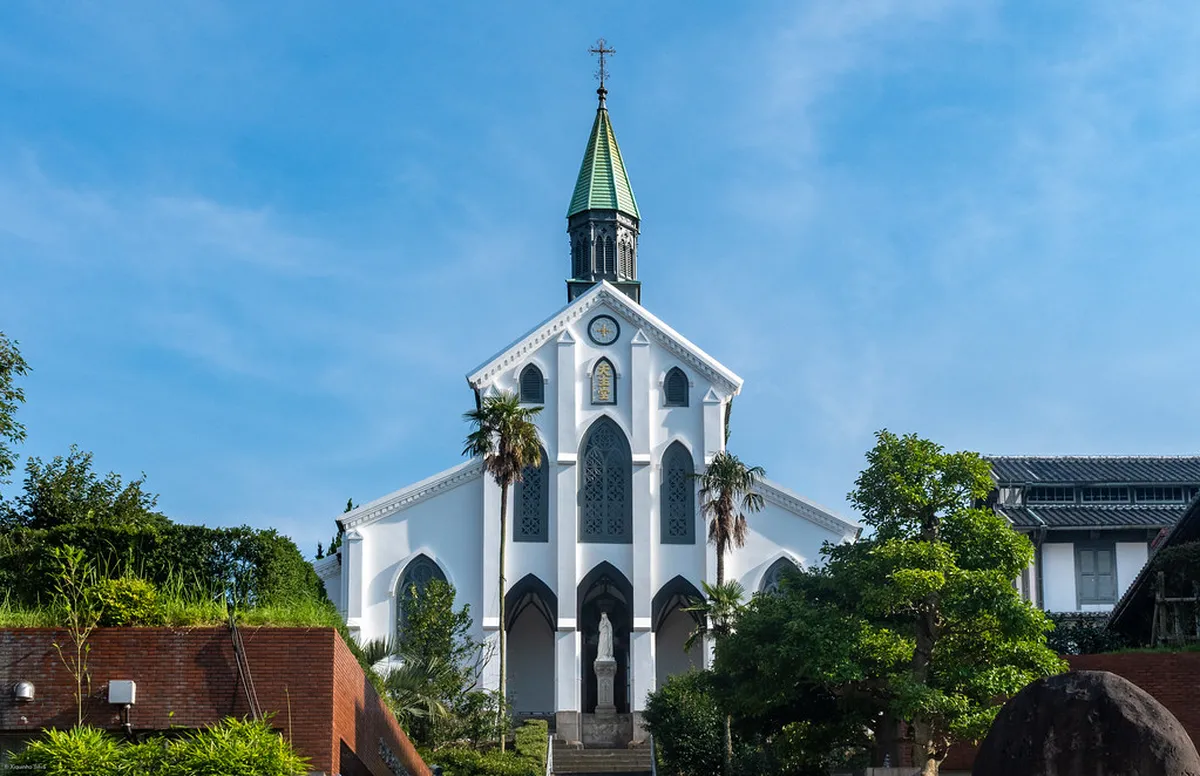
Oura Cathedral is officially known as the Basilica of the Twenty-Six Holy Martyrs of Japan. French missionaries completed the original wooden structure in 1864 to serve the growing foreign community in Nagasaki. It remains a centerpiece of the nagasaki landmarks that define the city's unique international character. The building serves as a poignant reminder of the martyrs who died for their faith in 1597.
The cathedral is located in the Minamiyamate district, overlooking Nagasaki harbor. Its striking white facade and pointed spires contrast beautifully with the surrounding greenery. Travelers often include this site in a broader Nagasaki Itinerary for First-Timers in 2026 alongside Glover Garden and Dejima. It provides a peaceful atmosphere away from the modern urban bustle.
This site holds the distinction of being the first Western-style building designated as a National Treasure of Japan, receiving that honor in 1933. The church was intentionally built to face Nishizaka Hill, where the 26 martyrs were crucified. That deliberate orientation connects the physical building to the tragic history of the local Christian community. Walking through the gates feels like stepping back into the late 19th century.
History and the Discovery of the Hidden Christians
The history of Oura Cathedral is defined by an event known as the Discovery of the Hidden Christians. On March 17, 1865, a group of Japanese villagers from nearby Urakami approached Father Bernard Petitjean at the newly completed church. One woman whispered: "The heart of all of us here is the same as yours. Where is the statue of Holy Mary?" They had secretly maintained their faith for over 250 years despite severe persecution. This revelation shocked the Catholic world and earned the designation "miracle of the East" from the Pope. The Japan National Tourism Organization documents this pivotal moment as central to Japanese religious history.
Before this event, the Japanese government had banned Christianity under the Tokugawa shogunate since the early 17th century. The Hidden Christians, known as Kakure Kirishitan, used secret symbols and rituals to pass their beliefs across generations. They blended Christian practices with Buddhist and Shinto forms to avoid detection by authorities. Oura Cathedral became the catalyst for the eventual lifting of the religious ban in Japan in 1873.
A bronze relief in the cathedral courtyard commemorates this historic encounter between Father Petitjean and the villagers. Visitors can also see the statue of the Virgin Mary that the Hidden Christians approached that day. The church grounds hold several monuments dedicated to these communities. Understanding this story is essential for appreciating the solemnity of the cathedral interior.
The Persecution That Followed: Urakami Yonban Kuzure
What is rarely told in casual guides is what happened after the Discovery. The Meiji government, which replaced the Tokugawa shogunate in 1868, initially continued the ban on Christianity. In an event known as the Urakami Yonban Kuzure (Fourth Persecution of Urakami), around 3,400 Christians from the Urakami Valley were forcibly exiled to remote domains across Japan. Many died from the brutal conditions of the exile.
This persecution only ended in 1873 after sustained pressure from Western governments. The surviving Urakami Christians were finally allowed to return home, and publicly practiced Christianity resumed in Nagasaki. Oura Cathedral had been the trigger for this final wave of both persecution and ultimate liberation. The sequence of events makes the cathedral's story far more layered than simple rejoicing at a discovery.
The museum adjacent to the cathedral covers the Urakami exile in detail through documents and artifacts. For visitors who know this context, the mood inside the church shifts from wonder at its beauty to a deeper respect for what the local community endured. This is part of nagasaki culture that runs through everything from its churches to its atomic bomb memorials.
Architecture and Design: Gothic Style and Stained Glass
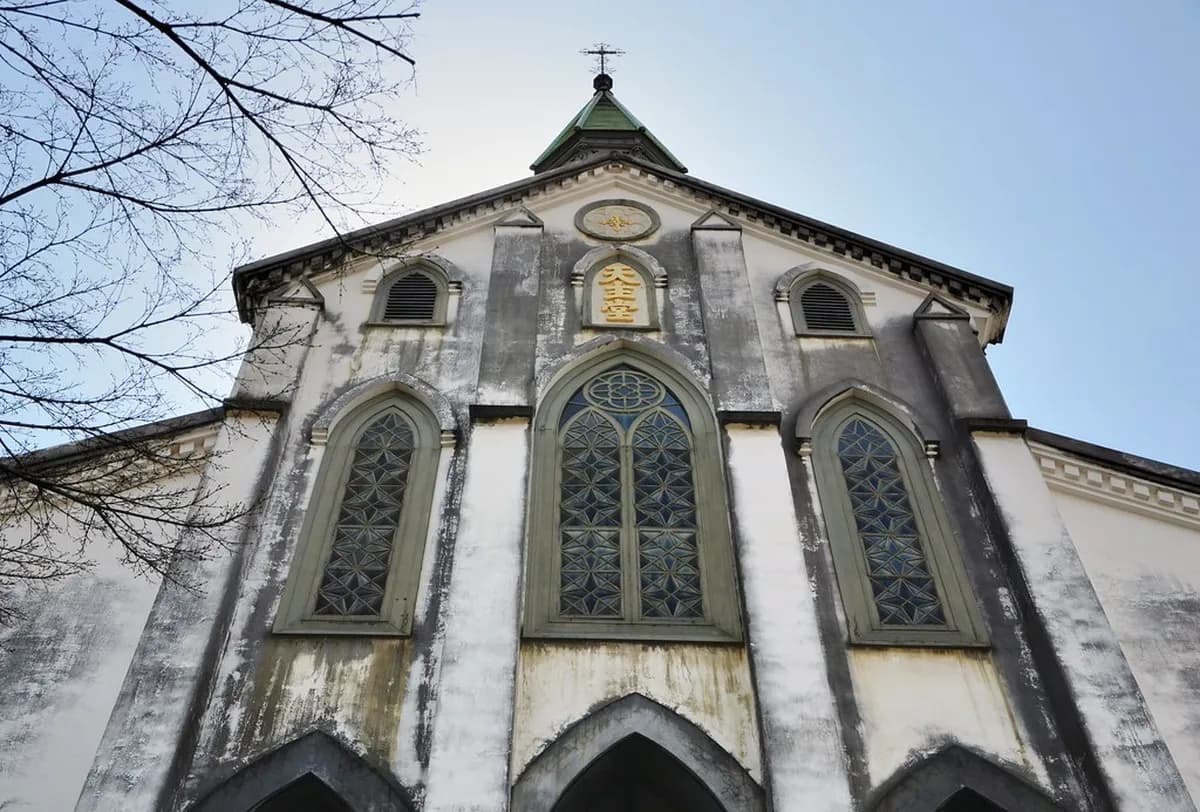
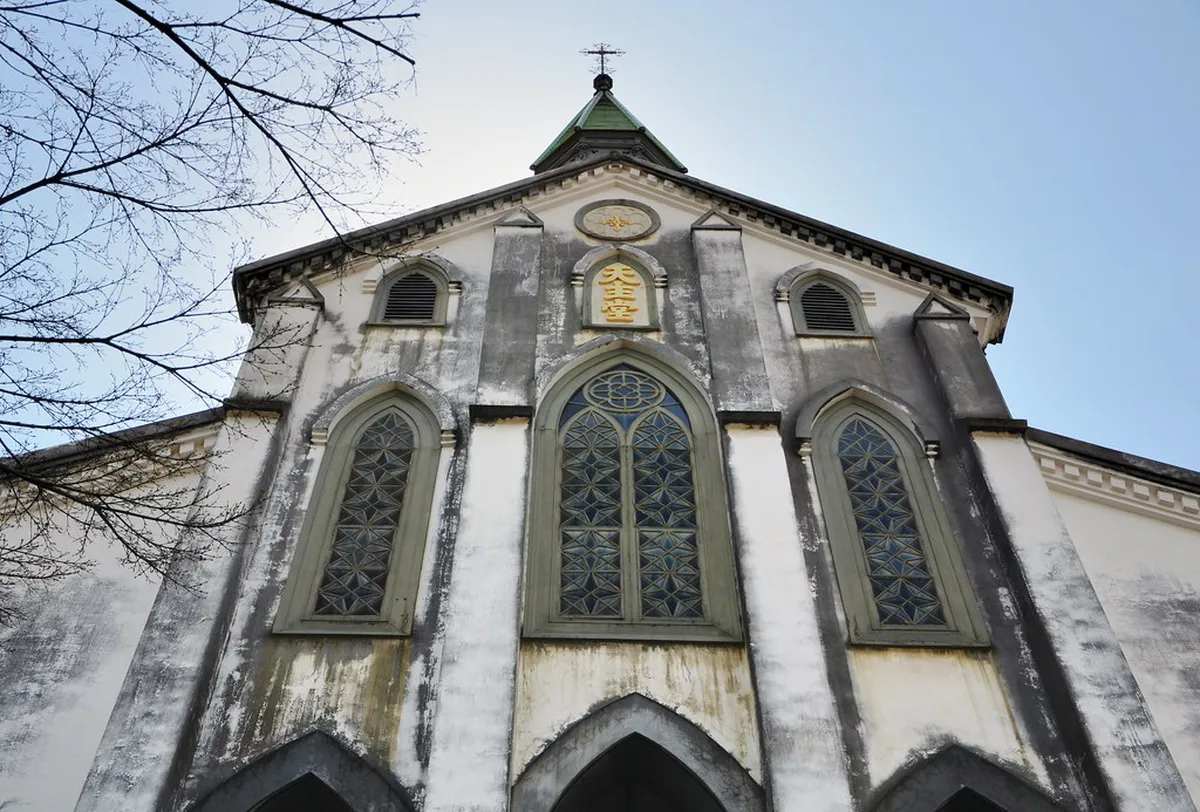
The architecture of Oura Cathedral is a fascinating blend of European design and Japanese craftsmanship. It features a classic Gothic Revival style with pointed arches, a three-aisled nave, and an octagonal spire that dominates the Nagasaki hillside. The current brick structure dates to 1879 and replaced the original wooden building. Local craftsmen used a unique construction method called Takekomai to create the vaulted ceilings.
The Takekomai technique is one of the most interesting details of the cathedral and is easy to miss. Instead of the heavy stone vaults typical of European Gothic churches, craftsmen wove bamboo laths into a framework that was then plastered over. The result looks identical to stone vaulting but weighs a fraction of the original. It is a direct example of Japanese artisans adapting a Western form using local materials and knowledge.
The interior is bathed in soft light from 19th-century stained glass windows imported from France. These windows depict biblical scenes and the history of the 26 martyrs. The colors shift throughout the day as the sun moves — the late afternoon is widely considered the best time to see the glass fully illuminated from the west. The exterior walls are finished in white plaster over brick, giving the cathedral its clean and distinctive appearance.
UNESCO World Heritage Status and the 26 Martyrs
In 2018, Oura Cathedral was added to the UNESCO World Heritage list as part of the Hidden Christian Sites in the Nagasaki Region serial nomination. The listing covers 12 sites across the Nagasaki and Kumamoto areas, each representing a different aspect of the hidden Christian experience. Oura Cathedral is significant within that group as the site that marks the end of the hidden Christian era and the beginning of public Christianity in Japan.
The church is dedicated specifically to the Twenty-Six Holy Martyrs of Japan, who were crucified on Nishizaka Hill in 1597 on the orders of Toyotomi Hideyoshi. A significant visual detail is the cathedral's direct line of sight to Nishizaka Hill — a deliberate choice by the French missionaries to honor the fallen. Many visitors miss this alignment, but standing at the cathedral entrance and looking toward the hill makes the dedication viscerally clear. You can learn more about these connected sites at nagasaki landmarks nearby.
The UNESCO designation has brought renewed attention to the preservation of the site. Ongoing restoration efforts ensure that the delicate stained glass and bamboo-lath ceilings remain intact for future generations. The cathedral remains an active place of worship for the local Catholic community while hosting tens of thousands of international tourists each year.
The Atomic Bombing and the Cathedral's Survival
Most visitors come to Nagasaki knowing about the atomic bomb dropped on August 9, 1945. Fewer know that Oura Cathedral was damaged in that bombing and subsequently restored. The cathedral's survival and restoration add another chapter to its long narrative of endurance — first through the ban on Christianity, then through exile and persecution, and finally through the destruction of the Second World War.
Urakami Cathedral, located further north near the bomb's hypocenter, suffered far greater damage and was not rebuilt in its original form until 1959. Oura Cathedral, being further from the hypocenter in the Minamiyamate district, sustained less structural damage and was restored more fully. Visiting both churches on the same Nagasaki trip gives a stark sense of scale for the bomb's reach across the city.
This layer of history is often omitted from standard tourist summaries of Oura Cathedral. It is one reason the site resonates so differently for visitors who arrive knowing Nagasaki's full 20th-century story. The cathedral's continued function as an active church — through centuries of persecution and a nuclear attack — is the most direct evidence of the resilience the site has come to represent.
The Oura Cathedral Christian Museum
The Oura Cathedral Christian Museum is housed in the former Latin Seminary and former Archbishop's Residence buildings adjacent to the main sanctuary. Admission to the cathedral includes access to the museum, which displays over 130 artifacts related to the history of Christianity in Japan. Exhibits include rare religious documents, old bibles, and personal items from the missionaries who built and served the church.
One of the highlights is the collection of items used by the Hidden Christians. You can see Maria Kannon statues — Buddhist figures of the goddess Kannon that were secretly used to represent the Virgin Mary and allowed prayer without detection. The museum also explains the Fumie practice, where authorities forced suspected Christians to step on images of Jesus or Mary to prove they were not believers. Walking through the quiet halls provides a somber context to the beauty of the church outside.
The exhibits are well-labeled in both Japanese and English for international visitors. Allow at least 45 minutes to fully explore the different sections. The former seminary building itself is an architectural treasure, with wooden corridors and period-accurate furnishings. It is one of the most informative Nagasaki Attractions: Top 20 in 2026 for history enthusiasts of any background.
Visiting Oura Cathedral: Practical Information
The best time to see the French stained glass windows is between 15:00 and 17:00 when western light hits them directly — morning visits are quieter but the glass is less vivid.
Reaching the cathedral is straightforward using Nagasaki's tram network. Take tram line 1 from Nagasaki Station toward Shokubutsuen-mae and transfer at Shinchi Chinatown to line 5 toward Ishibashi. Get off at the Ouratenshudo stop — the tram stop name directly references the church. From there it is a five-minute walk uphill through a shopping street lined with souvenir shops and Castella cake bakeries.
- Opening hours: 08:30 to 18:00 daily (last entry 17:30). Hours shorten slightly in winter.
- Adult admission: 1,000 yen, includes entry to both the cathedral and the Christian Museum.
- Student admission: 400 to 600 yen with a valid student ID.
- There is no parking at the site. Public transportation or walking from Glover Garden is the standard approach.
- English audio guides are available at the museum entrance for a small additional fee.
| Detail | Info |
|---|---|
| Opening hours | 08:30 – 18:00 daily (last entry 17:30); shorter in winter |
| Adult admission | ¥1,000 (includes cathedral + Christian Museum) |
| Student admission | ¥400 – ¥600 with valid student ID |
| Tram access | Line 1 from Nagasaki Station → transfer at Shinchi Chinatown to Line 5 → alight Ouratenshudo stop |
| Walk from tram stop | 5 minutes uphill through souvenir street |
| Photography | Restricted inside main sanctuary; exterior and museum freely photographable |
Photography is restricted inside the main sanctuary to preserve the atmosphere of worship — remove hats and cover shoulders before entering, and wait outside if a Mass is in progress.
The Nagasaki Churches and Christian Sites Pass is worth considering if you plan to visit multiple UNESCO-listed locations in the region. It typically covers several sites from the Hidden Christian Sites serial nomination and offers meaningful savings over individual tickets. Check the current pass details at the Nagasaki City tourist information counters near Nagasaki Station before you board the tram.
Nearby Attractions in Minamiyamate
The Minamiyamate district is dense with historic sites that work well as a half-day circuit. Glover Garden is located a few minutes' walk from the cathedral entrance and is the natural first or last stop. This open-air museum features colonial-era Western residences from the Meiji period and offers sweeping views of Nagasaki harbor. Consult our Glover Garden Nagasaki Guide: History, Views, and Tips for a complete walkthrough of that site.
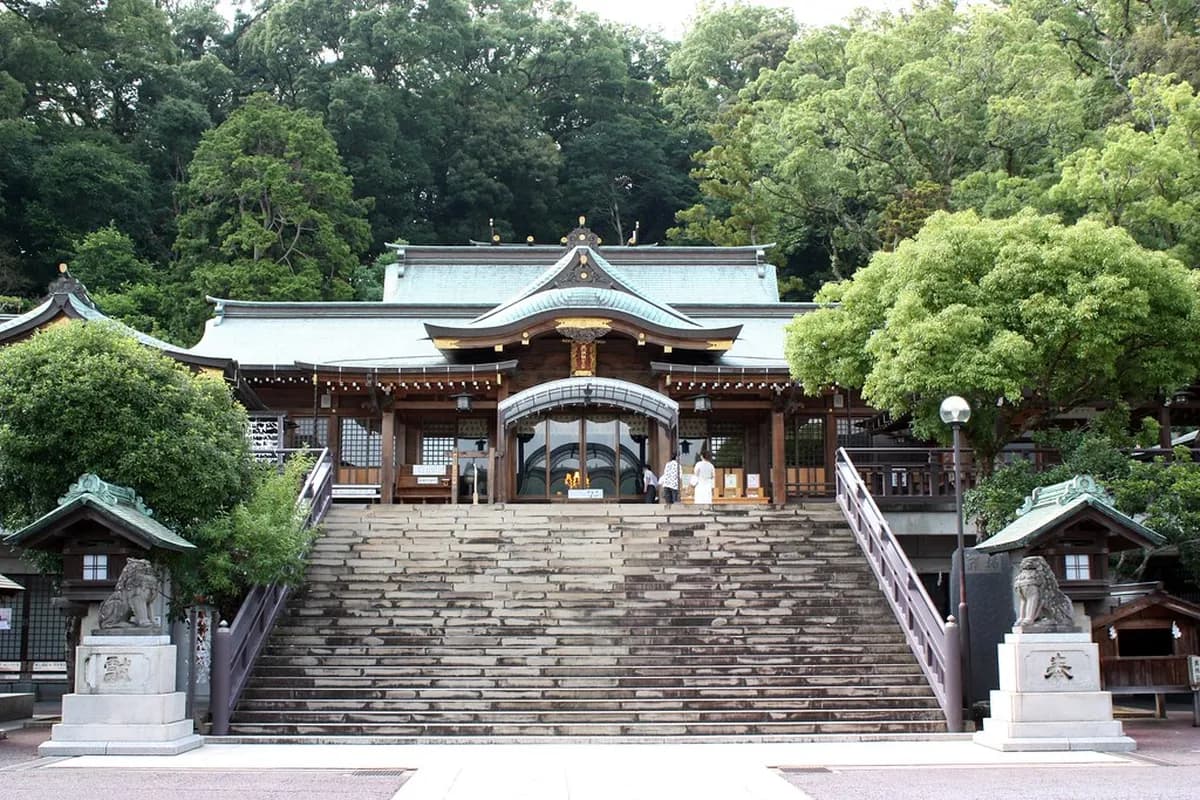
The Nagasaki Confucius Shrine is another nearby landmark, built by the local Chinese community and the only Confucian shrine in Japan constructed by and for overseas Chinese. The bright vermillion architecture provides a sharp contrast to the cathedral's white plaster walls. Visiting both sites on the same morning highlights Nagasaki's layered multicultural history — Portuguese and French Catholic influence alongside a significant Chinese trading presence.
The streets leading up to the cathedral from the tram stop are lined with local shops. Try the famous Nagasaki Castella sponge cake at one of the historic bakeries on the approach road. The Hollander Slope, a stone-paved street lined with restored Western-style buildings, is also within walking distance and worth ten minutes on the way back toward the tram.
Tips for Your Visit
Timing matters for getting the most from the cathedral. Arriving before 09:00 on weekday mornings avoids the larger tour groups that arrive mid-morning. The late afternoon — from around 15:00 to 17:00 — is the best window to see the French stained glass at its most vivid, as western light hits the windows directly. Photography inside the main sanctuary is restricted to protect the atmosphere of worship; the exterior, garden, and museum buildings are fully accessible for photos.
Dress modestly before you arrive. Shoulders should be covered inside the sanctuary. Remove hats before entering the main church hall. The museum section is slightly more relaxed, but the same general quiet and respectful approach applies throughout the site. If a Mass is in progress when you arrive, wait at the entrance until it concludes before moving through the nave.
Consider combining the cathedral visit with a stop at the Nagasaki 1 Day Itinerary: The Perfect Route stops nearby, particularly the Twenty-Six Martyrs Museum on Nishizaka Hill. That museum is a 15-minute tram ride away and directly completes the story begun at Oura Cathedral. Seeing the execution site after visiting the cathedral built in the martyrs' honor gives the history a geographical coherence that most visitors find memorable.
Frequently Asked Questions
What is the significance of Oura Cathedral?
Oura Cathedral is Japan's oldest church and a UNESCO World Heritage site. It is significant for the 1865 'Discovery of the Hidden Christians,' which ended centuries of religious persecution. It also honors the 26 Martyrs of Japan. Learn more about nagasaki landmarks to see its role in history.
How do I get to Oura Cathedral from Nagasaki Station?
Take the tram line 1 from Nagasaki Station toward Shokubutsuen-mae. Transfer at Shinchi Chinatown to line 5 toward Ishibashi. Get off at the Oura Tenshudo stop and walk five minutes uphill. The route is well-signed for tourists.
Is Oura Cathedral a UNESCO World Heritage site?
Yes, it was officially designated as a UNESCO World Heritage site in 2018. It is part of the 'Hidden Christian Sites in the Nagasaki Region.' This listing highlights the unique cultural tradition of Christians who practiced in secret.
Can you take photos inside Oura Cathedral?
Photography is restricted inside the main sanctuary of the cathedral to maintain a respectful environment for prayer. You are welcome to take photos of the exterior, the gardens, and the museum buildings. Always check the current rules posted at the entrance, as policies can change.
What happened during the 'Discovery of the Hidden Christians'?
In 1865, a group of Japanese people revealed their secret faith to Father Petitjean at Oura Cathedral. They had survived 250 years of religious bans by practicing in hiding. This event is considered a major turning point in Japanese history.
Oura Cathedral is a must-visit destination for anyone traveling through Nagasaki. It combines stunning Gothic architecture with a story of human endurance spanning persecution, exile, and atomic destruction. The site offers a quiet place for reflection amidst a busy travel schedule. Your visit will provide a deeper understanding of Japan's hidden historical layers.
From the bamboo-lath ceilings to the museum's Hidden Christian artifacts, every corner has a story most visitors do not know before they arrive. Plan your trip for 2026 to see this UNESCO treasure in person. The cathedral remains a beacon of history on the Nagasaki hillside. Enjoy the unique atmosphere of the oldest church in the Land of the Rising Sun.
Free: The Nagasaki Essentials guide
Top things to do, where to stay, a perfect day plan, getting around, and the best time to go — a Nagasaki mini-guide you can take offline.
You might also like


Continue reading
More guides you'll find useful