Suwa Shrine — known locally as Osuwa-san — is the principal Shinto shrine of Nagasaki and one of the most historically layered sites in all of Kyushu. For a broader look at other options in the region, explore our guide to Nagasaki attractions.
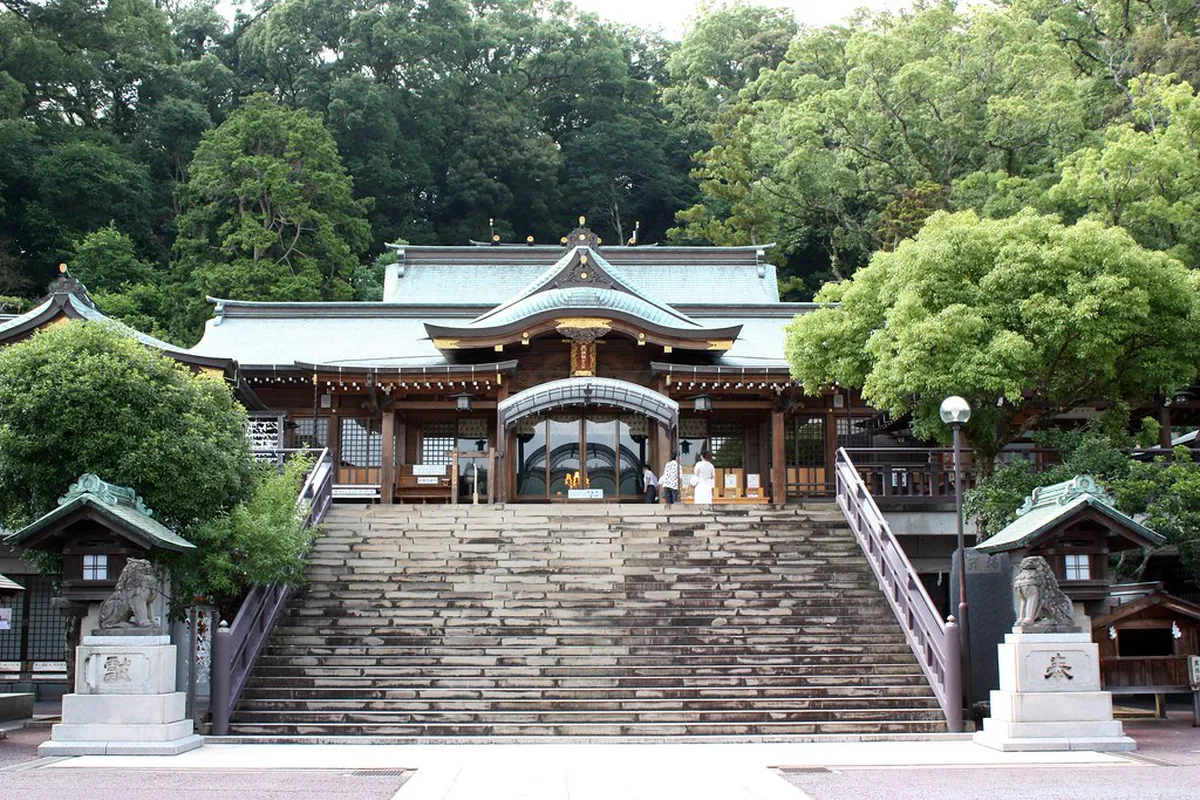
The shrine sits on the slopes of Mount Tamazono, reached by a dramatic stone staircase of around 277 steps that rises above the city rooftops.
This visitor guide covers everything you need for a confident and respectful visit in 2026: how to get there, what to see on the grounds, when the famous Nagasaki Kunchi festival runs, and practical tips that most travel sites skip.
The Historical Significance of Suwa Shrine in Nagasaki
Suwa Shrine was formally established in 1629, during a period when the Tokugawa shogunate was actively suppressing Christianity in Nagasaki. The city had become a stronghold of Catholic converts, and the authorities built and promoted this shrine to reassert Shinto identity in the region. That origin makes Suwa Shrine more than a place of worship — it is a document of Nagasaki's turbulent religious history written in stone and cedar.
The shrine is dedicated to three deities: Suwa-no-kami, Morokata-no-kami, and Sumiyoshi-no-kami. Collectively they are associated with the sea, protection of the city, and safe passage — all concerns of immense importance to a port city that traded with China and the Netherlands through the Edo period. Locals have called the shrine Osuwa-san for centuries, and that affectionate name still appears on tram stop signs and shop fronts today.
Being designated the city's chief tutelary shrine means Suwa Shrine has presided over major civic events from disaster relief prayers to victory celebrations. Understanding this role helps explain why the Nagasaki Kunchi festival, held here every October, carries a civic weight that goes well beyond typical temple tourism.
Architecture and Layout of Suwa Shrine
The approach begins at a large stone torii gate at the foot of the hill. From there, 277 steps climb steadily upward through rows of stone lanterns, passing a second torii before arriving at the main precinct. The staircase is broad and well-maintained; most visitors in average fitness complete the ascent in fifteen to twenty minutes. There are landings with benches along the way, and the views of Nagasaki's terraced cityscape open up as you climb.
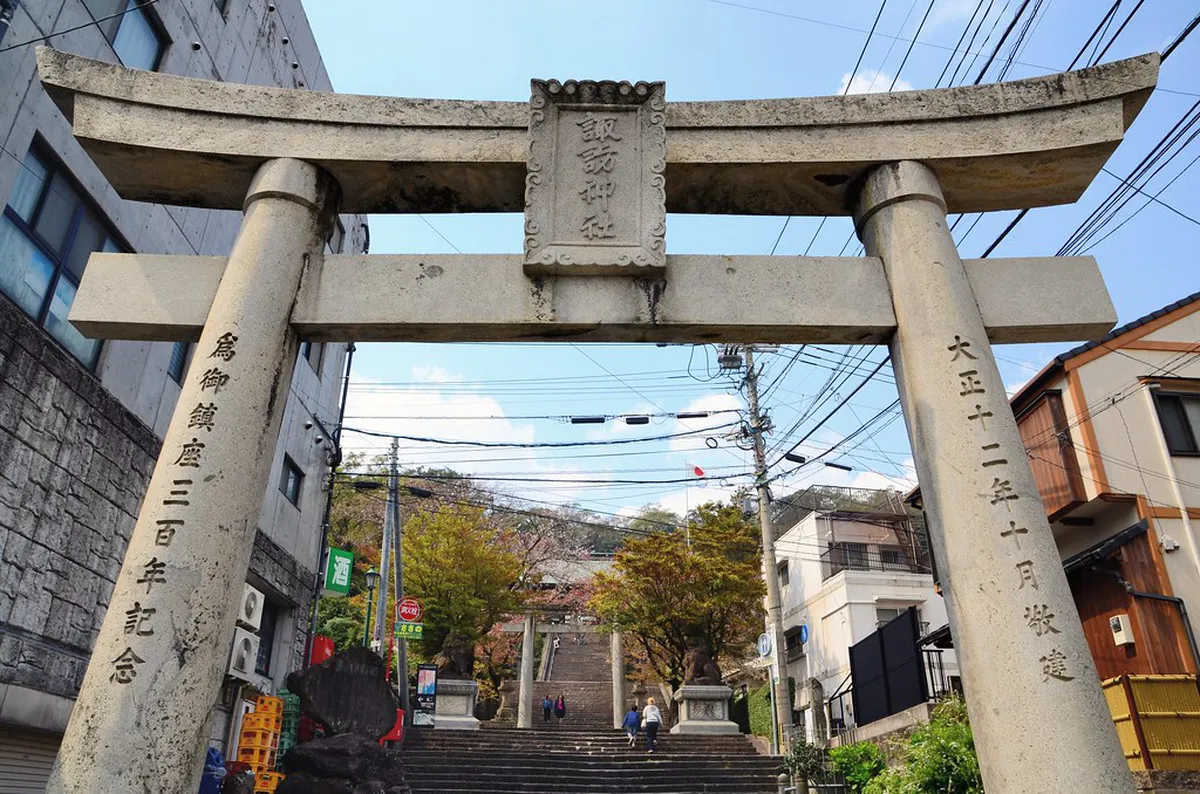
At the top, the main worship hall (haiden) and inner sanctuary (honden) occupy the central ground. The haiden is where visitors make offerings and pray; the honden behind it houses the sacred objects and is not open to the public. Several smaller auxiliary shrines dot the surrounding grounds, each with komainu guardian dogs and stone water basins for the ritual hand-washing (temizu) that precedes prayer.
On the left side of the main precinct you will find the shrine office and amulet desk, typically open 09:00–17:00. Amulets (omamori) here carry Nagasaki-specific designs — the Dutch trade motif on some charms is a detail unique to this shrine and impossible to find elsewhere in Japan. To the right, a quieter garden path leads past stone monuments and an old cedar grove, which offers shade and a calm contrast to the open staircase.
Getting to Suwa Shrine: Tram, Walk, and Practical Access
The easiest way to reach Suwa Shrine from central Nagasaki is the Nagasaki Electric Tramway (streetcar). Tram lines 3, 4, and 5 all stop at Suwa-jinja-mae, which puts you directly at the foot of the shrine hill. A single tram ride costs ¥140 (as of 2026) regardless of distance, and trams run every five to ten minutes during daytime hours. Pay as you exit at the rear door.
From the Suwa-jinja-mae stop, the main torii gate is a roughly five-minute walk. Follow the stone lanterns uphill and you will not miss it. If you are arriving from the JR Nagasaki Station area, tram lines 1 or 3 connect to the relevant transfer points, and the total journey takes around fifteen minutes. Taxis are also plentiful from central Nagasaki and cost approximately ¥800–¥1,000 for the short ride.
There is no dedicated parking at the shrine itself. Visitors arriving by car should use the public car park on Nagasaki-dori street nearby. Note that on Nagasaki Kunchi festival days (October 7–9), roads around the shrine close to vehicles and the surrounding streets fill with parade crowds — arrive by tram on festival days without exception.
Best Things to See and Do at Suwa Shrine
The stone staircase is the signature experience. Climbing the full 277 steps rewards you with a harbour-framed panorama over the city — best in the morning before haze builds, and spectacular on clear winter days when the air is sharp. Many visitors descend a different way, taking a side path that winds through the cedar grove, which adds about ten minutes and passes several small subsidiary shrines worth a quiet look.
Inside the precinct, spend time at the main haiden to observe the correct ritual form: bow twice, clap twice, make a silent prayer, then bow once more. Non-practitioners are welcome to stand and observe; there is nothing here that is off-limits to visitors. The stone purification fountain (chozuya) just before the haiden is functional — wash your left hand, then right hand, then rinse your mouth, following the wooden ladle sequence shown on the nearby sign.
The shrine's amulet collection deserves a closer look. Beyond standard good-luck charms, Suwa Shrine sells a seafarer's protective amulet (a legacy of the port city's trading history) and a study-success charm popular with local students before university entrance exams. Wooden ema plaques — small boards on which visitors write wishes — hang in dense rows on a rack near the office and make for an interesting few minutes of reading. Spending a total of two to three hours on site gives you enough time to climb, explore the full grounds, and browse the amulet desk without rushing.
A short walk from the shrine leads downhill toward Sofukuji Temple, one of Nagasaki's finest Chinese-style Buddhist temples. Combining both sites makes a natural half-day cultural loop that covers both Shinto and Buddhist heritage in one area of the city. For detailed information specific to the shrine itself, check out our Suwa Shrine guide.
Nagasaki Kunchi Festival: October 7–9 Each Year
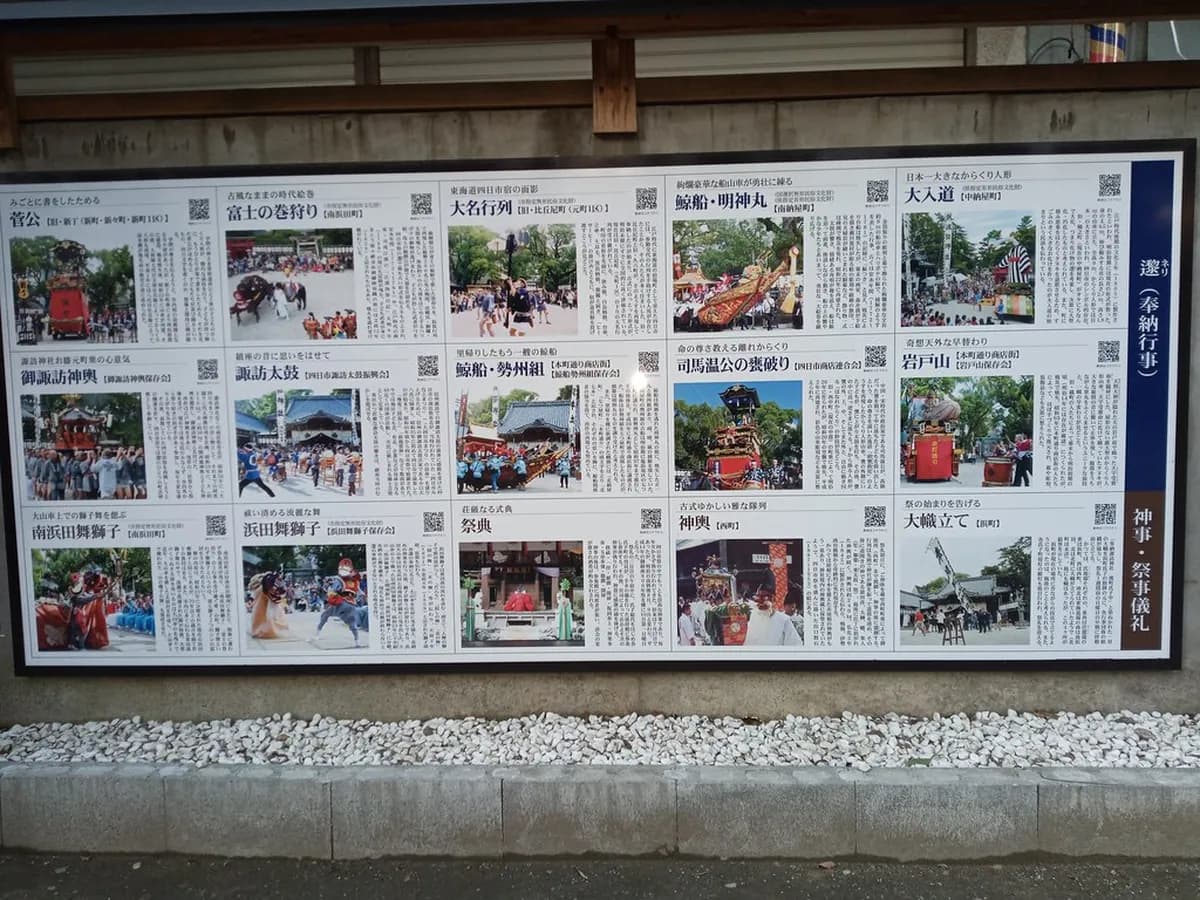
The Nagasaki Kunchi is the shrine's great autumn festival, held on October 7, 8, and 9 every year without exception. It is designated an Important Intangible Folk Cultural Asset of Japan and is widely considered one of the three great festivals of Kyushu. The festival has been performed since at least 1634, just five years after the shrine's founding — an indication of how quickly it became the city's central civic event.
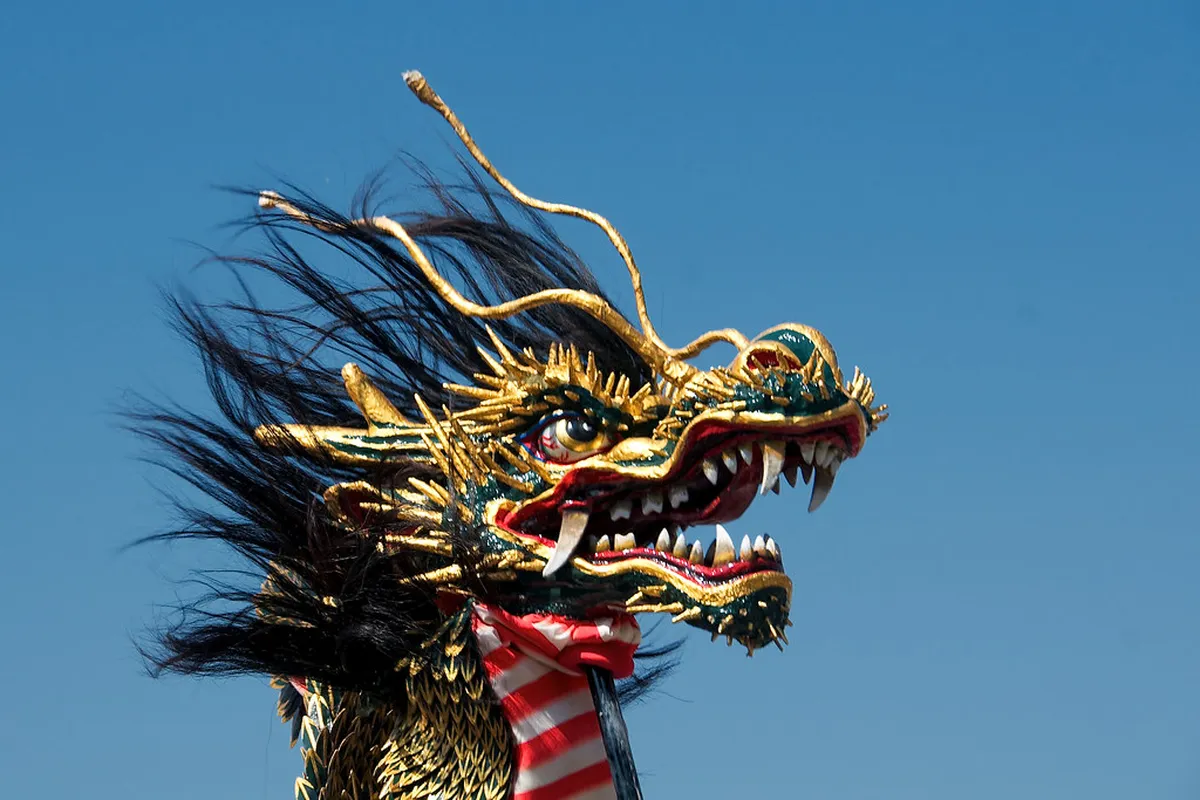
What sets Kunchi apart from other shrine festivals is its explicit blending of Chinese and Dutch influences, a direct reflection of Nagasaki's history as Japan's sole open port during the Edo-period isolation. The performances (called odori) include Chinese dragon dances (jaryuu odori), Dutch-inspired ship floats called Oranda-maru that are carried and swung on ropes by teams of dozens, and lion dances specific to Nagasaki's Chinese community. The groups that perform rotate on a seven-year cycle — each participating neighborhood (machi) performs once every seven years, which means the full programme you see in any given year is unique and will not repeat for another seven.
The main performances take place at the shrine's dance ground (su諏訪shrine odori-ba) at the top of the steps, at Yasaka Shrine further along the route, and at the Ohato venue near the harbour. Viewing at the shrine dance ground requires advance tickets, but large sections of the procession route through central Nagasaki are free to watch from the street. Arriving early on October 7 (the opening day) gives you the best street-level views along the main parade route near Megane Bridge. Hotels in Nagasaki book out months in advance for Kunchi weekend — if you plan to attend in 2026, secure accommodation by August at the latest.
For Nagasaki Kunchi (Oct 7–9), roads around the shrine close to vehicles — always arrive by tram on festival days. Hotels book out months ahead; secure accommodation by August if you plan to attend.
Practical Visitor Tips for 2026
Entry to the shrine grounds is free at all hours. The grounds have no gate and no closing time, so an early-morning visit before 08:00 is entirely possible and often the most peaceful option — the cedar grove at first light, with mist rising from the city below, is a genuinely memorable experience. The amulet desk and shrine office open at 09:00, so if you want to buy omamori or receive a goshuin (hand-stamped shrine seal), plan your visit accordingly. Goshuin cost ¥500.
Entry to the shrine grounds is free 24 hours. If you want to buy omamori amulets or receive a goshuin stamp (¥500), the shrine office opens at 09:00. An early-morning visit before 08:00 is the most peaceful — the cedar grove with mist over the city below is memorable.
Dress moderately for the climb. The steps are uneven stone, not smooth pavement, and the incline is consistent. Flat-soled shoes with grip are more practical than sandals. There is no wheelchair or pram access to the main precinct via the front staircase; the only vehicle access road is used by shrine staff and is not a public route.
Photography is freely permitted throughout the grounds. The shrine office has no specific rules against photography of the buildings, though using a tripod on busy mornings risks blocking the narrow staircase. A tram day pass (¥600 in 2026) makes it easy to combine Suwa Shrine with Dejima and the Glover Garden area in a single day without backtracking.
Watching Nagasaki Kunchi Without a Ticket
Most coverage of the Nagasaki Kunchi festival focuses on the ticketed arena seats at the shrine and Ohato venue. What few guides mention is that a significant portion of the festival happens in the streets for free. On October 7, the opening day, the odori groups make their first public appearance (called Koshiki) at Suwa Shrine, then carry their floats and dragons on a route through the city's shopping arcade and along the riverside near Nakashima-gawa. Positioning yourself along this street procession route — particularly on Hamaguchi-machi dori near the arcade — gives you close-up views of the dragon teams and Oranda-maru floats at street level, often within arm's reach, with no ticket required.
The Niwaka (impromptu street performances) that break out spontaneously during the procession lulls are another free highlight that ticketed arena-goers often miss entirely, because these happen on the parade route rather than at fixed venues. Check the official Nagasaki Kunchi schedule published by the Nagasaki Tourism Association each September for the 2026 street route map and timing — the route shifts slightly between years depending on road works and the rotating performing neighbourhoods.
Nearby Attractions to Combine with Your Visit
Suwa Shrine sits in a part of the city that rewards slow exploration on foot. From the shrine, a fifteen-minute downhill walk brings you to the historic stone arched bridge known as Megane Bridge (Spectacles Bridge), named for the pair of circles its double arches make when reflected in the Nakashima River. This area is particularly photogenic in the morning before tourist groups arrive.
Heading south from the shrine via the tram, Sofukuji Temple offers a vivid contrast — its bright vermilion Chinese-style architecture is unlike any other Buddhist complex in Japan and takes about forty-five minutes to see properly. The combination of Suwa Shrine and Sofukuji in a single morning gives you both the Shinto and Chinese Buddhist layers of Nagasaki's religious history. For a full-day circuit, Dejima, the reconstructed Dutch trading island, closes the historical triangle and takes roughly ninety minutes.
For panoramic views that rival what you see from the shrine staircase, Mount Inasa is accessible by ropeway from the Fuchi-jinja-mae tram stop and is especially worth the trip at night, when Nagasaki's harbour lights reflect off the water in the valley below.
Frequently Asked Questions
Which suwa shrine visitor guide options fit first-time visitors?
First-time visitors should focus on the main hall and the scenic stone staircases. These areas provide the best introduction to the shrine's history and offer great views of the harbor. You can also explore the nearby Nagasaki city center for more cultural highlights.
How much time should you plan for suwa shrine visitor guide?
You should plan to spend about two to three hours exploring the full shrine complex. This allows enough time to climb the steps, visit the sanctuary, and take photos of the architecture. Arriving early in the morning helps you avoid the largest tour groups and midday heat.
Is suwa shrine visitor guide worth including on a short itinerary?
Yes, the shrine is a must-see for anyone interested in Japanese history and spiritual traditions. Its central location makes it easy to combine with other famous sites like the historic Megane Bridge. You will find that the peaceful atmosphere provides a welcome break from your busy travel schedule.
Visiting the Suwa Shrine offers a unique window into the deep traditions and beautiful scenery of this historic city.
From the steep stone steps to the quiet garden paths, every corner of the site tells a story.
We hope this suwa shrine visitor guide helps you plan an unforgettable trip to this sacred mountain.
May your journey through the shrines of Japan be filled with wonder and peaceful moments.
For more Nagasaki planning, see our Nagasaki attractions guide, Suwa Shrine guide, and Nagasaki Kunchi festival guide.