

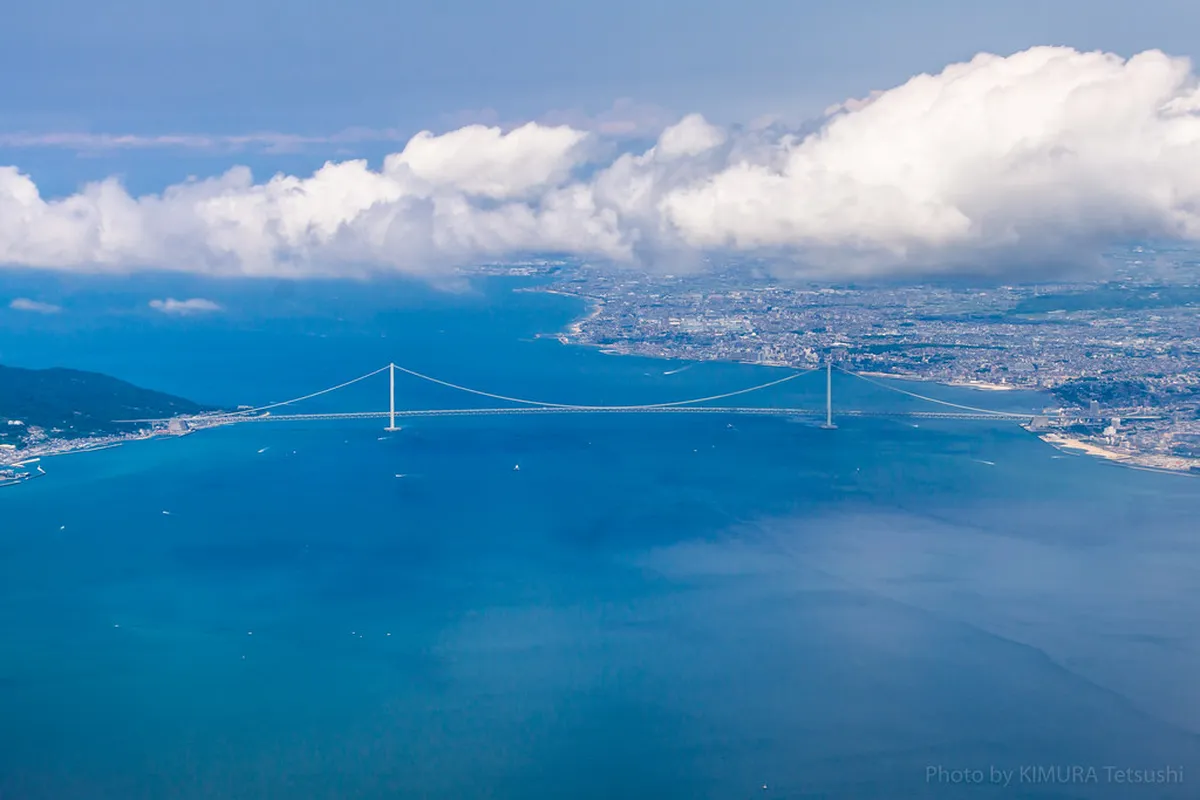
The Akashi Kaikyo Bridge stands as a monumental achievement of modern engineering in the scenic city of Kobe. This massive structure connects the main island of Honshu to Awaji Island across the busy Akashi Strait. Often called the Pearl Bridge, it remains one of the most recognizable landmarks in all of Japan.
Planning a trip to this architectural wonder is easy with a proper Kobe travel itinerary. Visitors can choose between walking along the interior promenade or climbing to the very top of the towers. Each experience offers a different perspective on the scale and beauty of the bridge.
This comprehensive akashi kaikyo bridge visitor guide will help you navigate the various tours and observation decks available. You will learn about the history, engineering secrets, and the best spots for photography. Prepare to witness a structure that redefined what is possible in suspension bridge design.
Overview and Significance of the Akashi Kaikyo Bridge
The bridge serves as a vital link in the Honshu-Shikoku Bridge Project, facilitating travel and trade across the region. Before its completion, travelers relied entirely on ferries to cross the unpredictable waters of the Akashi Strait. Now, thousands of vehicles cross the span daily, supporting the local economy and tourism.
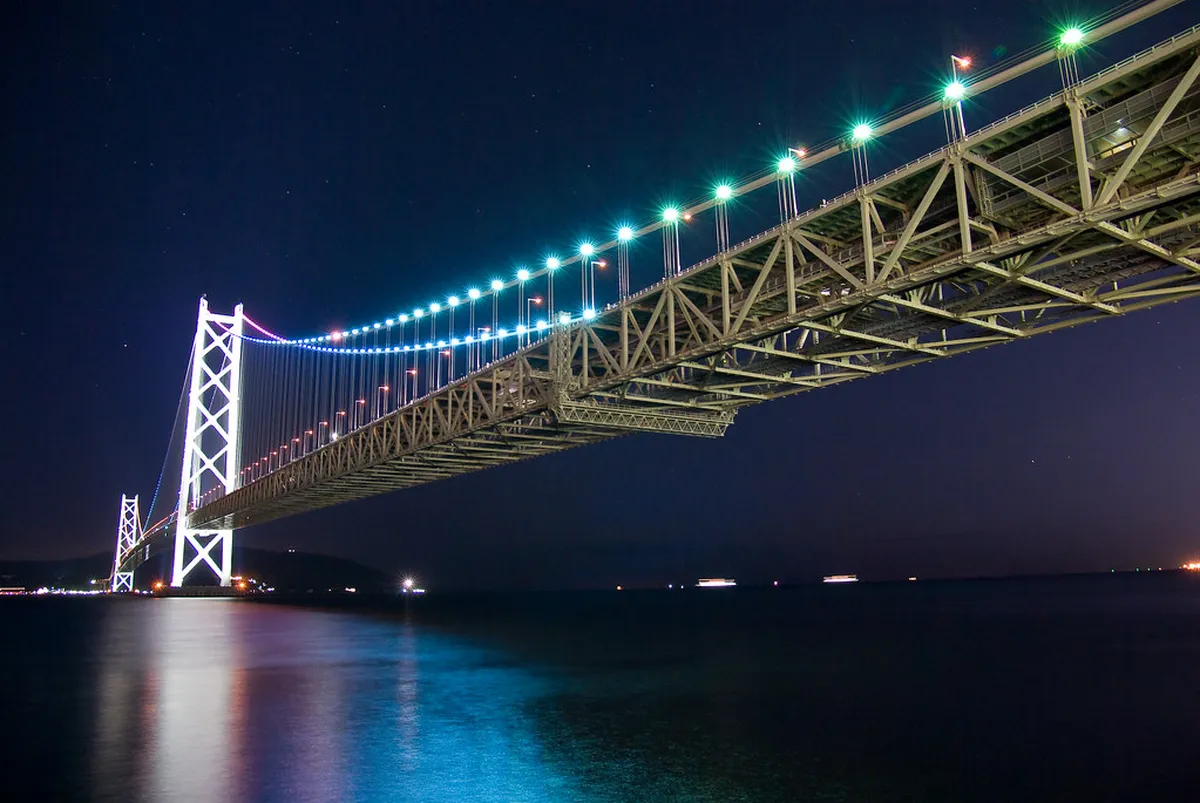
Its elegant design features a suspension system that glows beautifully at night with thousands of colorful lights. These lights change patterns depending on the season or special events happening in the city. Many locals and tourists gather at the nearby parks just to watch the evening light show.
Beyond its utility, the bridge represents the resilience and technical skill of the Japanese people. It was built during a period of rapid development and has survived significant natural challenges. Today, it remains a source of pride for residents of both Kobe and Awaji Island.
Akashi Kaikyo Bridge Facts and Figures
The bridge boasts a total length of approximately 3,911 meters, making it a truly massive sight to behold. Its central span reaches 1,991 meters, which was a world record for over two decades. The two main towers rise 297 meters above the sea level, nearly as high as the Tokyo Tower.
Engineers designed the structure to withstand extreme conditions, including winds up to 286 kilometers per hour. It can also survive major earthquakes with a magnitude of 8.5 on the Richter scale. These safety features are essential given the bridge's location in a seismically active zone.
The construction required about 181,000 tons of steel and 1.4 million cubic meters of concrete. Massive cables support the roadway, each containing thousands of high-strength steel wires bundled together. These technical details highlight the incredible scale of the resources needed for such a project.
Why the Bridge Was Built: History and the 1955 Tragedy
The decision to build a permanent crossing came after a devastating maritime accident in 1955. Two ferries, including the Shiun Maru, collided in thick fog, resulting in the deaths of 168 people. This tragedy shocked the nation and sparked a public demand for a safer way to cross the strait.
Initial plans faced decades of delays due to the technical difficulty of building in deep, fast-moving water. The Akashi Strait is about 110 meters deep with currents that move at high speeds. Engineers had to invent new construction methods to place the foundations securely on the seabed.
Construction finally began in 1988 and took ten years to complete before the official opening in 1998. The project successfully replaced the dangerous ferry routes with a reliable and modern highway system. It stands today as a memorial to those lost and a testament to improved safety.
Engineering Marvels: Overcoming the Akashi Strait
One of the most incredible stories from the construction involves the Great Hanshin Earthquake of 1995. While the bridge was still under construction, the massive tremor moved the two towers further apart. The central span actually stretched by about one meter during the seismic event.
Engineers quickly assessed the damage and found that the structure remained perfectly sound despite the movement. They simply adjusted the design of the remaining sections to accommodate the new, longer distance. This event proved the bridge's earthquake-resistant design worked even before it was finished.
The bridge also uses a unique truss system to manage the intense wind pressure from the Seto Inland Sea. This open design allows wind to pass through the structure rather than pushing against it. This prevents the swaying that has caused other large bridges to fail in the past.
How to Enjoy the Maiko Marine Promenade
The Maiko Marine Promenade provides an accessible way for everyone to experience the bridge. This circuit-style walkway is located about 50 meters above the water, directly under the bridge roadway. It offers a unique perspective of the massive steel beams and the rushing sea below.
Thrill-seekers will enjoy the section with glass floor panels that look straight down into the Akashi Strait. It feels like walking on air as the waves crash against the bridge foundations far beneath you. The promenade also includes an observation lounge with comfortable seating and informative displays.
Entrance to the promenade is affordable and does not require a prior reservation for small groups. It is an excellent option for families or those who prefer a less strenuous activity. You can spend about an hour exploring the views and learning about the bridge's maintenance.
The "Bridge World" Tour: Climbing to the 98th Floor
The Bridge World tour is the ultimate experience for anyone seeking a bird's-eye view of the region. Guided by actual bridge engineers, participants walk along the maintenance paths usually closed to the public. You will eventually take a high-speed elevator to the top of the 297-meter tower.
From the 98th floor, you can see all the way to Mount Rokko and the distant skyline of Osaka. The panoramic view of the Seto Inland Sea is unlike anything else in Japan. Tours are very popular, so booking several weeks in advance is highly recommended.
Safety is a top priority for this tour, and all participants must wear provided helmets and vests. You must also sign a waiver and follow strict rules regarding loose items and footwear. The climb involves some walking on grated metal paths, so comfortable shoes are a must.
Akashi Dwarfs the Golden Gate: A Global Comparison
For many years, the Akashi Kaikyo Bridge was the longest suspension bridge in the world. It significantly surpassed the famous Golden Gate Bridge in San Francisco in both length and tower height. The scale of the Japanese structure reflects the advancements in engineering since the 1930s.
However, the 1915 Çanakkale Bridge in Turkey officially took the title of the world's longest span in 2022. While the Akashi Kaikyo is now the second longest, it remains a superior feat of engineering for its time. It continues to attract engineering students and bridge enthusiasts from all over the globe.
Comparing these giants helps travelers appreciate the sheer magnitude of the Pearl Bridge when they stand beneath it. The central span alone is nearly two kilometers long, which is difficult to grasp without seeing it in person. It remains a crowning jewel of the Kansai region's infrastructure.
- 1915 Çanakkale Bridge (Turkey)
- Span: 2,023 meters
- Record: World's Longest
- Completed: 2022
- Akashi Kaikyo Bridge (Japan)
- Span: 1,991 meters
- Record: Second Longest
- Completed: 1998
- Golden Gate Bridge (USA)
- Span: 1,280 meters
- Record: Former Longest
- Completed: 1937
Best Viewpoints from Kobe and Awaji Island
Maiko Park on the Kobe side offers the most classic views of the bridge towers. You can stroll through the park's greenery and find various angles for the perfect photograph. It is also home to the Bridge Exhibition Center, which features detailed models and technical history.
For a different perspective, head to Kobe Harborland to see the bridge in the distance at night. The bridge's illumination reflects off the water, creating a romantic atmosphere perfect for an evening walk. You can also see the bridge from the observation deck of the nearby Port Tower.
Crossing over to Awaji Island provides a stunning view of the bridge stretching back toward the mainland. The Awaji Service Area is a popular stop for drivers to enjoy a meal with a view. From here, the bridge looks like a giant silver ribbon connecting the two islands.
Practical Akashi Kaikyo Bridge Visitor Guide Details
Reaching the bridge from central Kobe is simple and takes about 25 minutes by train. Take the JR Sanyo Line from Sannomiya Station and get off at Maiko Station. The bridge entrance is just a short, five-minute walk from the station exit.
If you have extra time, consider combining your visit with a trip to Arima Onsen for a relaxing soak. Many travelers visit the bridge in the morning and then head to the hot springs in the afternoon. This makes for a diverse and fulfilling day trip within the Hyogo prefecture.
Check the weather forecast before you go, as the promenade and tours can close during high winds. The best time to visit is during the spring or autumn for clear skies and mild temperatures. Always bring a jacket, as the wind off the water can feel quite chilly even in summer.
- Maiko Marine Promenade
- Cost: ~300 Yen
- Time: 1 hour
- Best for: Families
- Bridge World Tour
- Cost: ~5,000 Yen
- Time: 3 hours
- Best for: Thrill-seekers
- Maiko Park Grounds
- Cost: Free
- Time: 30 minutes
- Best for: Photographers
Meeting Wataru: The Official Bridge Mascot
No major Japanese landmark is complete without a cute mascot, and the bridge has Wataru. This round, green character represents the bridge and the joy of traveling between the islands. You will see Wataru on signs, brochures, and even as a giant statue in the visitor center.
Kids love taking photos with the mascot, and you can find various Wataru-themed souvenirs in the gift shops. These items make for great mementos of your visit to the world's second-longest suspension bridge. The mascot helps make the engineering marvel feel more approachable and fun for younger visitors.
Wataru often makes appearances at local festivals and events promoting tourism in the Seto Inland Sea area. His design is simple yet iconic, much like the bridge he represents. Be sure to look for him during your visit to add a touch of local charm to your trip.
Frequently Asked Questions
Can you walk across the whole bridge?
No, you cannot walk across the entire length of the bridge on foot. Pedestrians are only allowed on the Maiko Marine Promenade or as part of the official Bridge World tour. For more details on city travel, check our Kobe guide for transport options.
Is the bridge open during typhoons?
The bridge remains open to vehicles during most weather, but the promenade and towers close during typhoons. High winds and heavy rain make the observation areas unsafe for visitors. Always check the official website for real-time updates during the storm season in late summer.
How long is the Bridge World tour?
The Bridge World tour typically lasts between 2.5 and 3 hours from start to finish. This includes the safety briefing, the walk along the maintenance path, and the elevator ride. It is a comprehensive experience that requires a moderate level of physical fitness and stamina.
Are there any age or height restrictions for the tour?
Yes, participants for the Bridge World tour must be at least junior high school age or older. There are also requirements regarding physical health, as you must be able to walk long distances. These rules ensure that everyone can safely navigate the narrow maintenance paths and stairs.
The Akashi Kaikyo Bridge is much more than just a way to cross the water. It is a symbol of engineering triumph and a beautiful part of the Kobe landscape. Whether you view it from a distance or climb its towers, the experience is truly unforgettable.
Make sure to include a stop at the Pearl Bridge during your next journey through Japan. From the glass floors of the promenade to the heights of the 98th floor, there is something for everyone. This akashi kaikyo bridge visitor guide provides all the tools you need for a successful adventure.
As you stand beneath the massive cables, take a moment to appreciate the history and skill involved. This structure will continue to inspire travelers and engineers for many generations to come. Enjoy your visit to one of the world's most impressive architectural wonders.
For official details, visit the Akashi Kaikyo Bridge official site.
Planning a Kobe trip? See our things to do in Kobe guide, map out a Kobe itinerary, or read more in our Osaka to Kobe day trip.


