
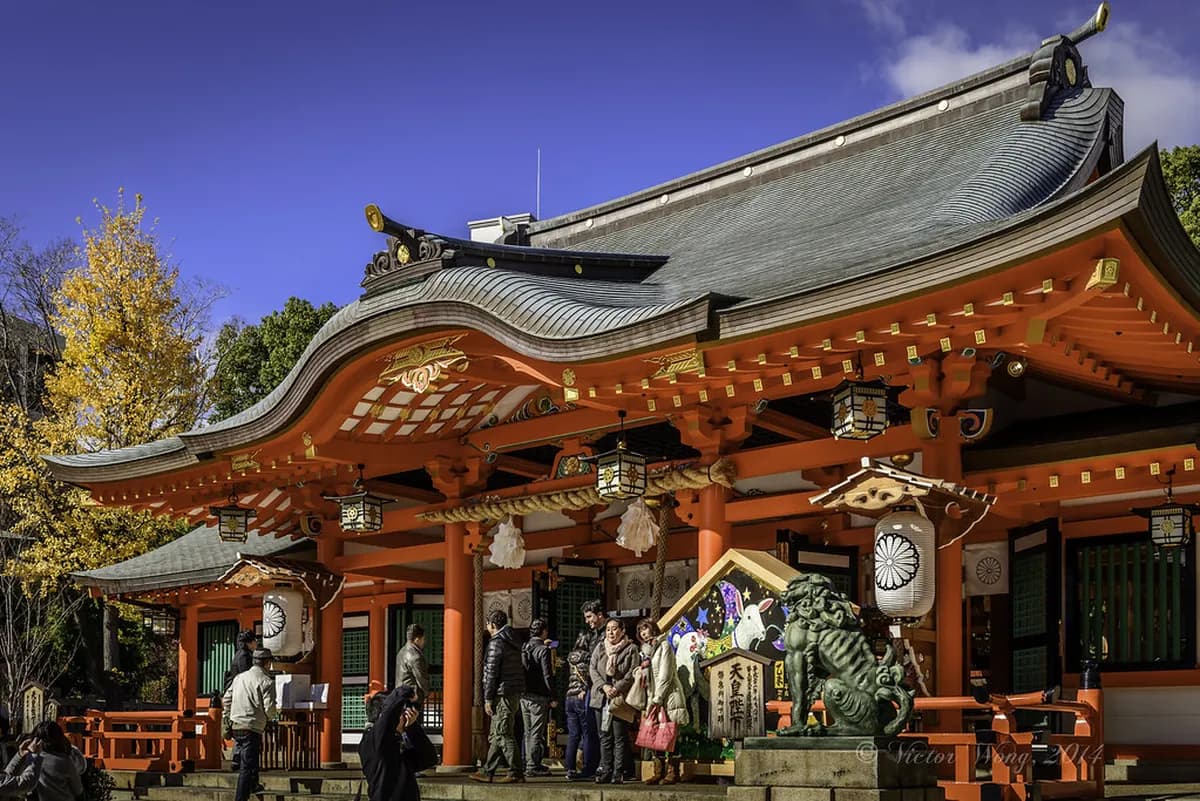
Ikuta Shrine stands as a vibrant symbol of resilience in the heart of Kobe. This ancient site offers a peaceful escape from the bustling city streets. Visitors discover a rich history that dates back over 1,800 years.
It remains one of the most significant Shinto landmarks in the region. Exploring the grounds reveals beautiful architecture and a hidden forest sanctuary. This guide helps you navigate every sacred corner of the shrine.
Whether you seek spiritual blessings or historical insights, this site delivers. The shrine's central location makes it an easy addition to any Kobe travel guide itinerary. Prepare to experience a unique blend of ancient tradition and modern city life.
The History of Ikuta Shrine and the Origin of Kobe
The story of this sacred site begins in 201 AD with Empress Jingu. Legend says she established the shrine upon returning from a naval expedition. It originally sat in a different location before moving to its current home in 799 AD. This long history makes it one of the oldest active shrines in Japan.
The shrine's name actually provided the foundation for the city's modern identity. In 806 AD, the imperial court assigned 44 households to maintain the grounds. These households were known as 'Kanbe,' a term that eventually evolved into 'Kobe.' This deep etymological link connects every resident to the shrine's legacy.
Resilience defines the spirit of this location throughout the centuries. The site survived the Great Hanshin Earthquake of 1995 and heavy wartime bombings. Locals view the shrine as a protector that always rises from the ashes. Walking through the gates feels like stepping into a living monument of survival.
Wakahirume-no-mikoto is the primary deity enshrined within these vermillion walls. She is celebrated as a goddess of weaving and creative energy. Many people visit specifically to pray for successful relationships and matchmaking. Her influence extends to the growth and prosperity of the surrounding community.
Essential Highlights and Architecture to See
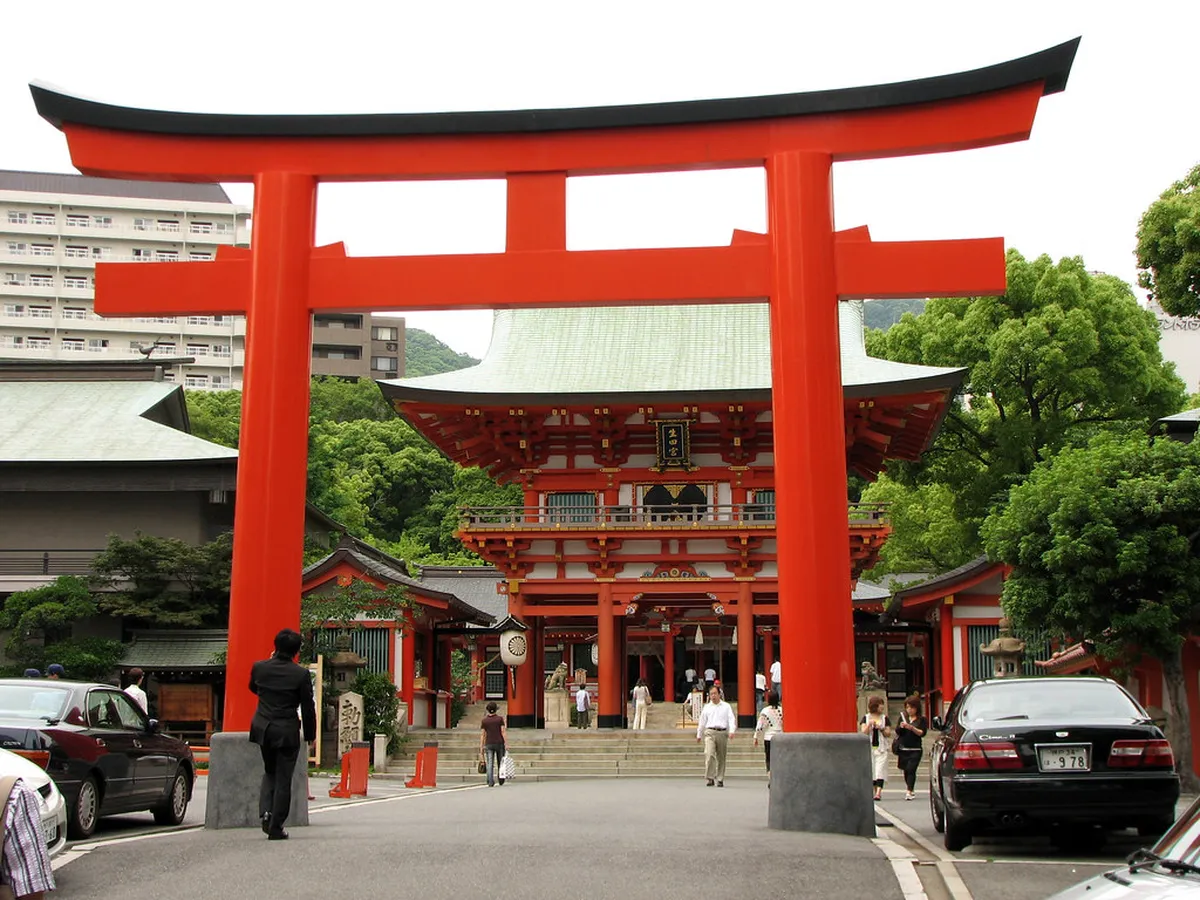
The Romon Gate serves as a grand entrance to the inner sanctuary. Its bright vermillion color contrasts beautifully against the surrounding greenery. Photographers often wait for the perfect light to capture its towering presence. This gate symbolizes the transition from the secular world to sacred ground.
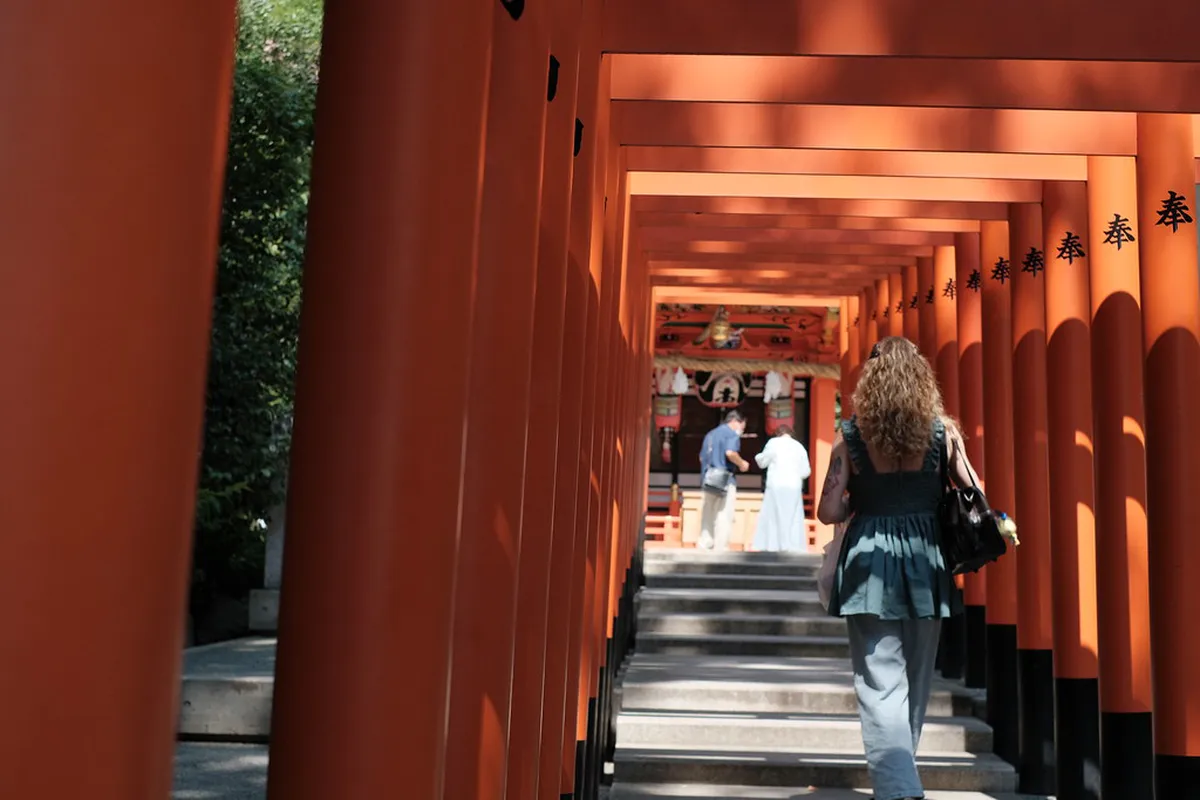
Inside the main courtyard, the Honden or main hall commands respect. The architecture reflects traditional Shinto styles with elegant wooden details. Visitors should observe the quiet atmosphere while approaching the prayer area. This building houses the spirit of the deity and serves as the ritual heart.
Several smaller sub-shrines dot the landscape around the main complex. Each one honors different spirits responsible for health, business, or safety. You might see locals stopping at these smaller altars for quick daily prayers. Taking time to explore these corners reveals the depth of Shinto practice.
- Kobe's Three Major Shrines Comparison
- Ikuta Shrine: Focus on matchmaking and love
- Minatogawa Shrine: Focus on loyalty and success
- Nagata Shrine: Focus on business and industry
The Sacred Ikuta Forest: An Urban Oasis
Directly behind the main buildings lies Ikuta no Mori, a dense forest sanctuary. This wooded area provides a stark contrast to the concrete buildings outside. Ancient trees here have stood for hundreds of years despite urban development. The air feels noticeably cooler and fresher as you enter the shade.
The forest played a role in historical battles during the Genpei War. Today, it serves as a place for quiet reflection and meditation. Meandering paths lead visitors past moss-covered stones and small streams. It is a rare example of a primary forest preserved in a city center.
A small pond within the forest holds deep spiritual significance. The water reflects the overhead canopy, creating a shimmering green mirror. It serves as the primary location for the shrine's most famous ritual. Finding a bench here allows for a moment of peace during a busy day.
Mizu-mikuji: How to Try the Water Fortune Ritual
The water fortune ritual is a must-do experience for many travelers. Unlike standard paper fortunes, these slips appear blank when you buy them. The process adds an element of mystery and magic to your visit. It is especially popular with those seeking guidance on their love lives.
Start by visiting the amulet office near the main shrine building. Purchase a mizu-mikuji slip for approximately 300 yen from the staff. The staff can often provide basic instructions in English if needed. Keep the paper dry until you reach the designated forest pond.
Walk into the Ikuta Forest and locate the small ritual pond. Carefully place your paper slip onto the surface of the water. Words will slowly emerge on the paper to reveal your current fortune. The text usually includes advice on romance, health, and travel plans.
Once the message is clear, you can take a photo of the result. Traditional custom suggests tying the paper to a nearby rack if the fortune is bad. Many visitors keep the slips as a unique souvenir of their time in Kobe. The ritual offers a tactile connection to the shrine's spiritual traditions.
Practical Visitor Info: Access, Hours, and Fees
Reaching the shrine is very convenient for those using public transport. The entrance is a short 10-minute walk from Sannomiya Station. Follow the signs leading north from the station's main mountain-side exit. Check the Google Maps Location for Ikuta Shrine for exact walking paths.
The shrine grounds typically open at 7:00 AM every day. Closing times vary slightly by season but usually align with sunset. Plan to arrive early in the morning to avoid the largest crowds. Evening visits offer a different, more somber atmosphere as lights flicker on.
Entry to the main shrine grounds and forest is completely free. This makes it one of the most accessible cultural sites in the city. You only need money if you wish to buy amulets or try the water fortune. Budget about 30 to 60 minutes for a comprehensive walk through the site.
Best Times to Visit for Photography and Festivals
Spring and autumn offer the most comfortable weather for exploring. The forest foliage turns vibrant colors during the late November period. Morning light creates the best conditions for photographing the vermillion gates. Shadows in the forest pond add depth to your ritual photos.
Major festivals bring the shrine to life with music and traditional dance. The Setsubun festival in February features famous guests throwing beans for luck. New Year's celebrations attract thousands of locals for their first prayer. Consult the Feel KOBE | Official Travel Guide of Kobe City for specific event dates.
Weekdays are generally much quieter than weekends or public holidays. A Tuesday or Wednesday morning provides the most peaceful experience. Rainy days add a moody, mystical quality to the Ikuta Forest. The wet stones and dripping leaves enhance the sense of an urban oasis.
Nearby Attractions: Extending Your Kobe Itinerary
After your visit, walk north to reach the Kitano Ijinkan district. This area features historic western-style houses with unique architectural flair. The uphill walk offers great views back down toward the harbor. It provides a fascinating contrast to the traditional Japanese shrine style.
Hungry travelers should head south toward the Nankin-machi Chinatown area. You can find delicious street food and vibrant market stalls there. The walk from the shrine takes roughly 15 to 20 minutes. It is the perfect spot for a casual lunch or snack.
Finish your day by visiting the waterfront at Kobe Harborland. The area lights up beautifully after dark with views of the port. You can enjoy shopping, dining, and a ride on the ferris wheel. This combination of culture and modern leisure makes for a perfect day.
If you have more time, consider taking the cable car up Mount Rokko. The mountain offers panoramic views of the entire bay area. Alternatively, relax in the famous hot springs of Arima Onsen nearby. Kobe offers a diverse range of activities within a very small radius.
Frequently Asked Questions
What are the Three Major Shrines of Kobe?
The Three Major Shrines of Kobe are Ikuta Shrine, Minatogawa Shrine, and Nagata Shrine. Each site honors a different deity and offers unique blessings. Visitors often visit all three to ensure luck in love, success, and business while exploring the city's cultural heritage.
How do you do the water fortune at Ikuta Shrine?
First, purchase a blank mizu-mikuji slip from the shrine office for 300 yen. Take the paper to the small pond inside the Ikuta Forest. Gently place the slip on the water's surface. Your fortune will slowly appear in written text as the paper becomes wet.
Is Ikuta Shrine free to enter?
Yes, admission to Ikuta Shrine and the Ikuta Forest is free for all visitors. You do not need a ticket to walk through the main gates or explore the wooded sanctuary. Small fees only apply if you wish to purchase amulets, charms, or fortune slips.
How far is Ikuta Shrine from Sannomiya Station?
The shrine is located approximately 500 meters north of Sannomiya Station. It takes about 10 minutes to walk there at a leisurely pace. The route is straightforward and passes through several interesting shopping streets filled with local boutiques and cafes.
What is the history of Ikuta Shrine?
Founded in 201 AD by Empress Jingu, the shrine has a history spanning over 1,800 years. It is famous for its resilience, having survived floods, war, and the 1995 earthquake. The shrine is also the namesake of Kobe city, originating from the 'Kanbe' households assigned to it.
Ikuta Shrine is more than just a historical landmark in Kobe. It represents the enduring spirit and identity of the city and its people. A visit here provides both spiritual refreshment and a deep connection to the past.
From the sacred forest to the unique water fortunes, every element tells a story. Make sure to include this urban oasis in your next trip to Hyogo. The shrine's gates are always open to welcome travelers seeking peace and luck.
For official details, visit the Ikuta Shrine official site and Ikuta Shrine on Wikipedia.
Planning a Kobe trip? See our things to do in Kobe guide, map out a Kobe itinerary, or read more in our free things to do in Kobe.


