
Kobe Animal Kingdom offers a unique experience where guests can interact closely with many different species. This park sits on Port Island and features beautiful indoor gardens filled with colorful flowers. Most visitors enjoy the immersive environment that feels more like a jungle than a traditional zoo. It serves as a perfect escape for families and nature lovers visiting the city.
The facility is famous for its massive greenhouses that allow for year-round exploration regardless of the weather. You will find animals roaming in open habitats that mimic their natural surroundings in the wild. This design makes it one of the most engaging wildlife attractions in the entire Kansai region. Our guide will help you navigate the exhibits and find the best interactive moments.
What is Kobe Animal Kingdom?
This attraction is a massive floral and animal theme park located in the heart of Kobe. It focuses on creating a space where humans and animals can coexist without heavy iron bars. Visitors can walk through lush landscapes while exotic birds fly freely above their heads. The park provides a sensory experience with fragrant blooms and diverse wildlife around every corner.
Compared to the nearby Oji Zoo, this park emphasizes interactive encounters and indoor comfort for guests. While Oji Zoo offers a classic experience, the Animal Kingdom provides weather-proof fun inside massive greenhouses. You might find that a trip to Mount Rokko pairs well with this nature-focused itinerary. The park design allows for better photography and closer views of rare creatures like the red panda.
The collection includes everything from small mammals to large birds and reptiles from various continents. Each zone is carefully maintained to provide a healthy environment for the resident animals. Staff members are often nearby to share insights about the behavior and care of the species. This educational aspect makes the park a favorite for school trips and curious travelers alike.
Location and Access via Port Liner
Getting to the park is simple when you use the automated Port Liner train from Sannomiya Station. This elevated train offers scenic views of the harbor as you travel toward Port Island. The journey takes about 14 minutes and runs frequently throughout the day for your convenience. Travelers should look for trains heading toward Kobe Airport to reach the correct destination.
One important detail involves the specific station name which recently changed to Keisankagaku-center Station. It was previously known as K Computer Mae, so do not let old maps confuse your journey. The park entrance sits right next to the station exit for immediate access after you arrive. This makes it one of the most convenient attractions in Kobe for international tourists.
If you are coming from Osaka, take the JR or Hankyu line to Sannomiya first. Transferring to the Port Liner is well-marked with English signage throughout the station complex. The total travel time from central Osaka is usually less than one hour for most visitors. Consider using a rechargeable IC card like Icoca or Suica for seamless fare payments.
Ticket Prices and Opening Hours
General admission for adults typically costs around 2,200 yen for a full day of exploration. Children and seniors receive discounted rates to make family trips more affordable for everyone visiting. You should check the Kobe Animal Kingdom Official Site for the most current 2026 pricing. Buying tickets in advance can sometimes help you skip the long entry lines during peak seasons.
The park usually opens at 10:00 AM and closes around 5:00 PM on most weekdays. Weekend hours often extend slightly later to accommodate the larger crowds of local families and tourists. Note that the park typically closes on Thursdays, except during major Japanese public holidays or school breaks. Always verify the calendar before you depart to ensure the gates are open for your visit.
Budget-conscious travelers might find better value by visiting during the quieter morning hours on a weekday. Combining your visit with a trip to Arima Onsen later in the day is a popular choice. Groups of 15 or more people can often apply for a small discount on their admission tickets. Keep your ticket stub as it may be required for re-entry if you need to step out.
Exploring the Inside Park Exhibits
The Inside Park consists of several climate-controlled greenhouses that stay comfortable regardless of the outside temperature. You can walk through the Tropical Forest to see lemurs and colorful toucans flying directly overhead. This area features lush vegetation and winding paths that make you feel like a jungle explorer. It is a great spot to see the Ikuta Shrine area later if you enjoy tranquil settings.
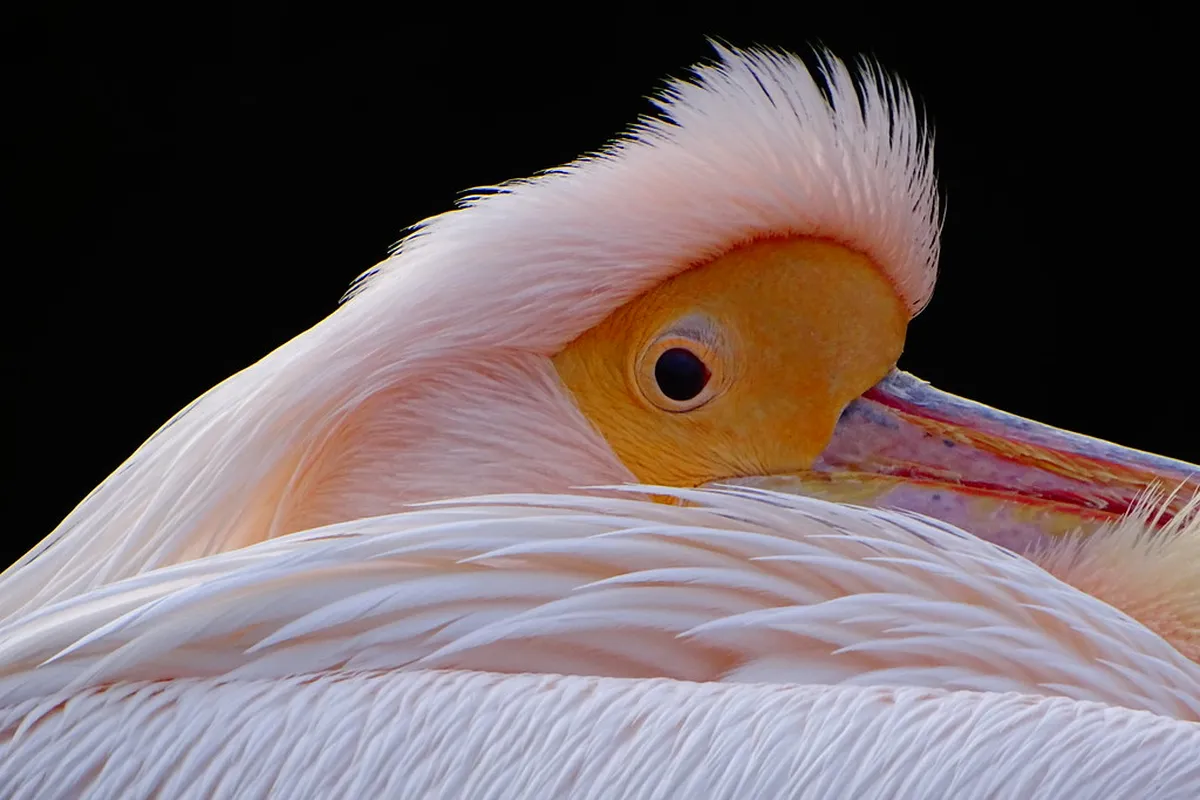
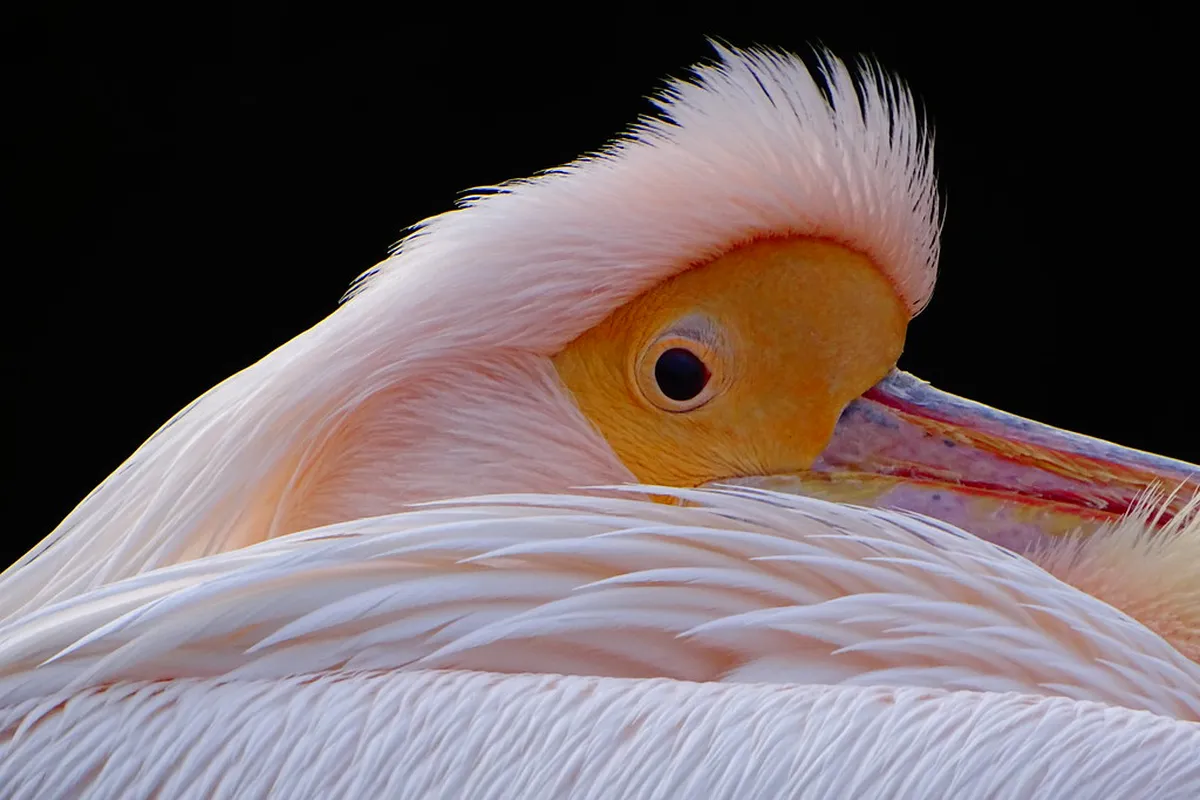
Make sure to visit the African Wetland area to find the famous Shoebill bird named Big Bill. This iconic bird is known for standing perfectly still like a statue for long periods of time. Many photographers spend hours trying to catch a rare movement from this prehistoric-looking creature. The wetland also houses graceful pelicans and various species of African waterfowl in a large pond.
Other indoor highlights include the Aqua Valley where you can observe playful seals and swimming penguins. The Small Animal House allows for close views of fennec foxes and tiny marmosets. Each exhibit is designed to be accessible for visitors using strollers or wheelchairs. The indoor nature of these displays makes the park Kobe's best rainy-day activity for all ages.
- The Tropical Forest Adventure Zone
- Type: Indoor greenhouse
- Animals: Lemurs and toucans
- Experience: Immersive walking path
- Best for: Bird lovers
- African Wetland and Shoebill Home
- Type: Indoor wetland
- Icon: Big Bill Shoebill
- Animals: Pelicans and ducks
- Feature: High glass ceilings
The Outside Park and Interactive Zones
Stepping into the Outside Park reveals larger enclosures for animals that enjoy the fresh air and sunshine. You can visit the Pelican Lagoon to watch these large birds splash and socialize in the water. This section of the park feels much more spacious and offers views of the surrounding city skyline. It provides a nice contrast to the humid environment of the indoor greenhouses found nearby.
The interactive zones are a highlight for many visitors who want to get close to the animals. You can participate in capybara feeding sessions for a small additional fee throughout the day. These gentle giants are very friendly and often enjoy a good scratch behind their large ears. After your visit, exploring Nankin-machi for dinner is a great way to end your day.
Nearby, you might also find giant tortoises slowly wandering through their designated grassy areas in the sun. The kangaroo and deer area allows visitors to walk among the animals in a safe environment. Staff members provide specific food for each species to ensure they maintain a healthy and balanced diet. These hands-on experiences create lasting memories for children and adults who love animals.
- The Spacious Pelican Lagoon Area
- Type: Outdoor water exhibit
- Animals: Large pelicans
- Activity: Bird watching
- Vibe: Open and airy
- Capybara and Tortoise Interaction Corner
- Type: Petting zone
- Animals: Capybaras and tortoises
- Cost: 100 yen snacks
- Best for: Families
Animal Shows and Feeding Schedules
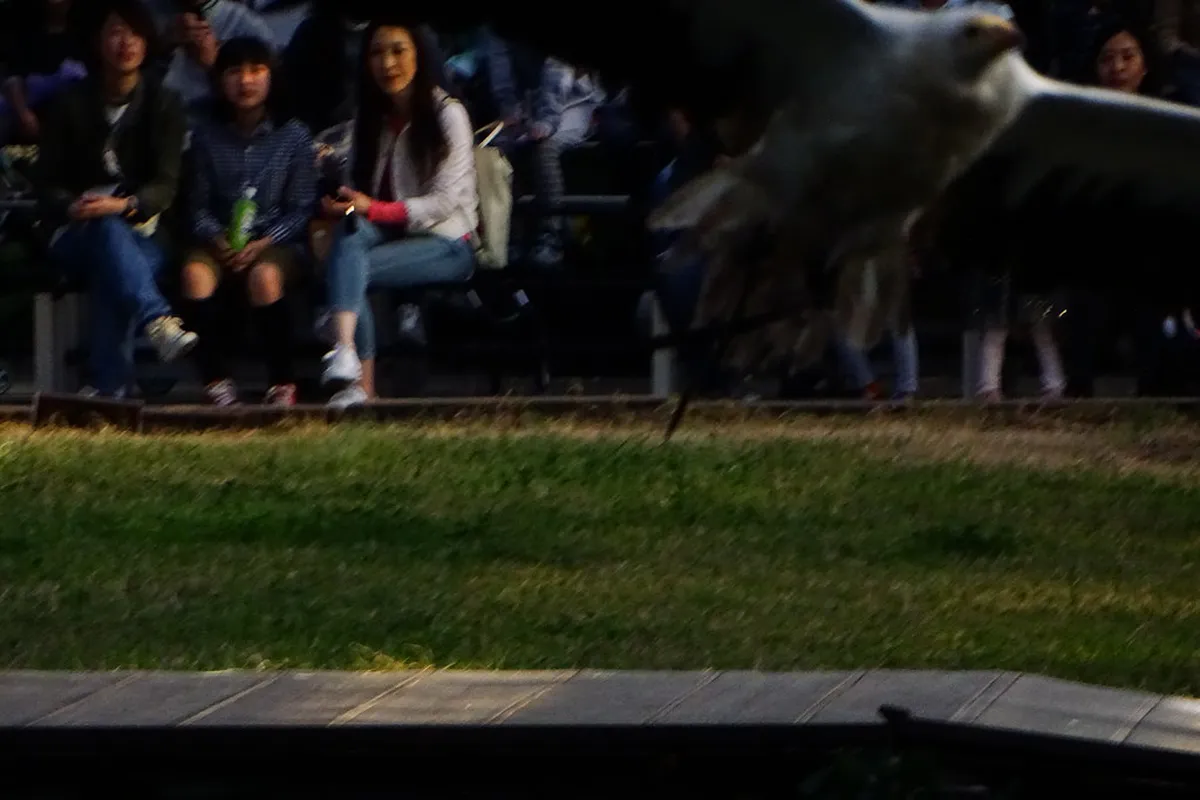
Watching the professional animal shows is a must for any complete kobe animal kingdom visitor guide experience. The bird performance features hawks and owls flying low over the heads of the seated audience. This display demonstrates the natural hunting skills and intelligence of these impressive birds of prey. Check the Animals & Show Times for the daily performance schedule.
Feeding times are scheduled throughout the day for various animals like seals and penguins in their pools. These sessions allow keepers to share interesting facts about animal diets and local conservation efforts. You should arrive at the exhibit ten minutes early to secure a good viewing spot for children. The schedule can change seasonally, so grab a printed map at the main entrance upon arrival.
The Working Dog Show is another popular event that highlights the coordination between dogs and their handlers. You can see sheepdogs herding animals with incredible precision and speed in the outdoor arena. Most shows last about 15 to 20 minutes, making them easy to fit into your busy schedule. Be sure to check for any cancellations due to high winds or extreme weather conditions.
Dining Options and Gift Shop Finds
Several dining options exist within the park, ranging from casual snack bars to a large buffet restaurant. The Flower Forest restaurant offers a unique setting where you dine under a ceiling of hanging plants. You can find kid-friendly meals and local Japanese favorites like curry or hot ramen bowls. It is a relaxing place to take a break after exploring the many exhibits in Kobe.
Before leaving, browse the gift shop for unique souvenirs that you cannot find anywhere else in Japan. They sell adorable lemur-themed phone cases and specialized animal stationery for school or office use. You might also find plush toys that look exactly like Big Bill the famous Shoebill bird. These items make great gifts for friends or wonderful memories of your animal kingdom trip.
The gift shop also stocks local snacks and sweets that feature animal-themed packaging for visitors. Most major credit cards are accepted for purchases, though carrying some cash is always a good idea. The shop is located near the exit, so you can pick up items without carrying them all day. Many visitors find the stationery section particularly charming with its hand-drawn animal illustrations.
Practical Tips for First-Time Visitors
One hidden gem in the park is the Doctor Fish spa located near the indoor exhibits. For only 300 yen, you can soak your feet while tiny fish nibble away dead skin cells. It is a ticklish but refreshing experience that many travelers find surprisingly relaxing after walking. This activity provides a fun break for tired feet before heading to Kobe Harborland.
Photography in the greenhouses can be tricky due to the high humidity and glass barriers in some areas. Use a lens cloth to wipe away condensation that often forms when you first enter the building. Aim for natural light near the roof panels to get the best shots of the animals. Avoiding the use of flash will keep the animals calm and produce much better colors.
Wear comfortable walking shoes as you will be on your feet for several hours during the tour. The park is quite large, and there are many stairs and ramps to navigate between different zones. Consider bringing a small portable fan if you are visiting during the humid summer months in Japan. Staying hydrated is important, and vending machines are conveniently located throughout the entire park.
Frequently Asked Questions
Is Kobe Animal Kingdom worth it for adults?
Yes, Kobe Animal Kingdom is highly recommended for adults who enjoy nature and photography. The immersive greenhouses and rare species like the Shoebill offer a sophisticated experience beyond a typical zoo. Many adults also appreciate the relaxing atmosphere of the hanging flower displays and the unique Doctor Fish spa.
How do I get to Kobe Animal Kingdom from Sannomiya?
You can reach the park by taking the Port Liner train from Sannomiya Station toward Kobe Airport. The ride takes approximately 14 minutes and costs about 290 yen for a one-way adult ticket. Get off at Keisankagaku-center Station, which is located directly next to the main entrance of the park.
Can you feed the animals at Kobe Animal Kingdom?
Visitors can feed several animals including capybaras, penguins, and giant tortoises for a small fee. Feeding cups are usually available at the specific animal exhibits for around 100 to 200 yen. These interactive sessions are supervised by staff to ensure the safety of both the guests and the animals.
How much time do you need at Kobe Animal Kingdom?
Most visitors spend between three to four hours exploring both the indoor and outdoor sections. This timeframe allows you to see the major animal shows and participate in a few feeding sessions. If you plan to eat lunch or try the foot spa, consider staying for five hours total.
Is Kobe Animal Kingdom indoors or outdoors?
The park features both indoor and outdoor areas, but the majority of exhibits are inside large greenhouses. This makes it an excellent destination for rainy days or during the cold winter months in Kobe. The outdoor section includes the Pelican Lagoon and larger animal enclosures like those for kangaroos.
Kobe Animal Kingdom stands out as a premier destination for anyone visiting the Kansai region in Japan. Its blend of beautiful botanical displays and interactive animal encounters creates a memorable day for all ages. Whether you want to see the Shoebill or feed a capybara, this park delivers a high-quality experience. We hope this visitor guide helps you plan an efficient and enjoyable trip to this unique attraction.
Plan your visit early to make the most of the daily shows and feeding schedules offered. Using the Port Liner makes the trip from the city center quick and very efficient for travelers. This attraction remains a top choice for a fun and educational outing in the city of Kobe. Enjoy your time exploring the lush greenhouses and meeting the many wonderful animals that live there.
To verify current details, consult the Kobe Animal Kingdom on Wikipedia.
Planning a Kobe trip? See our things to do in Kobe guide, map out a Kobe itinerary, or read more in our things to do in Kobe with kids.


