Tokushima Ramen Styles and Restaurant Guide
A 2026 Tokushima ramen guide to the brown, white, and yellow broth styles, top shops from Inotani to Todai, egg-and-rice etiquette, and prices in yen.
On this page
Last updated August 2026, this Tokushima ramen guide covers three broth styles: brown, white, and yellow. Tokushima ramen pairs tonkotsu-shoyu broth with sweet-savory pork belly, not standard chashu, plus a raw egg cracked in table-side. The following sections cover which style suits your taste, which shops are worth a queue, and the etiquette locals use with rice and egg.
What Makes Tokushima Ramen Different From Standard Shikoku Noodles
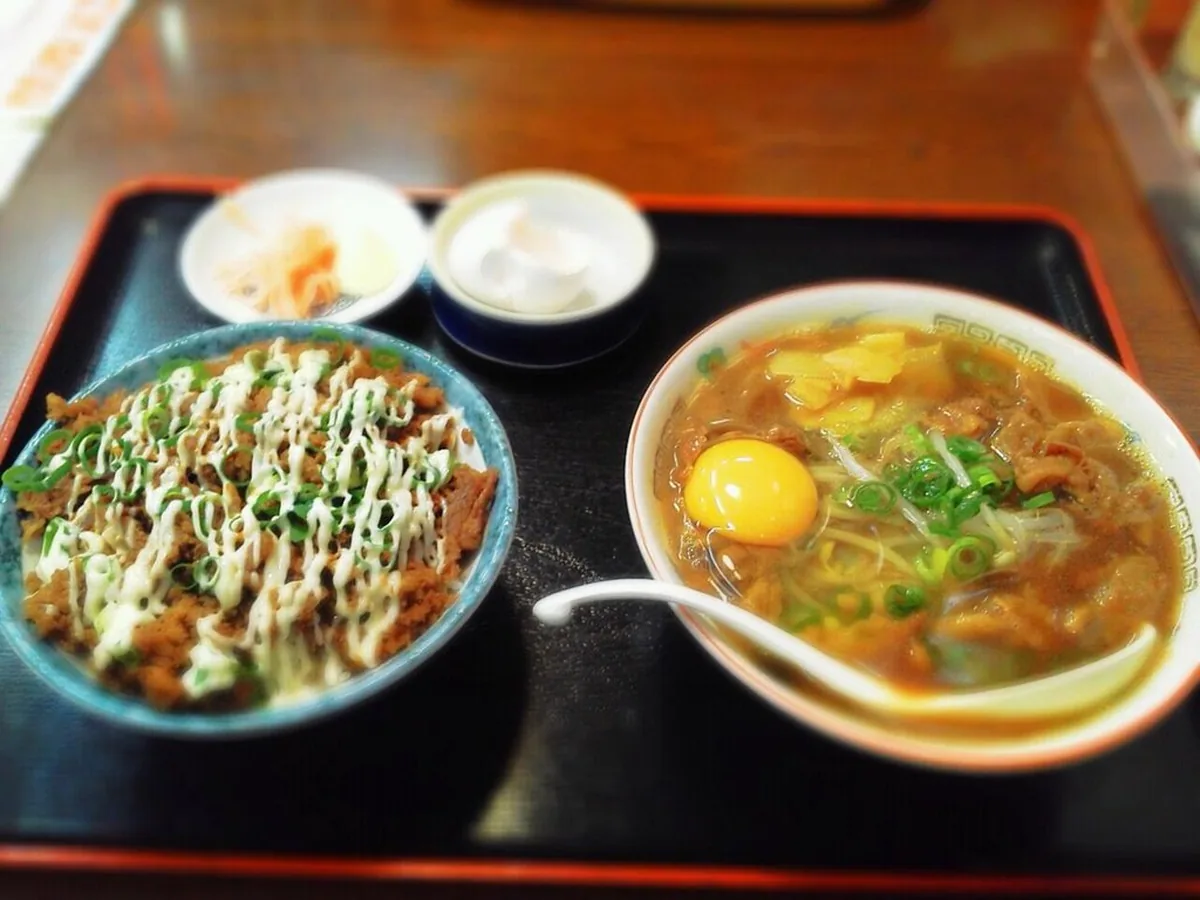
Tokushima ramen rests on three elements: a tonkotsu-shoyu broth, sweet-savory pork belly, and a raw egg. Cooks simmer the pork belly in a salty-sweet sauce rather than roasting it. That method makes the dish resemble sukiyaki more than standard chashu ramen. Locals historically called it chuka soba or shina soba. It only spread nationwide as Tokushima ramen after a 1999 showing at the Shin-Yokohama Ramen Museum. According to NHK's Tokushima ramen documentary, ramen shops in the prefecture now outnumber udon shops, a reversal from the region's noodle history. The Tokushima food guide covers the wider prefecture menu, from meats to desserts, for a longer food itinerary.
Tokushima Ramen Guide: Brown, White, and Yellow Styles Compared
Three broth styles cover almost every bowl in the prefecture, and each suits a different mood. Brown broth, or chairo, is the style most visitors picture first. It combines pork bone stock with dark soy sauce, built for the classic pork-belly-and-egg bowl. White broth, or shiro, traces back to Komatsushima, where the style began as a cloudy tonkotsu base seasoned with lighter soy sauce. Yellow broth, or kiiro, swaps pork bone for chicken and vegetables, seasoned with light soy sauce for a cleaner finish. It shows up most often around the Naruto area. Use the table to match a style to your mood before picking a shop.
| Style | Broth base | Best for | Where it's common |
|---|---|---|---|
| Brown (chairo) | Pork bone stock + dark soy sauce | The classic sweet-savory pork-and-egg bowl | Tokushima City, e.g. Inotani, Todai |
| White (shiro) | Cloudy pork bone + light soy sauce | A milder tonkotsu profile with local roots | Komatsushima area |
| Yellow (kiiro) | Chicken and vegetable + light soy sauce | A lighter, cleaner bowl | Naruto area |
The Tokushima Way: Egg, Rice, and Sudachi at the Counter
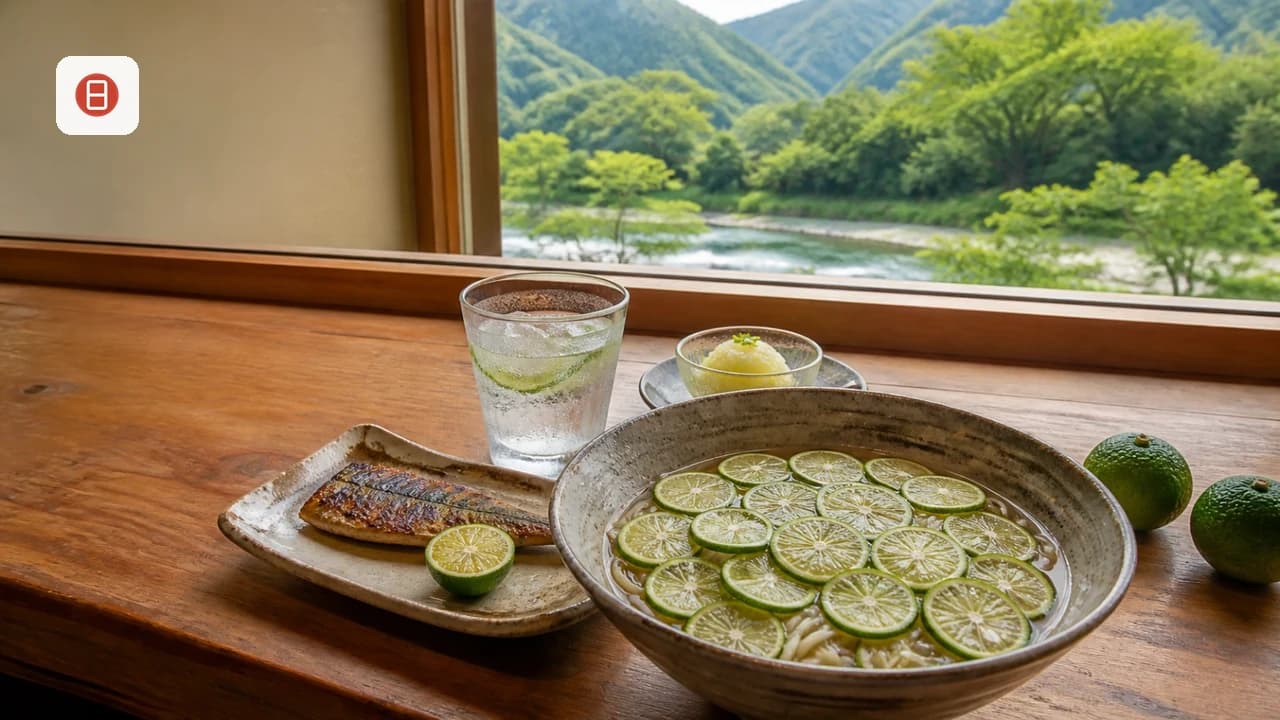
Cracking a raw egg into the bowl partway through the meal is called tsukimi, or moon viewing. That term traces directly to Tokushima's udon culture. Shop owners adapted the udon-style tsukimi topping to ramen, according to NHK's Tokushima ramen documentary. Raw egg mellows the broth the same way it does in tsukimi udon. Whether the egg comes free or costs extra depends on the shop, so ask at the counter before assuming either way. Rice is not an afterthought here. Many regulars order a bowl of white rice alongside their ramen. They treat the noodles as one part of a full meal, not the whole point of it. A common move is to spoon a little of the sweet pork sauce over the rice, then finish the broth on its own. Sudachi, Tokushima's small green citrus, works as a palate cleanser against the fattier broths. A squeeze cuts through the richness and adds a sharp, fragrant note. The Tokushima Sudachi Food and Drinks Guide: Where to Taste Japan's Citrus Capital has more on where the citrus shows up across the prefecture's menus.
Best Tokushima Ramen Shops: Five Picks and What Each Is Best For
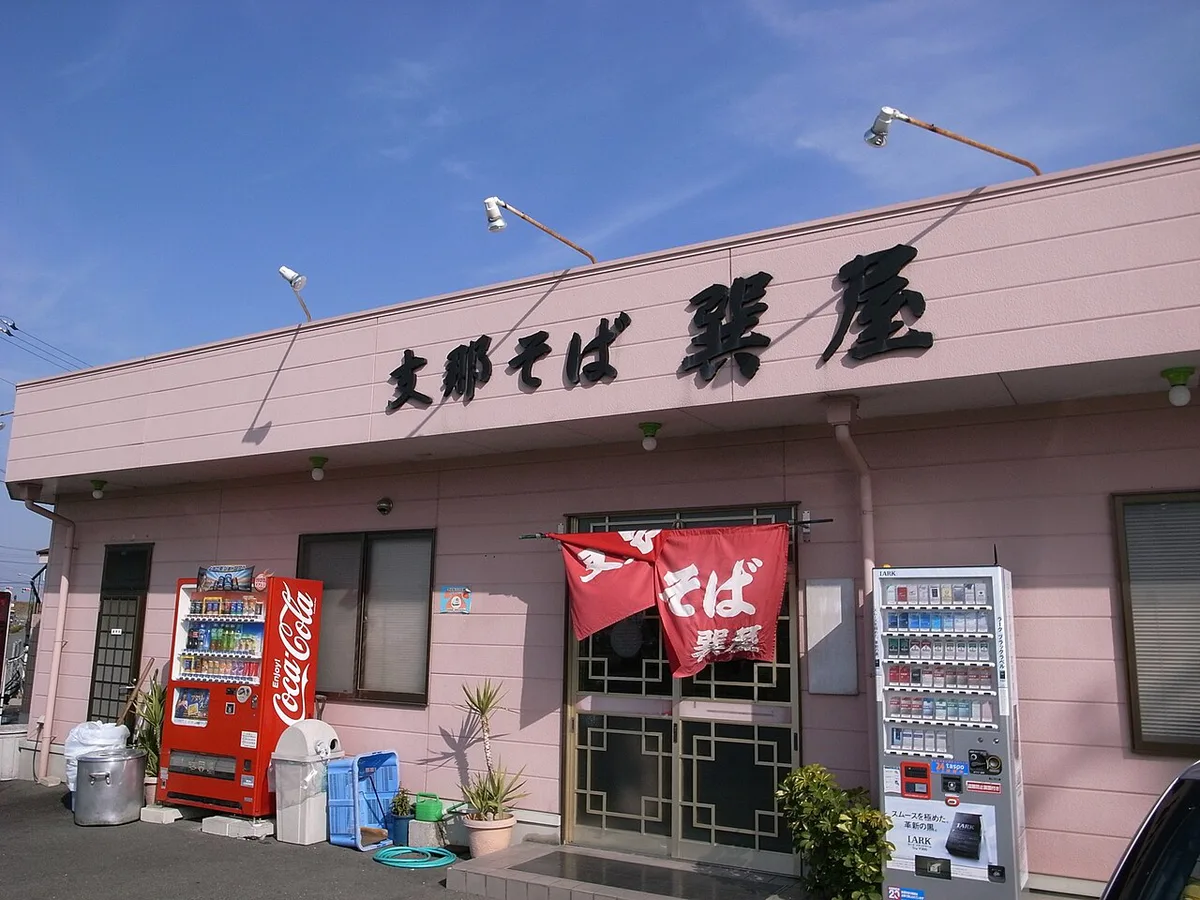
Five shops give a workable cross-section of the three styles and the crowds each one draws. Chuka Soba Inotani has served the brown style since 1966 and draws daytime lines. Its broth runs less salty than Todai's, and staff there track orders by resting the soup spoon on a customer's water glass. Ramen Todai is associated with late-night bowls, but closing time varies by branch and can change, so check the specific shop's current listing before going out late. Diners there can add garlic and a raw egg to build a heavier, saltier bowl. Men-O's Tokushima Station Front branch sits close to JR Tokushima Station, convenient on a tight schedule between trains. Chuka Soba Okuya, in Aizumi Town in Itano District, serves brown, yellow, and white broths at one counter. That makes it a practical stop for comparing all three styles in one sitting. Awaya offers an alternative to Inotani and Todai, with sudachi served on the side of its Chukasoba. Further out, Ichise serves a version called the Tokushima bowl. It layers the usual pork belly and toppings over rice, without noodles or broth.
Although ramen didn't receive national prominence until a 1999 museum exhibition, heritage shops like Inotani had been serving this dish under its original name since the 1960s, predating both the 'Tokushima' label and any national awareness.
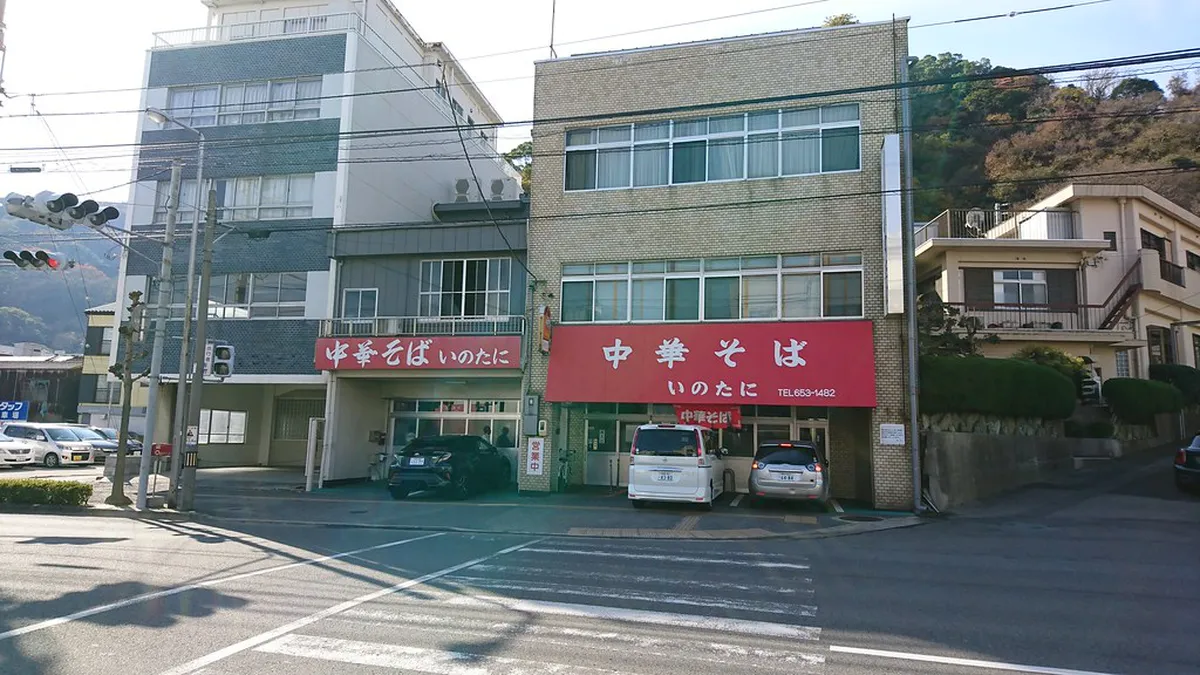
- Chuka Soba Inotani (Main Store): best for heritage seekers who don't mind a line.
- Ramen Todai: known for late-night service; confirm the current closing time for the branch you plan to visit.
- Men-O (Tokushima Station Front Branch): best for travelers working around a train schedule.
- Chuka Soba Okuya (Aizumi Town, Itano District): best for comparing brown, yellow, and white in one visit.
- Awaya: best for a smaller-crowd bowl with sudachi on the side.
- Ichise: best for trying the Tokushima bowl, pork belly and toppings over rice without noodles.
Beyond the Bowl: Pairing Ramen With More of Tokushima's Table
Ramen is one stop on a longer food itinerary in Tokushima. Awa chicken, raised in the prefecture and known for its reddish meat, shows up grilled or skewered across the city. The Awaodori Chicken Restaurants: Where to Eat Tokushima's Brand Chicken in 2026 covers where to find it. Naruto's seafood scene, including its sea bream, gets its own coverage in the Naruto sea bream guide. Kaizoku ryori, grilled seafood cooked the way local fishermen prepare their catch, is another specialty worth building a stop around. It is available near the prefecture's ports and beaches. Naruto Kintoki sweet potatoes turn up as fried snacks, puddings, and ice cream at stalls across the Naruto area. The Naruto Kintoki Sweet Potato Desserts: A Tokushima Guide (2026) lists where to try them.
Planning a Tokushima Ramen Stop: Costs, Timing, and Access
Budget for an inexpensive noodle meal, then check the current menu because bowl and topping prices vary by shop. Rice and extra toppings are add-ons at some counters. Lunch rush hits hardest around noon at popular addresses like Inotani, though waits vary by day. Most brown-style shops cluster inside Tokushima City, an easy add-on to a day built around the 15 Best Things to Do in Tokushima, Japan (2026) list. Reaching a white-style bowl means heading toward Komatsushima, the style's origin point. Plan that stop as its own short trip rather than a walk-in between sights. For train and route planning around Shikoku, Japan's official tourism portal covers current schedules and passes.
Heritage shops such as Inotani are primarily daytime stops, while some Todai branches serve later. Confirm the exact branch hours on the day rather than relying on a blanket late-night closing time.
- Don't assume the raw egg is free everywhere; some shops charge extra, so ask before it lands in the bowl.
- Don't expect 30 cm noodles; Tokushima's straight noodles run closer to 20 cm and cook fast.
- Don't skip the rice option if a full meal is the goal; ramen alone is treated as the lighter order by regulars.
How This Guide Was Verified
Food availability, access details, seasonal rules, and the time-sensitive claims in this guide were checked on August 22, 2026 against the official sources below. Independent restaurant menus, prices, opening days, and sell-outs can change, so confirm the operator's same-day notice before making a special trip.
Frequently Asked Questions
What is the difference between Tokushima's brown, white, and yellow ramen styles?
Brown broth blends pork bone stock with dark soy sauce for the classic sweet pork-and-egg bowl found at shops like Inotani and Todai. White broth is a cloudy pork-bone base with lighter soy sauce, tracing back to Komatsushima. Yellow broth swaps in chicken and vegetables for a lighter, cleaner bowl, most common around Naruto.
Is the raw egg topping included in the price of Tokushima ramen?
It depends on the shop, so don't assume either way. Some counters add the egg at no extra charge, while others list it as a paid topping. Asking staff before ordering is the simplest way to avoid a surprise on the bill.
Should visitors order rice with Tokushima ramen?
Yes, if the goal is a full meal rather than a quick bowl. Many regulars order a side of white rice, spoon some of the sweet pork sauce over it, and treat the two as one meal. Skipping the rice is fine too; it is a norm, not a rule.
Which Tokushima ramen shop works best for a first-time visitor?
Chuka Soba Okuya in Aizumi Town serves brown, yellow, and white broths at one counter, a practical way to compare all three in one sitting. For a station-adjacent option on a tight schedule, Men-O's Tokushima Station Front branch works well.
What does the choice between Inotani and Todai actually come down to?
Inotani is a heritage-focused daytime stop with a less salty brown broth, while Todai is known for a richer bowl and later service at some branches. Check the current hours for the exact branch before making a late-night plan.
Free guide: Japan's Hidden Gems
12 under-the-radar places beyond Tokyo & Kyoto — with the best season to visit each and a local tip you won't find in the guidebooks.
You might also like


Continue reading
More guides you'll find useful