Naruto Kintoki Sweet Potato Desserts: A Tokushima Guide
A 2026 guide to Naruto Kintoki sweet potato desserts in Tokushima: daigaku-imo, yaki-imo, and the Hatada vs. Ichioka Seika souvenir cakes.
On this page
Last updated August 2026, Naruto Kintoki sweet potato desserts range from roadside yaki-imo stalls to shelf-stable tart cakes sold as far as Tokyo. Naruto City's mineral-rich soil along the Naruto Strait gives the variety its golden ('kin') flesh and chestnut-like flavor. This guide covers fresh preparations to try locally, packaged brands like Hatada and Ichioka Seika worth packing home, and how storage time changes the sweetness.
What Is Naruto Kintoki? The Sweet Potato Behind Tokushima's Desserts
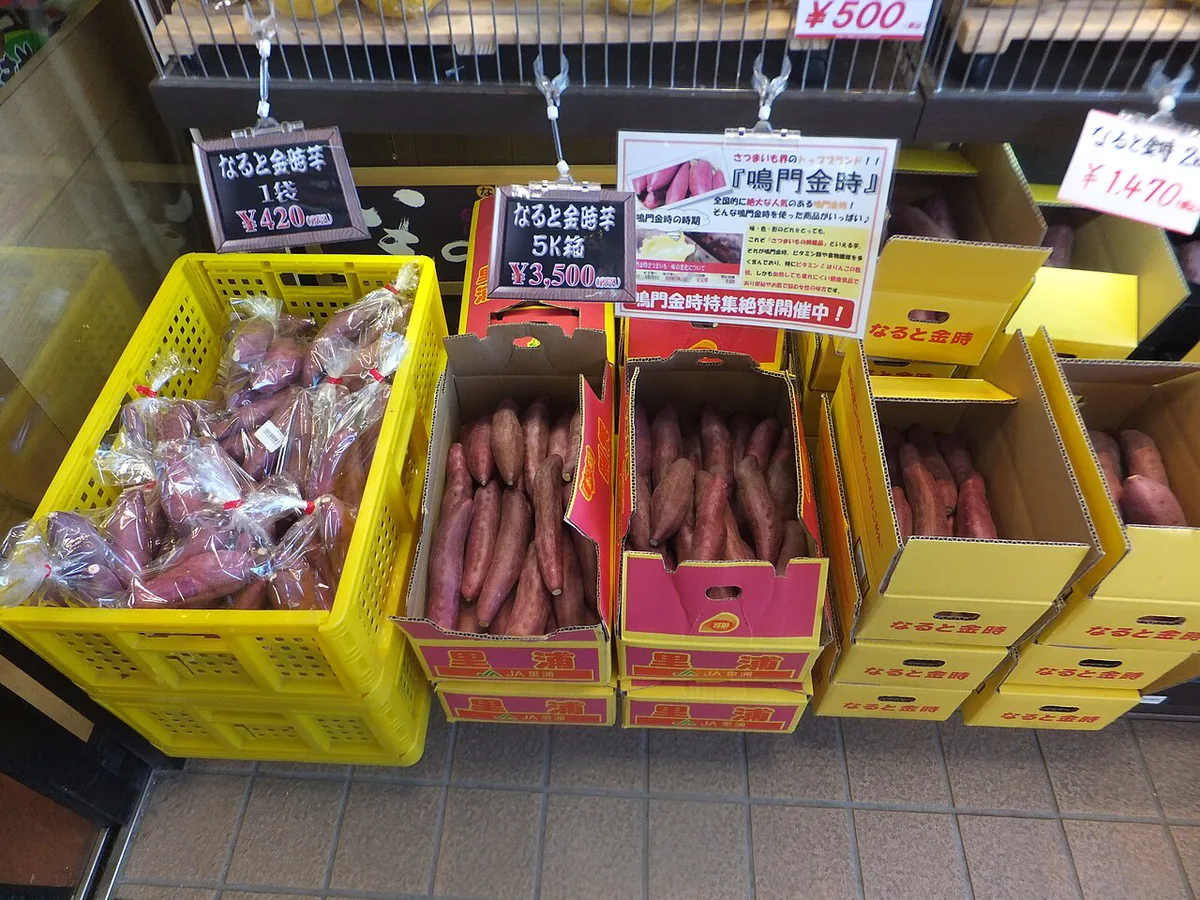
Naruto Kintoki (鳴門金時) is a sweet potato cultivar developed in 1979 just outside Naruto City, an improved line of the Takakei No. 14 variety. Botanically it's Ipomoea batatas, part of the Convolvulaceae family, the same species behind Japan's other Satsuma-imo types. Sandy soil packed with sea minerals from the Naruto Strait shapes the variety's vivid purple-red skin and golden interior. Sliced or steamed, the flesh turns a deep golden-yellow, and the texture is moist and flaky rather than sticky or chewy like some other Japanese sweet potato varieties. More than half of Japan's annual sweet potato harvest comes from the Setouchi region, split mainly across Kagoshima, Miyazaki, and Tokushima prefectures. It's the best known of roughly 40 sweet potato varieties grown nationwide. For the full spread of prefecture specialties, see the Tokushima food guide.
- Cultivar origin: developed in 1979 just outside Naruto City, an improved line of Takakei No. 14.
- Botanical name: Ipomoea batatas, family Convolvulaceae.
- Core growing area: Naruto City, Matsushige Town, Kawauchi Town, Satoura Town, and Itano Town in Tokushima Prefecture.
- Signature look: purple-red skin with golden ('kin') flesh and a moist, flaky texture.
Fresh Naruto Kintoki Desserts to Try Around Tokushima
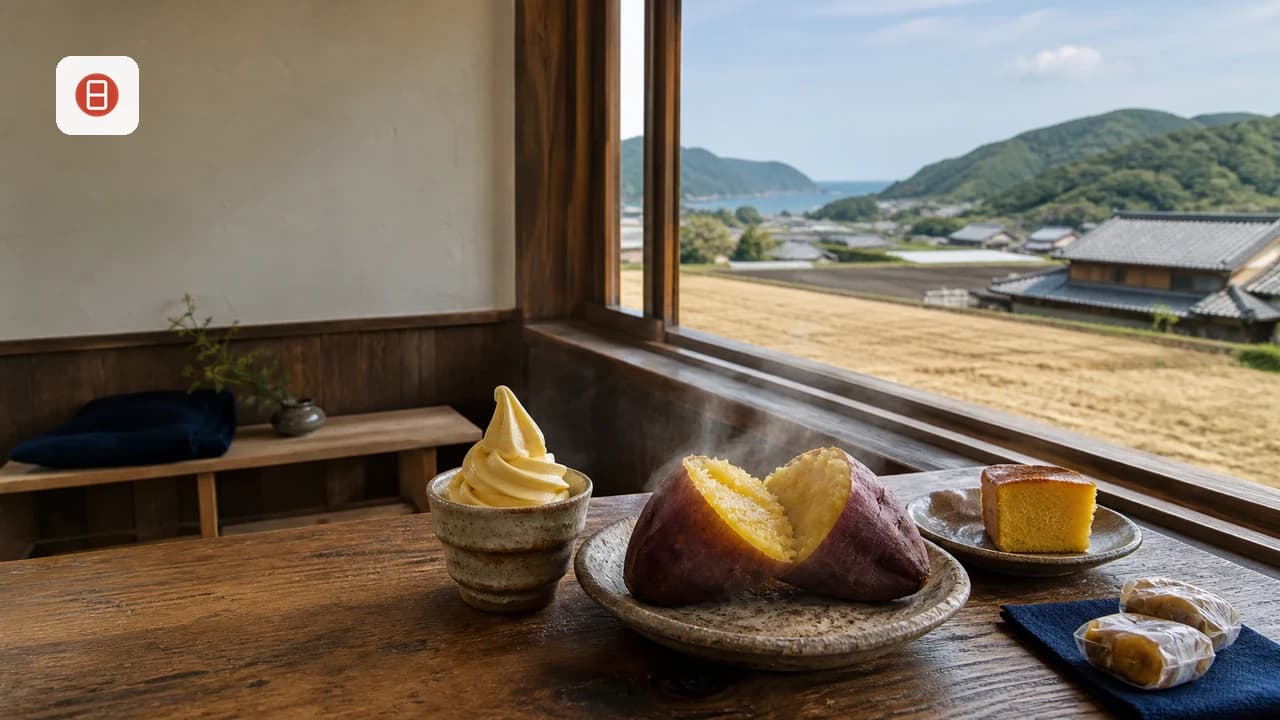
Fresh preparations are the easiest way to taste Naruto Kintoki close to where it grows. Daigaku-imo, or 'university potatoes,' coats chunks of the sweet potato in a soy sauce-based candy glaze and black sesame seeds. The dish traces to street vendors near Tokyo University during the Showa era (1926-1989). Some accounts credit Tokyo University students themselves, who reportedly sold the sweet dish to help cover tuition. Yaki-imo takes a simpler approach: potatoes roasted whole until the skin blisters, then pulled apart into steaming chunks. Carts and neighborhood stalls sell it seasonally around Tokushima. Steamed rounds, finished with sea salt, are another local classic. A few drops of Tokushima sudachi juice often go on top to balance the sweetness. Pair any of these with a bowl of Tokushima ramen for a filling stop between sights.

- Sweet potato soft serve or gelato at dessert cafes.
- Deep-fried potato-skin slices used as an ice cream topping.
- Tempura-style fried potato slices served warm.
- Tosui: a warm dessert flavored with ginger and brown sugar.
- Bakery riffs: sweet potato worked into parfaits, tarts, and pastry fillings, or candied as a stand-alone treat.
Packaged Souvenir Sweets: Hatada vs. Ichioka Seika
Two packaged brands dominate the souvenir shelf for Naruto Kintoki desserts. Hatada's Naruto Kintoki Potato tart traces its recipe to 1933 and bakes sweet potato paste into a moist, soft filling under a flaky crust. Listed ingredients include sweet potato paste, wheat flour, sugar, pasteurized butter, starch syrup, pasteurized egg, and almond powder, with no artificial sweeteners added. Ichioka Seika's cake takes a different route, baking the sweet potato into a moister cake base that includes Western alcoholic beverages. Smaller 6-packs suit solo travelers or short stays. 8-packs stretch further for group gifting. Eat either within the shelf window printed on the box rather than stockpiling for a long trip. Pack sizes and stock change often, so confirm current availability and pricing with whichever retailer or Tokushima gift shop is selling it.
Hatada tarts cost $13.49 for a 6-pack through export retailers, while Ichioka Seika costs $14.99. Local Tokushima stalls sell the same brands at lower prices by eliminating international markups.
| Brand | Texture | Allergens | Price (export retailer) | Best For |
|---|---|---|---|---|
| Hatada Naruto Kintoki Potato Tart | Moist, soft filling, flaky crust | Egg, milk, wheat | $13.49 for a 6-pack (Japanese Taste) | Alcohol-free gifting, traditional flavor |
| Ichioka Seika Sweet Potato Cake | Moist, richer cake bake | Egg, milk, soybean; contains Western alcohol | $14.99, sold in 6-pack and 8-pack sizes (Nippon Journey) | Adult recipients, richer cake style |
Satomusume and the Premium Naruto Kintoki Tiers
Not all Naruto Kintoki carries the same label. Growers and distributors sell the variety under several regional brand names. Satomusume sits at the top of the market, commanding the highest price point among Naruto Kintoki lines. Matsushige Bijin and Amahime are two other named brands sold alongside standard-grade potatoes. Standard-grade Naruto Kintoki delivers the same chestnut-like flavor at a lower cost, which makes the premium tiers worth reserving for gifts rather than everyday eating. These potatoes are traditionally given as gifts in late winter and early spring, when stored stock reaches peak sweetness and demand rises across the country. Some Naruto City stalls sell lower-priced 'seconds,' potatoes with cosmetic bruising that taste identical once cooked, a practical option when the goal is eating rather than gifting.

- Satomusume: top-tier brand, highest price point.
- Matsushige Bijin: named regional brand, mid-tier.
- Amahime: named regional brand, mid-tier.
- Standard-grade Naruto Kintoki: unbranded, lowest cost, same core flavor.
Where and When to Buy Naruto Kintoki Sweets in Tokushima
These desserts are easiest to find in and around their growing region. Tokushima Station's souvenir shops carry packaged tarts and cakes for travelers heading out by train. Shoppers who can't reach Shikoku can find Naruto Kintoki sweet potatoes at Shinjuku Takashimaya's food hall in Tokyo. Harvest runs July through October, and the crop tastes best from October through February as stored potatoes lose moisture and concentrate their sugars. Local stall prices for fresh and packaged sweets typically run lower than the shipped export prices in the table above, since buying in Tokushima skips international shipping and customs markups. Combine a potato-tasting stop with the Naruto Whirlpools on a 15 Best Things to Do in Tokushima, Japan (2026) itinerary, since both sit near Naruto City. Round out the day with Awa Odori chicken a few streets over. Save room for Naruto sea bream if the visit continues toward the coast.
Heat-sensitive sweets can suffer in a hot car or uncooled luggage. Follow the storage directions printed on the box, and ask the retailer about insulated packing during warm weather.
- Naruto City local markets and roadside stands: fresh potatoes and daigaku-imo straight from growers.
- Tokushima Station souvenir shops: packaged tarts and cakes for travelers departing by train.
- Shinjuku Takashimaya food hall, Tokyo: Naruto Kintoki sweet potatoes for those not traveling to Shikoku.
Nutrition, Allergens, and Customs Rules for Naruto Kintoki Desserts
Naruto Kintoki's nutritional profile matches other sweet potatoes, with notable fiber, vitamin A, vitamin C, and potassium content. Plain yaki-imo or steamed potato may contain only sweet potato, but sauces, oil, seasonings, shared equipment, and cross-contact vary by seller; anyone managing an allergy should confirm preparation before eating. Packaged sweets are a different story. Hatada's tart lists egg, milk, and wheat among its allergens. Ichioka Seika's cake lists egg, milk, and soybean, and it also contains Western alcoholic beverages, a detail worth flagging for anyone avoiding alcohol or serving the cake to children. Always check the printed ingredient panel before buying, since recipes and sourcing can change between production runs. Savory dishes elsewhere in Tokushima cooking also use Naruto Kintoki, from simmered pork-and-potato bowls to tempura, though this guide focuses on dessert formats. Whether fresh potatoes can be taken abroad depends on the destination's current agricultural import rules, so check the relevant plant-quarantine authority before packing them. Sealed packaged sweets are usually simpler gifts, but they remain subject to the destination's food and alcohol rules.
- Fiber: supports digestion.
- Vitamin A and C: immune and vision support.
- Potassium and vitamin E: fluid balance and antioxidant support.
Storing and Serving Naruto Kintoki Sweets After You Buy
Storage life depends on the condition of the potato and the producer's handling guidance, so follow grower or retailer instructions rather than assuming one long storage window. Keep fresh potatoes away from direct light, damaging heat, and excess moisture. Packaged sweets carry their own directions: follow the printed best-before date and storage statement, and eat opened products promptly. During warm weather, ask the shop whether a box needs insulated packing and avoid leaving it in a hot car.
Choosing Your Naruto Kintoki Dessert: A Quick Decision Guide
Matching the dessert to the trip comes down to three questions: fresh or packaged, everyday or gift-tier, and traditional or modern. The table below maps common priorities to a specific pick.
| Priority | Recommended Pick |
|---|---|
| Budget, easy, local | Yaki-imo or a steamed potato from a Naruto City stall |
| Take-home gift, no alcohol | Hatada Naruto Kintoki Potato tart |
| Take-home gift, richer cake | Ichioka Seika cake (contains alcohol; check allergens) |
| Luxury or special-occasion gift | Satomusume-branded potatoes or sweets |
| Modern or novelty format | Sweet potato soft serve, gelato, or tosui |
How This Guide Was Verified
Food availability, access details, seasonal rules, and the time-sensitive claims in this guide were checked on August 22, 2026 against the official sources below. Independent restaurant menus, prices, opening days, and sell-outs can change, so confirm the operator's same-day notice before making a special trip.
Frequently Asked Questions
What does the name Naruto Kintoki mean?
Naruto refers to Naruto City, where the cultivar was developed in 1979 near the Naruto Strait. Kin means gold, describing the potato's golden flesh once it's cooked.
When is the best time to eat Naruto Kintoki desserts?
Harvest runs from July through October. The potatoes taste sweetest from October through February, and often into early spring, after storage time lowers their moisture and concentrates the natural sugars.
What's the difference between Hatada and Ichioka Seika sweet potato sweets?
Hatada's tart is a moist, soft filling under a flaky crust, made with egg, milk, and wheat, with no artificial sweeteners listed. Ichioka Seika's cake is a richer, moister bake made with egg, milk, and soybean, and it contains Western alcoholic beverages. Pick Hatada for alcohol-free gifting and Ichioka Seika for a richer, adult-oriented treat.
Is Satomusume worth the extra price?
Satomusume is the top-tier, highest-priced Naruto Kintoki brand on the market. For everyday eating, standard-grade Naruto Kintoki carries the same core flavor at a lower cost, so Satomusume makes the most sense as a gift rather than a casual snack.
Can travelers take fresh Naruto Kintoki potatoes home?
It depends on the destination. Check the current rules of the relevant plant-quarantine or customs authority before packing fresh potatoes. Sealed packaged sweets are usually simpler gifts, but their ingredients may still be regulated.
Are Naruto Kintoki desserts safe for common food allergies?
Do not assume so from the dish name. Plain yaki-imo may contain only sweet potato, but seasonings, oil, shared equipment, and cross-contact vary. Hatada's tart lists egg, milk, and wheat, while Ichioka Seika's cake lists egg, milk, soybean, and Western alcohol. Check the current label and ask the seller about preparation.
Can you buy Naruto Kintoki sweets outside Tokushima?
Shinjuku Takashimaya's food hall in Tokyo stocks Naruto Kintoki sweet potatoes for shoppers who aren't traveling to Shikoku. Packaged tarts and cakes from brands like Hatada and Ichioka Seika also ship internationally through export retailers, though pack sizes and stock can change, so confirm availability before ordering.
Are fresh Naruto Kintoki preparations vegan?
Plain roasted or steamed sweet potato can be vegan, but confirm added butter, glaze, oil, seasoning, and shared preparation with the seller. Packaged sweets such as Hatada's tart and Ichioka Seika's cake contain egg and milk.
Free guide: Japan's Hidden Gems
12 under-the-radar places beyond Tokyo & Kyoto — with the best season to visit each and a local tip you won't find in the guidebooks.
You might also like


Continue reading
More guides you'll find useful