Tokushima Seafood and Naruto Sea Bream: A Complete Guide
Naruto sea bream gets its firm texture from the Naruto Strait's currents. This guide covers tai meshi, a seasonal fish calendar, and where to eat in Naruto.
On this page
Last updated August 2026. Tokushima seafood and Naruto sea bream both trace back to the Naruto Strait's whirlpool currents, which firm up the fish that swim against them. This guide separates a Naruto seafood trip from Tokushima City's ramen scene, and covers the tai meshi ritual, seasonal fish calendar, and lunch timing at coastal restaurants.
Tokushima Seafood and Naruto Sea Bream: Why the Strait Matters
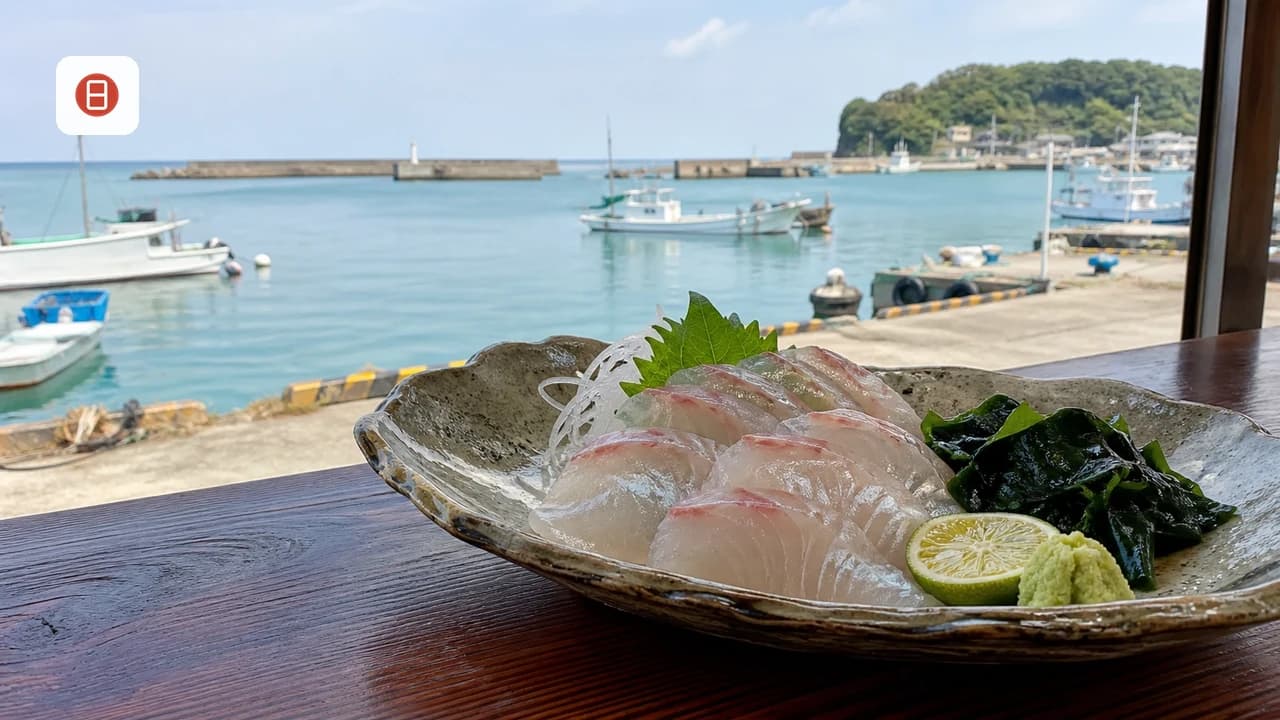
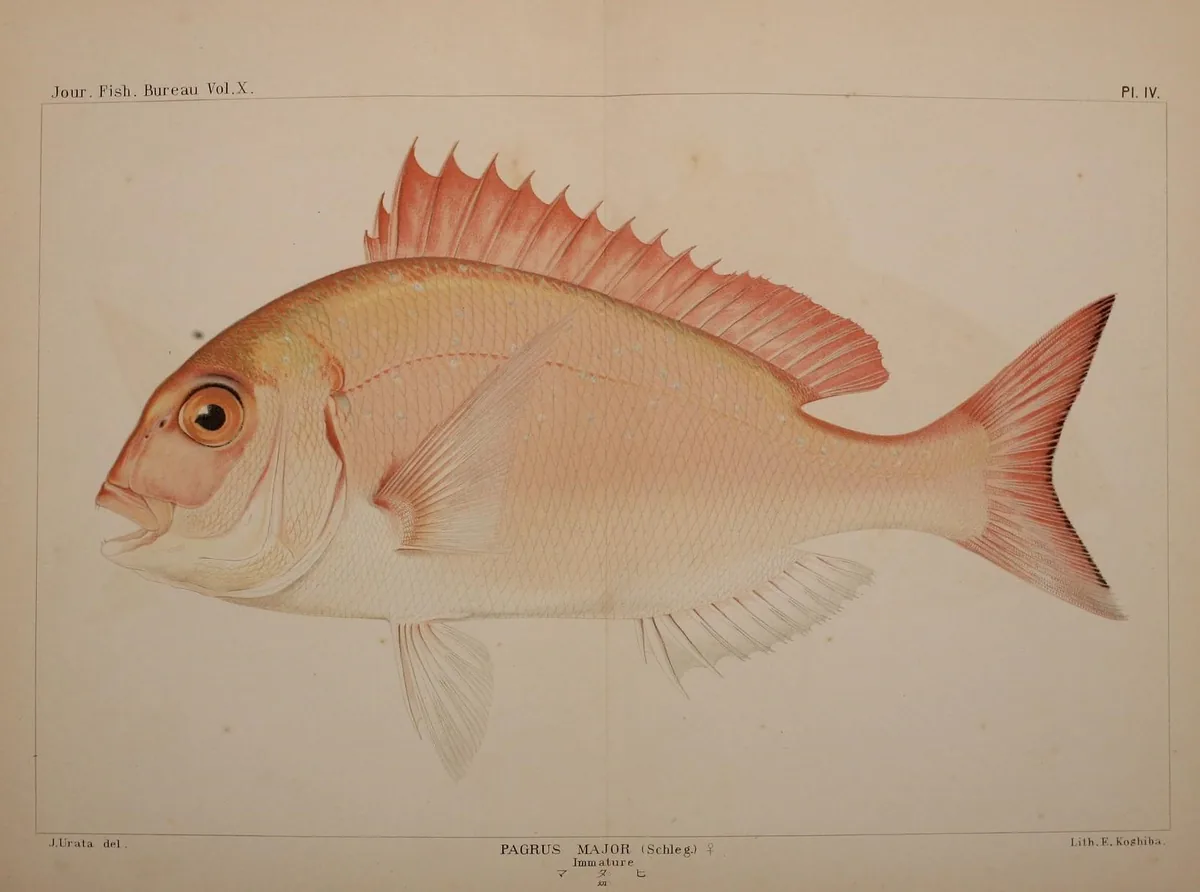
Naruto sea bream earns its reputation from geography, not marketing copy. The fish swim against strong currents at the Naruto Strait whirlpools, and that resistance tightens their muscle. Firmer muscle means a chewier bite than sea bream raised in calmer water. Japan's agriculture ministry lists Naruto Tai among the country's top-class premium fish, citing the umami that builds up in that current. Locals call the peak spring catch sakura-dai, or cherry-blossom sea bream, after the season it arrives in. Order it as sashimi in spring to taste the texture before it goes into a rice pot.
Tai Meshi vs Tai-don: Choosing Your Sea Bream Dish
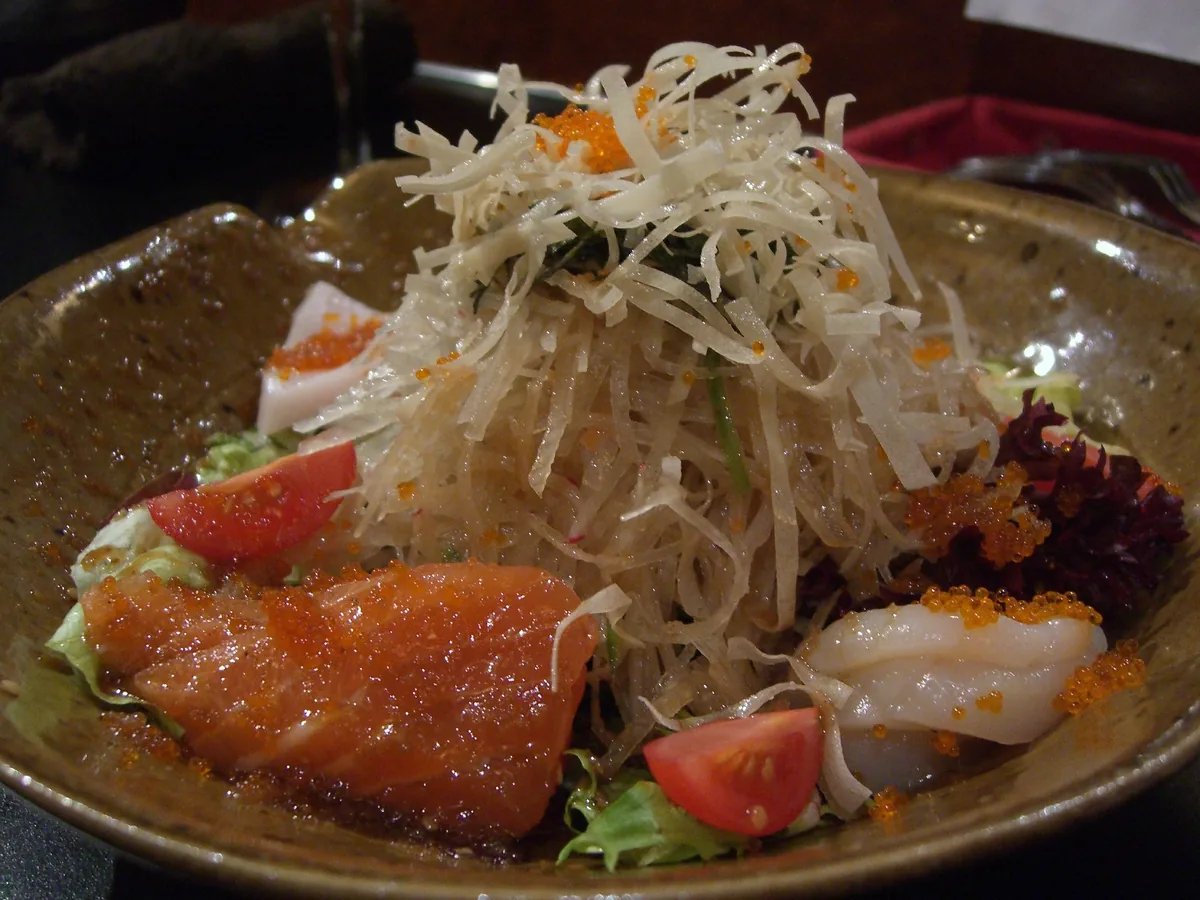
Tokushima's signature sea bream dish is tai meshi, not sashimi alone. Cooks grill a whole sea bream over direct heat until the skin browns. The fish then goes on top of washed rice with sake, white soy sauce, and kombu dashi. An earthenware-pot version simmers for about 12 minutes, then rests off the heat for 15 minutes to finish steaming. Once it's done, the bones and skin come off and the flesh gets flaked and folded back into the rice. That flaking step usually happens tableside or in the kitchen just before serving, so don't expect a boneless fillet on first look. Tai-don takes less time. It's raw sea bream sashimi set over a bowl of rice. Some versions add a savory broth and local wakame seaweed poured over just before eating. Choose tai meshi for the slow-cooked, communal version, and tai-don when time is short or you want the fish at its freshest.
- Whole sea bream, about 500g, enough for 4 servings
- Rice, 450g (about 3 cups)
- Sake, 2 tablespoons, plus white soy sauce, 2 tablespoons
- Kombu dashi, 650ml, made with about 10cm of kombu
- Earthenware pot method: boil about 12 minutes, then rest off heat for 15 minutes
A Year-Round Tokushima Seafood Calendar
Sea bream isn't the only reason to plan a seafood trip around Tokushima. The prefecture's coastline and rivers produce a different signature catch almost every month. Cross-check this calendar against seasonal specials before booking a table.

| Season | Featured Catch | What to Know |
|---|---|---|
| Spring | Naruto sea bream, halfbeak, Japanese seer fish | Sea bream peaks; seer fish is caught by pole and line in the Naruto Strait and Kii Channel from April to June |
| Summer | Pike conger (hamo), sweetfish (ayu), shiba shrimp | Hamo from Tsuda and Komatsushima goes into hamo-sukiyaki and dobin-mushi; ayu peaks for about 20 days around the summer solstice; shiba shrimp is cheap and plentiful in June and July |
| Autumn | Japanese butterfish (bose), blue crab | Bose sushi is a Tokushima festival food; female blue crabs are at their best from autumn into winter |
| Winter | Largescale blackfish, flounder, yellowtail, green tiger prawn | Blackfish loses its off-flavor once it switches to a winter seaweed diet; yellowtail is a traditional New Year catch |
Where to Eat Sea Bream in Naruto
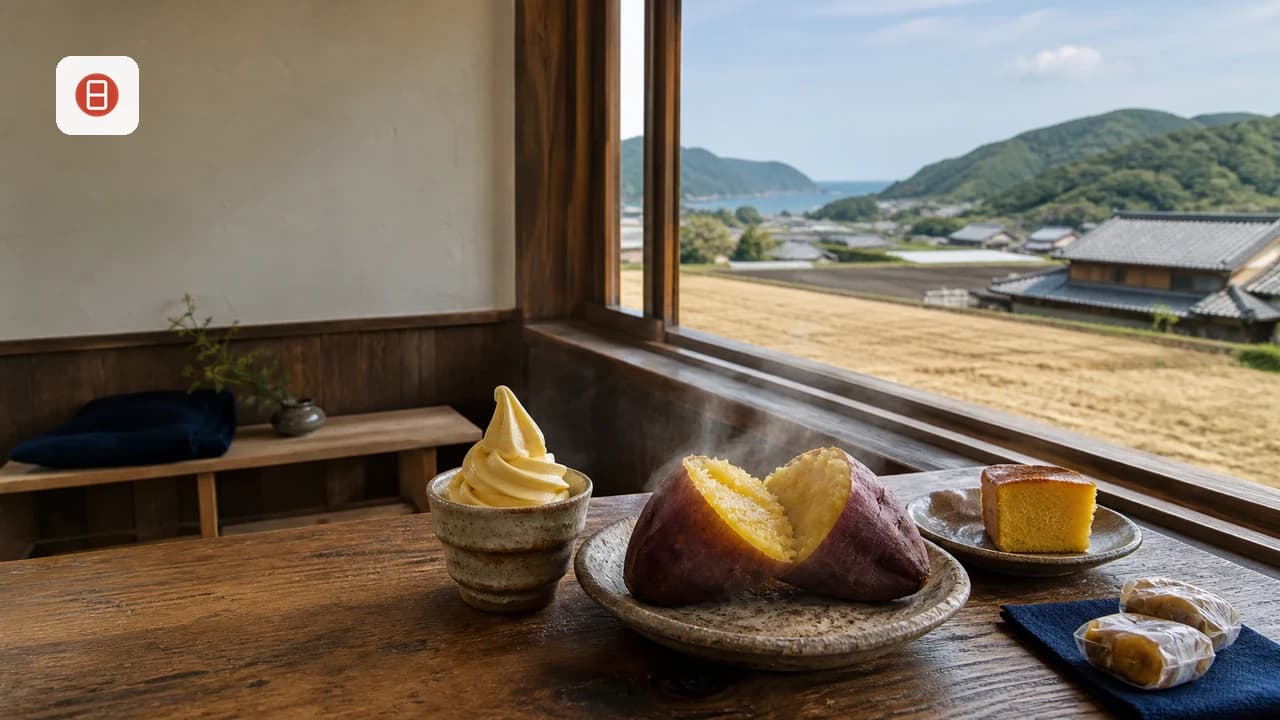
Two restaurants anchor most sea bream itineraries in Naruto. Tai Maru Kaigetsu sits about a 4-minute walk from the Otsuka Museum of Art. It serves sea bream rice bowls and a braised sea bream head set called ara-daki. The restaurant's current page lists lunch from 11:00 AM to 2:00 PM, with last order at 1:30 PM, and says dinner service has been suspended since July 20, 2024. Seventeen free parking spaces sit beside the building, and the Tokushima Bus stop at Chidorigahama is a 1-minute walk. Check current hours on the Otsuka Museum of Art's official page before pairing the meal with a museum visit. Naruto Seafood Naruto, inside the Aoao Naruto Resort, is an evening alternative, but confirm its current menu, service window, and booking terms directly with the resort. Independent seafood counters also cluster near the Naruto Bridge. These smaller spots change their hours with the catch, so treat posted times as a starting point rather than a guarantee. After a seafood lunch, Naruto's sweet potato desserts are a short stop away.
The 30 minutes from Tokushima Station to Naruto demand careful timing when planning lunch; most coastal spots close orders at 1:30 PM even though the dining room stays open later, so arriving after 1:45 PM risks a missed meal.
Getting to Naruto's Seafood Restaurants
Naruto sits about 30 minutes from Tokushima Station on the JR Naruto Line. That covers the train leg, but most coastal restaurants need a second step. A rental car is the most reliable way to reach spots near Chidorigahama and the bridge, since bus service to the coast is limited. Renting in Tokushima or Takamatsu city both work for a day trip. Whichever way you arrive, build the trip around the 1:30 PM last-order cutoff at lunch spots like Tai Maru Kaigetsu. Arriving at 1:45 PM means a wasted trip, not a shorter wait.
Ordering Naruto Seafood Practically
Ask what came in that day before choosing between sashimi, a rice bowl, and a cooked set. A restaurant may feature sea bream year-round while changing the cut, portion, or supporting catch with the season. If raw fish is the priority, arrive early in the lunch window and choose a restaurant that can explain the day's source. If a slower tai-meshi pot is the priority, allow more time than for tai-don and confirm whether the dish must be ordered for the whole table.
Dietary requests need the same care. Tai meshi commonly uses sake, soy sauce, and kombu-based stock; other sauces or garnishes may add wheat, fish, shellfish, or alcohol. Cross-contact is possible in a seafood kitchen, so guests with a serious allergy should speak to the restaurant before visiting rather than relying on a translated dish name. Families should also ask whether a whole-fish dish arrives with bones still in place. Current menu and preparation details matter more than a generic seasonal recommendation.
Mistakes to Avoid When Eating Seafood in Tokushima
A few planning mistakes show up again and again on Naruto seafood trips. For a meat-forward contrast on a different night, try Awa Odori chicken. Both dishes sit inside the wider Tokushima food scene, which spans coastline and city alike.
Sweetfish peaks for about 20 days around the summer solstice, yet independent seafood counters shift hours with the catch. Planning a summer visit requires checking both the seasonal calendar and current restaurant availability.
- Treating sea bream as one dish: sashimi, tai meshi, and tai-don are different orders with different wait times.
- Skipping the tide check: whirlpool viewing runs on specific tide windows, so confirm timing before booking a coastal lunch around it.
- Ignoring sudachi: Tokushima's citrus gets squeezed over grilled and raw seafood alike; see the sudachi's role in local cooking before your trip.
- Missing the L.O. cutoff: many lunch counters, including Tai Maru Kaigetsu, stop orders at 1:30 PM even though the dining room stays open later.
- Conflating Naruto with Tokushima City: Tokushima's ramen guide covers a separate trip from a Naruto seafood day.
How This Guide Was Verified
Food availability, access details, seasonal rules, and the time-sensitive claims in this guide were checked on August 22, 2026 against the official sources below. Independent restaurant menus, prices, opening days, and sell-outs can change, so confirm the operator's same-day notice before making a special trip.
Frequently Asked Questions
What makes Naruto sea bream different from sea bream elsewhere in Japan?
Naruto sea bream swims against strong currents inside the Naruto Strait, and that resistance firms up the flesh. Spring is peak season, when the catch is sometimes called sakura-dai, or cherry-blossom sea bream.
Should you order tai meshi or tai-don?
Order tai meshi for the slow-cooked version, where grilled sea bream steams with rice, sake, and kombu dashi. Order tai-don when time is short, since it's raw sea bream sashimi over rice and ready faster.
How do you get from Tokushima Station to Naruto's seafood restaurants?
Take the JR Naruto Line, about 30 minutes to Naruto Station. From there, a rental car covers the last stretch to coastal spots near Chidorigahama and the Naruto Bridge. Bus coverage to those addresses is limited.
What time should you arrive for lunch at Tai Maru Kaigetsu?
Arrive before 1:30 PM. That's the last-order cutoff, even though the dining room's lunch hours run 11:00 AM to 2:00 PM.
What other Tokushima seafood is worth trying beyond sea bream?
Pike conger, called hamo, is a summer specialty from Tsuda and Komatsushima. Japanese butterfish, known locally as bose, turns up in autumn festival sushi. Blue crab and largescale blackfish are the standout winter catches.
Free guide: Japan's Hidden Gems
12 under-the-radar places beyond Tokyo & Kyoto — with the best season to visit each and a local tip you won't find in the guidebooks.
You might also like


Continue reading
More guides you'll find useful