Matsue Wagashi and Tea: Lord Fumai's Sweets and Tea Houses
See why Matsue ranks among Japan's top three wagashi cities. A 2026 guide to Lord Fumai's favorite sweets, historic tea houses, and where to buy them fresh.
On this page
Last updated August 2026, this guide explains what makes Matsue wagashi and tea one of the more distinct food-culture pairings in Japan. Matsue ranks alongside Kyoto and Kanazawa as one of Japan's three great wagashi cities, a legacy tied to Edo-period tea master Lord Matsudaira Harusato. Below, find the specific shops, prices, tea houses, and etiquette notes needed to plan a visit around it.
Matsue Wagashi and Tea: Lord Fumai's Living Legacy
Matsue developed as a castle town under Lord Matsudaira Harusato, an Edo-period ruler better known by his tea name, Fumai. Fumai's devotion to the tea ceremony shaped local craft for generations. That legacy is why Matsue is home to one of the three largest tea gatherings in Japan. Tea with confectionery remains an important part of local culture. Matsue, Kyoto, and Kanazawa are often named together as Japan's three major wagashi cities, each with its own distinct sweets tradition.
A Brief History of Wagashi in Matsue
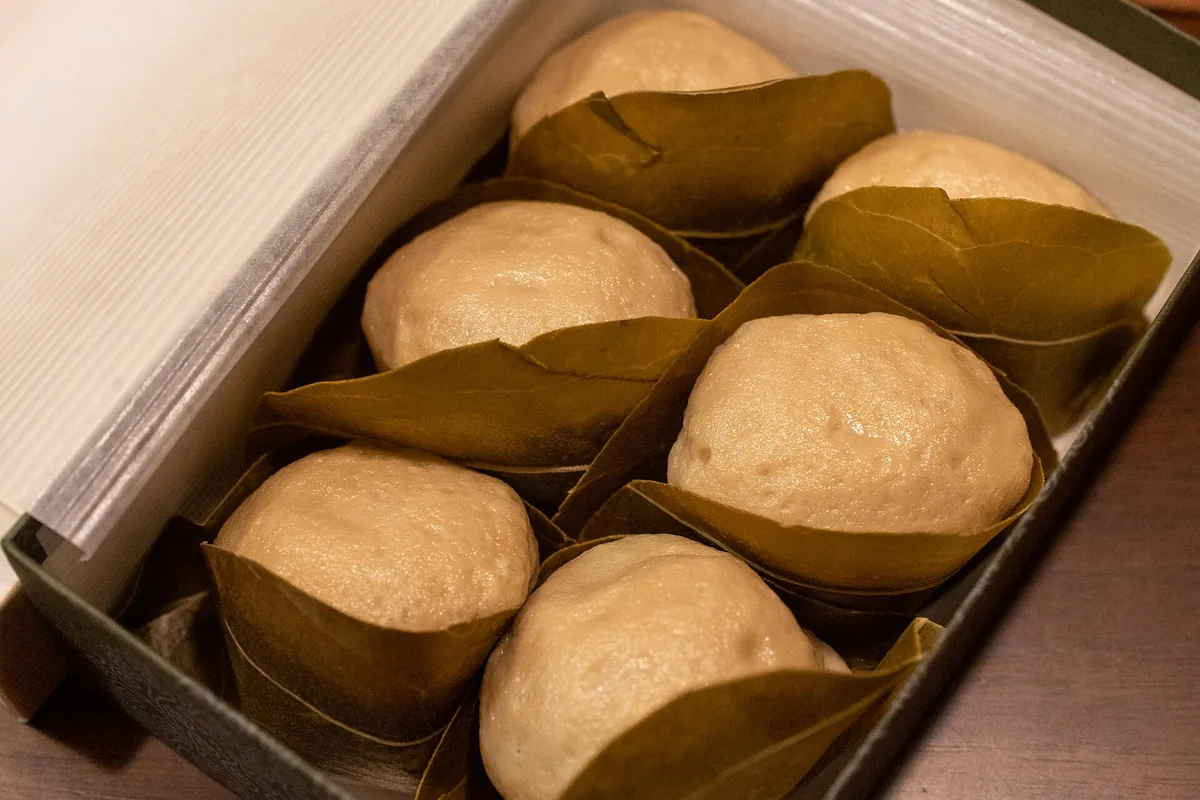
Wagashi in Matsue took shape during the Edo period, when the city operated as a jokamachi, or castle town, serving the samurai and artisans of the Matsue Domain. Artisans catering to daimyo and commoners developed the confectionery skills passed down today. The broader wagashi tradition reaches back further still. Some of the earliest recorded sweets in Japan appear in The Tale of Genji, where mochi was wrapped in camellia leaves, a technique with descendants still made today. Matsue's specific styles, though, trace most directly to one patron: Lord Fumai.
The Three Famous Sweets of Matsue (Lord Fumai's Favorites)
Lord Fumai chose three specific confections as his favorites, and Matsue's confectioners still make them close to his original specifications. Each sweet carries a poetic name tied to a season, and together they anchor the city's Matsue food scene. Buy them fresh rather than at the start of a long trip, since none are built for extended travel.
Shelf life depends on the exact product and package. Read the current date label when buying any wagashi for travel rather than relying on a previously published number.
| Sweet | Shop | Description | Price | Shelf Life |
|---|---|---|---|---|
| Wakakusa | Saiundo | Glutinous-rice gyuhi dusted with green rice flour; elastic with a light crispness | Check current product page | Check the package |
| Yamakawa | Furyudo | Red-and-white rakugan shaped to suggest autumn leaves and river water; salty-sweet | Check current product page | Check the package |
| Natane no Sato | San-eido | Yellow rakugan shaped like butterflies over a rapeseed field | Check current product page | Check the package |
- Shelf life matters most if the sweets are traveling home as souvenirs.
- Check the best-before date on the exact Wakakusa or Natane no Sato package.
- Check Yamakawa's current package date rather than assuming a fixed 10-day shelf life.
- San-eido also sells a combined gift set pairing all three Fumai sweets together, useful if one stop needs to cover every classic.
Where to Drink Matcha: Meimei-an vs. Gessho-ji
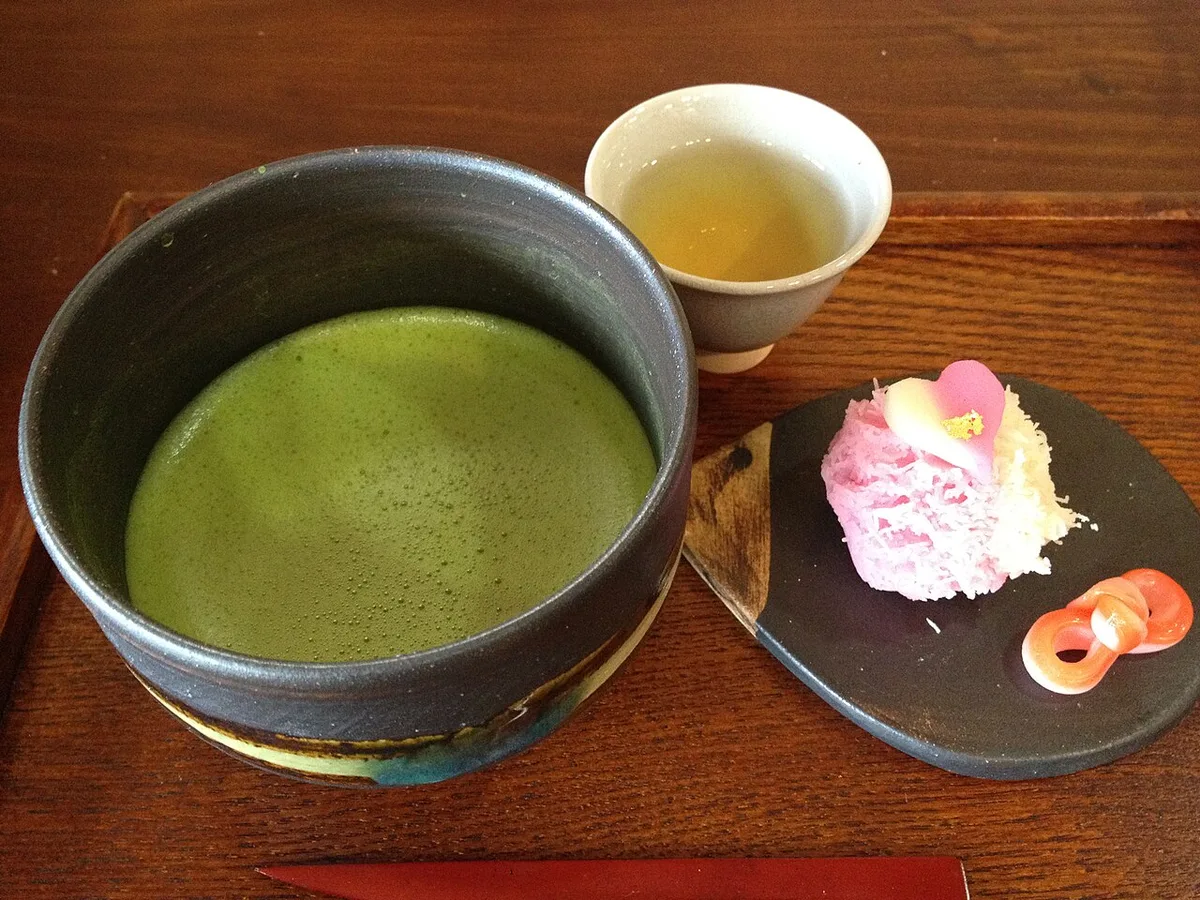
Two tea venues anchor most first visits to Matsue, and they suit different moods. Meimei-an Teahouse is the historical choice: Fumai personally designed the building in 1779, and visiting means sitting in a room laid out to his own aesthetic rules. Gessho-ji Temple takes a different approach. Known locally as the Hydrangea Temple, it holds the tombs of several Matsudaira lords inside gardens of hydrangeas, lotus, and turtles, so tea there comes with more scenery and less formality. Karakoro Art Studio is worth adding for anyone who wants to make wagashi rather than just eat it. Class times and pricing change, so check current availability before building a visit around it. Wagashi-making workshops also run under names like the Osewa-san program elsewhere in the city, so ask locally if Karakoro's schedule doesn't fit.
| Venue | Best For | Setting | Notable Detail |
|---|---|---|---|
| Meimei-an Teahouse | History and tea-ceremony architecture | Formal historic teahouse | Designed by Lord Fumai in 1779 |
| Gessho-ji Temple | Nature and a slower pace | Temple gardens | Hydrangeas, lotus ponds, and Matsudaira family tombs; known as the Hydrangea Temple |
More Matsue Sweets Worth Seeking Out
Beyond Fumai's three favorites, several long-running shops built reputations on a single signature piece. Ichirikido has operated since the Edo period, and its Himekosode uses wasanbon sugar so fine that it dissolves almost as soon as it's eaten. Keigetsudo dries azuki-bean rakugan for 14 hours to build a shell crisp enough to pair with coffee as easily as matcha. Fukudaya, near Matsue Shinjiko Onsen Station, works fresh Shimane yuzu into a chewy gyuhi rice cake for a citrus-forward alternative to the classics. It sits about an 18-minute walk from Matsue Castle, a national treasure, so the two pair well in one afternoon. San-eido also produces Hinode-mae, a red-bean confection historically served during tea ceremonies at the Adachi Museum of Art.
| Shop | Specialty | Price | Access | Hours |
|---|---|---|---|---|
| Ichirikido | Himekosode: wasanbon sugar and red bean paste | Check current product page | Suetsugi-honmachi; confirm current access | Check current shop hours |
| Keigetsudo | Usu Ogura: kiln-dried azuki rakugan | Check current product page | Tenjinmachi; confirm current access | Check current shop hours |
| Fukudaya | Yuzu Mochiko: yuzu-scented gyuhi rice cake | Check current product page | Nakahara-cho; confirm current access | Check current shop hours |
Planning Your Visit: Getting There, Timing, and Getting Around
Matsue sits in Shimane Prefecture, within the San'in region of western Japan. For wider regional food context beyond tea and wagashi, see the San'in food guide. Reaching the city takes real planning from Tokyo, so pick a route that fits the rest of an itinerary. Two dates matter most for tea culture specifically. Matsue Castle hosts its Grand Tea Ceremony every October, locally described as one of Japan's Three Big Tea Festivals, with kimono-clad attendees and roughly ten tea-ceremony schools performing across the castle grounds. Because that ceremony runs outdoors, confirm current-year dates and any weather contingency before finalizing plans. April 24 marks Chanoyu no hi, or Tea Ceremony Day, observed as the anniversary of Lord Fumai's death with citywide workshops and tastings. Within the city, the Lakeline Bus loops past many central shops and tea venues; confirm the closest current stop for each address before setting out. Ichirikido, by comparison, sits a one-minute walk from the Ohashi Kitazume bus stop reached from JR Matsue Station. Parking varies by shop. Saiundo offers free spaces at its main store, while Ichirikido visitors need the paid public parking on the Kyoten shopping street. Wagashi and tea work well as a midday stop between other Matsue meals. Pair a shop visit with a bowl from the Lake Shinji Shijimi Clams: A Traveler's Guide to Matsue's Famous Shellfish. Fresh catches from the Matsue Seafood Guide 2026: Lake Shinji's Seven Delicacies and Sea of Japan Catches make a good dinner afterward.
- Sleeper train: the overnight Sunrise Izumo runs from Tokyo, arriving in roughly 12 hours.
- Limited express: the Yakumo train connects from Okayama in about 2.5 hours.
- Car: driving from Tokyo takes roughly 9.5 hours.
- Air: fly into Izumo or Yonago airports, both near Matsue.
Etiquette and Mistakes to Avoid
Local tea ceremony follows a distinct bow known as the Fumai-style. Most schools open a bow with flat palms forming a triangle. Fumai-style practitioners instead extend their arms and rest a closed fist on the floor, a form tied to his samurai-class background. Sequence matters too: eat the wagashi first, then drink the matcha, since the sweetness sets up the tea's bitterness rather than competing with it. Rushing through a tea house visit misses the point. Both Meimei-an and Gessho-ji are meant for a slow, seated pause, not a quick photo stop.
- Check each shop's current hours and closing days before arriving; do not generalize one operator's schedule to the rest.
- Don't save matcha for evening: Matsue's tea culture runs during the day. For something after dark, see the Matsue Sake and Craft Beer Guide: Breweries, Beer Fest Dates, and Tasting Routes.
- Don't buy wagashi too early in a long trip: shelf life tops out around 15 to 20 days, so timing the purchase near departure keeps it fresh.
How This Guide Was Verified
Food availability, access details, seasonal rules, and the time-sensitive claims in this guide were checked on August 22, 2026 against the official sources below. Independent restaurant menus, prices, opening days, and sell-outs can change, so confirm the operator's same-day notice before making a special trip.
Frequently Asked Questions
Why is Matsue known for wagashi and tea?
Lord Matsudaira Harusato, known by his tea name Fumai, helped shape the city's tea and confectionery traditions. Matsue is now commonly grouped with Kyoto and Kanazawa as one of Japan's three major wagashi cities and hosts one of the country's largest tea gatherings.
What are the three famous sweets of Matsue?
The three famous sweets are Wakakusa, Yamakawa, and Natane no Sato, all chosen as favorites by Lord Fumai. Wakakusa is a green-dusted gyuhi sold by Saiundo. Yamakawa is a red-and-white rakugan candy from Furyudo. Natane no Sato is a yellow rakugan from San-eido, shaped like butterflies over rapeseed fields.
Should you eat the wagashi before or after the matcha?
Eat the wagashi first, then drink the matcha. The sweetness balances the tea's bitterness, and it's the order followed in Fumai-style tea ceremony.
How long do Matsue's wagashi souvenirs last?
Shelf life varies by product, package, and purchase date. Read the current best-before and storage label on the exact box, and buy short-lived sweets near the end of the trip.
What is the Fumai-style bow?
The Fumai-style bow places a closed fist on the floor instead of an open palm. Most tea-ceremony schools bow with flat palms forming a triangle, but Fumai's samurai-class background shaped a different form. It's still used in Fumai-ryu tea ceremony practiced around Matsue today.
Can you visit a tea house without prior tea-ceremony experience?
Yes. Meimei-an Teahouse and Gessho-ji Temple both welcome visitors for seated matcha and wagashi without requiring formal ceremony training. Staff typically guide first-time visitors through the basics on arrival, so check each venue's current hours before planning around it.
How much should you budget for wagashi souvenirs in Matsue?
Box sizes, seasonal assortments, and prices change by shop. Check the maker's current product page or the in-store label, and compare the number of pieces as well as the headline price.
Free guide: Japan's Hidden Gems
12 under-the-radar places beyond Tokyo & Kyoto — with the best season to visit each and a local tip you won't find in the guidebooks.
You might also like


Continue reading
More guides you'll find useful