Matsue Food Guide: What to Eat, 7 Foods You Need to Try
Shijimi clam soup, Izumo soba, sea bream rice and wagashi: what to order in Matsue, with restaurant picks, prices and closing-day quirks to know.
On this page
Last updated August 2026, this guide covers what to eat in Matsue, from Lake Shinji clam soup to sea bream rice. Matsue's food culture runs on lake clams, buckwheat soba, matcha, and a sea bream dish invented by an 18th-century feudal lord. Below are the specific restaurants, prices, and closing-day quirks worth knowing before you sit down.
What to Eat in Matsue, Neighborhood by Neighborhood
Matsue's food scene splits cleanly by neighborhood, and each one rewards a different kind of appetite. Near Matsue Station, the Shamine mall gathers casual seafood counters, sake tasting spots, and souvenir shops within a short walk of the platforms. The Castle District, around Matsue Castle, is where soba shops, matcha counters, and wagashi workshops cluster together, and it pairs naturally with sightseeing covered in the Matsue attractions guide. Lake Shinji's waterfront leans more formal, with taimeshi restaurants and dining rooms built around the lake view. Whichever base you pick, check the chosen restaurant's current opening day rather than assuming a citywide Wednesday pattern.
Dining hours differ by neighborhood and venue. Confirm the current last-order time for a waterfront or Castle District restaurant instead of relying on a general 8:00 or 9:00 PM rule.
| Location | Vibe | Best For |
|---|---|---|
| Matsue Station (Shamine) | Convenient, modern | Quick lunch, local sake tasting, souvenirs |
| Castle District | Historic, traditional | Izumo soba, matcha, wagashi workshops |
| Lake Shinji Waterfront | Scenic, upscale | Taimeshi, sunset dinners, shijimi clam specialties |
7 Matsue Foods You Should Order First
Tabelog alone lists more than a thousand restaurants in Matsue, so narrowing the field matters more than trying to cover everything. The seven dishes below are the ones locals and repeat visitors point to first, each with a specific shop or restaurant attached. Use the neighborhood table above to match a dish to wherever you already plan to be.
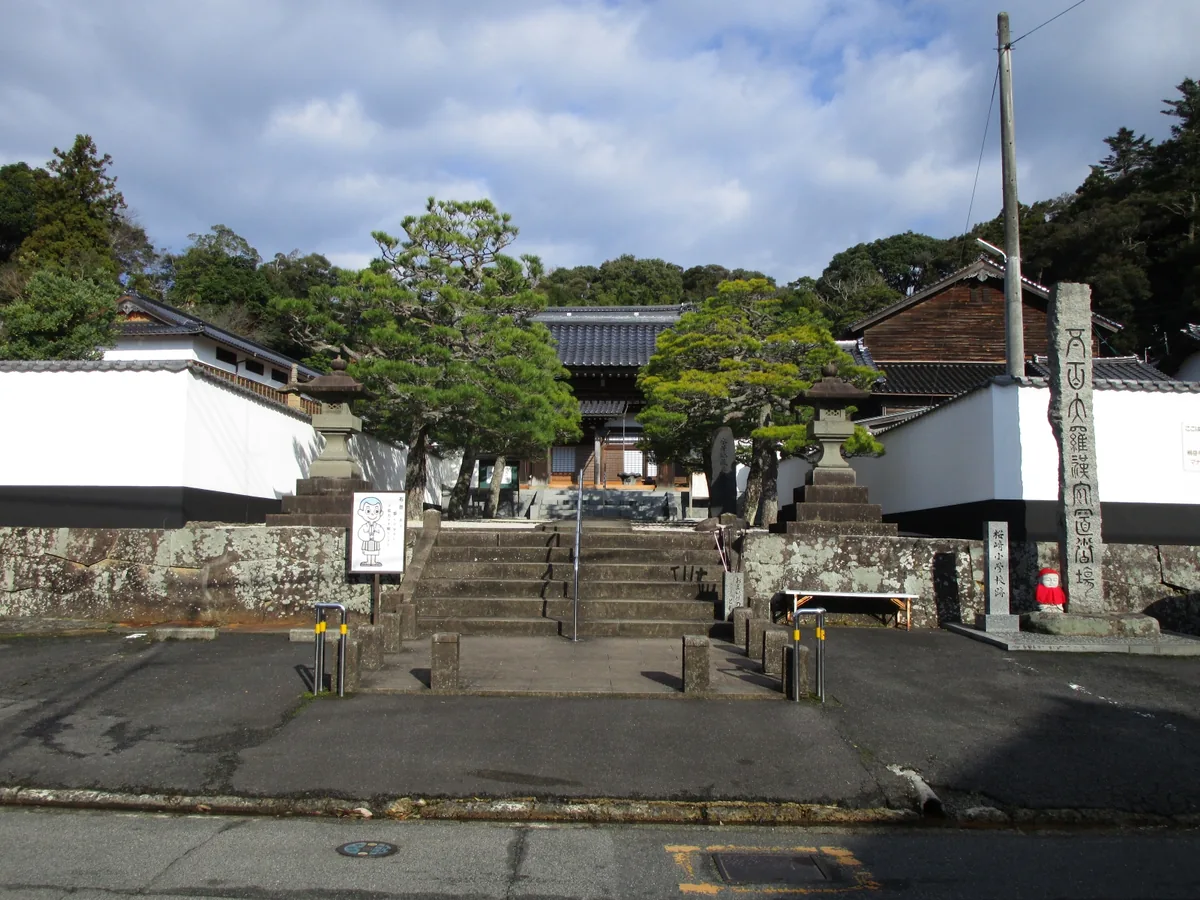
- Shijimi-jiru (Lake Shinji Clam Miso Soup)
- Yamato shijimi, the clam variety unique to Lake Shinji, grow larger than standard shijimi and rank among the lake's prized foods, according to the official specialties guide.
- Fishing boats work the lake early each morning to harvest them, and the resulting miso soup shows up as a breakfast staple in hotels around the lake.
- Station-area izakaya such as Maruzen Suisan also serve it as a side dish alongside San'in seafood. The Lake Shinji clam guide covers where the soup is served best and how the clams are farmed.
- Izumo Soba, Warigo Style
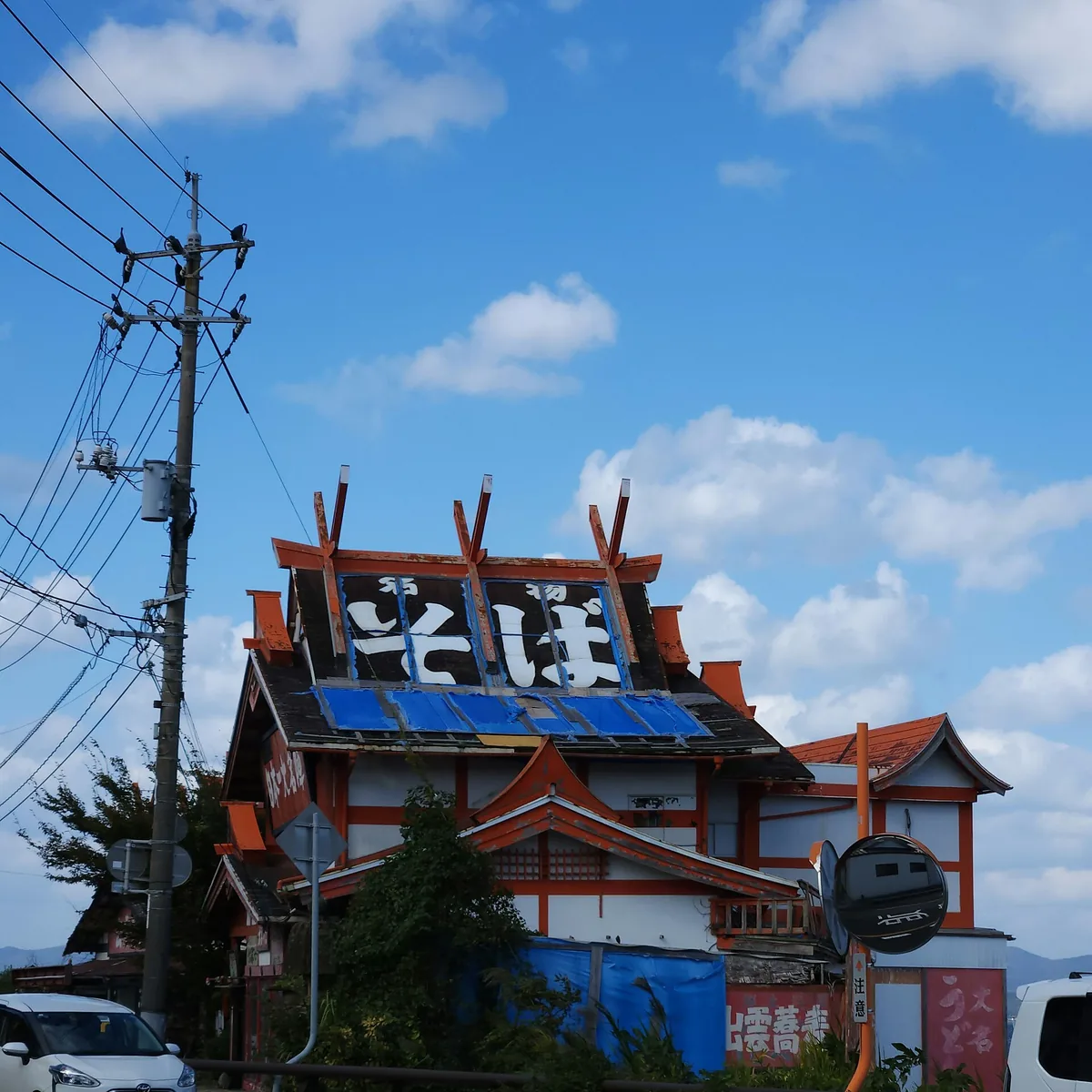
- Izumo soba is milled with the buckwheat husk left in, which gives the noodles a darker grey-black color and a firmer bite than standard soba.
- Warigo soba stacks three round lacquer boxes, each topped with nori, spring onion, grated daikon, and a thick dipping sauce poured straight over the noodles.
- Yakumoan, near Matsue Castle, is a common first stop and stays busy well into the afternoon. Plan on a wait even outside peak lunch hours. Its walls carry signed photos from past guests, including Matsue-born tennis player Kei Nishikori.
- Taimeshi (Sea Bream Rice)
- Taimeshi was created for the Matsue domain by Matsudaira Harusato, known as Lord Fumai, after exposure to Dutch trade brought new ideas about mixing rice dishes.
- The set arrives as rice topped with cooked sea bream, chopped egg white and yolk, spring onion, and nori, with dashi poured over at the table.
- Minami-Kan serves it in a dining room facing a Japanese garden and Lake Shinji. A lunch set has run around ¥3,000 in a previously published account. Dinner reservations are worth calling ahead for.
- Matcha and Wagashi
- Matsue's matcha culture traces back to Lord Fumai, whose 18th-century patronage made the city a matcha town rather than a sencha one.
- Nakamura Chaho has sold tea for about 130 years, offers grades from Usucha up to the higher-grade Okoicha, and runs a matcha tea-ceremony experience on site.
- Saiundo makes the signature wakakusa rice cake and teaches wagashi shaping for about ¥1,080 a class. Karakoro Art Studio runs similar workshops nearby.
- Beni Zuwai and Matsuba Crab (Winter)
- Beni Zuwai, also called red snow crab, and Matsuba crab define winter eating across the San'in region.
- Hotel Ichibata, across from Lake Shinji, has paired stays with multi-course Beni Zuwai dinners running to eleven courses in past published accounts. Courses have opened with sesame tofu and crab sashimi before the whole crab arrives with shell scissors for the meat.
- For a casual version, Shamine Matsue, the mall by the station, gathers seafood counters and izakaya without a reservation. The seafood guide has current crab-season shop listings.
- Agonoyaki and Local Sake
- Agonoyaki is a grilled sausage made from paste of ago, the flying fish that is Shimane's prefectural fish. It cooks slowly over charcoal and pairs well with sake or beer.
- Matsue's three sake producers are Rihaku, Kokki, and Yoneda, all drawing on clear local water for an aromatic style. Several retailers around town pour tastings of all three.
- Station-area izakaya such as Izakaya Yorozu pair agonoyaki and sake flights with San'in seafood. The sake and craft beer guide lists current tasting spots.
- Zenzai and Bote-bote Cha
- Zenzai, a red bean soup with rice cakes served hot or cold, takes its name from an Izumo dialect phrase for the gods gathering here during Kamiarizuki.
- Bote-bote cha is a soup-like whisked tea said to have been created by Lord Fumai during a famine, to stretch food rations with fillings like rice, beans, or pickled vegetables.
- Both dishes turn up on menus around the castle district and at traditional tea houses, often alongside the wagashi and matcha covered above.
Best Restaurants in Matsue Near the Station
Beyond the dishes above, a few station-area restaurants come up often enough in current rankings to name directly. All four sit within a few minutes of Matsue Station, according to current listings.
- San'in Ryosakaba Maruzen Suisan
- A 5-minute walk from Matsue Station's North Exit, this izakaya serves San'in seafood at affordable prices with a multilingual menu.
- Dinner runs roughly JPY 4,000-4,999 per person.
- Hana no Mai Shamine Matsue ten
- A 1-minute walk from Matsue Station, this seafood and sushi izakaya focuses on fresh catch and selected local sake.
- Dinner runs roughly JPY 3,000-3,999 per person.
- Shunsai Washu KOTO
- A 3-minute walk from the station, this restaurant serves seasonal Shimane flavors in a refined izakaya setting.
- Dinner runs roughly JPY 5,000-5,999 per person.
- Japanese Cuisine Matsue Waraku
- A 3-minute walk from JR Matsue Station North Exit, this restaurant specializes in Matsuba crab and regional Shimane cuisine.
- Dinner runs roughly JPY 6,000-7,999 per person.
Tea House Etiquette: Meimei-an and the Everyday Matcha Shops
Matsue's matcha habit dates to Matsudaira Harusato, the domain lord known by his tea name, Fumai, whose patronage embedded tea ceremony into daily life rather than reserving it for formal occasions. Meimei-an, one of the city's historic tea houses, and Gessho-ji Temple keep that formal tradition, following seated tea-ceremony conventions instead of a casual counter order. At Matsue History Museum, the tea room hosts wagashi maker Tsugio Itami, who demonstrates confection shaping in front of visitors, according to the official specialties guide. Nakamura Chaho, in business for around 130 years, runs a matcha tea-ceremony experience that walks guests through the actual technique. That includes measuring roughly 1.25 grams of matcha with a chashaku scoop, adding about 60 milliliters of hot water, then whisking with a bamboo chasen. A dense, even layer of small bubbles is called Urasenke style, while a thinner, partly clear surface is Omotesenke style. Nakamura Chaho and Saiundo sit at the more approachable end of that spectrum. Both are walk-in shops, where a bowl of matcha and a seasonal wagashi cost a set price with no reservation required. All three tea locations sit within or near the Castle District, so a tea-and-wagashi stop is easy to combine with sightseeing. For a full walkthrough of tea-ceremony basics and shop-by-shop wagashi comparisons, see the wagashi and tea guide.
Lord Fumai's 18th-century patronage shaped Matsue's tea culture on two fronts: elevating matcha over sencha as the dominant tradition, and embedding ceremony into daily practice rather than formal occasions—a legacy visible today in both Meimei-an's seated ceremonies and Nakamura Chaho's walk-in shops.
When to Visit for Crab and Persimmon Season
Matsue's food calendar moves with the seasons. Winter centers on Beni Zuwai and Matsuba crab. Hotel course dinners and station izakaya both build menus around the catch once the season opens, so confirm exact dates each year with the restaurant or hotel. Late fall belongs to hoshi-gaki, dried persimmons. In the Higashi-Izumo neighborhood in southeastern Matsue, hundreds of persimmons are strung to dry on lines. The official specialties guide credits the technique to a preference among the region's historic samurai lords. Autumn also lines up with zenzai season, tied to Kamiarizuki, the month regional folklore says the gods gather in Izumo. Spring brings seasonal wagashi shaped for cherry-blossom viewing, with shops like Saiundo rotating designs to match. Warm months favor a cold version of Izumo soba, a lighter way to eat the same buckwheat noodles found in warigo boxes. Some seasonal dishes also tie to citywide festivals. Check Visit Matsue's own events calendar for exact food-stall dates before building a trip around a single event. For a broader seasonal calendar spanning neighboring Izumo and Yonago, the San'in food guide covers specialties across the wider region.
Costs, Reservations, and the Wednesday Rule
Matsue rewards planning around individual operating schedules. Some independent restaurants, cafes, and craft shops close midweek, but there is no dependable citywide Wednesday rule. Use each business's official notice for the visit date; third-party listings and rankings can be useful for discovery but are not authoritative for current hours.
| Item | Typical Price | Where |
|---|---|---|
| Station izakaya dinner | ¥3,000-¥5,999 per person | Tabelog-listed restaurants near Matsue Station |
| Warigo soba set | around ¥720 (published account; confirm current price) | Yakumoan |
| Taimeshi lunch set | around ¥3,000 (published account; confirm current price) | Minami-Kan |
| Wagashi-making class | about ¥1,080 for 30 minutes | Karakoro Art Studio / Saiundo |
| Usucha matcha, 30g | about ¥1,200 (published account; confirm current price) | Nakamura Chaho |
| Okoicha matcha, 30g | about ¥3,000 (published account; confirm current price) | Nakamura Chaho |
- Independent restaurants and craft shops set their own weekly closures. Check the operator's current notice before walking over.
- Last-order times vary even within the same neighborhood. Confirm the chosen venue rather than relying on a citywide evening cutoff.
- Reservations are recommended for higher-end seafood, including Izakaya Yorozu, and for taimeshi at Minami-Kan.
- Locals often answer a good turn with Dandan instead of arigato. Using it at a shop counter is a quick way to build rapport.
How to Eat Warigo Soba Like a Local
Warigo soba is usually served in three stacked lacquer bowls, but the stack is not just presentation. Start with the top bowl. Add a little of the supplied dipping broth and whichever condiments appeal, often grated daikon, chopped spring onion, and nori. Eat from that bowl rather than pouring everything into a separate cup.
When the first bowl is empty, tip any remaining broth and toppings into the next bowl, then add more broth if needed. Repeat with the third bowl. This carries the seasoning down through the set and lets you adjust the strength as you go. The dark, husk-ground noodles can taste more assertive than pale soba, so start lightly with the broth. At a busy shop such as Yakumoan, decide on your order before joining the queue. A three-tier warigo set is a practical lunch after Matsue Castle, while a larger set suits a longer stop.
How This Guide Was Verified
Food availability, access details, seasonal rules, and the time-sensitive claims in this guide were checked on August 22, 2026 against the official sources below. Independent restaurant menus, prices, opening days, and sell-outs can change, so confirm the operator's same-day notice before making a special trip.
Explore food in other cities
Frequently Asked Questions
What is the most iconic dish to try in Matsue?
Shijimi-jiru, a miso soup made with Lake Shinji's yamato shijimi clams, is the dish most tied to the city, alongside taimeshi sea bream rice. Both show up on breakfast menus and at sit-down restaurants near Lake Shinji. Start with one of these before branching into soba or matcha.
Which Matsue restaurants and shops close on Wednesdays?
There is no reliable citywide rule. Some independent businesses close midweek, while others use different fixed or irregular days. Check the operator's current notice for the exact address and date.
How much should you budget for meals in Matsue?
Use the current menu for the intended restaurant or workshop. Third-party price bands and past published prices can become stale, and the total varies with courses, drinks, and service format.
When is crab season in Matsue?
Beni Zuwai and Matsuba crab define winter eating across the San'in region, with hotel course dinners and izakaya menus built around them once the season opens. Exact opening dates shift year to year. Confirm current availability directly with restaurants or hotels like Hotel Ichibata before booking a crab-focused stay.
Do you need reservations for seafood or taimeshi restaurants?
Reservations are recommended for higher-end seafood spots such as Izakaya Yorozu and for taimeshi at Minami-Kan, especially at dinner. Casual station-area izakaya and the Shamine Matsue food hall generally take walk-ins. Booking a day ahead avoids a wait during peak travel weekends.
Is Izumo soba different from soba found elsewhere in Japan?
Yes. Izumo soba is milled with the buckwheat husk left in, giving it a darker color and firmer texture than typical soba. It is most often served warigo style, in three stacked lacquer boxes, rather than as a single bowl.
What should first-time visitors order at Minami-Kan?
Taimeshi is the dish to order, a Matsue original built from cooked sea bream, egg, spring onion, and nori spooned over rice with dashi poured on top. A lunch set has been priced around ¥3,000 in past published accounts. Dinner reservations are worth calling ahead for at this garden-view restaurant.
Explore Matsue Food and Dining
Use these guides to compare local dishes, dining areas and practical food experiences in Matsue.
Food and Dining Guides
Free guide: Japan's Hidden Gems
12 under-the-radar places beyond Tokyo & Kyoto — with the best season to visit each and a local tip you won't find in the guidebooks.
You might also like


Continue reading
More guides you'll find useful