Matsue Seafood and Lake Shinji Dining Guide
Discover the best seafood in Matsue, from Lake Shinji's seven delicacies to winter Matsuba crab. Restaurant picks, seasonal charts, and 2026 dining tips.
On this page
Last updated August 2026, this Matsue seafood guide breaks down two distinct catches: brackish Lake Shinji specialties and open-water hauls from the Sea of Japan. The single most-ordered dish is shijimi clam miso soup, made from Yamato shijimi that fishing boats gather from the lake nearly year-round. Season and neighborhood decide where to eat it, from Tamatsukuri Onsen sushi counters to winter crab shacks near JR Matsue Station.
What Makes a Matsue Seafood Guide Different: Lake Shinji vs. the Sea of Japan
Lake Shinji sits at the center of Matsue's identity as the City of Water. Sea water flows into the lake from the Sea of Japan by way of Lake Nakaumi, keeping it genuinely brackish. Fresh and salt water mix in the same basin, producing species rare in most Japanese lakes. Shijimi clams, eel, and whitebait share the water with bass and shrimp. Visit Matsue's official Lake Shinji overview lists it as Japan's seventh largest lake by area, part of a Ramsar wetland site since 2006. Ports along the Sea of Japan supply nodoguro, matsuba crab, and turban shell to the city's sushi counters and izakayas, a separate catch from anything the lake itself produces. That contrast between a calm lake catch and a rougher open-sea catch is why menus across Matsue read differently from one address to the next. Order shijimi clam miso soup if you only try one dish. It appears on nearly every seafood menu in Matsue and is the fastest way to taste the lake-and-sea mix that defines this Matsue seafood guide. This spoke sits inside the wider What to Eat in Matsue: 7 Foods You Need to Try in 2026 pillar guide, which maps the city's other neighborhood specialties.
The Seven Delicacies of Lake Shinji (Shinjiko Shicchin)
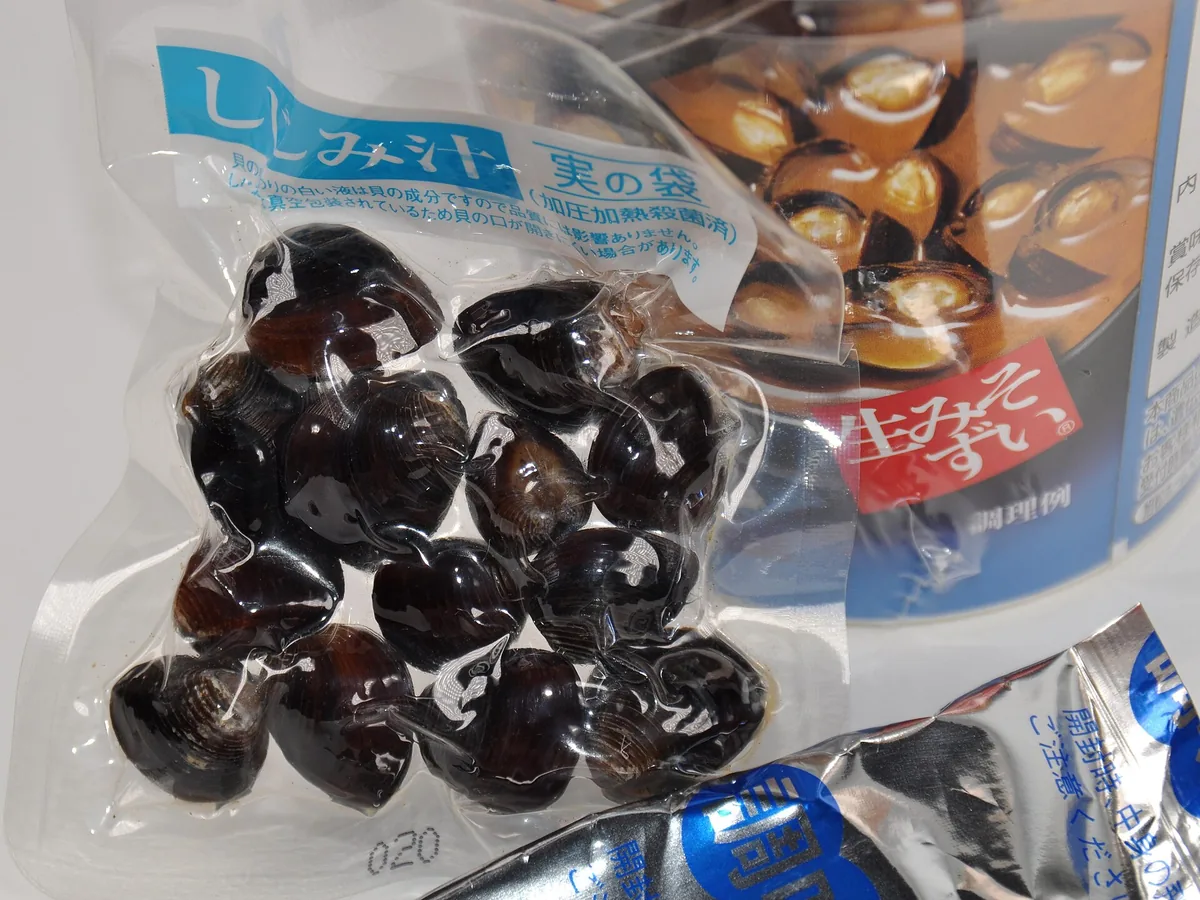
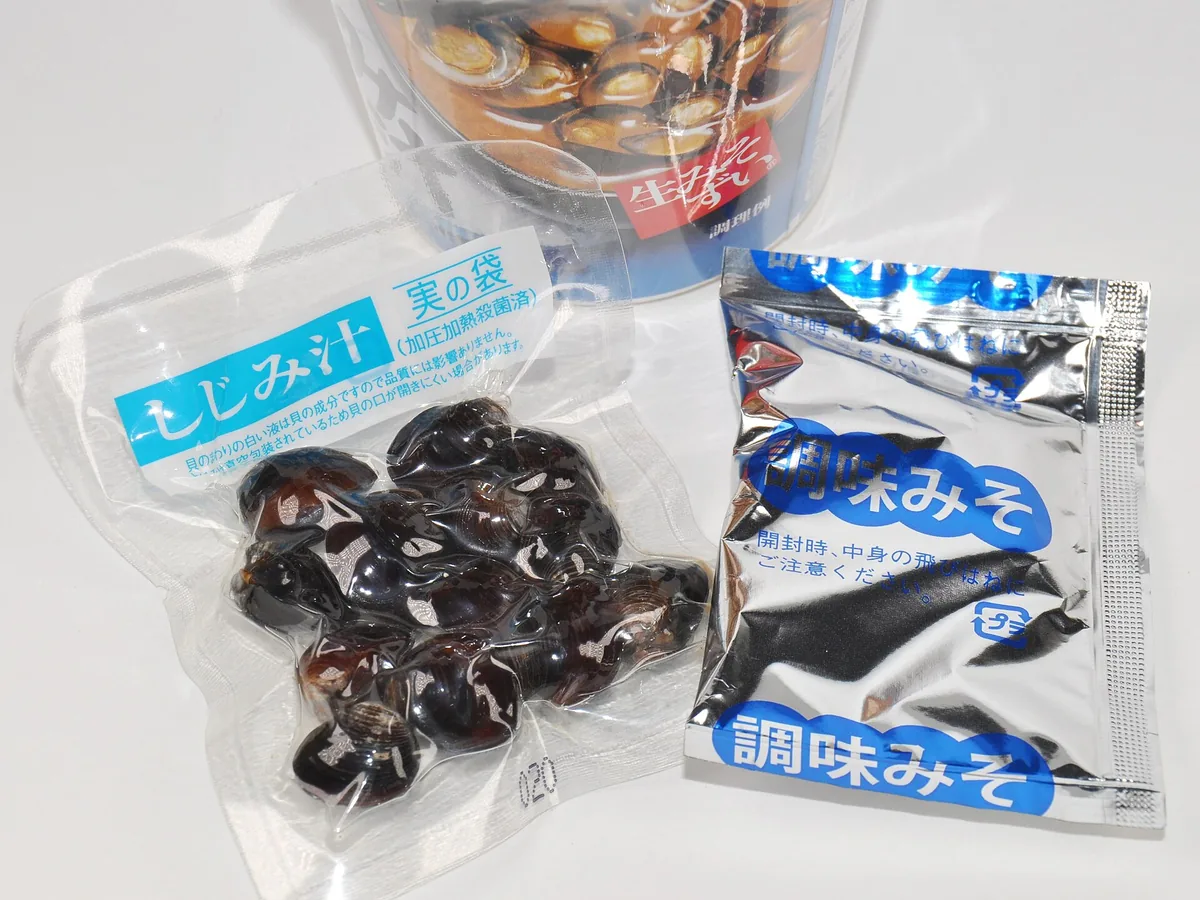
Locals call the lake's signature catch Shinjiko Shicchin, the Seven Delicacies of Lake Shinji. The official tourism site defines the group as suzuki, moroge-ebi, unagi, amasagi, shirauo, koi, and shijimi. In English, that's sea bass, shrimp, eel, smelt, whitebait, carp, and clams. Shijimi is the most iconic of the seven and the only one available close to year-round. A dedicated shijimi clams guide covers the soup, the harvesting boats, and where to buy the clams dried to take home. Each of the other six delicacies peaks in a different season, so timing changes which dish is likely to be freshest on a given visit. A Shijimi Center also operates on the lake's north shore at Shinjiko Onsen, selling fresh and dried clams next to a free public foot bath.
| Delicacy | Best Season | Notes |
|---|---|---|
| Shirauo (whitebait) | Early spring | Lightest of the seven, often served raw or lightly cooked |
| Shijimi (clams) | Year-round, richest in winter | The only delicacy sold dried as a souvenir |
| Unagi (eel) | Summer | Grilled or served over rice as unagi mabushi |
| Moroge-ebi (shrimp) | Autumn | Small brackish-water shrimp, often tempura-style |
| Suzuki (sea bass) | Winter | Firm white fish, served grilled or as sashimi |
| Amasagi (smelt) | Winter | Small fish, usually pan-fried whole |
| Koi (carp) | Winter | A traditional preparation, less common on tourist menus |
Where to Eat: The Matsue Seafood Decision Matrix
Four venues anchor Matsue's seafood scene, each built around a different specialty and price tier. The table below compares them by signature dish, season, and vibe. Ajiminami Fujinatei operates inside the Kaibikan ryokan on the Lake Shinji shoreline, and its Ieden Tai-meshi recipe has been handed down inside the ryokan family for generations. Lakefront tables here book up fastest for the sunset window. The official Lake Shinji page tracks a daily sunset forecast, and checking it before you reserve dinner helps you land a table for the best light. Naniwa Sushi has served mushi-zushi from its Kyoten Shopping Street address for more than 130 years, and local accounts credit the founder's wife with creating the dish around 1887 as a winter-only item that is now served year-round. Go for lunch, not dinner: the kitchen switches to takeout-only in the evening and often sells out before closing. Wakatake Sushi sits in the Tamatsukuri Onsen hot spring district and has run through three generations of the same family since 1955. Its Premium Kaisen-don piles 11 kinds of seafood, including Sakaiminato's morning catch, over vinegared Koshihikari rice. Kani-ichi Crab Shack is a genuinely seasonal operation, not a year-round restaurant, built around hands-on tableside BBQ grilling and a crab soup finish. Confirm the exact 2026-2027 winter dates directly with the shack before booking, since crab season openings shift slightly year to year.
| Category | Key Specialty | Best Season | Vibe / Price Tier | Top Pick |
|---|---|---|---|---|
| Lake Specialties | Shijimi clams | Year-round | Casual, $ | Naniwa Sushi (mushi-zushi) |
| Ryokan Classics | Tai (sea bream) | Spring, available year-round | Elegant, $$$ | Ajiminami Fujinatei |
| Winter Indulgence | Matsuba crab | Mid-Nov to mid-Feb | Rustic BBQ, $$$ | Kani-ichi Crab Shack |
| Local Izakaya | Nodoguro and sashimi | Seasonal | Social, $$ | Nekko |
| Quick Lunch | Kaisen-don | Year-round | Casual, $$ | Wakatake Sushi |
- Ajiminami Fujinatei — a Lake Shinji-side dining option in Tamayu-cho. Confirm the current meal periods, reservation notice, set price, and daily quantity directly.
- Naniwa Sushi — a mushi-zushi option in Kyoten Shopping Street. Confirm current dine-in periods, weekly closures, menu, and price with the operator.
- Wakatake Sushi — a seafood option in Tamatsukuri. Confirm current lunch and dinner hours, closing day, kaisen-don contents, and price.
- Kani-ichi Crab Shack — Higashiasahimachi, near JR Matsue Station. Its published 2025–26 winter season has ended; confirm the next season, hours, menu, and any grill fee directly before planning a visit.
Seafood Izakayas Near JR Matsue Station
Most of Matsue's seafood izakayas cluster within walking distance of JR Matsue Station, which makes a station-area crawl easy to plan around an evening train. Nekko, written 諸国お勝手料理 根っこ in Japanese, pairs regional sake with small seafood plates in a casual, counter-driven setting. Akanedoki Matsue Ekimae stays open later than most kitchens in the area and publishes an English menu, which is not universal among the station-area izakayas. Fisherman's Hut Mugiho focuses specifically on crab, while Japanese Seafood Isaribi is known locally as reservation-heavy on Fridays and Saturdays, so book ahead if you are traveling on a weekend. Specialty seafood dining sits a little further out: Wakatake Sushi, covered above, is in the Tamatsukuri Onsen district, roughly 15 minutes by train or taxi from the station area. Pair the sashimi with a local pour. The sake and craft beer guide covers the labels these izakayas pour by the glass.
Kani-ichi's published 2025–26 winter season has ended. Do not treat those old dates as the next opening window; wait for the operator's current-season announcement.
- Nekko (諸国お勝手料理 根っこ) — check the current menu, service periods, and holiday closures directly.
- Akanedoki Matsue Ekimae — open 5:00 pm-12:00 am, last order 11:30 pm; English menu available.
- Izakaya Miyabi — confirm the current menu, service periods, and weekly closure.
- Seafood and Kushiyaki Manten — confirm the current lunch or dinner service and prices.
- Fisherman's Hut Mugiho — ask whether the crab-focused course is currently offered and confirm its price and opening days.
- Japanese Seafood Isaribi — confirm the current menu, hours, closing day, and reservation policy.
Shijimi Fishing Boats and the Lake Shinji Pleasure Cruise
Two Lake Shinji experiences pair naturally with a seafood-focused visit. Fishers gather Yamato shijimi from the lake early on Monday, Thursday, and Friday mornings, weather permitting, using a rake-like tool called a joren. Visit Matsue reports an annual catch of roughly 6,000 tons. The Lake Shinji Pleasure Cruise runs a one-hour loop with six or seven sailings a day. Boarding costs ¥2,000, or ¥1,800 with the international discount. Reserve at least one day ahead for an onboard meal. From March through November the cruise runs daily; from December through February it operates on weekends and holidays, while weekday sailings require a reservation for at least 10 passengers. Confirm the day's schedule before arriving, then combine the cruise with the central Matsue attractions.
Lake Shinji's fishing boats work just three days weekly, yet deliver 6,000 tons of Yamato shijimi to restaurants annually, supporting year-round availability despite the limited fishing schedule.
Practical Planning: Mistakes to Avoid and Reservation Tips
A few planning mistakes come up often enough to flag directly, from seasonal closures to reservation crunches. Pair a seafood lunch with something sweet afterward. The wagashi and tea guide lists confectioners near the Kyoten shopping street. The wider San-in cuisine guide covers Izumo's tai-meshi and kaisen-don specialists alongside Matsue's own.
- Kani-ichi's published 2025–26 season has ended; confirm the next winter opening directly rather than reusing those dates.
- Naniwa Sushi switches to takeout-only from about 4:30 pm, so go for lunch if you want table service.
- Japanese Seafood Isaribi is reservation-heavy on Fridays and Saturdays, so book ahead for a weekend seat.
- Not every lakefront table has a sunset view, so ask for lake-facing seating when booking a sunset dinner at Fujinatei or a similar restaurant.
How This Guide Was Verified
Food availability, access details, seasonal rules, and the time-sensitive claims in this guide were checked on August 22, 2026 against the official sources below. Independent restaurant menus, prices, opening days, and sell-outs can change, so confirm the operator's same-day notice before making a special trip.
Frequently Asked Questions
What is the most famous seafood dish in Matsue?
Shijimi clam miso soup is the single most-ordered dish, made from Yamato shijimi that fishing boats gather from Lake Shinji on Monday, Thursday, and Friday mornings. The shijimi clams guide covers where to eat it and how to buy the clams dried to take home.
When is Matsuba crab season at Kani-ichi Crab Shack?
Kani-ichi's published November 15, 2025–February 15, 2026 season has ended. Confirm the operator's next-season dates and menu before planning a winter trip; the previous schedule does not guarantee a future opening window.
Where are Matsue's best seafood izakayas located?
Most seafood izakayas, including Nekko and Akanedoki, cluster within walking distance of JR Matsue Station. Specialty seafood restaurants like Wakatake Sushi sit about 15 minutes by car or bus away in the Tamatsukuri Onsen district.
How much does the Lake Shinji Pleasure Cruise cost, and can you eat on board?
Boarding costs ¥2,000, or ¥1,800 with the international discount, for a one-hour loop around the lake. Reserve at least 24 hours in advance to have a Seven Delicacies bento served during the sailing.
What is the best time to watch the shijimi fishing boats?
Head to the Lake Shinji or Ohashi River shoreline early in the morning on Monday, Thursday, or Friday, when fishers work the water with rake-like joren tools. Lake Shinji fishers bring in roughly 6,000 tons of shijimi a year, among the largest hauls in Japan.
What's the difference between eating near Matsue Station and in Tamatsukuri Onsen?
The JR Matsue Station area concentrates seafood izakayas like Nekko and Akanedoki for evening drinking and small plates. Tamatsukuri Onsen, about 15 minutes by car or bus away, suits a sit-down seafood meal like Wakatake Sushi's kaisen-don after a hot spring soak.
Free guide: Japan's Hidden Gems
12 under-the-radar places beyond Tokyo & Kyoto — with the best season to visit each and a local tip you won't find in the guidebooks.
You might also like


Continue reading
More guides you'll find useful