Kusatsu Onsen Yumomi Show Travel Guide
Plan your Kusatsu Onsen Yumomi Show visit with top picks, timing tips, and practical booking advice for a smoother trip to Japan.
On this page
The Kusatsu Onsen Yumomi Show is one of Japan's most distinctive cultural performances. Held at Netsunoyu — a historic bathhouse right beside the Yubatake in central Kusatsu — it recreates an Edo-period technique for cooling scalding hot spring water without diluting its minerals. Performers use 180cm wooden paddles to stir and splash the water in rhythm with traditional folk songs.
Kusatsu sits at 1,200 metres in Gunma Prefecture, about three hours from Tokyo by train and bus. Its springs produce 5,000 litres of thermal water every minute — the highest output of any Japanese hot spring — but the water emerges at up to 90°C, far too hot to bathe in. Yumomi is the solution that locals developed centuries ago, and watching it performed live remains the centrepiece of any visit to the town.
This guide covers the show schedule, ticket logistics, the hands-on Taiken participation session, what to do after the performance, and how to plan a full day around Kusatsu's other attractions.
Yumomi Ritual, Kusatsu Onsen, Gunma Prefecture
The Yumomi ritual has been performed in Kusatsu since the Edo period. The core problem it solves is straightforward: spring water here reaches 70–90°C at the source. Adding cold water would lower the temperature, but it would also dilute the high-acidity mineral content that gives Kusatsu onsen its reputed therapeutic qualities. Stirring the water with large wooden paddles instead aerates it, distributing heat and bringing the temperature down to a safe bathing range of roughly 42–45°C.
At Netsunoyu, up to ten performers work in two rows of five on opposite sides of the spring pool, each holding a 1.8-metre paddle. They stir and slap the water in unison to the beat of traditional Kusatsu folk songs, splashing water upward so it cools as it falls. The half-hour performance also includes a short introductory video with English subtitles before the live demonstration begins.
The standard cast is the yumomi musume, women dressed in traditional indigo yukata. However, Netsunoyu also runs special "macho yumomi" shows featuring yumomi-kun — male performers who are members of a local professional football team, dressed in happi coats. These shows run several times a month and draw a notably different crowd; check the Netsunoyu schedule in advance if you want to catch one.
Performances run six times daily: 09:30, 10:00, 10:30, 15:30, 16:00, and 16:30. The admission fee is 600 yen per adult. Tickets can only be purchased 30 minutes before each show, and the first performance of the day is consistently the most popular. Arrive at Netsunoyu by 09:00 if you want a comfortable seat for the 09:30 slot.
Yumomi Taiken: Joining the Performance Yourself
The Taiken (体験) session is an opt-in participation element built into the regular show. Up to 40 audience members are invited onto the stage to try stirring the water with the paddles. Participation is first-come, first-served — there is no separate registration. Spots fill quickly because the hosts call for volunteers in Japanese, and domestic visitors tend to move faster.
To secure a spot, position yourself in one of the corner areas close to the stage before the call goes out. Do not wait in the middle of the audience seating. If you miss the first volunteer round, a second round is sometimes offered before the show ends, so stay in position.
After trying the paddles, participants receive a small certificate and a notepad printed with Kusatsu's yuru-kyara mascot, Yumomi-chan. It takes about two minutes of actual stirring to feel how much physical effort is involved — the paddles are heavier than they look and the resistance from the water is significant. The experience makes it clear why this was considered skilled work, not a casual task.
Must-See Kusatsu Attractions
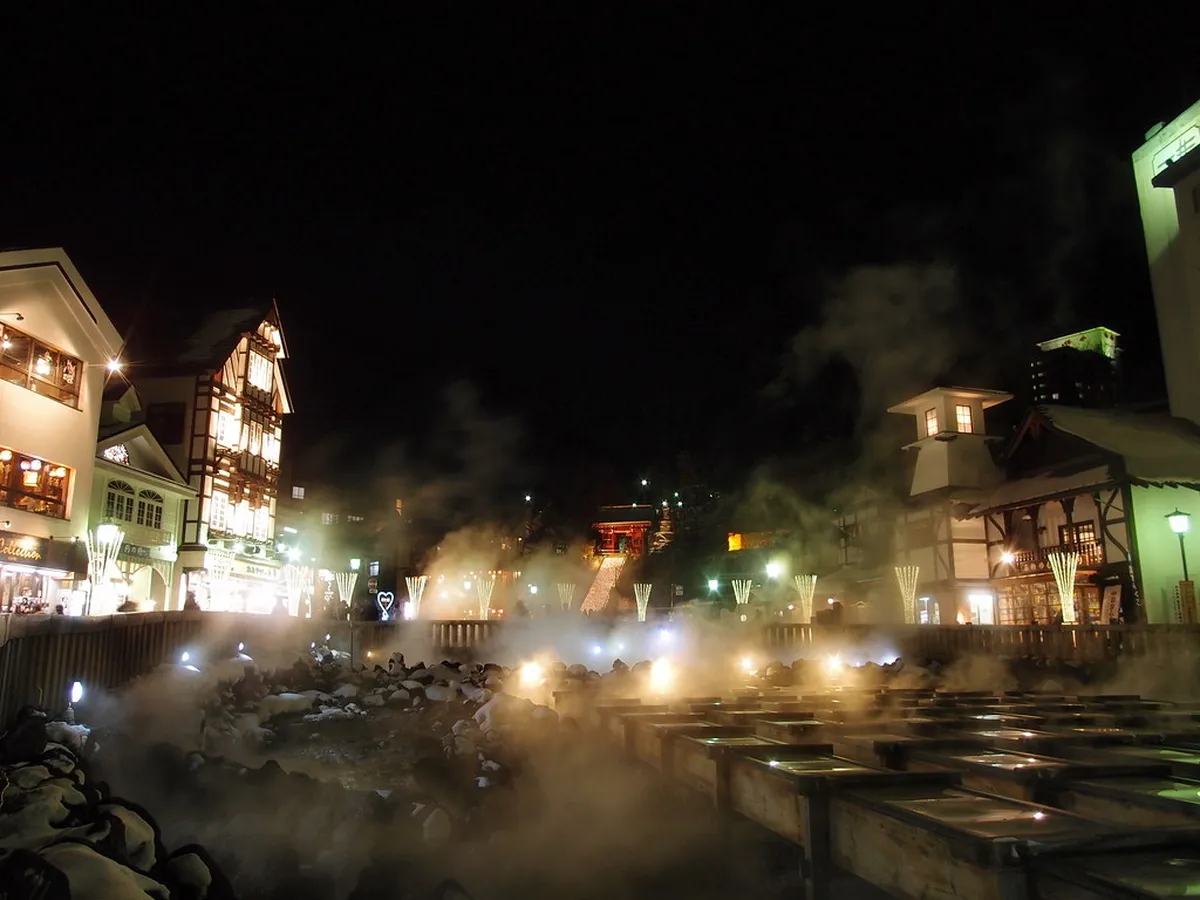
Netsunoyu is steps from the Yubatake, the "hot water field" at the geographic and symbolic heart of Kusatsu. The Yubatake channels spring water through long wooden troughs called mokuhi, slowing it so it cools naturally before being piped to ryokan around town. Steam rises continuously from the blue pool at the bottom, and the site is lit at night — the nighttime view is worth staying for even if you visited during the day.
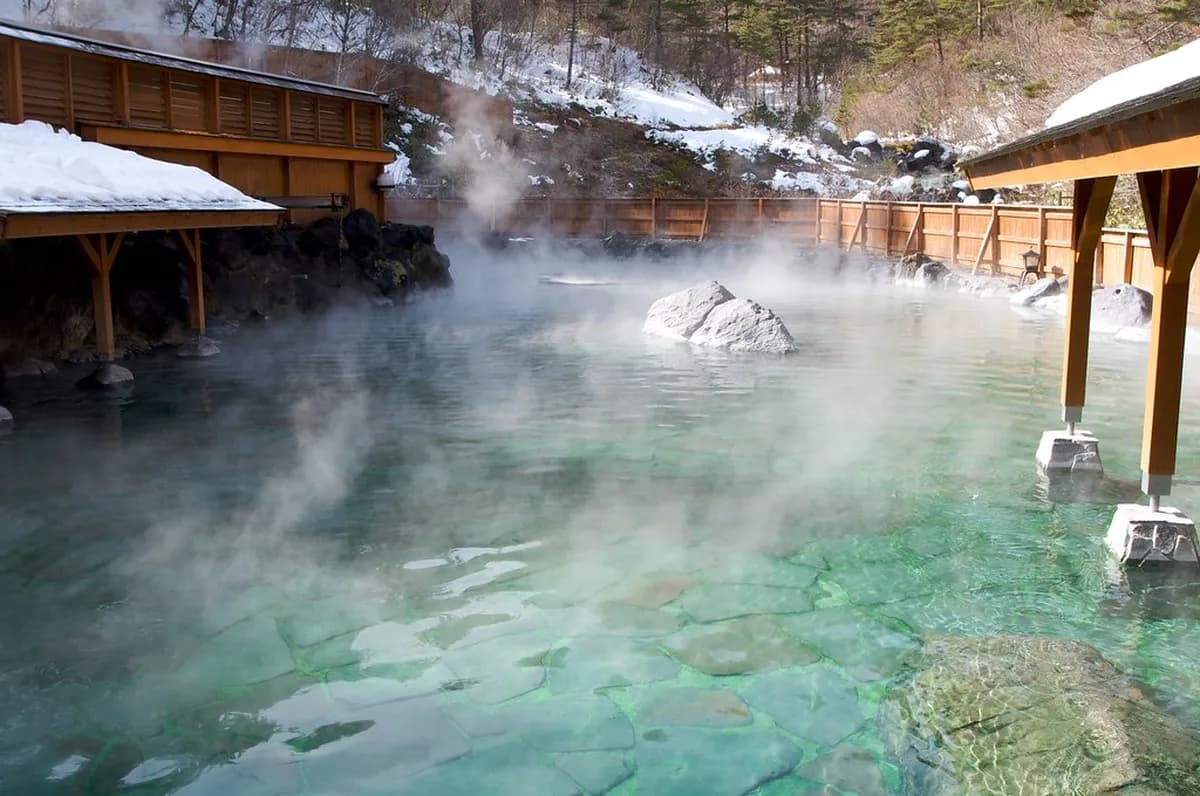
Sainokawara Park, a ten-minute walk from the Yubatake, has a large outdoor rotenburo (open-air bath) with forest views. Entry to the park itself is free; the communal bath has a small admission fee. Scattered throughout Kusatsu are 13 free public onsen facilities where visitors can bathe without charge. These are genuinely hot and mineral-rich — not tourist watered-down versions. Find more details on Kusatsu Onsen Travel Guide to plan around the show.
The town centre is compact enough to walk everywhere. Most visitors cover the Yubatake, Netsunoyu, Sainokawara, and several free public baths comfortably in a single day. The charming streets between these points have traditional craft shops, manju stalls (hot spring steamed buns are the standard Kusatsu souvenir), and small ramen counters.
After the Show: Choosing a Bath
The Yumomi performance exists to demonstrate the water-cooling process, but the logical next step is to actually bathe. Kusatsu has options at every price point. Gozanoyu is known for its large traditional wooden bathtubs and strong mineral concentration. Sainokawara Rotenburo offers the most atmospheric outdoor setting — an open-air pool surrounded by trees. Otakinoyu has a large indoor pool with hillside views and is well-suited to visitors who want a longer, quieter soak.
If you want to skip paid facilities entirely, the 13 free public onsen around town are available to all visitors. These are short-stay baths by design — locals typically spend five to ten minutes in each, cycling between two or three in a single morning. The water is acidic enough that prolonged soaking can irritate sensitive skin, so shorter sessions are actually the traditional approach.
A free foot bath operates near the Yubatake and is a good low-commitment option for visitors who do not want to undress mid-sightseeing. It requires no planning and is open throughout the day. See our guide on Kusatsu Onsen Public Baths Travel Guide for a full breakdown of paid and free facilities.
Museums, Art, and Culture in Kusatsu
The Kusatsu Tsurutaro Kataoka Museum exhibits works by the Osaka-born painter Tsurutaro Kataoka, who was a regular visitor to Kusatsu and drew heavily on the town's steam and sulfurous light in his compositions. The museum is small but unhurried, and it provides context for why artists were drawn here. Admission is modest.
The Kusatsu Onsen Museum documents the development of the town's hot spring culture from the Edo period to the present. It covers the history of yumomi as a practical necessity, the town's status as Japan's most productive onsen, and the role the springs played in both domestic tourism and early international visitor culture. English-language explanations are available for major exhibits.
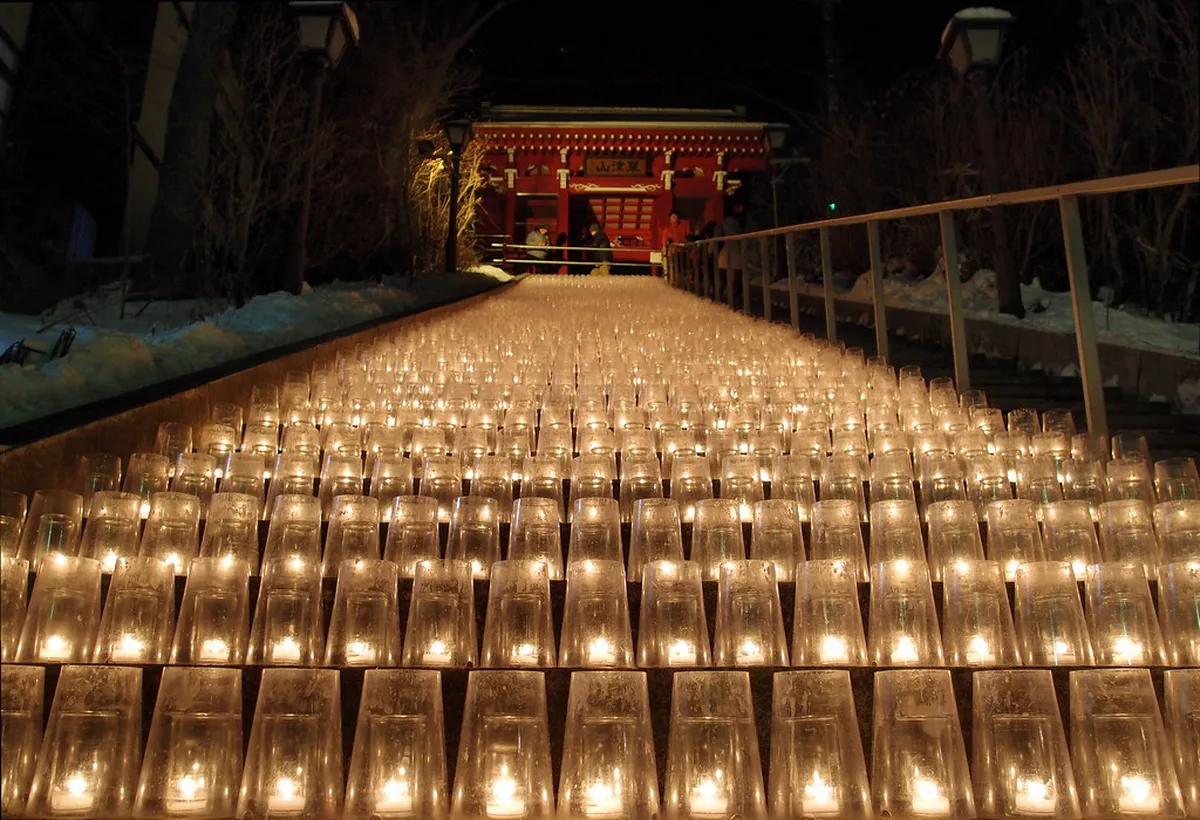
Kusatsu hosts seasonal outdoor events tied to the spring and winter calendar. The winter illuminations around the Yubatake run from late November through early March and are a draw in their own right — the combination of steam, ice, and colored light makes the area look completely different from its daytime appearance.
Family-Friendly and Budget-Friendly Options in Kusatsu
The Yumomi Show at 600 yen is among the better-value cultural experiences in Japan. Children enjoy the spectacle — the splashing water, the rhythmic songs, and the visible effort of the performers hold attention even for younger visitors. The introductory video with English subtitles helps non-Japanese speakers follow along before the live demonstration.
The free foot bath near the Yubatake is family-accessible and requires no planning or preparation. Sainokawara Park's walking paths are stroller-friendly and the park itself is free to enter. For families who want a full onsen experience, several facilities have designated family bath rooms that can be booked privately, which is far more practical with young children than a shared public bath.
Budget accommodation in Kusatsu starts at guesthouses and simpler ryokan with shared baths. Staying overnight rather than day-tripping from Tokyo allows you to access the free public baths early morning and late evening, which are the quietest times. The journey from Tokyo takes about three hours; factor this into whether a day trip or overnight stay makes more sense for your group. Learn about Where To Stay In Kusatsu Onsen Travel Guide for all budgets.
How to Plan a Smooth Kusatsu Attractions Day
Arrive early. The first Yumomi Show at 09:30 is the most popular slot, and tickets go on sale only 30 minutes before. Being at Netsunoyu by 09:00 gives you time to buy a ticket, join the entry queue, and secure a good seat. Note that there are two separate queues: one to buy the ticket, and a second to actually enter the building. Both form before the doors open, so do not confuse one for the other.
After the morning show, walk to the Yubatake while the crowds are still light — most day-trippers arrive between 10:30 and 11:00. This gives you a cleaner view of the mokuhi channels and the central pool without fighting for space. From the Yubatake, Sainokawara Park is a short walk uphill and works well as the mid-morning activity before lunch.
If you want to catch the afternoon show as well, the 15:30 or 16:00 slots are typically quieter than the morning performances. Check the official Netsunoyu schedule at kusatsu-onsen.ne.jp/netsunoyu before your visit, as show times and any temporary closures are updated there. For day-trip logistics from Tokyo, including bus timetables, see our guide on the Kusatsu Onsen From Tokyo Travel Guide.
Most shops and smaller eateries in Kusatsu prefer cash. An ATM is available in the convenience store near the Yubatake. Major ryokan and some restaurants accept credit cards, but do not rely on card-only for a full day of spending.
Getting to Kusatsu from Tokyo
The standard route is the JR Hokuriku Shinkansen from Tokyo Station to Karuizawa (about 75 minutes), then the Kusatsu-Karuizawa Bus direct to Kusatsu Onsen Bus Terminal (about 80 minutes). Combined journey time is roughly three hours. Alternatively, the JR Limited Express Kusatsu-Shima runs from Ueno Station through Naganohara-Kusatsuguchi Station, from where a local bus takes a further 25 minutes to the town centre. This second option is covered by the JR Pass.

Kusatsu is located at 1,200 metres elevation. The town can receive heavy snow from December through March — road delays are rare on major bus routes but not unheard of in severe conditions. Winter is actually a popular season precisely because snow transforms the steam-heavy Yubatake into a particularly atmospheric sight.
There is no train station in Kusatsu itself. Within the town, everything of interest is walkable. The bus terminal is a short walk from the Yubatake and Netsunoyu. Taxis are available at the terminal if you have luggage, but most visitors walk directly.
Frequently Asked Questions
What is the Yumomi experience?
The Yumomi experience is a traditional method of cooling hot spring water. Performers use long wooden paddles to stir the water while singing. This process reduces the temperature without diluting the beneficial minerals. Visitors can watch a performance or even participate in a hands-on session.
Is it worth visiting Kusatsu Onsen?
Yes, Kusatsu Onsen is definitely worth visiting for its unique hot spring culture and natural beauty. The town offers a blend of traditional experiences and scenic landscapes. It is a highly-rated destination for relaxation and cultural immersion. Many travelers find it a highlight of their Japan trip.
What is Kusatsu Onsen famous for?
Kusatsu Onsen is famous for its abundant, high-quality hot spring water. It is known for its strong acidity and reputed healing properties. The town is also renowned for the Yubatake and the traditional Yumomi Show. These elements combine to create a distinctive onsen town atmosphere. Explore more Kusatsu Onsen Public Baths Travel Guide.
What is yumomi in Japanese?
In Japanese, "yumomi" (湯もみ) refers to the traditional method of cooling hot spring water. It literally translates to "water kneading" or "water stirring." This technique uses large wooden paddles to stir and aerate the water. It ensures the water reaches a comfortable bathing temperature.
The Kusatsu Onsen Yumomi Show at Netsunoyu is a 30-minute performance that explains more about onsen culture than any museum exhibit. The combination of physical demonstration, folk music, and optional hands-on participation makes it the most practical cultural anchor for a Kusatsu visit in 2026.
Plan your day around the 09:30 show, arrive at 09:00 to secure tickets and position for the Taiken session, then spend the rest of the morning at the Yubatake and Sainokawara before choosing a bath. At 600 yen entry, it is one of the best-value experiences in the Japanese onsen circuit.
For the broader attractions context, see our guide on Kusatsu Onsen Travel Guide and the Best Time To Visit Kusatsu Onsen Travel Guide for seasonal planning.
For tickets, hours and visitor details, see our Netsu-no-yu Yumomi Hall Visitor Guide and Kusatsu Onsen attractions hub.
Free guide: Japan's Hidden Gems
12 under-the-radar places beyond Tokyo & Kyoto — with the best season to visit each and a local tip you won't find in the guidebooks.
You might also like


Continue reading
More guides you'll find useful