Sainokawara Park Kusatsu Travel Guide
Plan sainokawara park kusatsu with top picks, neighborhood context, timing tips, and practical booking advice for a smoother trip.
On this page
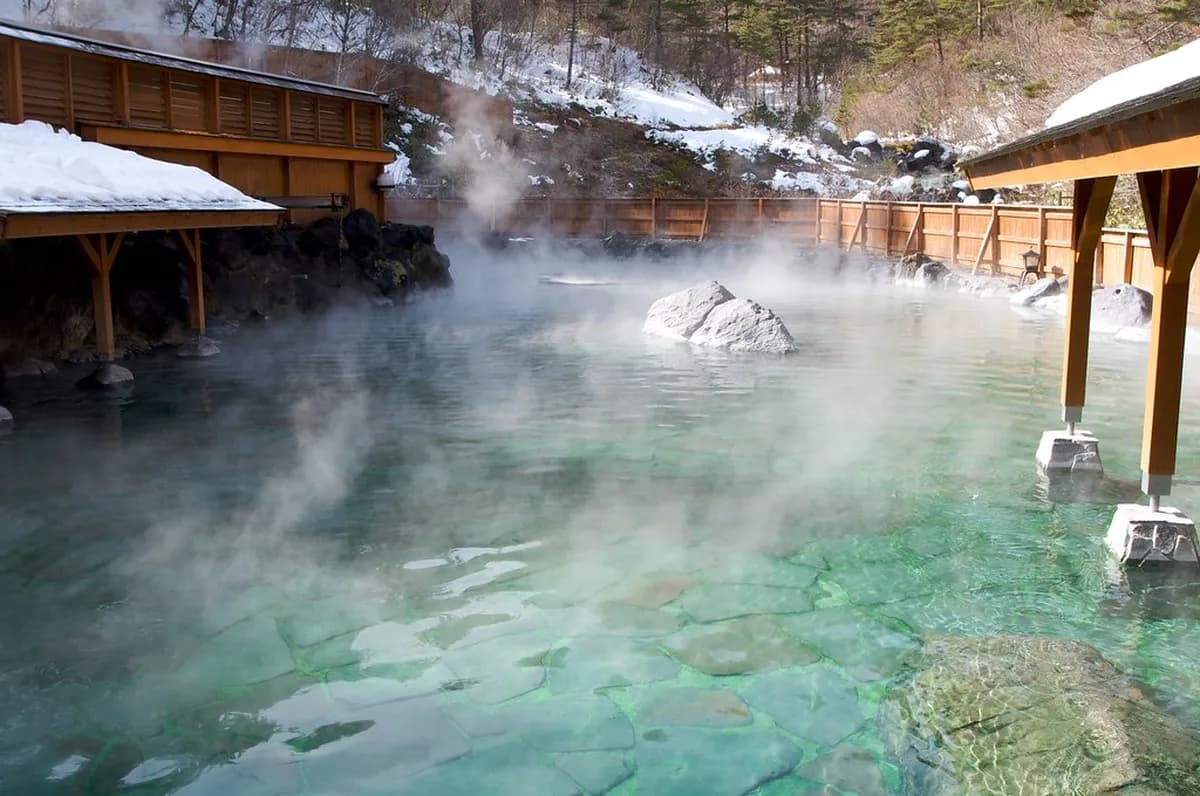
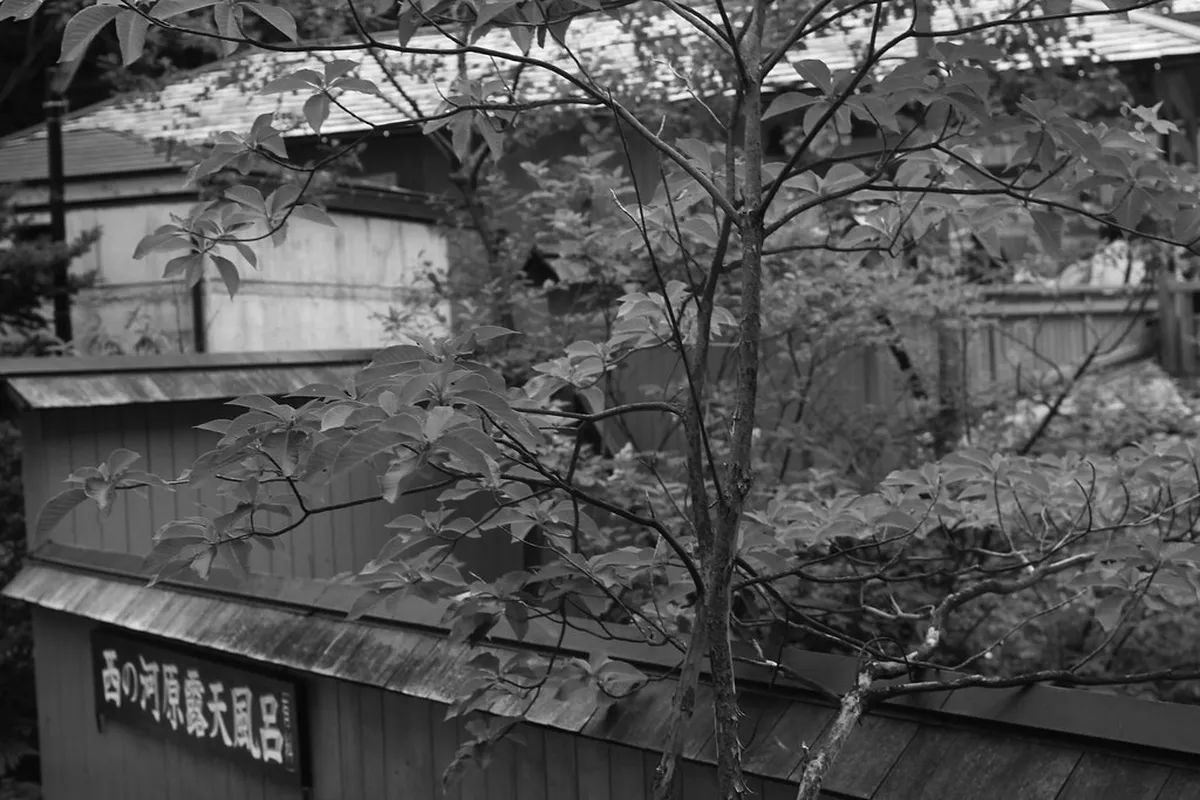
Sainokawara Park sits at the western edge of Kusatsu Onsen town, about a 10–12 minute walk from the famous Yubatake hot water field. The park is free to enter and stretches along a geothermal valley where hot spring water seeps from the ground, colors the rocks in ochre and white mineral deposits, and feeds a series of steaming streams. At the far end of the park stands the Sainokawara Open-Air Bath — one of Japan's largest outdoor rotenburo.
The bath costs 600 yen for adults (300 yen for children) and is open every day. The pool spans roughly 500 square meters of rough-hewn stone fed by Kusatsu's powerful Bandai source spring. It is gender-separated during regular hours but opens for mixed bathing on Fridays from 17:30. Tattoos are permitted without restriction or covering, making this one of the most accessible outdoor onsen in the Kanto region for international visitors.
This guide covers everything you need to plan a visit in 2026: opening hours, fees, what the bathing experience actually feels like, the free alternatives inside the park, the tattoo policy in plain language, and how to get there from Tokyo.
Overview of Sainokawara Open-Air Bath
Sainokawara Open-Air Bath (西の河原露天風呂) is fed directly by the Bandai source spring, one of Kusatsu's seven major hot spring sources. The water arrives at the inlet near boiling and cools as it spreads across the pool, so different sections run at noticeably different temperatures. Moving toward the far edges finds softer heat suited to a long soak; staying near the inlet gives an intense, sharp experience. There are no showers and no soap — this is a soak-only facility.
The pool is enormous by Japanese onsen standards. Even on busy weekends, the 500-square-meter surface area means you can find a quiet corner. Submerged stone platforms sit partially in the water for resting between soaks. The bath is open to the sky and ringed by forest on all sides, so the surrounding landscape changes through the seasons — bare branches and steam in winter, full canopy in summer, red and gold foliage in autumn.
The walk through Sainokawara Park to reach the bath entrance is part of the experience. Hot streams cross the path, geothermal pools bubble beside the trail, and the sulfur scent intensifies as you near the bath. Budget about 10 minutes from the park gate to the bath entrance. You can read more about the broader Kusatsu Onsen Travel Guide to plan the rest of your day.
Basic Information
The Sainokawara Open-Air Bath is open every day of the year. From April to November, the bath opens at 09:00 and closes at 20:00 (last entry 19:30). From December to March, hours shift slightly — check the official site or call ahead at 0279-88-6167 to confirm current winter closing times before you travel. The park surrounding the bath is freely accessible at all hours.
Admission is 600 yen for adults and 300 yen for children. Cash only — there are no card payment facilities at the entrance. Towel rental is available at the counter, or you can bring your own small towel. No large towels, shampoo, or soap are permitted inside the bathing area. There are vending machines near the entrance for drinks.
A mixed-bathing session runs every Friday from 17:30. During this window, the men's bath is used for mixed-gender bathing (this is the rotenburo section). The facility is gender-separated at all other times. The official website in English is at onsen-kusatsu.com/sainokawara/en and lists any seasonal schedule changes.
Tattoo Policy at Sainokawara
Sainokawara Open-Air Bath is fully tattoo-friendly. Guests with tattoos of any size enter the communal pool without restriction and without needing to cover them. This has been consistently confirmed by visitors bathing here, including guests with large visible tattoos, through 2026. No waterproof patches or sleeve coverings are requested by staff.
This policy applies during both gender-separated hours and the Friday mixed-bathing session. It is one of relatively few large public outdoor baths in Japan where the tattoo policy is this straightforward, which is part of why it draws significant international visitor interest. If you are uncertain about policies at other onsen in Kusatsu, always verify directly with the facility before visiting.
Other onsen in the Kusatsu area, such as Otaki no Yu, have their own separate policies. Sainokawara's open stance makes it the clearest recommendation for tattooed visitors looking for an outdoor bath experience in the Kanto region. The Kusatsu Onsen Public Baths Travel Guide guide covers the other main options in town and their access rules.
Bathing Experience and Onsen Etiquette
There are no shower stations inside Sainokawara. Unlike most indoor onsen, you do not wash before entering — you soak directly in the spring water. This is normal for this type of outdoor rotenburo. Bring a small towel: fold it and place it on the edge of the pool or on your head while soaking. It must not enter the water.
Bathing is done completely without clothing. Swimsuits are not permitted. The bath is gender-separated with a solid dividing wall, and each side offers independent access to the pool. The Friday mixed-bathing session from 17:30 uses the men's side. The water is strongly acidic (Kusatsu's pH typically runs around 2) with a sulfurous, slightly sharp taste in the steam. Most visitors adapt within a few minutes.
Temperature management is practical here: the Bandai source delivers very hot water near the inlet pipe. If you find the heat intense, move toward the far edges where the water has had more time to cool against the stone. In winter, the contrast between cold air and hot water is significant — the steam visibility is at its highest and the experience is particularly striking. Avoid staying in for extended periods on your first visit; 15–20 minutes is a reasonable starting point.
There are no lockers inside the main bath area. Leave valuables in your accommodation or in a coin locker at the bus terminal before entering the park. After bathing, the exit leads back through the park gates — the 10-minute walk back to Yubatake is a natural cool-down.
The Free Park Walk and Foot Baths
The park surrounding the bath costs nothing to enter. The trail from the park gate to the bath entrance passes through roughly 500 meters of geothermal landscape: hot streams cut through the valley floor, the rocks are stained rust and yellow from mineral deposits, and small geothermal pools bubble beside the path. This alone is worth the walk even if you do not plan to pay for the bath.
Several spots along the park streams are shallow enough to use as informal foot baths (足湯, ashiyu). The water temperature in the streams varies — some sections are too hot, others cool enough to sit beside and dip feet in briefly. There are no designated signposted ashiyu stations inside the park itself, so be cautious: test the temperature with your hand before putting feet in any stream. On some days park management restricts foot bathing in specific areas, so follow any posted notices.
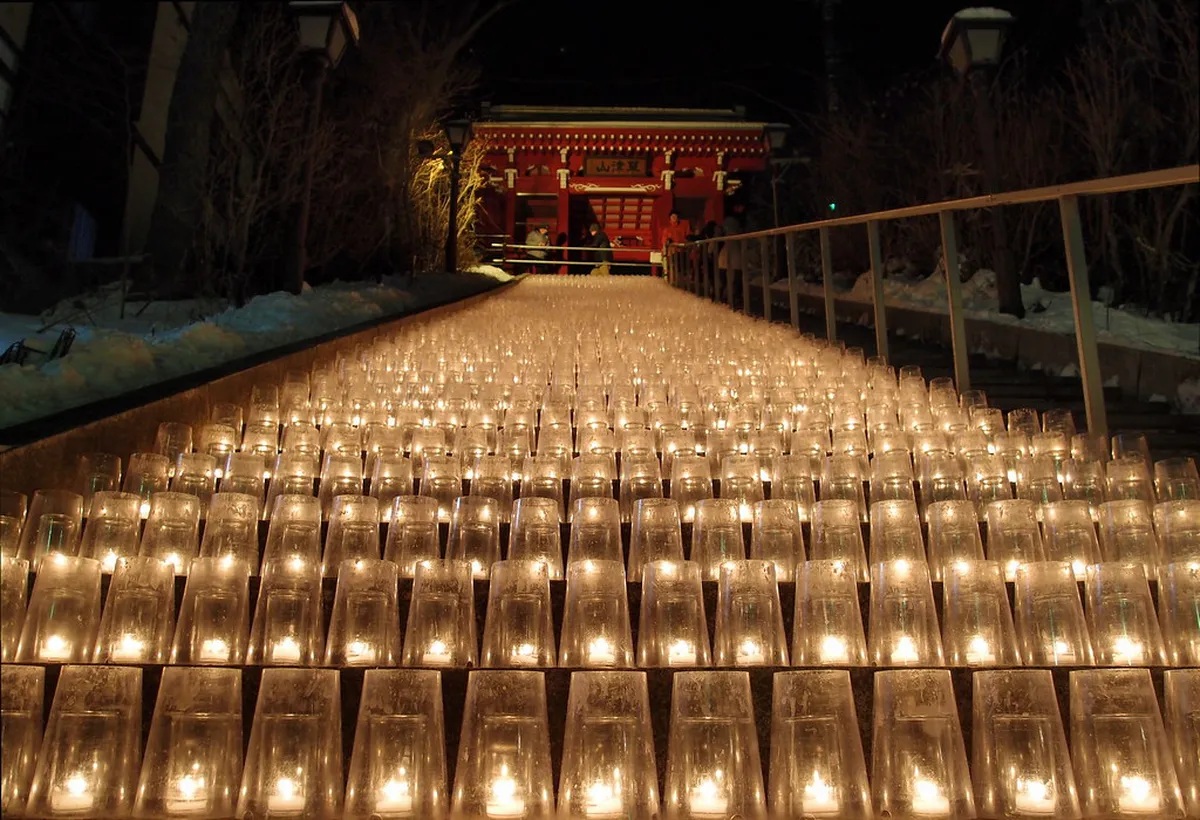
The park also features jizo statues adorned with red bibs along the paths — these small guardian figures are a quiet cultural detail worth pausing at. A small shrine sits further up the hillside, accessible by a short detour from the main trail. The park is free and open at all hours, making it a pleasant place to walk in the morning before the bath opens or in the evening after a soak. There are no cafes or food stalls inside the park, so bring drinks from the town center before entering.
Why Bathe Here: What Makes Sainokawara Different
Kusatsu onsen water is among Japan's most acidic and mineral-dense. The Bandai source that feeds Sainokawara has a pH of roughly 2 and a high sulfur and chloride content. Traditional accounts credit Kusatsu water with antibacterial properties, and the area has been a therapeutic bathing destination for centuries — the town's onsen history is documented from at least the Edo period. The open-air setting at Sainokawara means the therapeutic water is combined with mountain air and seasonal scenery.
Scale is the other distinguishing factor. Most onsen in Japan — even outdoor ones — are relatively compact. Sainokawara's 500-square-meter pool is large enough that you genuinely never feel crowded. You can find a stone ledge in a far corner, let the steam close around you, and lose track of time. This spaciousness is unusual and is consistently what visitors report as the standout quality of the experience.
The tattoo-friendly policy expands who can use it. A significant share of international visitors to Japan carry tattoos and are excluded from many traditional onsen facilities. Sainokawara removes that barrier without compromise on quality — the water, the setting, and the scale are all at the top end of what Kusatsu offers publicly.
Getting There and Planning Your Visit
From Tokyo, take the JR Agatsuma Line or a direct highway bus from Shinjuku Bus Terminal to Kusatsu Onsen Bus Terminal. Direct highway buses from Tokyo take around 2 hours 40 minutes and run several times daily — this is the most convenient option for a day trip. From the bus terminal, Sainokawara Park is a 10–12 minute walk west, passing through the Yubatake area. Signage along the main street points toward the park.

For timing, arriving at or shortly after opening (09:00 April–November) gives the quietest experience. Weekday mornings are significantly less busy than weekend afternoons. The Friday evening mixed-bathing session from 17:30 attracts a specific crowd and can be busier than typical weekday evenings. If you want solitude, a weekday morning or late afternoon visit is the best bet.
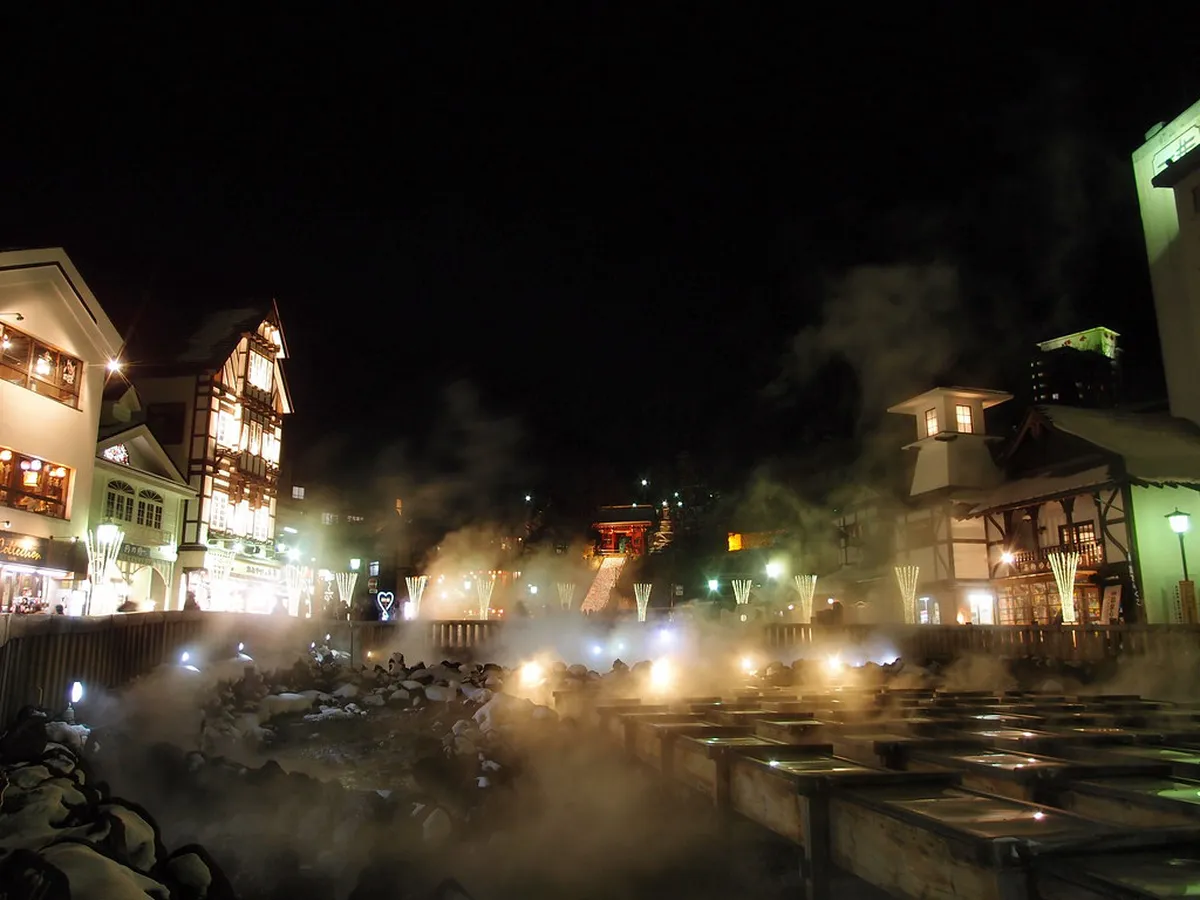
Allow at least two hours for a full visit: 10 minutes walking from Yubatake through the park, a 45–60 minute soak, time to dress and cool down, and the walk back. Combine with a stop at Yubatake on the return — the hot water field at the center of town is free to view and takes about 20 minutes to walk around. You can also check the Kusatsu Onsen From Tokyo Travel Guide guide for full itinerary options including the Yumomi show at Netsunoyu.
Frequently Asked Questions
What is Sainokawara Park known for?
Sainokawara Park is famous for its natural hot spring streams and the expansive Sainokawara Open-Air Bath. Hot water bubbles directly from the ground, creating a unique, steamy landscape. It offers a truly serene and immersive onsen experience in Kusatsu. Visitors also enjoy walking through the scenic park.
Is Kusatsu Onsen worth going?
Yes, Kusatsu Onsen is definitely worth visiting for its high-quality hot springs and vibrant town atmosphere. It is consistently ranked among Japan's top onsen resorts. The unique Yubatake hot water field and traditional yumomi shows are major draws. Many travelers consider it a highlight of their Japan trip.
Is Sainokawara onsen tattoo friendly?
Sainokawara Open-Air Bath is generally considered tattoo-friendly, which is a significant advantage for many international visitors. While some traditional onsen prohibit tattoos, Sainokawara often allows them. However, it is always wise to check the official website for the most current policy. This ensures a respectful and hassle-free bathing experience for everyone.
Does Kusatsu Onsen smell?
Kusatsu Onsen has a distinctive sulfurous smell due to the high mineral content of its hot spring water. This natural aroma is characteristic of many powerful onsen in Japan. While noticeable, most visitors find it part of the authentic hot spring experience. The smell indicates the rich, therapeutic properties of the water.
Sainokawara Park Kusatsu combines a free geothermal walk with one of Japan's largest and most accessible outdoor baths. The 600-yen admission, tattoo-friendly policy, and the temperature variety across the 500-square-meter pool make it the standout public bath option in Kusatsu. Plan for a morning visit on a weekday, bring cash, carry your own small towel, and allow two hours for the full experience.
Check opening hours on the official site before traveling, particularly in winter when hours may be adjusted. The walk through the park to the bath is worth doing slowly — the geothermal landscape along the trail is part of what makes Sainokawara genuinely different from a standard onsen facility. For a full Kusatsu day, pair the bath with Yubatake and the Netsunoyu yumomi performance.
For tickets, hours and visitor details, see our Sainokawara Park & Open-Air Bath Visitor Guide: Kusatsu Onsen Travel Tips and Kusatsu Onsen attractions hub.
Free guide: Japan's Hidden Gems
12 under-the-radar places beyond Tokyo & Kyoto — with the best season to visit each and a local tip you won't find in the guidebooks.
You might also like


Continue reading
More guides you'll find useful