

Sainokawara Park is one of the easiest places in Kusatsu Onsen to understand why the town is famous for hot spring scenery. A stone path leads west from Yubatake through steaming streams, small pools, footbaths, shrines, and forest views before reaching Sainokawara Open-Air Bath.
The bath, also called Sainokawara Rotenburo, is the main draw: a large outdoor onsen set at the edge of the park, separated by gender during regular hours and open to the sky in every season. It works well for first-time Kusatsu visitors because the walk, bath, and nearby sights fit naturally into a half-day onsen-town route.
This 2026 visitor guide focuses on practical planning: access from Yubatake and Kusatsu Onsen Bus Terminal, opening hours, admission, tattoo expectations, what to bring, best times to go, and how to combine the park with nearby Kusatsu attractions.
Sainokawara Park & Open-Air Bath: An Overview
Sainokawara Park sits on the west side of central Kusatsu, close enough to reach on foot but far enough from Yubatake to feel more wooded and open. The route follows hot spring water as it runs through a rocky riverbed, with steam rising from the ground and footbaths placed along the way.
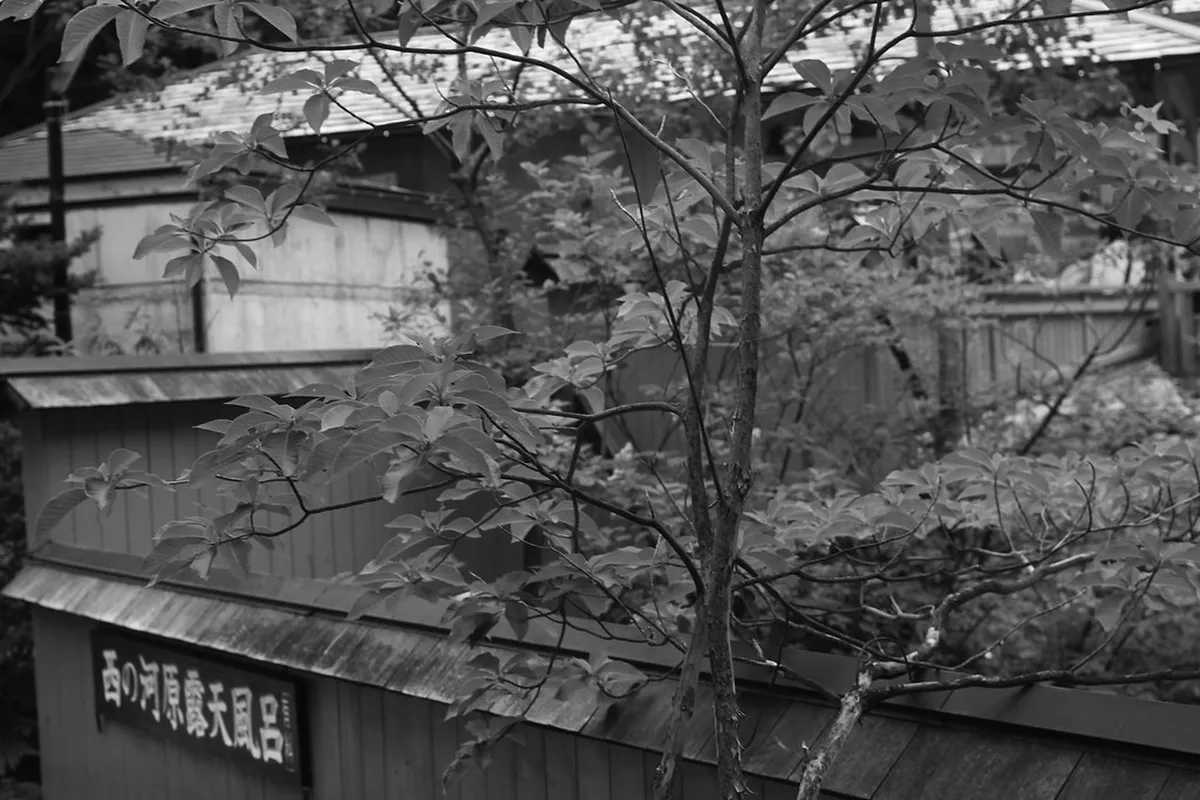
The open-air bath at the end of the park is one of Kusatsu's signature bathing experiences. Its scale is the point: instead of a compact indoor bath, Sainokawara Rotenburo gives visitors a broad outdoor pool framed by forest, stone, snow in winter, and foliage in autumn.
For a first visit to Kusatsu, Sainokawara is best treated as both a park walk and a bath stop. Even travelers who do not plan to bathe can enjoy the geothermal scenery, while bathers should allow enough time to slow down before and after soaking.
Essential Visitor Information (Hours, Fees, Contact)
For 2026 planning, check the schedule before setting out because weather, maintenance, and special bathing sessions can affect the day. The bath is normally open daily, and the evening hours make it possible to visit after sightseeing around central Kusatsu.
Bath 07:00–20:00 (Apr–Nov), 09:00–20:00 (Dec–Mar). Entry to the Sainokawara Open-Air Bath costs 600 yen for adults and 300 yen for children. These fees allow you to enjoy the expansive outdoor pools. Remember to bring cash for admission, as card payments might not be accepted.
The facility phone number is 0279-88-6167. Use it, or the official website here, when you need to confirm last entry, temporary closures, mixed-bathing details, or weather-related changes. You can also view access and basic visitor details on the Gunma Official Tourist Guide.
Plan the bath as a simple day-use stop rather than a full spa facility. Bring a towel, keep valuables minimal, and expect a rustic open-air rotenburo focused on soaking rather than grooming amenities.
Navigating Sainokawara Park: The Scenic Stroll
The classic approach starts at Yubatake, Kusatsu's central hot spring field, then heads west through the onsen-town lanes into Sainokawara Park. From Yubatake, allow about 10-12 minutes on foot to reach the open-air bath entrance; from Kusatsu Onsen Bus Terminal, allow closer to 20 minutes depending on pace and weather.
The park path is part of the attraction. Hot water streams beside the walkway, steam gathers around the rocks, and small footbath areas offer a low-commitment pause before the main bath. You may also pass Anamori Inari Shrine, Jizo statues, stone lanterns, and busts honoring physicians associated with Kusatsu's hot spring history.
Wear shoes with grip. The path is manageable for most visitors, but wet stone, snow, and freeze-thaw conditions can make parts slippery. In winter, leave extra time so you are not rushing to the bath entrance or walking back through the park while chilled after soaking.
If you only have a short window, walk from Yubatake to the bath, soak, and return the same way. With more time, continue slowly through the park and pair the visit with nearby central Kusatsu sights rather than treating Sainokawara as an isolated stop.
The Sainokawara Open-Air Bath Experience
Sainokawara Open-Air Bath is intentionally simple. Do not expect the full setup of a modern indoor bathhouse; the appeal is the wide outdoor pool, forest edge, open sky, and direct feeling of Kusatsu's acidic spring water.
Before entering the main bath, use the designated rinsing areas. Here you can quickly wash off any dirt or impurities. This step is crucial for maintaining hygiene in the shared waters.
The bath has separate men's and women's sides during regular hours. Water temperature can vary across the large pool, so move gradually and choose a spot that suits you. Nearer the inflow may feel hotter, while outer areas can be easier for a longer soak.
Because there are limited grooming amenities, arrive ready to bathe. Remove jewelry before soaking, keep towels out of the water, and hydrate before and after. The setting is especially memorable during snowfall, autumn color, and clear evenings when the bath remains open after dark.
Tattoo Policy & Onsen Etiquette
Tattoo policies at Japanese onsen can be strict, but Sainokawara Open-Air Bath is generally treated as tattoo-friendly by international visitor guides and guest reports. This makes it one of the more practical Kusatsu choices for travelers who do not want to rely on cover patches.
That does not change the etiquette. Rinse first, enter slowly, keep your towel out of the water, and avoid loud conversations. Cameras and phones should stay out of the bathing areas entirely because privacy matters more here than scenery photos.
Do not bring food or drinks into the bath area. If you are visiting with a group, separate before entering the gendered changing areas and set a meeting point outside for afterward. This is especially useful in winter, when people often finish at different speeds.
Friday mixed-bathing sessions may use different rules, including swimwear expectations, so confirm details before planning around that time. For tattoo-specific notes, see this Day-Use Guide & Tattoo Policy and still defer to posted rules at the facility on the day.
Planning Your Visit: Insider Tips for a Smooth Trip
The easiest plan is to visit Sainokawara after seeing Yubatake, then return to the town center for food or another bath. If you are staying overnight in Kusatsu, early morning and later evening are usually calmer than the middle of the day.
Remember to bring your own towel, as rentals might not be available or could incur extra costs. A small 100-yen coin is essential for lockers to secure your belongings. These lockers are available near the changing rooms.
For a smoother visit, keep your bag compact, bring water, and avoid wearing jewelry into the bath because Kusatsu's acidic spring water can discolor metal. If you plan to walk the park before bathing, pack your towel where it stays dry.
Weekdays are usually easier for a quiet soak, while weekends and holiday periods bring more day-trippers. Families should set clear expectations before entering: bathing areas are separated during regular hours, children need supervision, and the outdoor setting can feel cold immediately after leaving the water.
In winter, bring warm layers that are easy to put on after drying off. In summer, avoid over-soaking and hydrate well. The bath can feel deceptively easy because the outdoor air cools your face while your body continues warming in the water.
Why Sainokawara? Benefits and History
Sainokawara's value is not only the bath. The park shows Kusatsu's geothermal character in a way that is easy to grasp on foot: hot streams, sulfur scent, mineral deposits, steam, shrines, statues, and a forested rotenburo at the end of the route.
The park name is often associated with old Buddhist imagery of a riverbed linked to departed souls, which helps explain the statues and solemn details along the walk. At the same time, Kusatsu's hot springs have long been promoted for their strong acidic waters and bathing culture.
The water is not a medical treatment, but many visitors come for relaxation, warmth, and the feeling of recovery after walking, skiing, or traveling. If you have sensitive skin, health concerns, or are not used to hot baths, keep your soak short and rest outside the water between rounds.
Compared with a ryokan bath or a small public bath, Sainokawara is best for scale and setting. Choose it when you want a landmark outdoor bath; choose a smaller town bath when you want a quicker, more local, indoor soak.
Seasonal Highlights at Sainokawara
Winter is the most dramatic season at Sainokawara. Snow around the stones and trees makes the steam more visible, and the contrast between cold air and hot water is the classic Kusatsu open-air bath experience. Wear practical footwear for the park path.
Spring brings easier walking weather and fresh greenery around the stream. It is a good season for visitors who want the scenery without winter footing, though mountain weather can still change quickly.
Summer works best in the morning or evening, when the air is cooler and the open-air bath feels less intense. Long daylight also makes it easy to combine the park with Yubatake, Netsunoyu, and casual shopping in the town center.
Autumn is one of the strongest choices for photos before or after the bath, with red and gold foliage around the park. The cooler air also makes the hot spring feel more comfortable than in midsummer.
Nearby Attractions & Accommodation in Kusatsu
A visit to Sainokawara Park & Open-Air Bath pairs naturally with central Kusatsu. The famous Yubatake, the town's central hot spring field, is the easiest starting point and a good place to return for food, shops, evening lights, and footbaths.
Consider visiting Netsunoyu for the yumomi hot-water stirring performance. It fits well before Sainokawara if you want cultural context first, or after the bath if showtimes line up with your route.
For winter sports, Kusatsu Onsen Ski Resort is nearby and makes the open-air bath especially appealing after time in the snow. Visitors with more time can also look at other Kusatsu nature stops, but Sainokawara plus Yubatake is enough for a short stay.
Many excellent accommodation options are available in Kusatsu, from traditional ryokan to modern hotels. You can find nearby accommodation that suits your budget and preferences. Booking in advance is recommended, especially during peak seasons and snowy weekends.
Frequently Asked Questions
What are the opening hours for Sainokawara Open-Air Bath?
Sainokawara Open-Air Bath generally opens daily at 9:00 a.m. from April to November. Winter hours (December to March) may vary, so checking the official website for the most current information is advisable. Always confirm before your visit.
How much does it cost to enter Sainokawara Open-Air Bath?
Admission to Sainokawara Open-Air Bath is 600 yen for adults and 300 yen for children. These fees grant access to the expansive outdoor hot spring pools. Cash payment is typically required for entry.
Are there showers at Sainokawara Open-Air Bath?
Sainokawara Open-Air Bath does not have individual shower stalls like many indoor onsen. Visitors are expected to use designated rinsing areas before entering the main bath. This traditional approach emphasizes the natural bathing experience.
Does Sainokawara Open-Air Bath allow tattoos?
Yes, Sainokawara Open-Air Bath is generally considered tattoo-friendly, making it a welcoming destination for many visitors. While some Japanese onsen have strict tattoo policies, this particular bath is more accommodating. Always respect general onsen etiquette during your visit.
What should I bring to Sainokawara Open-Air Bath?
It is recommended to bring your own towel, as rentals may not be available or could incur additional charges. A 100-yen coin is also useful for lockers to store your belongings securely. Bring minimal items into the changing area.
Sainokawara Park & Open-Air Bath is one of Kusatsu's most useful attraction stops because it combines scenery, access, and a landmark rotenburo in one route. Start from Yubatake, walk the steaming park path, and give yourself enough time to bathe without rushing.
For the smoothest 2026 visit, confirm same-day details, bring cash and a towel, use careful footwear in wet or snowy conditions, and follow basic onsen etiquette. The experience is simple, but that simplicity is the point: hot spring water, forest air, and a clear sense of Kusatsu's geothermal landscape.
For official details, visit the Sainokawara Park & Open-Air Bath on Wikipedia and Sainokawara Park & Open-Air Bath official site.