

Kusatsu Shirane Shrine is a quiet stop above the main hot spring streets of Kusatsu Onsen. It is best treated as a short cultural pause rather than a standalone day trip: climb the forested approach, pay respects at the shrine, then continue toward Yubatake, Sainokawara Park, or the rest of the onsen town.
This 2026 Kusatsu Shirane Shrine visitor guide focuses on what matters on the ground: access, timing, nearby attractions, weather cautions, and how to combine the shrine with a smooth Kusatsu itinerary. The shrine is especially useful for travelers who want a calmer place near the town center without leaving the main sightseeing area.
Because Kusatsu also sits below the active Mount Kusatsu-Shirane area, planning should separate two places clearly. Shirane Shrine is in the hot spring town and is easy to add to a walk; Yugama Crater Lake and the highland road require current safety and traffic checks before departure.
Must-See Kusatsu Attractions
For first-time visitors, Shirane Shrine works best as part of a compact town walk. Start at Yubatake, where the steam, wooden channels, and sulfur scent define the Kusatsu Onsen experience. From there, add the shrine when you want a quieter setting and a brief change of pace from the busy center.
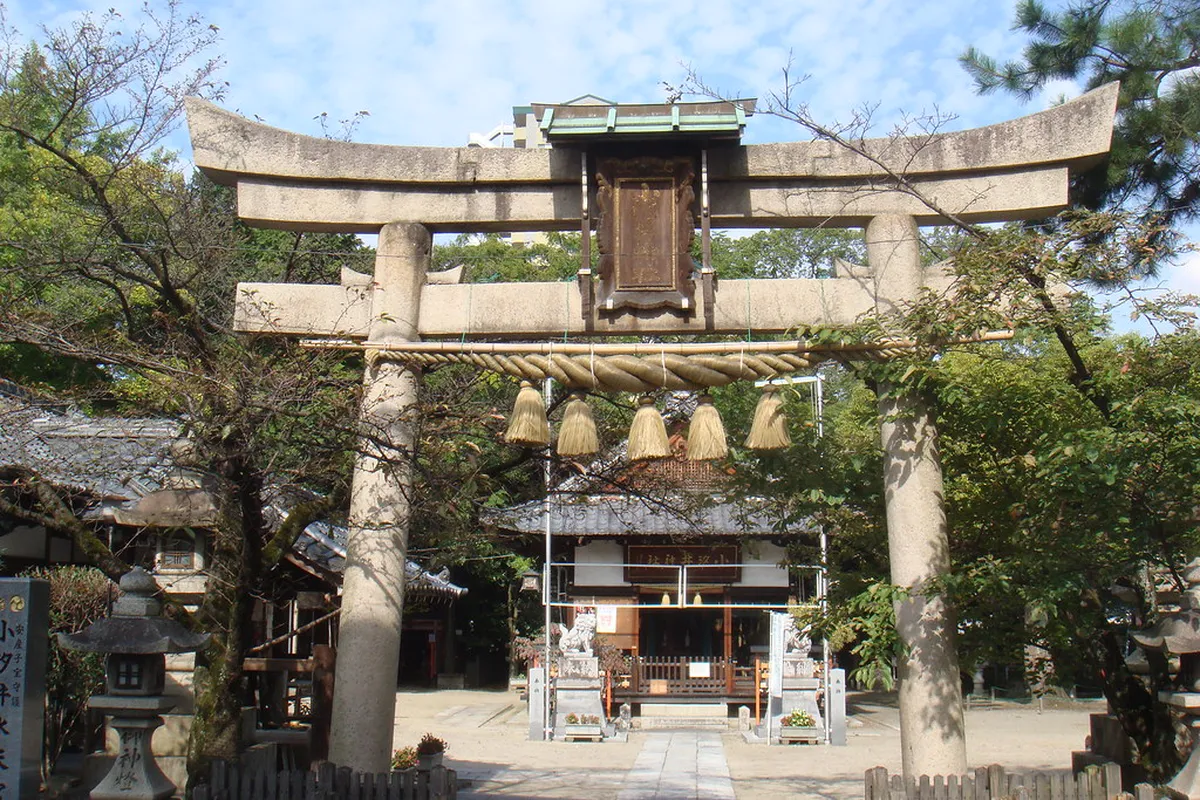
The shrine grounds are modest, but the approach gives the visit its character. Expect steps, trees, and a more local atmosphere than the main shopping streets. This is not a place to rush through with luggage; wear shoes that handle stairs and leave bulky bags at your accommodation or station locker when possible.
Nearby, Sainokawara Park adds open-air hot spring scenery and a longer stroll through the valley. If you want a classic Kusatsu culture stop, pair the shrine with a Yumomi performance at Netsunoyu. Shows are held six times daily at 9:30 am, 10 am, 10:30 am, 3:30 pm, 4 pm, and 4:30 pm. Purchase tickets 30 minutes before showtime at the ticket window.
A practical order is Yubatake, Shirane Shrine, lunch or a cafe break, Sainokawara Park, then an evening return to Yubatake. This keeps uphill walking earlier in the day and leaves the steamiest views for dusk, when the town atmosphere is strongest.
Museums, Art, and Culture in Kusatsu
Kusatsu is famous for hot springs, but Shirane Shrine gives the town a useful cultural anchor. The shrine is associated with Mount Kusatsu-Shirane and local worship, so it helps connect the onsen town with the mountain landscape above it.
Keep the visit simple. Bow lightly at the torii gate, stay to the paths, avoid loud conversation around the worship hall, and do not photograph people praying without permission. If you are visiting in spring or early summer, look for seasonal greenery and flowers around the grounds, but do not step into planted areas for photos.
After the shrine, continue into the lanes around Yubatake for shops, snacks, and ryokan storefronts. This is also a good point to review onsen manners before bathing later in the day. The Japan Spa Association offers helpful guidelines for bathing, including washing before entering the bath and keeping towels out of the water.
If you prefer quieter cultural time, visit the shrine in the morning before the town's day-trip rhythm builds. If you want atmosphere, late afternoon works well, but plan to finish while there is still usable light.
Parks, Gardens, and Outdoor Spots in Kusatsu
Shirane Shrine is one of the easiest outdoor-feeling stops in central Kusatsu because it does not require a bus ride or mountain-road plan. The main practical issue is the stair approach, so allow extra time if anyone in your group has knee, mobility, or footwear concerns.
For a fuller outdoor route, continue to Sainokawara Park after the shrine. The park paths are more open and give you the classic Kusatsu mix of mineral streams, rising steam, and mountain air. In winter, the walk can be icy, so treat even short distances around town as weather-dependent.
Mount Kusatsu-Shirane provides dramatic volcanic scenery for adventurous visitors, but it is a separate outing from Shirane Shrine. Always check current volcanic restrictions before planning a trip toward the crater area. Safety is paramount when exploring this active area.
During winter, the Kusatsu Onsen Ski Resort becomes the more realistic mountain activity for many travelers. It keeps you close to the hot spring town while adding snow views and active time to the itinerary.
Family-Friendly and Budget-Friendly Options in Kusatsu
Shirane Shrine is a budget-friendly stop because it adds cultural context without requiring a paid activity or long transfer. Entry is free. Opening hours: Daylight hours. The main cost is time and walking effort, which makes it a good fit for travelers who want to balance paid baths, meals, and performances with free sightseeing.
Families should decide based on the stairs and the day's weather. Children who enjoy short walks may like the shrine approach, while strollers are better left behind because steps and uneven surfaces can make the visit awkward. In rainy or snowy conditions, make Yubatake and indoor breaks the priority.
For a low-cost half day, combine Shirane Shrine, Yubatake, free foot baths, and a walk toward Sainokawara Park. Purchase snacks near the town center rather than planning a formal meal for every stop. This keeps the day flexible if weather or crowds change your timing.
Look for family-friendly ryokans that offer special packages. Some accommodations, like Kusatsu Onsen Kanemidori, cater to groups. Booking in advance can often secure better rates for your stay.
How to Plan a Smooth Kusatsu Attractions Day
For a one-day Kusatsu plan, put Shirane Shrine after your first look at Yubatake. That gives you an easy landmark for orientation, then a quieter stop before lunch. Allow about 20 to 40 minutes for the shrine depending on pace, photos, and how crowded the approach feels.
For a two-day, one-night plan, use day one for arrival, Yubatake, Shirane Shrine, and an evening bath. Save Sainokawara Park, Netsunoyu, shopping, or the ski resort for day two. This avoids treating Kusatsu like a checklist and leaves space for onsen time, which is the main reason many people come.
If you are arriving from Tokyo, most rail routes involve reaching Naganohara-Kusatsuguchi Station and continuing by bus to Kusatsu Onsen Bus Terminal. Direct highway buses can be simpler for some travelers, but they take longer and depend on traffic. Once in town, the shrine is better handled on foot than by taxi unless mobility is a concern.
Many accommodations, such as Kusatsu Onsen Boun, offer shuttle services to the bus terminal. Confirm availability and timing when booking your stay, especially if you arrive after dark or with large luggage.
Kusatsu Onsen map
A Kusatsu Onsen map is essential because the town is compact but not flat. Distances can look short online, yet stairs, slopes, winter ice, and crowds around Yubatake change how long each move feels.
Use Yubatake as the central reference point. From there, mark Shirane Shrine, Sainokawara Park, Netsunoyu, your accommodation, and the bus terminal before you start walking. This prevents backtracking and helps you decide whether to visit the shrine before or after a bath.
Download an offline map before arrival, then pick up a printed map from your accommodation or the tourist information area if available. Printed maps are still useful in Kusatsu because they often show walking paths, public baths, and local landmarks more clearly than a standard navigation app.
For 2026 planning, separate town walking routes from mountain routes on your map. A good map makes your Kusatsu visit smoother, but it should not be used as proof that the Mount Kusatsu-Shirane crater area is open or accessible.
How Mount Kusatsu-Shirane Looks Through the Seasons
The best time to include Shirane Shrine depends less on a single peak season and more on the walking conditions around Kusatsu. Spring and early summer bring fresh greenery around the shrine grounds, while summer makes the shaded approach appealing before or after the busier hot spring streets.
Autumn is a strong season for pairing the shrine with town walks and mountain views, but weather can change quickly at higher elevations. If you are also considering National Route 292 or distant views of Mount Kusatsu-Shirane, check visibility and road guidance before committing your day to the mountain side.
Winter changes the decision. Shirane Shrine can still be a short cultural stop, but steps and paths may be slippery. Keep your plan flexible, use footwear with grip, and do not force the uphill walk if snow, ice, or poor light makes it uncomfortable.
A simple rule works well: use Shirane Shrine as a town attraction in all seasons, and treat Mount Kusatsu-Shirane as a conditions-dependent add-on. That distinction keeps the itinerary realistic and avoids disappointment when crater-area restrictions or mountain weather affect the highlands.
Check the Traffic Conditions of the Shiga-Kusatsu Road (National Route 292)
For travelers driving beyond Kusatsu Onsen, monitoring the Shiga-Kusatsu Road on National Route 292 is crucial. This scenic route can connect the hot spring town with highland scenery, but it is affected by weather, volcanic advisories, and seasonal closures.
The road typically closes from early November to late April due to snow and ice. Always check official road information sources before setting out. This prevents unexpected detours and delays.
Volcanic activity near Mount Kusatsu-Shirane can also affect road access, stopping points, and walking areas. Do not assume that a road being open means the crater paths, summit parking, or nearby facilities are available. Prioritize official advisories for your 2026 travel plans.
Even if you can spend time comfortably in the Kusatsu Onsen town, conditions differ on the mountain road at around 2,000 meters elevation. Plan your route carefully, carry warm layers outside summer, and keep a town-based backup plan such as Shirane Shrine, Yubatake, Sainokawara Park, or an indoor bath.
Summary: Mount Kusatsu-Shirane Is a Highland Trip That Starts With Safety Checks
Mount Kusatsu-Shirane adds important context to Shirane Shrine because the shrine name and local landscape are tied to the mountain. For visitors, though, the planning rules are different. The shrine is a town stop; the mountain is a highland trip that starts with safety checks.
The Yugama Crater Lake is a highlight, known for its striking acidic waters. At about 300 meters in diameter and 30 meters deep, it is one of the world's most acidic crater lakes. The contrast with the desolate mountain surface is striking.
Restrictions on access to the crater lake and surrounding areas are common. These measures protect visitors from hazardous volcanic gases and eruptions. Respect all signage and designated safe zones.
If your main goal is a dependable Kusatsu day, put Shirane Shrine and the onsen town first. If conditions are favorable and official guidance allows travel farther uphill, then consider the mountain road as an optional extension rather than the centerpiece of the trip.
Understand Yugama Crater Lake and Volcanic Restrictions When Planning
Yugama Crater Lake is a stunning natural feature, but it should not be treated as a guaranteed sightseeing stop. The lake's vivid color and volcanic setting appear in many older travel photos, yet access rules can change and restrictions may prevent visitors from reaching viewpoints.
Volcanic gas concentrations can fluctuate, leading to changes in access levels. Authorities regularly monitor the area for visitor safety. Always follow the current guidance provided by local officials.
Visitors should avoid approaching restricted areas and adhere to designated viewing points. These restrictions are in place for your protection. Ignoring them can pose serious health risks, especially for children, older travelers, and anyone with respiratory concerns.
Before your visit, check the official website of the Japan Meteorological Agency for the latest volcanic information. Also ask your accommodation or a tourist information counter in Kusatsu if you are unsure how to interpret Japanese signs, road notices, or local advisories.
Frequently Asked Questions
Why Visit Kusatsu Onsen?
Kusatsu Onsen is renowned for its highly acidic, therapeutic hot springs. These waters are believed to have significant health benefits. The town also offers a charming traditional atmosphere and beautiful mountain scenery, making it a perfect retreat.
What kind of place is Kusatsu Onsen?
Kusatsu Onsen is a historic hot spring town nestled in the mountains of Gunma Prefecture. It features the iconic Yubatake, numerous public baths, and traditional ryokans. The town combines natural beauty with rich Japanese culture.
Which kusatsu shirane shrine visitor guide options fit first-time visitors?
First-time visitors should focus on the Yubatake, Sainokawara Park, and a Yumomi performance. These attractions offer a comprehensive introduction to Kusatsu's unique charm. Consider staying at a traditional ryokan like Kusatsu Onsen for an authentic experience.
How much time should you plan for kusatsu shirane shrine visitor guide?
A two-day, one-night trip is ideal for experiencing the main highlights of Kusatsu Onsen. This allows time for relaxation, sightseeing, and enjoying the local cuisine. A longer stay provides more opportunity for hiking and exploring the surrounding nature.
What should travelers avoid when planning kusatsu shirane shrine visitor guide?
Avoid visiting Mount Kusatsu-Shirane without checking current volcanic restrictions. Also, do not ignore onsen etiquette, such as showering before entering public baths. Overpacking your schedule without allowing for relaxation is another common mistake.
Kusatsu Shirane Shrine is worth including when you want a quiet, cultural stop close to the heart of Kusatsu Onsen. It fits naturally between Yubatake, Sainokawara Park, Netsunoyu, and an evening bath, making it useful even on a short itinerary.
For the smoothest 2026 visit, plan the shrine as a town walk during daylight hours, wear suitable shoes for steps, and keep mountain plans separate from central Kusatsu sightseeing. This protects your day from road closures, volcanic restrictions, and highland weather changes.
Use the shrine to slow the pace of your Kusatsu visit rather than to fill a checklist. The best trip balances the spiritual setting, the steam of Yubatake, onsen etiquette, and realistic safety decisions around Mount Kusatsu-Shirane.
For official details, visit the Kusatsu Shirane Shrine on Wikipedia and Kusatsu Shirane Shrine official site.