
Kusatsu Onsen Ski Resort is the snow-season activity base for Kusatsu, a compact hot spring town in Gunma Prefecture. The resort is best for beginners, families, and relaxed skiers who want mellow groomed slopes followed by a soak in Kusatsu's mineral-rich onsen.
This 2026 visitor guide treats the resort as an attraction, not just a stop in a broad travel itinerary. It covers access from Tokyo, how to combine the slopes with Yubatake and Sainokawara, where to stay, what to eat, and when the trip works best.
The short version: come for a low-stress ski day, stay overnight near the town center if you want evening onsen culture, and use the shuttle rather than moving a car around the narrow streets.
Kusatsu Onsen Ski Resort Basic Information
Kusatsu Onsen Ski Resort sits on the Mt. Kusatsu-Shirane side of town, about 1.5 kilometers from central Kusatsu Onsen. Gunma's official tourism listing describes it as a small ski area with mellow, extensively groomed slopes, which makes it a practical choice for first-time skiers, snowboarders, and groups with mixed confidence levels.
- Best for: beginner-friendly skiing, snow play, families, and visitors pairing winter sports with onsen bathing.
- Season and hours: Late Nov–early Apr, 08:30–16:30.
- Typical cost: Admission is day pass ~¥4,800.
- Access from town: about 5 minutes by free shuttle bus from Kusatsu Onsen, or roughly 20 minutes on foot in good conditions.
- Nearest rail-and-bus gateway: Naganohara-Kusatsuguchi Station, followed by a bus to Kusatsu Onsen.
- Plan around: weather, snow conditions, shuttle times, and winter footwear for icy streets.
Why Visit Kusatsu Onsen in Winter?
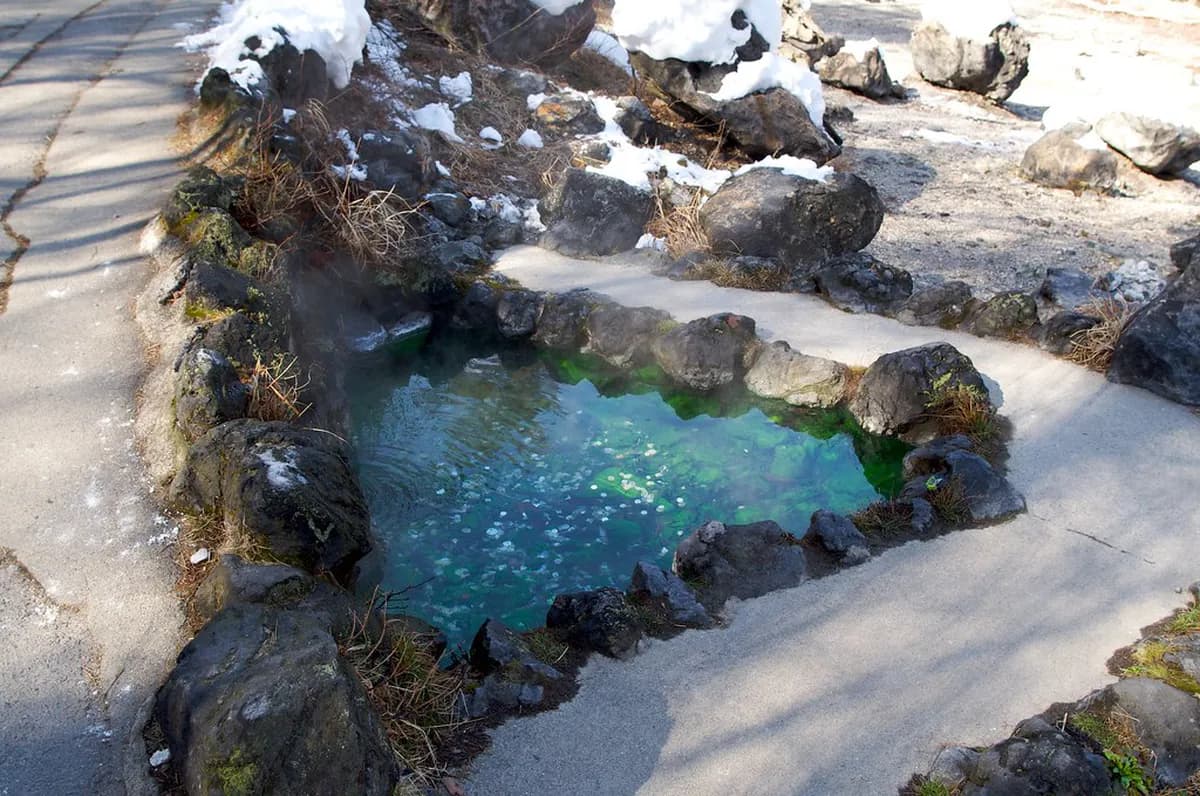
The appeal is the pairing. Kusatsu is already one of Japan's classic onsen towns, with steaming water channels at Yubatake, public baths, footbaths, and a walkable center. In winter, the ski resort adds an easy outdoor activity without requiring a full ski-village commitment.
Choose Kusatsu Onsen Ski Resort if the ski day is part of a hot spring trip. Advanced skiers who want a large terrain network may prefer a bigger resort, but travelers who want a calm half-day or full day on groomed snow will find the scale convenient.
The resort also works well for a non-skiing group. One person can ski or snowboard while others explore Yubatake, Netsunoyu, Sainokawara Park, shops, and cafes before meeting for dinner or a bath.
How to Get to Kusatsu Onsen from Tokyo
Most visitors reach Kusatsu by combining rail and bus, taking a direct highway bus, or driving. From Tokyo, allow roughly 3 to 5 hours depending on the route, transfers, traffic, and winter road conditions.
For a rail-based route, take a limited express or other JR service toward Naganohara-Kusatsuguchi Station, then transfer to the local bus for Kusatsu Onsen. The bus leg from Naganohara-Kusatsuguchi to Kusatsu Onsen is about 25 minutes, and the ski resort is a short shuttle ride from town.
The direct highway bus from Shinjuku or Tokyo-area terminals is slower but simple because it avoids train-to-bus transfers with luggage. It is often the easiest choice for travelers carrying ski clothing but not bringing their own gear.
Driving can be convenient for families, but winter driving around Kusatsu requires proper tires or chains. Once in town, central streets are narrow and parking is limited, so it is usually easier to leave the car at accommodation and use the shuttle or walk.
Skiing, Rentals, and Snow Play
The resort's main strength is approachability. Expect groomed slopes, compact navigation, gear rental, and a less intimidating atmosphere than major destination resorts. It is suitable for a first ski lesson, a family snow day, or a casual snowboard session before returning to the onsen town.
For those new to skiing or snowboarding, the resort has gentle slopes and offers lessons (starting around ¥5,000 for a group lesson). Equipment rentals are readily available at the base of the slopes, with full sets (skis/board, boots, poles) costing approximately ¥4,000–¥6,000 per day.
Families should check the current snow play area, lift operations, and rental availability before committing to the day. Conditions vary by season, and beginner-focused resorts can feel busiest on weekends, holidays, and school breaks.
Suggested 2-Day Kusatsu Onsen Ski Itinerary
A one-night stay is enough for the core experience. Two nights are better if you want a full ski day without rushing the Tokyo return, or if some travelers want more onsen time while others ski.
- Day 1: arrive, settle in, and explore the onsen town
- Late morning: travel from Tokyo and arrive at Kusatsu Onsen Bus Terminal.
- Early afternoon: leave luggage at your hotel or ryokan, then walk to Yubatake.
- Mid-afternoon: watch the Yumomi performance at Netsunoyu if the timing works.
- Late afternoon: walk toward Sainokawara Park and use the footbaths or open-air bath.
- Evening: return to Yubatake for the illuminated steam, dinner, and a final soak.
- Day 2: ski first, then finish with culture or food
- Morning: take the free shuttle to Kusatsu Onsen Ski Resort and ski or snowboard while snow is at its best.
- Lunch: eat at the resort or return to town for noodles, curry, or cafe food.
- Afternoon: visit Shirane Shrine, shop for onsen manju, or take a final bath.
- Late afternoon: depart by bus, or stay a second night if you want a slower hot spring trip.
Best Things to Do Near the Resort
Yubatake is the first stop for most visitors. The wooden channels cool and distribute Kusatsu's hot spring water, and the surrounding streets are the easiest place to find snacks, restaurants, shops, and evening atmosphere.
A visit to Sainokawara Park is highly recommended for a truly immersive onsen experience. This park features numerous hot spring streams and pools, culminating in a large open-air bath. The Sainokawara Open-Air Bath (¥600 admission) is open daily from 7:00 AM to 8:00 PM, offering a relaxing soak amidst nature. Remember to observe proper onsen etiquette, including washing thoroughly before entering.
Don't miss the traditional Yumomi performance at Netsunoyu, where local women cool the hot spring water with large wooden paddles. Performances are held six times daily: 9:30 AM, 10:00 AM, 10:30 AM, 3:30 PM, 4:00 PM, and 4:30 PM. Tickets cost around ¥600 and can be purchased 30 minutes before showtime at the venue.
For a quieter cultural stop, visit Shirane Shrine above the town center. It is a useful short add-on after lunch or before departure, especially if you want a break from the busier Yubatake streets.
Where to Stay in Kusatsu Onsen
For a ski-and-onsen trip, location matters more than luxury. Staying near Yubatake gives the easiest evening access to food, public baths, and shops. Staying closer to larger resort-style hotels can work better for families who prefer shuttle service, bigger facilities, and less walking in snow.
Traditional ryokans, such as Kusatsu Onsen Kanemidori or Kusatsu Onsen Boun, offer a quintessential Japanese experience. These typically include tatami rooms, futon bedding, and delicious multi-course kaiseki dinners. Prices can range from ¥15,000 to ¥40,000 per person per night, often including meals.
Kusatsu Now Resort Hotel is worth considering if ski access, shuttle convenience, and family facilities matter more than being beside Yubatake. The trade-off is that you will rely more on hotel transport or taxis for town-center evenings.
For travelers seeking modern comforts, hotels like 326 Yamanoyu Hotel provide a blend of Western and Japanese amenities. Book early for winter weekends, as central ryokans and good-value hotels can fill quickly.
What to Eat Around Kusatsu Onsen
Plan at least one casual food walk around Yubatake and Sainokawara Dori. Common local snacks include onsen manju, onsen tamago, skewers, pudding, and warm street food that fits well between bath visits.
For a sit-down meal, look for soba, udon, ramen, curry, tendon, or ryokan dinners depending on your budget. After skiing, simple hot meals are often more useful than a complicated reservation, especially if you still need to catch an afternoon bus.
If your accommodation includes dinner, confirm check-in and meal times before planning a late ski return. Ryokan meals usually run on fixed schedules, and arriving late can make the evening feel rushed.
Essential Travel Tips for Your Kusatsu Onsen Visit
Dress in layers and wear shoes with grip. Kusatsu's town center is walkable, but winter pavement can be wet, slushy, or icy, and the route toward Sainokawara includes gentle slopes.
Use the local shuttle buses for the ski resort and longer hops. They reduce parking stress and make it easier to split the day between skiing, bathing, and dining.
Carry some cash for smaller shops, bathhouses, lockers, and snacks. Larger hotels and transport counters are more card-friendly, but cash still smooths out a short visit.
For side trips, Karuizawa is a practical add-on at about 80 minutes by bus, while Karuizawa Snow Park may suit families looking for a more snow-play-focused outing. Mt. Asama Magma Stone Park and waterfalls near Kusatsu are better saved for travelers with extra time, a car, and suitable weather.
Before entering any public bath, wash thoroughly, keep towels out of the water, and avoid bathing immediately after heavy drinking. If you have tattoos, check each facility's policy before paying.
Frequently Asked Questions
Is it worth visiting Kusatsu Onsen?
Yes, Kusatsu Onsen is absolutely worth visiting for its unique blend of world-class hot springs and excellent ski opportunities. It offers a distinct cultural and recreational experience that many travelers find unforgettable. The town's charm and natural beauty add to its appeal.
How long should I stay in Kusatsu Onsen?
A 2-day, 1-night stay in Kusatsu Onsen is enough to experience both the hot springs and the ski resort. This duration allows for relaxation, exploration of the town, and time on the slopes without feeling rushed. A longer stay could include nearby day trips.
What's the best time to visit Kusatsu Onsen?
The best time to visit Kusatsu Onsen for skiing is during the resort season: Late Nov–early Apr, 08:30–16:30. For hot spring enjoyment and autumn foliage, October and November are also excellent. Summer offers pleasant weather for hiking.
Is Kusatsu good for skiing?
Kusatsu Onsen Ski Resort is good for relaxed skiing, especially for families, beginners, and visitors seeking a balance of slopes and hot springs. It is better treated as a compact onsen-town ski area than as a large destination resort.
Kusatsu Onsen Ski Resort is most useful as part of a compact winter onsen trip: ski or play in the snow during the day, then return to Yubatake, public baths, and local food in the evening. The resort's scale is a feature for first-timers and families, not a drawback.
For the smoothest visit, stay overnight, check shuttle and snow conditions before setting out, and keep the schedule flexible enough for a final bath before departure.
For official details, visit the Kusatsu Onsen Ski Resort on Wikipedia and Kusatsu Onsen Ski Resort official site.