

Yubatake Hot Water Field is the center of Kusatsu Onsen and the easiest place to understand why this Gunma hot spring town has such a strong reputation. Steam rises from wooden channels in the middle of town, sulfur scents the streets, and ryokan, public baths, restaurants, and souvenir shops spread out within a short walk. This 2026 visitor guide is written for travelers planning the actual stop: how to get there, when to go, what to do around Yubatake, and how to choose a bath without wasting time. The attraction itself is free and open-air, so it works for a short stop, a day trip, or the anchor of a relaxed overnight stay. Please note that prices and schedules are accurate as of our last update in February 2026; always verify details on official websites before your trip.
Why Visit Kusatsu Onsen and the Yubatake Hot Water Field?
Kusatsu Onsen is known for abundant, strongly acidic hot spring water associated with Mount Kusatsu-Shirane. Yubatake, literally "hot water field," is where that identity becomes visible: more than 4,000 liters of spring water flow through the field each minute before being distributed to baths around town. The wooden flumes cool the water naturally, mineral deposits color the channels, and the steam makes the square feel active at almost any hour.
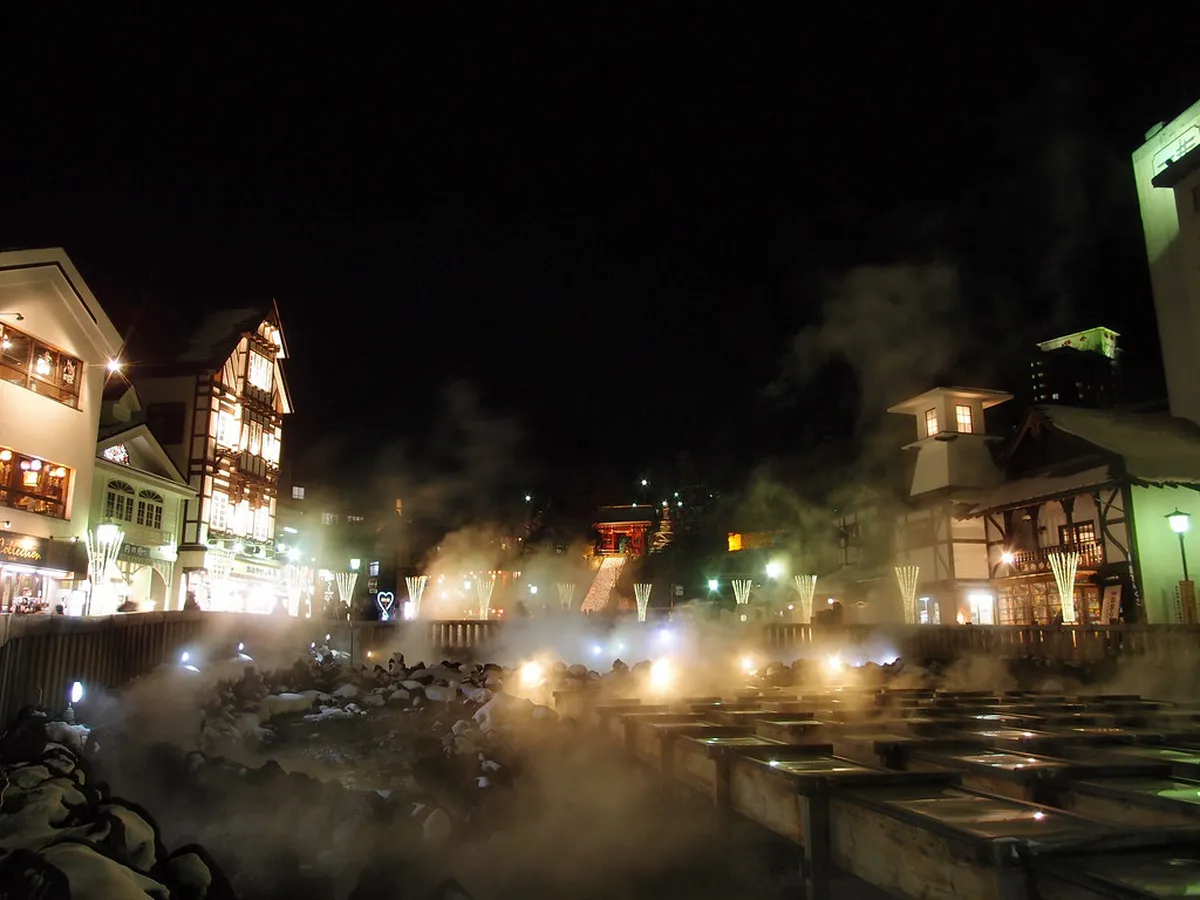
For visitors, Yubatake is both an attraction and a navigation point. If you stay near it, you can walk to Netsu-no-Yu for the Yumomi performance, continue to Sai-no-Kawara Park, visit nearby shrines and shops, and return after dark for the illuminated view. The best reason to come is not only to photograph the steam; it is to use Yubatake as the starting point for a compact onsen-town experience.
Getting to Kusatsu Onsen: Your Transport Options
Most travelers reach Kusatsu Onsen from Tokyo by train plus bus, direct highway bus, Shinkansen plus bus, or car. The final arrival point for public transport is Kusatsu Onsen Bus Terminal, about a short walk from Yubatake. If you are carrying large luggage or arriving in winter, check whether your accommodation offers pickup from the terminal.
| Route | Typical time | Best for | Planning note |
|---|---|---|---|
| JR Limited Express Kusatsu/Shima from Ueno to Naganohara-Kusatsuguchi, then JR bus | About 2.5 hours by train plus about 25 minutes by bus | Balanced speed and simplicity | Reserve train seats during weekends and holidays. |
| JR Bus Kanto Jōshū Yumeguri-go from Busta Shinjuku | About 4 hours | Budget-minded visitors who prefer no transfers | Book ahead through highwaybus.com, especially for Friday and Sunday travel. |
| Hokuriku Shinkansen to Karuizawa, then bus to Kusatsu | About 1 hour 15 minutes by bus after Karuizawa | Travelers combining Kusatsu with Karuizawa or Nagano | Check bus frequency before choosing this route. |
| Car via Kan-Etsu Expressway and Shibukawa-Ikaho IC | About 80 minutes from the IC | Groups, families, and regional road trips | Winter tires or chains may be necessary in snowy periods. |
For first-time visitors, the train-and-bus route is usually the most predictable. The direct highway bus is easier if you want to avoid transfers, but road traffic can stretch the journey. Once in town, plan to walk; Yubatake, Netsu-no-Yu, many ryokan, shops, and restaurants are clustered close together.
Kusatsu Onsen 2-Day Itinerary: Making the Most of Your Visit
A one-night stay gives Yubatake the right rhythm: daylight for details, evening for the illuminated steam, and morning for a quieter walk before day-trippers arrive. Choose accommodation within walking distance of Yubatake if this is your first visit, because it reduces transfers and makes it easier to return to your room between baths.
- Day 1: Iconic Yubatake & Local Culture
- Morning: 9:30 AM – 12:00 PM, Yubatake exploration and footbath
- Afternoon: 1:30 PM – 4:00 PM, Yumomi performance at Netsu-no-Yu
- Evening: 6:00 PM – 8:00 PM, Traditional dinner and evening stroll
- Time: Full day
- Logistics: Stay within central Kusatsu area
- Optional: Visit Shirane Shrine (~10 min walk from Yubatake, free)
- Day 2: Nature, Relaxation & Park Serenity
- Morning: 9:00 AM – 12:00 PM, Sai-no-Kawara Park walk and open-air bath
- Afternoon: 1:30 PM – 4:00 PM, Explore local shops and cafes
- Evening: 6:30 PM – 8:30 PM, Ryokan dinner and private onsen
- Time: Full day
- Logistics: Use local buses for longer distances if preferred
- Optional: Visit a public bath like Otaki-no-Yu (¥900, open 9am–9pm)
If you only have a day trip, prioritize Yubatake, Netsu-no-Yu, one public bath, and a short food or souvenir stop near the square. If you stay two nights, slow the pace down and add Sai-no-Kawara Park in the morning, when the walking paths and open-air bathing area feel less rushed.
Top Things to Do Around Yubatake
Yubatake works best when you circle it more than once. Visit in daylight to see the water channels and mineral color, then return after dinner for the lights and steam. Around the square, focus on short experiences rather than long transfers.
- Watch the steam and wooden flumes at Yubatake from several angles, including the upper paths and street-level railings.
- Use one of the free footbath areas near the center when you want a short onsen break without entering a full bath.
- See the Yumomi performance at Netsu-no-Yu, the traditional method of cooling hot spring water without diluting it.
- Walk toward Sai-no-Kawara Park for a stronger nature setting and larger open-air bath experience.
- Stop at Netsunoyu early if you are visiting on a weekend, because central showtimes are easy to build a schedule around.
Book Your Kusatsu Onsen Activities in Advance
Yubatake itself does not need a ticket, but two parts of a Kusatsu trip benefit from planning: the Yumomi show and accommodation with appealing bath access. This matters most on Saturdays, holiday periods, foliage season, and snowy winter weekends.
- Netsu-no-Yu Yumomi Performance
- Lead time: 30 minutes before showtime for tickets, often sells out
- Cost: ¥700 admission (verify on official site)
- Shows: 6 times daily (9:30 AM, 10:00 AM, 10:30 AM, 3:30 PM, 4:00 PM, 4:30 PM)
- Location: Central Kusatsu, directly by Yubatake
- Private Onsen Baths at Ryokan
- Lead time: 30+ days ahead for popular weekends
- Cost: Varies by ryokan, often included with stay
- Booking: Directly through ryokan website or booking platforms
- Tip: Consider weekdays for more availability
For a smoother trip, decide your bath plan before arrival. A ryokan stay is the easiest option if bathing is the purpose of the trip. A day-trip public bath works better if you want to see Yubatake, eat nearby, and return to Tokyo the same day.
How to Pick Your Perfect Hot Spring in Kusatsu
Kusatsu has several bathing styles, and the right choice depends on time, privacy, comfort with public bathing, and whether you want a scenic setting. Public baths, like Sai-no-Kawara Rotenburo (¥600, open 7am–8pm) in Sai-no-Kawara Park, provide an authentic communal experience. Many ryokan also open their baths to day-trippers for a fee, typically ranging from ¥1,000 to ¥2,000. For ultimate privacy, consider booking a ryokan with a private onsen in your room.
| Bath choice | Choose it if | Tradeoff |
|---|---|---|
| Footbath near Yubatake | You want a free, quick soak during sightseeing | No full bathing experience. |
| Central public bath | You want a practical bath close to the town center | Can be busy at peak hours. |
| Sai-no-Kawara Rotenburo | You want a larger open-air setting after a park walk | It takes more time than staying around Yubatake. |
| Ryokan bath | You want the most convenient overnight onsen experience | Day-use access and prices vary by property. |
| Private bath | You are traveling as a couple, family, or first-time bather who wants privacy | Usually requires advance booking or a higher room rate. |
Kusatsu's water is strong, so avoid overdoing your first bath. Rinse before entering, keep towels out of the tub, tie up long hair, and step out if you feel lightheaded. Travelers with sensitive skin should start with a short soak and check local bath guidance.
Essential Travel Tips for Your Kusatsu Onsen Trip
- Best time of day: Visit Yubatake soon after arrival, then return after dark for the illuminated steam. Early morning is usually calmer for photos.
- Best seasons: Winter gives Kusatsu its classic snowy onsen atmosphere. Autumn is strong for foliage, while spring and summer are easier for walking.
- Where to stay: First-time visitors should stay near Yubatake or the bus terminal. This keeps meals, baths, and evening walks simple.
- What to wear: Comfortable walking shoes matter because central Kusatsu is compact but hilly in places. In winter, choose footwear with grip.
- Day trip or overnight: A day trip can work, but an overnight stay is better if you want dinner, multiple baths, and Yubatake at night.
- Budget planning: The attraction itself is free, but transport, baths, show tickets, meals, and ryokan rates determine the actual trip cost.
Nearby Recommended Spots for Extended Exploration
If your schedule allows more than the central Yubatake loop, add one or two nearby stops rather than trying to cover the whole region. Shirane Shrine is a compact cultural stop close to the center, while Sai-no-Kawara Park gives the trip a more open natural setting. Families and winter travelers can also consider Kusatsu Onsen Ski Resort when conditions and season fit.
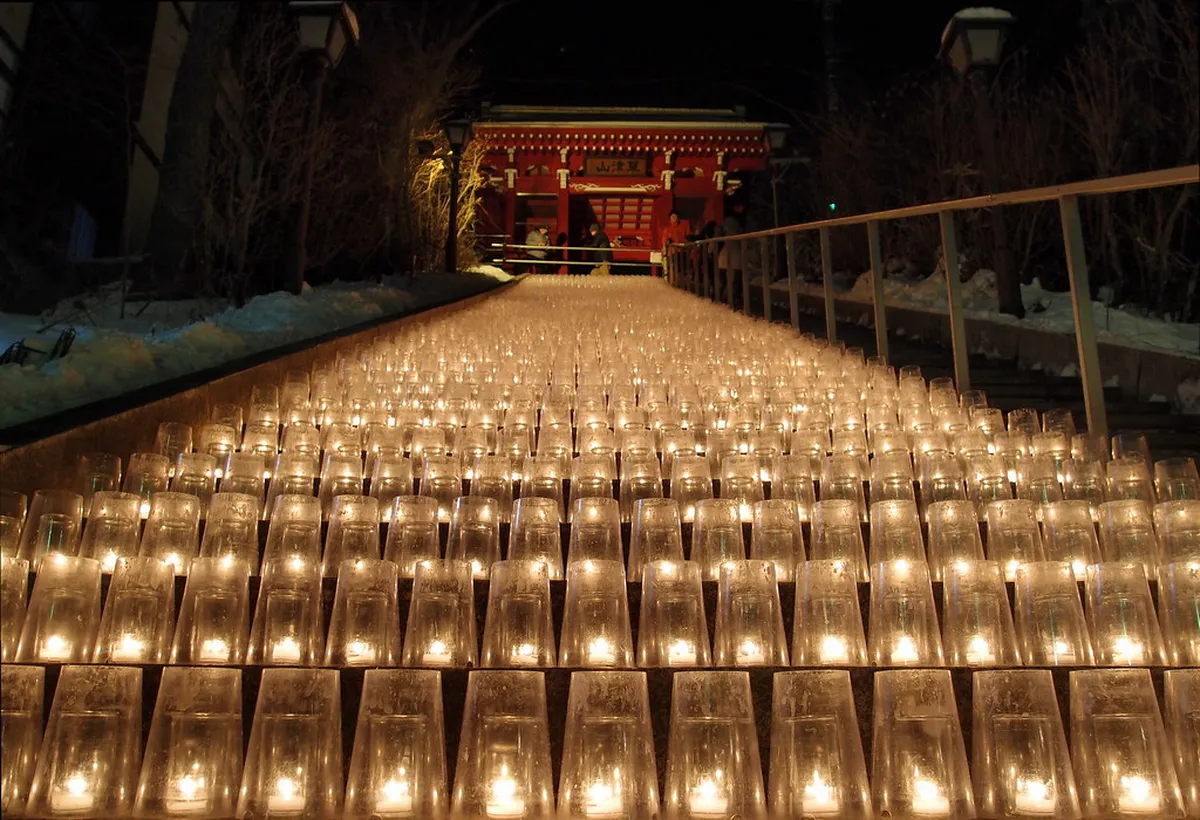
A visit to Mount Kusatsu-Shirane can be rewarding when access is available, but volcanic activity, weather, and seasonal road conditions can affect routes. Check local notices before planning it as a fixed part of your itinerary. For most first-time visitors, Yubatake, Netsu-no-Yu, Sai-no-Kawara Park, and one well-chosen bath are enough for a satisfying overnight trip.
Frequently Asked Questions About Visiting Yubatake & Kusatsu Onsen
First-time visitors usually need answers to three practical questions: how much time to allow, whether the trip works without staying overnight, and how to behave in the baths. Allow at least two to three hours for a short Yubatake-focused visit, half a day if you add Netsu-no-Yu and a bath, and one night if you want the full onsen-town atmosphere. Understanding onsen etiquette is crucial for a respectful and enjoyable experience. Always wash thoroughly before entering the bath. Avoid bringing towels into the main bathing area, and keep noise to a minimum. The best time to visit Kusatsu Onsen depends on your preferences. Autumn (October-November) offers beautiful foliage, while winter (December-March) provides a snowy wonderland. Spring and summer are also pleasant with milder temperatures. Weekdays are generally less crowded than weekends.
Frequently Asked Questions
What is the best way to get to Kusatsu Onsen from Tokyo?
The most convenient options are the JR Limited Express Kusatsu train combined with a local bus, or a direct highway bus from Shinjuku. The train-bus combo takes about 3 hours total. The direct highway bus takes around 4 hours.
What should I wear when visiting Kusatsu Onsen?
Wear comfortable clothes for walking around town. For onsen visits, you will be provided with a yukata (traditional robe) at your ryokan. Remember to bring a small towel for the baths, though many places provide them.
Is it possible to visit Kusatsu Onsen as a day trip?
While possible, we recommend at least an overnight stay to fully enjoy the hot springs and town atmosphere. A day trip from Tokyo would involve significant travel time, leaving less time for relaxation. An overnight stay allows for evening exploration and multiple baths.
What are the best things to do in Yubatake at night?
At night, the Yubatake is beautifully illuminated, creating a magical atmosphere. We recommend an evening stroll around the area and enjoying a traditional dinner at a local restaurant. Many shops also remain open, offering souvenirs and snacks.
Yubatake Hot Water Field is the practical starting point for Kusatsu Onsen. Use it to orient your route, time a Yumomi performance, choose a bath, and decide whether to keep the visit compact or stay overnight. A strong first visit usually combines Yubatake by day, the illuminated square after dinner, one carefully chosen public or ryokan bath, and a walk toward Sai-no-Kawara Park if time allows. Keep transport schedules, winter conditions, and bath etiquette in mind, and Kusatsu becomes one of Japan's most straightforward onsen towns to enjoy.
To verify current details, consult the Yubatake Hot Water Field on Wikipedia and Yubatake Hot Water Field official site.