

Kasuga Taisha is one of Japan's most sacred Shinto shrines, founded in 768 CE by the powerful Fujiwara clan on the slopes of sacred Mt. Mikasa in Nara. Designated a UNESCO World Heritage Site in 1998 as part of the "Historic Monuments of Ancient Nara," the shrine complex hosts over 2,200 festivals and rituals each year and draws visitors seeking both spiritual depth and extraordinary atmosphere.
This visitor guide covers the must-see highlights, opening hours with exact admission fees, the lantern festivals, seasonal events, the botanical garden, and practical access tips — everything you need for a well-planned day at one of Nara's defining landmarks in 2026.
Must-See Kasuga Attractions
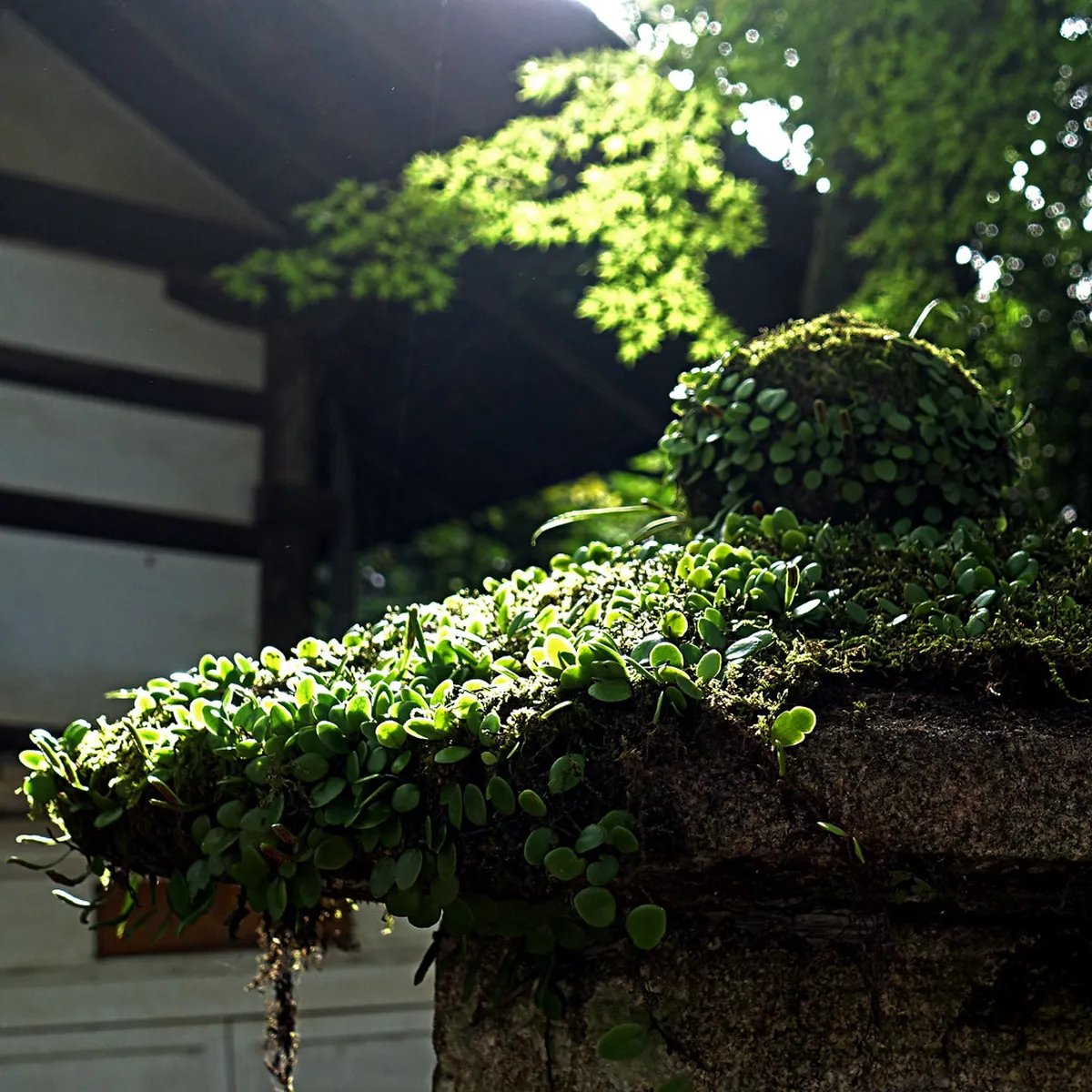
The Main Sanctuary (Honden) is the heart of the complex — four vermilion shrines set side-by-side, roofed in hinoki cypress bark and fronted by bronze lantern corridors. The architectural style is called Kasuga-zukuri, distinguished by its asymmetric sloping roofs and elegant simplicity. Access to the inner sanctuary area costs ¥700 per adult and gives you a close view of the gilded corridor and the sacred gate.
The stone and bronze lanterns are the shrine's visual signature. There are roughly 3,000 in total: approximately 2,000 stone lanterns line the forested approach paths (sandō), and 1,000 bronze lanterns hang from the covered corridors around the main buildings. The oldest stone examples date to the Heian period (12th century), and many bear dedicatory inscriptions from donors as historically notable as Tokugawa shogun Tsunayoshi and the daimyo Todo Takatora. Every lantern was donated by a worshipper, making the collection a physical record of a millennium of devotion.
One detail competitors consistently miss: the Fujinami-no-ya pavilion inside the inner area lights over 100 bronze lanterns daily in a fully darkened room, giving a year-round approximation of the Mantoro festival atmosphere. If you cannot visit in February or August for the full lantern lighting, pay the ¥700 inner-area fee and step inside Fujinami-no-ya — the effect is genuinely striking even on an ordinary Tuesday.
The Fujinami-no-ya pavilion lights over 100 bronze lanterns daily in a darkened room — included with the ¥700 inner-area ticket, this is the best year-round substitute for the twice-yearly Mantoro festival.
- Inner sanctuary (Honden): ¥700 adults, open 09:00–16:00 daily
- Outer lantern paths and forest approach: free, accessible from 06:30 (March–October) or 07:00 (November–February)
- Fujinami-no-ya pavilion: included with ¥700 inner-area ticket; lanterns lit daily year-round
Stone and Bronze Lanterns — and the Mantoro Festivals
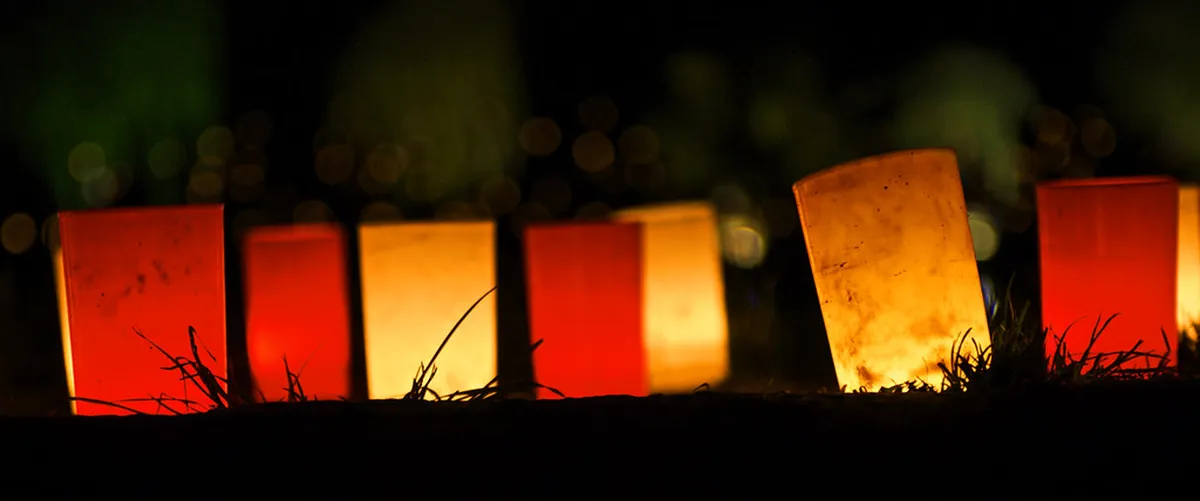
Twice a year, all 3,000+ lanterns are lit simultaneously at dusk during the Mantoro (Ten Thousand Lanterns) festivals. The Setsubun Mantoro falls on February 3, and the Chugen Mantoro runs August 14–15. Both events draw large crowds, but the atmosphere remains solemn — the flickering flames against moss-covered stone and vermilion corridors in near-darkness is unlike anything else in Japan. Historically lanterns were lit every night until the Meiji period (1868); today only these two annual events recreate that nightly glow at full scale.
For photographers, the August festival is slightly warmer and the forest canopy is at its densest green, which creates more dramatic contrast. The February festival has fewer foreign tourists and a colder, starker atmosphere that some visitors find more atmospheric. Arrive by 17:30 to secure a position along the main approach before the crowds peak around 19:00.
On non-festival nights, there is no public lantern lighting along the paths. Plan your visit around these two specific dates if the full lantern experience is your priority, or rely on the Fujinami-no-ya pavilion as a year-round substitute.
Museums, Art, and Culture in Kasuga
The Kasuga-taisha National Treasure Museum holds 354 National Treasures and 2,526 Important Cultural Properties — the second-largest collection of national treasures in any single institution in Japan, earning it the nickname "The Heian Shosoin." The permanent collection spans courtly armor, ancient swords, sacred masks used in bugaku dance, and lacquerware offered by the imperial family over twelve centuries. Themed rotating exhibitions change several times a year.
The museum's ground floor is anchored by one of Japan's largest da-daiko drums, standing 6.5 metres tall. The floor has been excavated to display it at full height, and it can be seen from outside through the building's steel lattice wall. Before entering the main galleries, visitors pass through Kamigaki — an installation space that uses water and light to evoke the spiritual essence of the shrine. The Kannabi water basin projects rippling reflections of Mt. Mikasa; the Kasuga wire-mesh installation shows video footage of the shrine grounds.
Museum admission is ¥700 for adults, ¥400 for university and high school students, ¥300 for middle and elementary school students. Hours are 10:00–17:00 (last entry 16:30). The adjacent Café & Shop KAON is open to all visitors and sells exclusive shrine merchandise unavailable elsewhere.
Parks, Gardens, and Outdoor Spots in Kasuga
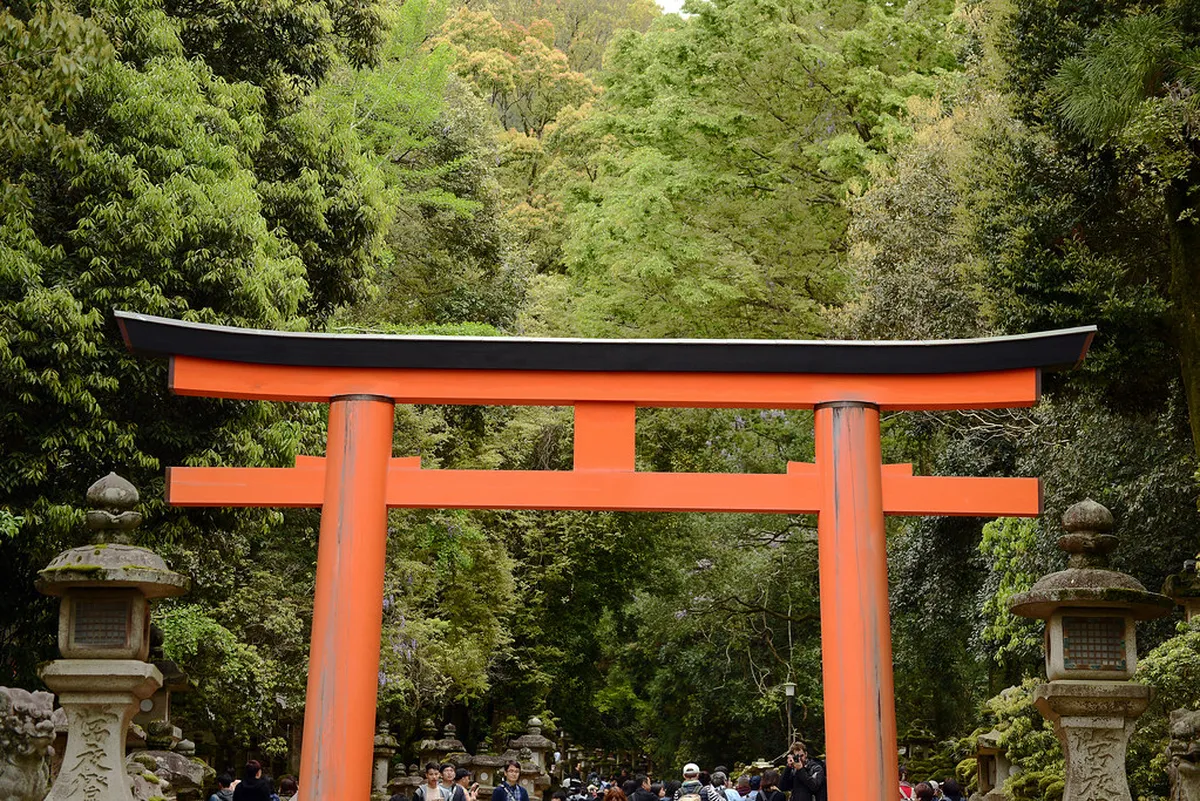
The Man'yo Botanical Garden sits inside the shrine grounds, established in 1932 as a living tribute to the Man'yoshu — Japan's oldest anthology of poetry, compiled in the 8th century. The garden spans 30,000 square metres and cultivates around 180 species of plants mentioned in the anthology (modern botanists cross-reference closer to 300 species). Each plant carries a label paired with its corresponding poem, creating an unusual fusion of natural and literary history.
The Wisteria Garden (Fuji-no-sono) contains around 200 wisteria plants across 20 varieties. Wisteria is the emblem of the Fujiwara clan who founded the shrine, and the blooms peak from mid-April to early May. Crowds during peak wisteria season can be substantial, so arrive before 09:30 or visit on a weekday. Twice a year — May 5 and November 3 — the garden hosts gagaku and bugaku performances on a floating stage over the central pond.
Garden admission is ¥700 for adults, ¥300 for children of middle school age and below. Hours are 09:00–16:30 (last entry 16:00), with Tuesday closures from June through March (open on public holidays). There are two entrances: the Main Gate (3 minutes east of the Kasuga-taisha Omotesando bus stop) and the East Gate next to the parking lot (only open April and May). The garden is a short walk from Nara Park and fits naturally into any half-day circuit.
Family-Friendly and Budget-Friendly Options in Kasuga
Walking the main forest approach is free and takes about 15 minutes from the first torii gate. The entire outer compound — the stone lantern paths, deer-filled clearings, and forest atmosphere — costs nothing. Families can spend a full hour at the shrine without paying any admission if they skip the inner sanctuary. Deer crackers (shika senbei) are sold by vendors in the park for around ¥200 per bundle; the deer are accustomed to people and will approach readily.
The Rokuen Deer Enclosure, operated by the Nara Deer Preservation Foundation near the main approach, is worth a stop. Between May and July, the Kojika Kokai (Presentation of the Fawns) runs daily from 10:00–16:00 so visitors can observe newborn fawns born in the enclosure and released once old enough. In summer, the weekly Shikayose (Deer Calling) event at Tobihino meadow near the shrine attracts deer using a recording of Beethoven's Pastoral Symphony — it is free and lasts around 15 minutes. In autumn, the Shika no Tsunokiri antler-cutting ceremony is held over a weekend in early October; the tradition dates to 1672 and has been performed without interruption since.
The wide gravel paths suit children well and strollers are workable, though the approach includes some inclines. Most facilities have clean restrooms. Budget for the inner sanctuary (¥700) and the botanical garden (¥700) if both are on your list — together they add ¥1,400 to the free base experience.
How to Plan a Smooth Kasuga Attractions Day
Arrive before 09:00 on weekdays. Large tour groups from Osaka and Kyoto typically arrive between 10:00 and 11:00, and the forest approach becomes noticeably crowded by midday. An early arrival lets you walk the stone lantern path almost alone, which is the best way to absorb the atmosphere. Wear closed-toe walking shoes: the sandō is deep gravel for most of its length and becomes slippery after rain.
During the Kasuga Wakamiya On-Matsuri festival on December 17, road closures affect bus routes from early afternoon and accommodation fills quickly. Book at least six weeks in advance if visiting then.
- Outer grounds: open 06:30–17:30 (March–October), 07:00–17:00 (November–February), free
- Inner sanctuary: 09:00–16:00, ¥700 adults
- Museum: 10:00–17:00 (last entry 16:30), ¥700 adults
- Botanical Garden: 09:00–16:30 (last entry 16:00), ¥700 adults — closed Tuesdays June through March
| Area / Facility | Hours | Adult Fee |
|---|---|---|
| Outer grounds (lantern paths) | 06:30–17:30 (Mar–Oct) / 07:00–17:00 (Nov–Feb) | Free |
| Inner sanctuary (Honden) | 09:00–16:00 daily | ¥700 |
| National Treasure Museum | 10:00–17:00 (last entry 16:30) | ¥700 |
| Man'yo Botanical Garden | 09:00–16:30 (last entry 16:00); closed Tue Jun–Mar | ¥700 |
The Kasuga Wakamiya On-Matsuri Festival
On-Matsuri runs December 15–18 each year at the subsidiary Wakamiya Shrine within the complex. It was established in 1136 during the late Heian period as a prayer for relief from epidemics, and has been held without interruption for nearly 900 years — making it one of the longest continuously observed festivals in Japan. The central ceremony, Senko no Gi, begins at exactly 00:00 on December 17: priests escort the deity from Wakamiya Shrine to a temporary shrine (Otabisho) concealed behind sacred sakaki branches, accompanied by traditional music. No artificial light or photography is permitted during this procession.
The daytime highlight on December 17 is the Jidai Gyoretsu — a Procession of the Eras featuring roughly 1,000 participants in historically accurate costumes spanning the Heian through Edo periods, accompanied by about 50 horses. The procession pauses near the Ichi-no-torii gate for a traditional dance performed beneath a pine tree said to be the prototype for the painted pine backdrop of Noh theater — a detail that links this festival directly to the origins of Japanese dramatic arts. Schools in Nara close for the event so local children can participate.
If you plan to visit in December, book accommodation at least six weeks in advance. The area around the shrine fills quickly on December 17, and road closures affect bus routes from early afternoon. The festival is free to observe from public areas.
Facility Overview and Access
Kasuga Taisha sits at 160 Kasugano-cho in the eastern section of Nara Park. From Kintetsu Nara Station it is roughly 1.4 km — a 20-to-25-minute walk east through the park past the deer meadows. From JR Nara Station the walk is about 2.5 km (30–35 minutes). The Nara Kotsu bus from JR Nara Station to the Kasuga-taisha Honden stop takes approximately 10 minutes and drops you near the main entrance; the Kasuga-taisha Omotesando stop is a slightly earlier option for the botanical garden entrance.
The approach path is wide gravel for most of its length. Some inclines lead up to the inner sanctuary, and there are a handful of stone steps near the Honden. Wheelchair users can reach the outer lantern paths along the paved perimeter route, but the inner sanctuary area has limited access. The shrine office near the main gate can advise on the accessible route. Rental wheelchairs are available at the main office on a first-come basis.
Paid parking is available near the East Gate entrance to the botanical garden, but most visitors from Osaka or Kyoto arrive by rail and find the walk through the park far more pleasant than arriving by car. The Nara Kotsu bus IC card (Suica/Icoca) is accepted on all routes from Nara Station.
Information and Guidance System
Multilingual signage throughout the grounds covers English, Chinese, and Korean, with English explanations for each of the major gates, lantern groups, and buildings. Free paper maps are available at the entrance kiosks and include a numbered route that traces all the key points in logical order. QR codes on several information boards link to extended digital guides for those who want more context on individual buildings or deities.
The shrine information desk near the Nandaimon gate is staffed on weekdays and can answer questions about specific ceremonies, restricted-area access, and scheduled ritual times. If you are visiting around a festival period — particularly the Kasuga Matsuri on March 13 or the Mantoro festivals — the desk will also have printed schedules. The official website at kasugataisha.or.jp lists all annual ritual dates in Japanese; the English section covers opening hours and basic access.
Kasuga Ninai-jaya Teahouse
The Ninai-jaya Teahouse sits at the entrance to the Man'yo Botanical Garden and is one of the few places in Nara serving Man'yo-gayu — a delicate rice porridge cooked with kombu dashi and white miso, then topped with seasonal vegetables tied to the plants and poems of the Man'yoshu anthology. The recipe changes monthly to reflect the botanical calendar, so a May visit brings wisteria-themed garnishes while an autumn visit features chrysanthemum and persimmon elements. Mugwort dumplings (yomogi mochi), zenzai sweet red bean soup, and kudzumochi are also on the menu.
Outdoor seats overlooking the garden fill quickly on pleasant days. The teahouse is a natural rest stop after the main shrine circuit before you enter the botanical garden. Hours are 10:30–16:30; closed Tuesdays, with no Tuesday closures in April, May, October, or November. Address: 160 Kasugano-cho, Nara 630-8212. Telephone: 0742-27-2718.
Kasugayama Primeval Forest
The forest behind the shrine has been protected as sacred ground since 841 CE, when Emperor Ninmyo banned hunting and logging within its boundaries. That 1,200-year preservation makes Kasugayama one of the most biologically intact ancient forests anywhere near a Japanese city. The 250-hectare (620-acre) woodland holds over 800 tree species, more than 100 bird species, and at least 1,100 confirmed insect species. It was designated a Special Natural Monument in 1955 and is included in the same UNESCO World Heritage listing as the shrine itself.
Visitors are allowed on designated walking trails only. Veering off the marked paths is strictly prohibited, and the deeper forest sections are fully restricted to shrine priests who conduct some of the 2,200 annual rituals inside. Along the accessible trails you will notice stone Buddhas and Jizo statues scattered in the undergrowth — remnants of the Heian-to-Kamakura-period monk training that once took place here. The forest stays noticeably cooler than open areas in summer, making it a welcome stop on hot days in July and August.
Frequently Asked Questions
Which kasuga taisha shrine visitor guide options fit first-time visitors?
First-time visitors should focus on the Main Sanctuary and the thousands of stone lanterns lining the forest path. Walking the free outer grounds provides a great introduction to the sacred atmosphere. You can also visit the Naramachi district nearby for traditional shopping after your shrine visit.
How much time should you plan for kasuga taisha shrine visitor guide?
Plan to spend at least two to three hours exploring the main shrine and the botanical garden. If you enjoy hiking, allow an extra hour for the primeval forest trails. Arriving early in the morning helps you avoid the crowds and see more in less time.
What should travelers avoid when planning kasuga taisha shrine visitor guide?
Avoid wearing uncomfortable shoes like high heels because the paths are covered in loose gravel. Do not try to feed the deer anything other than the official crackers sold in the park. Travelers should also avoid visiting during midday in peak season to escape the largest crowds.
Kasuga Taisha offers a unique blend of spiritual history and natural beauty that defines the Nara experience. Following this kasuga taisha shrine visitor guide ensures you see the best lanterns and peaceful garden spots.
Whether you visit for the festivals or the quiet forest trails, the shrine leaves a lasting impression on every guest. Make sure to explore the nearby Nara city center for more local culture and dining after your tour.
For more Nara planning, see our 20 Best Nara Attractions, Nara Itinerary for First-Timers, and Kasuga Taisha Shrine Guide guide.


