

Naramachi is the best-preserved merchant quarter in Nara, a grid of narrow alleys lined with wooden lattice-fronted townhouses that survived the city's modern development. The streets are free to walk any time, most preserved houses charge no entry fee, and the district sits just south of Sarusawa Pond — a 15-minute walk from Kintetsu Nara Station. Use this naramachi old merchant town visitor guide to cover the essential stops, avoid the closure traps, and understand what separates this living neighborhood from a theme park reconstruction.
Understand the History of Nara's Merchant Architecture
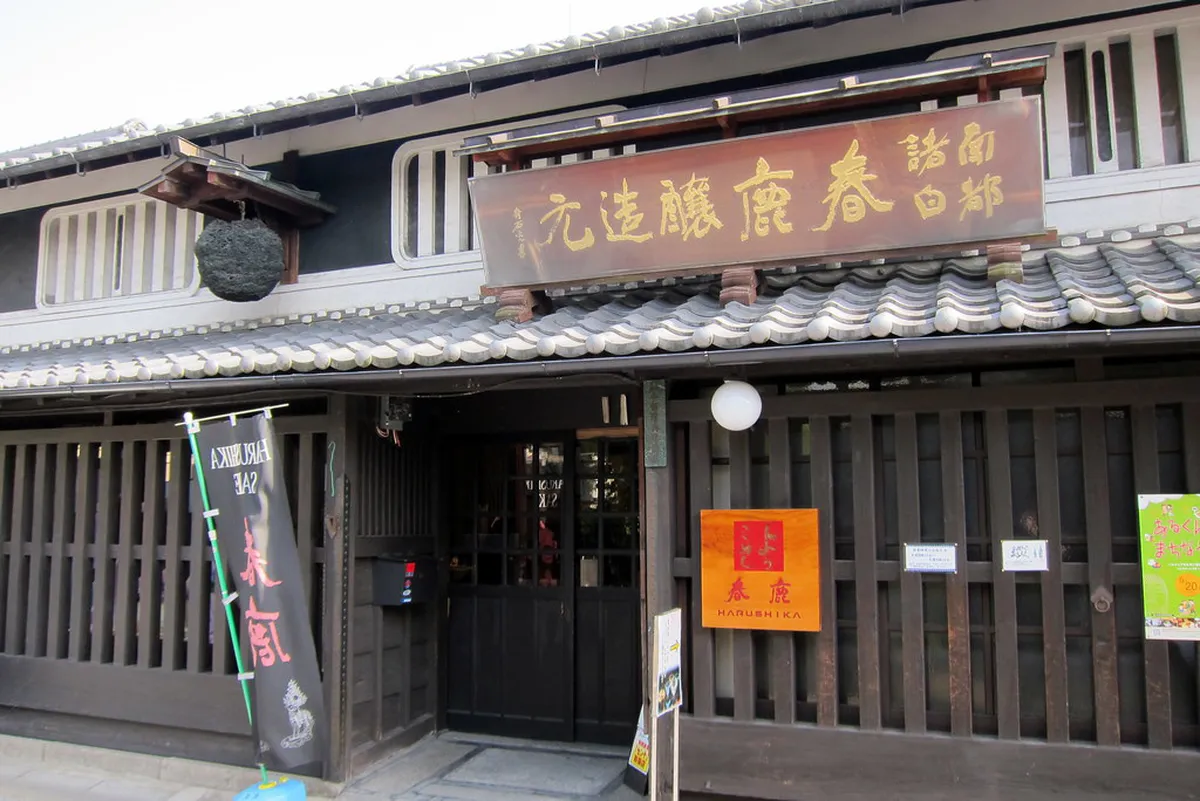
Naramachi preserves the Edo-period townhouse form known as machiya. These buildings are narrow at the street-facing facade and extremely deep — a layout the Japanese call unagi no nedoko, or "eel's beds." The reason is purely fiscal: Edo-period authorities taxed properties based on the width of their street frontage, so owners built deep to maximise living space while keeping the taxable face narrow.
The district originally served as residential land for workers attached to Gangou-ji Temple before merchants moved in during the 17th century. By the Meiji era, Naramachi had become Nara's main commercial hub. The transition from a temple neighbourhood to a merchant town is still legible in the street grid — temple grounds were subdivided into long, thin plots, which is why the eel's-bed layout feels so consistent across the whole district.
Lattice windows on the street face gave residents privacy while allowing light and air circulation. Many homes added a small internal courtyard (tsubo niwa) to draw ventilation through the deep building. These architectural details were practical solutions, not decorative choices, and spotting them while you walk is one of the best reasons to slow down rather than rush through.
Identify Must-See Naramachi Attractions and Landmarks
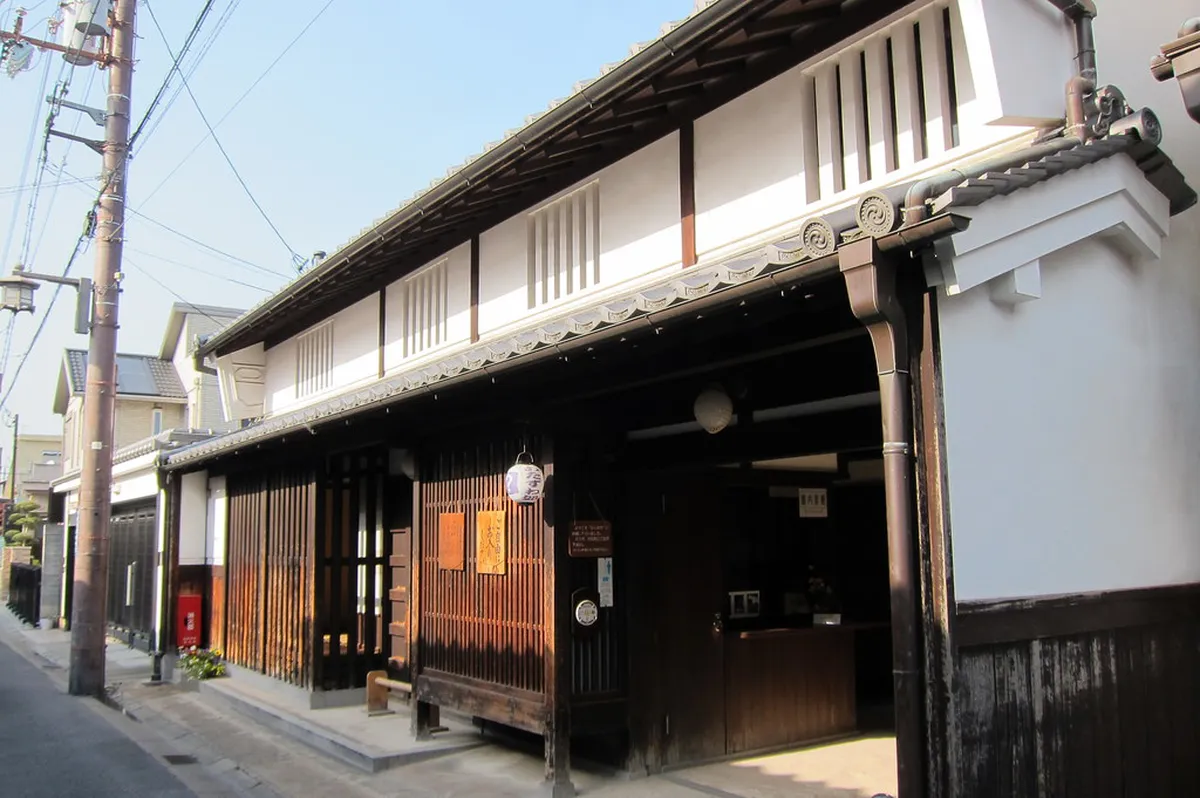
Naramachi Koshi-no-Ie is the most visited building in the district. The name means "lattice house" and the exterior woodwork is the finest example of its kind in Nara. Entry is free and the interior restores a merchant family's living quarters from the shop front at street level all the way back through storerooms to a private garden. Closed most Mondays.
Gangou-ji Temple stands near the northern edge of the district and is the oldest temple of its type in Japan, founded in the early 8th century. It holds UNESCO World Heritage status and charges a modest entry fee of around ¥500. The Gokuraku-do hall is designated as a national treasure. Unlike the free merchant houses, the fee here is worth paying specifically for the ancient roof tiles — some date to the Asuka period and carry a visible patina that is impossible to fake.
Sarusawa Pond marks the boundary between Nara Park and the start of Naramachi. It is a natural orientation point and one of the most photographed spots in central Nara, with the five-storey pagoda of Kofuku-ji reflected in the water. Begin your walk here to get your bearings before heading south into the merchant lanes.
Imanishike Shoin is less visited than Koshi-no-Ie but worth seeking out. This is a higher-status merchant residence from the Edo period with a formal reception room and a refined garden. A small entry fee applies and hours can vary, so check before visiting. It gives a clear sense of how wealthy traders lived compared to the more modest Koshi-no-Ie layout.
Explore Museums, Art, and Cultural Centers
The Naramachi Museum (Naramachi Shiryokan) is a free local history museum displaying daily life artefacts from merchant-era families. The collection includes trade tools, household items, and examples of the red cloth charms — called Migawari-zaru — that hang from machiya eaves throughout the district. The label text is mostly in Japanese, but the objects are self-explanatory and the visit takes about 30 minutes.
Naramachi Nigiwai-no-Ie is a cultural house that opens its tatami rooms, traditional kitchen, and rear Japanese garden to visitors at no charge. The building is roughly 100 years old and reflects the lifestyle of a Meiji-era tradesman's family. It closes on most Wednesdays. The tea room inside is occasionally used for short ceremonial demonstrations — check the schedule at the entrance.
Several former storehouses along the main lanes have been converted into craft galleries and workshops. Nara is historically associated with ink production, sumi brushes, and hand-dyed textiles. A few of these studios allow visitors to watch artisans at work or join a paid short workshop. If you want structured hands-on time, book in advance — casual drop-in availability is limited in 2026.
The Migawari-Zaru Charms: What Every Visitor Misses
The red cloth monkeys dangling from eaves all over Naramachi are called Migawari-zaru, meaning "substitute monkeys." The belief behind them is specific: the monkey takes on bad luck in place of the household. Traditionally, families hung one set of three — representing see no evil, hear no evil, speak no evil — and added a new one each year. The older figures fade and fray visibly, marking time like a calendar on the outside of the house.
The origin is tied to Koshindo, a small shrine inside the district near the Naramachi Museum. This is where you will see the largest concentration of Migawari-zaru alongside a carving of three wise monkeys on the roof. Most visitors photograph the Koshi-no-Ie lattice and miss Koshindo entirely. It takes five minutes to visit and explains the single most distinctive visual element of the entire neighbourhood.
The red cloth Migawari-zaru monkey charms hanging from eaves throughout Naramachi are traditionally sold in sets of three — see no evil, hear no evil, speak no evil. At around ¥500–¥800 per set, they pack flat and make an unusually meaningful souvenir directly tied to the district's Koshindo shrine tradition.
You can buy Migawari-zaru as a souvenir inside the district for roughly ¥500 to ¥800 per set. Several craft shops near the main intersection stock them alongside Nara ink sticks and hand-painted fans. They pack flat and travel well. No competitor guide to Naramachi goes into this level of detail, but local shop staff will confirm the set-of-three tradition if you ask.
Review Family-Friendly and Budget-Friendly Options
The district is very affordable. Walking the streets is free. Koshi-no-Ie, Nigiwai-no-Ie, and the Naramachi Shiryokan all charge no entry fee. Gangou-ji Temple charges around ¥500. Even a full half-day here including a coffee and a small souvenir can come in under ¥2,000 per person.
Families with children under five should be aware of the steep staircase chests inside Koshi-no-Ie. These are called tansu-kaidan — a combined storage chest and staircase designed to save space in deep machiya interiors. The steps are narrow and lack safety railings. They are fascinating to look at but genuinely hazardous for small children to climb. Point them out from a safe distance and move on.
Strollers are difficult on the narrower stone paths and at several doorways. A baby carrier makes the visit considerably easier. Children aged six and up generally enjoy the district well — the lattice windows, the tiny courtyards, and the red monkey charms are all visually engaging at that age. Several cafes in renovated machiya have low seating arrangements on tatami that work well for older children.
Master Cultural Etiquette for Historic Nara Homes
Remove your shoes in the genkan — the raised stone entryway — before stepping onto wooden floors or tatami mats. Point your shoes toward the door after taking them off. This is standard practice in any Japanese home and is not optional in the preserved machiya. Wear clean socks; you will be walking directly on tatami in some rooms.
Do not place backpacks or bags with metal frames on tatami mats. The straw weave is fragile and permanent dents are easy to cause. Set bags on wooden floors or hold them at your side in narrow corridors. Avoid touching the sliding paper doors (fusuma) and the internal latticework unless specifically invited to do so.
Keep your voice low. Naramachi is a working residential neighbourhood, not a museum campus. People live and operate businesses in buildings directly adjacent to the open houses. Photography is generally permitted in public areas of the preserved houses but ask at the entrance about any restricted rooms. Respect for the physical space keeps the district open and free — which is a genuinely rare arrangement for heritage sites of this quality.
Follow the 1-Day Naramachi Old Town Walking Itinerary
Arrive at Kintetsu Nara Station by 09:30 and walk south through Higashimuki Shopping Street. Reach Sarusawa Pond by 09:45 for the Kofuku-ji pagoda reflection — the morning light hits from the east and the pond is usually still before tour groups arrive. Head south into Naramachi from the pond's southern edge.
From 10:00, work through the main preserved houses in order: Koshi-no-Ie first for the architecture, then Koshindo shrine for the Migawari-zaru context, then the Naramachi Shiryokan for the artefact collection. None of these require more than 30 minutes each. By midday you will have the core district covered and be ready for a decision point: sake tasting at Harushika Brewery in southern Naramachi (paid tasting flight, adult only) or a quiet tea experience at Nigiwai-no-Ie (free, open most days except Wednesdays).
Spend your early afternoon in the back alleys. The lanes running parallel to the main Naramachi-dori street are quieter and better preserved. This is where small craft shops, independent cafes, and the occasional working garden appear between residential houses. Late afternoon light on the weathered wood is the best time for photography. Finish at Kasuga Taisha if you want to add a major shrine to the day, or return via Nara Park to see the deer in the golden hour.
Organize Your Logistics, Timing, and Access — Know the Closure Trap
Koshi-no-Ie closes most Mondays, Nigiwai-no-Ie closes most Wednesdays, and they do not announce this prominently at the entrance. Arriving on the wrong day means finding multiple free houses locked at the same time — check the Nara City Tourism website before you travel.
The single biggest planning mistake visitors make is arriving to find multiple houses closed on the same day. The three main free houses operate on different closure days and none of them announce this prominently at the entrance. Koshi-no-Ie closes on most Mondays. Nigiwai-no-Ie closes on most Wednesdays. Gangou-ji Temple is open daily but the treasure house has seasonal hours. Check the Nara City Tourism website before you travel — closures occasionally shift for public holidays in 2026.
Most shops and cafes in the district open between 10:00 and 18:00. The streets themselves are accessible 24 hours. Arriving before 10:00 gives you roughly 30 to 45 minutes of near-empty lanes before the day-tripper groups from Osaka and Kyoto arrive. The district becomes noticeably busier from 11:00 onward on weekends and national holidays.
Naramachi is a 15-minute walk south from Kintetsu Nara Station. From JR Nara Station it takes about 20 minutes on foot. The route is flat and passes through shopping streets. No bus or taxi is needed — walking is the only way to see the district properly, and the streets are too narrow for vehicles anyway. Wear comfortable shoes. Plan three to four hours for a thorough visit; allow an extra hour if you include Gangou-ji Temple. Check the nearby Kofuku-ji hours if you want to combine both sites in a single morning.
Consult Frequently Asked Questions
The questions below address the most common practical concerns for first-time visitors to the merchant district. Answers reflect 2026 operating conditions.
What is the best time of day to visit Naramachi? Between 09:30 and 11:00. The merchant houses open at 10:00 and the district is still quiet before large tour groups arrive from Osaka and Kyoto. Early morning light is also better for photography of the wooden facades.
Is Naramachi worth visiting on a short trip? Yes. It gives a completely different reading of Japanese urban history compared to the temples and shrines. The preserved merchant houses, the Migawari-zaru charms, and the working craft shops offer something the major heritage sites do not: ordinary civic life from the Edo period. You can absorb the essential district in 90 minutes if time is tight.
Guided tour or self-guided? Self-guided is fine for most visitors using this guide. Paid guided walking tours (typically ¥1,500 to ¥3,000 per person) add value primarily through access to private machiya interiors not open to the general public, and through detailed explanation of architectural details that are easy to miss alone. If budget allows and you have three or more hours, a guided option is worth considering.
Complete Your Merchant House Checklist
Use this checklist to confirm you have seen the most significant stops before leaving the district. All three free houses should be visited on days that do not conflict with their closure schedules.
| Stop | Entry fee | Closed |
|---|---|---|
| Naramachi Koshi-no-Ie | Free | Most Mondays |
| Naramachi Nigiwai-no-Ie | Free | Most Wednesdays |
| Naramachi Shiryokan (Museum) | Free | Open most days |
| Koshindo Shrine | Free | Open daily |
| Gangou-ji Temple | ~¥500 | Open daily |
| Harushika Brewery tasting | Paid tasting | Adults only |
- Naramachi Koshi-no-Ie — Free entry. The best-preserved example of the eel's-bed machiya layout. Closed most Mondays. Allow 30 minutes.
- Naramachi Nigiwai-no-Ie — Free entry. Meiji-era tradesman's house with tatami rooms and a rear garden. Closed most Wednesdays. Allow 20–30 minutes.
- Naramachi Shiryokan (Museum) — Free entry. Local history artefacts including Migawari-zaru displays. Open most days. Allow 20–30 minutes.
- Koshindo Shrine — Free. The origin point of the red monkey charm tradition. Five minutes to view; do not skip it.
- Gangou-ji Temple — Entry approximately ¥500. UNESCO World Heritage site with Asuka-period roof tiles and a national-treasure hall. Open daily. Allow 45–60 minutes including the treasure house.
- Harushika Brewery — Paid tasting (adults only). Southern edge of the district. One of Nara's oldest sake producers. Allow 30–40 minutes.
Frequently Asked Questions
How much time should you plan for Naramachi?
Most visitors should plan for three to four hours to see the main houses and museums. This allows for a relaxed walking pace and time for a quick snack or tea. If you have extra time, visit Todai-ji nearby to see the Great Buddha.
Are the merchant houses in Nara free to enter?
Yes, many of the primary merchant houses like Koshi-no-Ie and Nigiwai-no-Ie offer free entry to the public. Some smaller private museums or temples like Gangou-ji may require a modest admission fee. Always check the entrance for current 2026 pricing and donation boxes.
Can I walk to Naramachi from the Nara train station?
Naramachi is a short 10 to 15-minute walk from Kintetsu Nara Station. From the JR Nara Station, it takes about 20 minutes to reach the edge of the historic district. The route is flat and passes through several interesting shopping streets and local neighborhoods.
Is Naramachi worth it on a short trip?
Naramachi is definitely worth visiting even on a short trip because it offers a different perspective than the major temples. It provides a look at the secular and merchant history of Japan. You can easily combine it with a visit to the deer park in a single day.
Naramachi offers a unique look into the daily lives of ancient merchants through its preserved architecture. It provides a perfect balance to the grand temples and shrines found throughout the rest of the city. Be sure to visit the nearby Kasuga Taisha to complete your historic Nara journey.
Take your time to soak in the quiet atmosphere of this living museum during your walk. This naramachi old merchant town visitor guide ensures you see the best of what the district offers. Your visit to these historic streets will surely be a highlight of your time in Japan.
For more Nara planning, see our 20 Best Nara Attractions, Nara Itinerary for First-Timers, and Naramachi Old Town Walking Guide guide.


