
Mount Wakakusa Hiking Guide
Plan mount wakakusa hiking guide with top picks, neighborhood context, timing tips, and practical booking advice for a smoother trip.
On this page
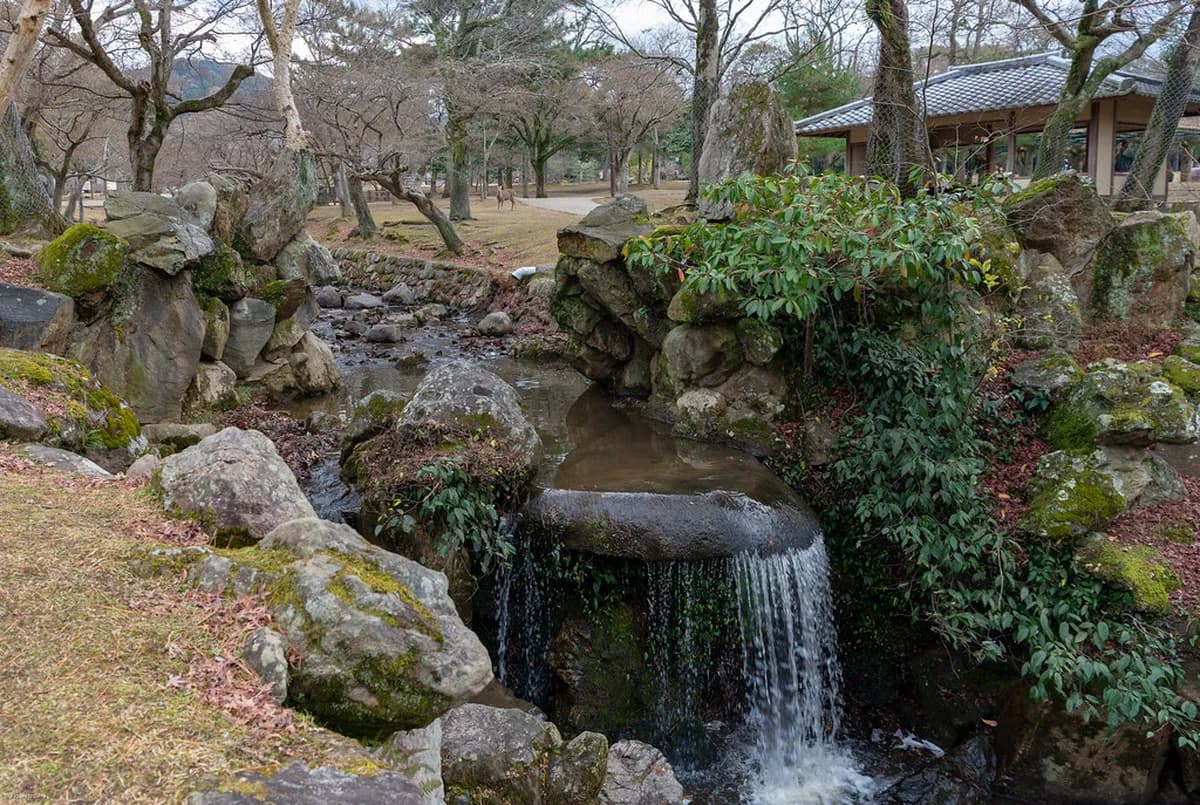
Mount Wakakusa is the grass-covered hill behind Nara Park, with open views over Todai-ji, central Nara, and the Yamato plain.
The climb is easy by mountain standards, but gates, fees, seasonal closures, stairs, and sunset timing can catch visitors off guard.
Use this guide to choose between the first viewpoint and the 342-meter summit, then fit the hike into a realistic Nara Itinerary for First-Timers.
Mount Wakakusa Hike at a Glance
Mount Wakakusa, also called Wakakusayama or Mount Mikasa, rises to 342 meters on the eastern side of Nara Park.
Visitors need 15 to 20 minutes to reach the first viewpoint and 30 to 45 minutes to reach the summit.
The route is a maintained uphill walk rather than a technical hike, but the exposed grass, wooden stairs, and short steep sections still reward good shoes.
- Choose the first viewpoint for a quick Nara panorama with minimal climbing.
- Continue to the summit for wider views, quieter trails, and Uguisuzuka Kofun near the top.
How to Get to Mount Wakakusa
The hiking gates sit east of Todai-ji Temple, close enough to reach on foot after the Great Buddha Hall, Nigatsu-do, or the deer area.
From the main temple zone, expect about 10 to 15 minutes of walking to the base, with signs for Wakakusayama pointing toward the hillside.
There are north and south gates about 300 meters apart, and both enter the same mountain area.
Use the south side when walking over from Kasuga Taisha Shrine or the forest paths.
First Viewpoint vs. Summit: How Far Should You Go?
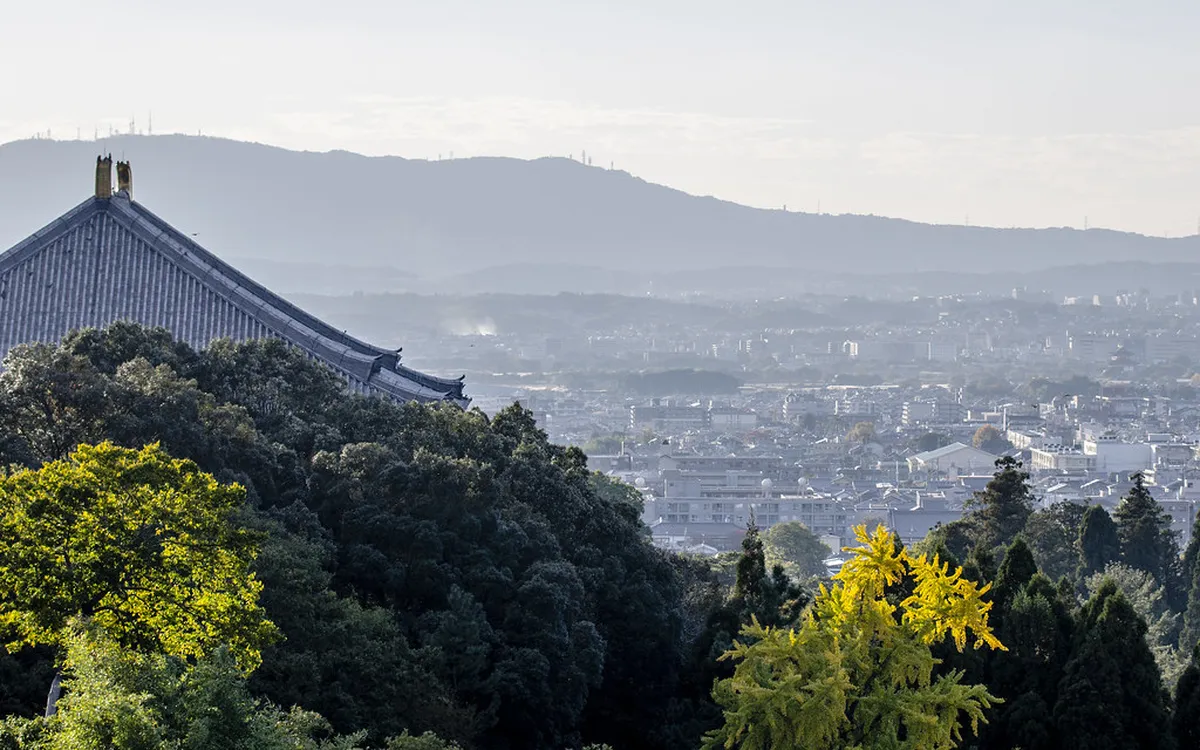
The first viewpoint is the best stop for most short Nara visits because the view opens quickly over the park, temple roofs, and city center.
It works well for families, late-afternoon arrivals, and anyone adding the hike after Nara Deer Park.
The summit gives a broader panorama over the Yamato plain, the Ikoma mountains, and the dense Kasugayama forest behind the city.
Continue only if you still have enough daylight, water, and energy for the descent.
What to Expect on the Mount Wakakusa Hike
The lower slope is bright, grassy, and exposed, with deer often grazing away from the busiest cookie-selling spots in the park.
The path mixes packed earth, stone, stairs, and forested sections, so sneakers are better than sandals.
There is limited shade on the hillside and no vending machine once you are on the route.
Bring water in warm months, step carefully after rain, and give deer space around photos or food.
There is no vending machine or water source on the trail. Bring at least 500 ml of water per person, especially in summer when the exposed grass slope offers no shade. The entrance gate is the last point to buy drinks before the climb.
Fees, Opening Hours, and Seasonal Closure
In 2026, the standard admission is 150 yen for adults and 80 yen for children, paid at the mountain gate.
The usual hours are 9:00 to 17:00, and the pedestrian hiking area normally opens from the third Saturday of March to the second Sunday of December.
The winter closure protects the grass and prepares the mountain for the annual burning event, so do not plan a casual hike from mid-December to mid-March.
Check the official Visitnara.jp listing near seasonal edges, stormy weather, or public events.
| Detail | Info |
|---|---|
| Adult admission | 150 yen |
| Child admission | 80 yen |
| Opening hours | 09:00–17:00 (last entry) |
| Open season | 3rd Sat March – 2nd Sun December |
| Time to first viewpoint | 15–20 min |
| Time to summit (342 m) | 30–45 min |
- Bring cash because payment options can be limited at the gate.
- Treat 17:00 as a hard gate time, not a flexible last-entry suggestion.
The mountain is closed from mid-December to mid-March for the annual Yamayaki grass-burning festival and grass recovery. Do not plan a hike during this window — gates are locked and the hill is off-limits even on clear days.
Can You See Sunset from Mount Wakakusa?
Yes, but the sunset plan only works if you enter before the hiking gates close.
The safest approach is to pass through the gate by 16:30, then choose the first viewpoint if the sky is already changing.
Late autumn and early spring are easiest because the sun drops earlier than the 17:00 closing time.
In summer, late-afternoon light can be beautiful, but true sunset is usually too late for the pedestrian gates.
Best Times to Visit
Spring and autumn are the most comfortable seasons because visibility is often better and the exposed slopes are easier to enjoy.
April and May bring fresh grass, while October and November add color across Nara Park and the hills beyond.
Summer is possible, but start early or late because the hillside has little shade.
Morning is quieter, while late afternoon gives the best angle on Todai-ji, Isuien Garden, and the city rooftops.
Combining with Other Activities
Mount Wakakusa fits best at the end of a temple-and-park route rather than in the middle of your day.
A practical sequence is Nara Park, Todai-ji, Nigatsu-do, Kasuga Taisha, then the mountain gate before 16:30 for late light.
This keeps the hike close to nearby sights and avoids backtracking through central Nara after you are tired.
For a slower day, visit only Todai-ji and the deer area first, then save the summit for thinner crowds.
Yamayaki, Myths, and Summit History
Mount Wakakusa is famous for Yamayaki, the January grass-burning ceremony that lights the hillside after fireworks.
Stories connect it to boundary disputes between Todai-ji and Kofuku-ji Temple, pest control, fire prevention, and Uguisuzuka Kofun near the summit.
The practical point is simple: the mountain is not open as a normal walking route during the winter closure or festival setup.
If Yamayaki is your goal, watch from Nara Park, Tobihino meadow, or another city viewpoint instead of expecting to climb.
Family-Friendly and Budget-Friendly Tips
The first viewpoint is the family sweet spot because children get deer, grass, and a real view without completing the summit route.
The low entrance fee makes it one of Nara's best-value paid activities.
Bring snacks, water, and a small bag for rubbish, but avoid eating where deer can crowd children or grab packaging.
Families with strollers should treat this as a base-area walking stop rather than a stroller-friendly hike.
Find Your Perfect Nara Stay
Staying overnight in Nara makes Mount Wakakusa easier because you can walk the park area before or after the day-trip rush.
A Nara best ryokan near Nara Park or Naramachi keeps the mountain, restaurants, and morning temples within a manageable loop.
If sunset is your priority, staying nearby reduces the pressure to catch an evening train after descending.
For a first-time visit, choose lodging based on Nara Park access rather than station proximity alone.
Final Verdict on the Hiking Experience
Mount Wakakusa is worth including if you want Nara's best easy viewpoint without committing to a full mountain day.
Stop at the first viewpoint when time, weather, or group energy is limited, and push to the summit when visibility is clear.
The hike is strongest as a late-afternoon finish after Nara Park, Todai-ji, and Kasuga Taisha, but the 17:00 gate rule should shape the plan.
For most first-time visitors, this short climb adds the aerial perspective that makes Nara's old city layout click.
Frequently Asked Questions
How long does the mount wakakusa hiking guide take to complete?
A typical hike to the first plateau takes about 20 minutes. If you want to reach the summit, plan for a 45-minute climb. Most visitors spend about 90 minutes total exploring the slopes and taking photos of the city views. Check a Japan-Guide.com for trail maps.
Is the Mount Wakakusa hike difficult for beginners?
The hike is considered moderate due to the steady incline and stone steps. However, the paths are well-maintained and wide enough for most beginners to navigate comfortably. Take frequent breaks at the grassy plateaus to enjoy the scenery and catch your breath during the ascent.
Can I see the sunset from the top of Mount Wakakusa?
You can see the sunset during months when the sun sets before 5 PM. Because the gates close strictly at 5 PM, hikers must begin their descent early. For late-night views, consider using the Nara Okuyama Driveway which stays open much later than the pedestrian hiking gates.
When is Mount Wakakusa closed to hikers?
The mountain is closed to the public from mid-December until mid-March every year. This closure allows the grass to recover and prepares the site for the annual burning festival in January. Always verify the exact opening dates on the official tourism website before you plan your hiking trip.
Use our Nara attractions hub to plan the rest of your trip.
Exploring Mount Wakakusa offers a refreshing break from the busy temple grounds and crowded city streets.
The panoramic views and friendly deer create a peaceful environment that captures the spirit of Nara.
You can easily customize your hike to fit your fitness level and available time for the day.
Your journey to the summit will likely be one of the most memorable parts of your trip.
Free: The Nara Essentials guide
Top things to do, where to stay, a perfect day plan, getting around, and the best time to go — a Nara mini-guide you can take offline.
You might also like

Continue reading
More guides you'll find useful


