How to Get to Saga Japan: Trains, Bus & Car (2026)
Learn how to get to Saga, Japan by Shinkansen relay, JR Kamome train, highway bus, or car, plus routes to Arita, Karatsu, and Yoshinogari in 2026.
On this page
Quick answer: the JR Kamome limited express is fastest, running Hakata to Saga in 40 minutes for ¥2,450 / ~$16. Budget travelers can take the Saga Go!!! highway bus from Hakata Bus Terminal for ¥1,200 / ~$8 in 80 minutes. Drivers can cover the same route on the Nagasaki Expressway in about an hour with roughly ¥1,600 in tolls.
Saga Prefecture sits in northwestern Kyushu, wedged between Fukuoka and Nagasaki. This guide covers how to get to Saga by train, bus, plane, or car. It also covers the fastest links to Karatsu, Arita, and Yoshinogari Historical Park. Prices and times below are current for July 2026; confirm exact schedules on the JR Kyushu website before booking.
How to Get to Saga: Step-by-Step
Most visitors start this route at Hakata Station, the main rail hub in central Fukuoka. Ticket machines display English, but reserved-seat tickets for the Kamome often sell out on weekend mornings. Buying online through the JR Kyushu app the night before avoids a stressful ticket-counter line. Travelers connecting from Fukuoka Airport should budget an extra 15 minutes for the subway transfer.
The Nishi-Kyushu Shinkansen opened in September 2022, connecting Takeo-Onsen to Nagasaki without a direct Hakata link. Saga's own JR station lies on the older Nagasaki Main Line, well before that shinkansen segment begins. That layout confuses first-time visitors who expect a bullet train straight into Saga City.
For a full day covering the porcelain towns, plan the loop before noon to catch daylight at Arita's kiln district. Local trains toward Arita and Karatsu run less often than the Hakata-Saga limited express. Missing a connection at Takeo-Onsen can add an hour to the trip, so build in slack time. Our Saga itinerary guide lays out a workable two-day loop through these towns.
- Step 1: Fly into Fukuoka or Saga Airport
- Fukuoka Airport has the most international and domestic connections, with a subway link straight into Hakata.
- Kyushu Saga International Airport runs direct flights from Tokyo, Nagoya, and a few Asian cities.
- Most travelers skip Saga Airport since Fukuoka has far more flight options and easier transfers.
- Step 2: Ride the subway from Fukuoka Airport to Hakata
- The Fukuoka City Subway covers the short hop from the airport terminal to Hakata Station in about 5 minutes.
- A one-way ticket costs about ¥260 / ~$2, and trains run every few minutes.
- Domestic arrivals connect directly; international arrivals need the shuttle bus to the domestic terminal first.
- Step 3: Board the JR Kamome limited express to Saga Station
- This is the core route for how to get to Saga, running roughly every 30 minutes from Hakata.
- Reserved seats run about ¥2,450 / ~$16 and the ride takes around 40 minutes.
- Unreserved cars exist but fill up fast during Saga Balloon Fiesta weekends in autumn.
- Step 4: Transfer at Takeo-Onsen for the Nishi-Kyushu Shinkansen
- Passengers continuing toward Nagasaki switch trains on the same platform at Takeo-Onsen Station.
- The shinkansen segment opened in 2022 and covers Takeo-Onsen to Nagasaki in about 30 minutes.
- Saga City itself sits before this transfer, so most Saga-bound travelers never need the shinkansen.
- Step 5: Reach Karatsu on the JR Chikuhi Line
- Direct trains leave from Fukuoka's Meinohama Station, with subway through-service from Tenjin and the airport.
- The ride to Karatsu Station takes roughly 70 to 80 minutes and costs about ¥1,160 / ~$8.
- A common mistake is boarding a local train that stops everywhere and adds 20 extra minutes.
- Step 6: Continue to Arita and Yoshinogari by local train
- Arita, the porcelain town, sits on the JR Sasebo Line, about 30 minutes past Takeo-Onsen.
- Yoshinogari Historical Park is a short ride from Saga Station via Yoshinogari-koen Station, around 15 minutes.
- Both stops run on limited local service, so check the timetable to avoid a long platform wait.
Compare Your Options: Train, Bus, or Car
Each option trades speed for cost, so the right pick depends on budget and schedule. Solo travelers without heavy bags usually save the most time on the Kamome limited express. Groups splitting a rental car often spend less per person than four train tickets.
The highway bus works well for late arrivals, since it runs later into the evening than the last train. Most late travelers find only the night bus running once the final Kamome departs Hakata around 10:30pm. Bring exact change or an IC card like SUGOCA, since not every bus accepts credit cards.
Renting a car adds flexibility for visiting Saga's top attractions outside the rail network. Expressway tolls add up fast on a multi-stop porcelain-town day, so an ETC card helps. Parking at rural kiln towns like Okawachiyama is free, unlike central Fukuoka.
- JR Kamome limited express (fastest option)
- Costs about ¥2,450 / ~$16 one-way and covers Hakata to Saga in 40 minutes.
- Departs roughly every 30 minutes throughout the day, with fewer evening services after 9pm.
- Best for travelers short on time or connecting onward to Arita and Nagasaki.
- Saga Go!!! highway bus (cheapest direct option)
- Runs from Hakata Bus Terminal to Saga Station for about ¥1,200 / ~$8 one-way.
- The trip takes around 80 minutes, roughly double the train, with buses every 20 to 30 minutes.
- A solid pick when carrying heavy luggage, since seats are guaranteed and reclined.
- JR Chikuhi and Sasebo local lines
- Chikuhi Line trains link Fukuoka's Tenjin and Meinohama stations to Karatsu in 70 to 80 minutes.
- Sasebo Line trains reach Arita from Takeo-Onsen in about 15 to 20 minutes.
- Fares run roughly ¥1,160 / ~$8 for Karatsu and ¥760 / ~$5 for Arita.
- Rental car via the Nagasaki Expressway
- Driving from Fukuoka takes about an hour and costs roughly ¥1,600 / ~$11 in tolls.
- A car makes the most sense for hopping between Arita, Imari, and Karatsu in one day.
- Parking near Saga Station and Yoshinogari Historical Park is inexpensive and rarely full.
Reaching Arita, Karatsu, and Yoshinogari
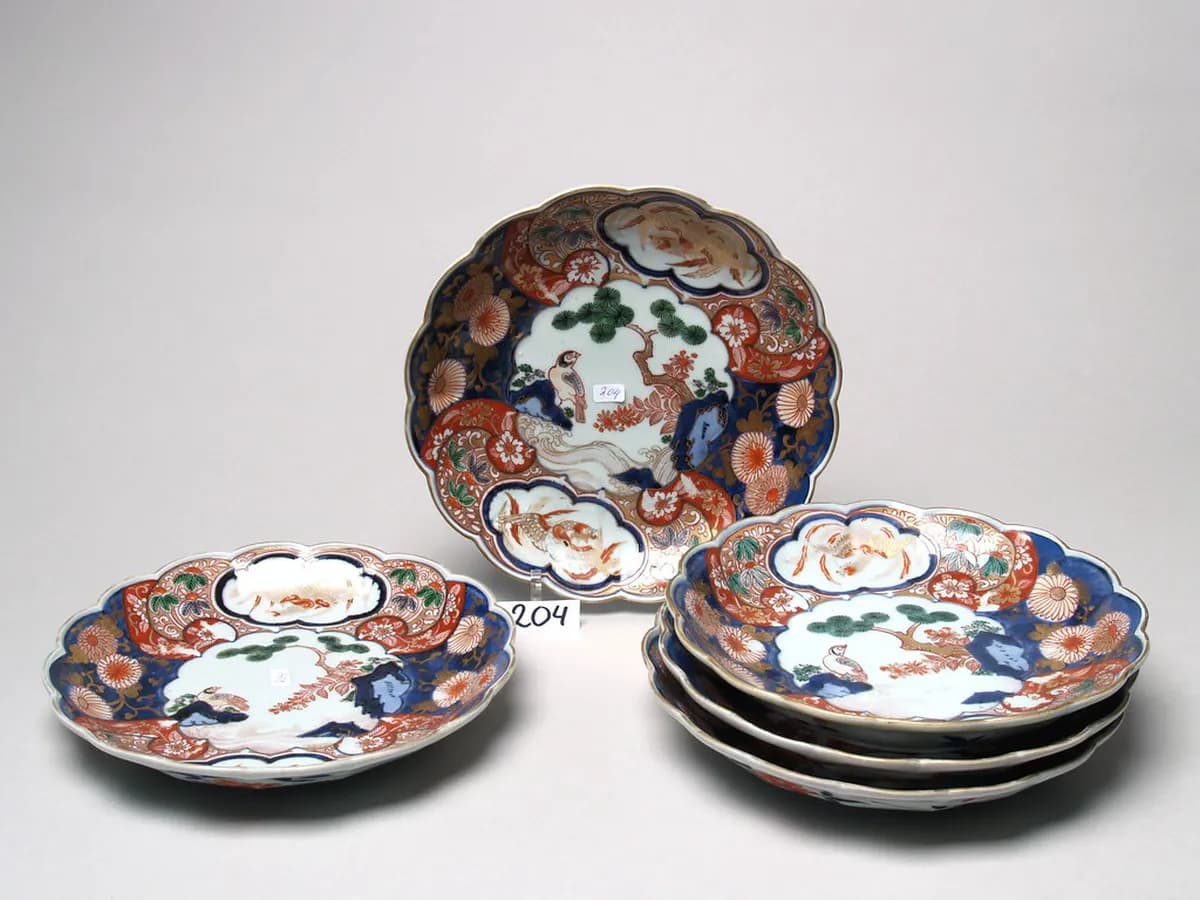
Arita, Japan's oldest porcelain town, sits about 90 minutes from Hakata by train. Visitors switch at Takeo-Onsen onto a Sasebo Line local bound for Arita or Imari. The Kyushu Ceramic Museum near Arita Station is free and a good first stop.
Karatsu offers a different route entirely, reached via the JR Chikuhi Line instead of the Nagasaki Main Line. Rapid trains from Fukuoka's Tenjin area take about 70 minutes and pass scenic Genkai Sea coastline. Karatsu Castle sits a 15-minute walk from Karatsu Station, along the harbor promenade.
Yoshinogari Historical Park is the easiest add-on, just 15 minutes from Saga Station by local train. Yoshinogari-koen Station drops visitors at the park's main gate, with no bus transfer needed. Skipping the express and taking a local train here still saves money without losing much time.
Travelers with one day should pick either the Arita-Imari porcelain loop or the Karatsu coastal route, not both. The two directions branch from different lines, so combining them in a single day means backtracking through Saga or Takeo-Onsen. A rental car is the only way to link all three destinations comfortably before evening.
Is the Nishi-Kyushu Shinkansen Worth It for Saga?
For travelers whose destination is Saga City itself, the answer is usually no. The shinkansen segment only covers Takeo-Onsen to Nagasaki, a stretch Saga-bound trains never enter. Paying for it adds cost without shortening the Hakata-to-Saga leg at all.
The shinkansen matters most for travelers continuing past Saga toward Nagasaki or Ureshino Onsen. In that case, the relay Kamome to Takeo-Onsen plus the shinkansen beats older all-limited-express routing by roughly 20 minutes. Seat reservations transfer automatically between the two legs, so there is no need to buy separate tickets.
A common misconception is that Saga City sits on the new line, which it does not. Checking a route map before booking avoids paying for a shinkansen seat that never gets used.
Before You Go: What to Pack and Prepare
A little prep before leaving Fukuoka saves time once you reach Saga. Most of these steps take only a few minutes but prevent avoidable delays. Several relate directly to seat reservations and payment methods on this route.
Cash still matters outside the big stations, especially near Arita's kiln district. Signal can be patchy in rural stretches, so download offline maps in advance. Rail passes bought before arrival in Japan can cover this entire route.
Festival weekends strain both trains and rental cars, so plan those trips further ahead. A short checklist below covers the items that matter most for this specific journey.
- What to Prepare Before Heading to Saga
- Download the JR Kyushu app to check live train times and reserve seats.
- Carry a SUGOCA or ICOCA IC card for local trains and buses around Fukuoka.
- Pack cash in small yen notes, since rural stations rarely accept foreign cards.
- Check the Nishi-Kyushu Shinkansen timetable if you plan to continue toward Nagasaki.
- Book a rental car early during the autumn Saga Balloon Fiesta, when demand spikes.
- Confirm Yoshinogari Historical Park's opening hours, since they shift seasonally.
Common Problems Getting to Saga
Even a simple route trips up first-time visitors at a few predictable points. Most problems trace back to reservations, transfers, or off-peak train frequency. Knowing the fix in advance keeps a delay from becoming a lost afternoon.
Language barriers rarely cause trouble, since major stations post English signage throughout. The bigger risk is timing, especially around festival weekends and last departures. A quick check of the JR Kyushu timetable app resolves most of these issues.
A single habit fixes most of these problems before they start. Check timetables the night before, especially around festivals or holiday weekends. That one step prevents the majority of missed connections on this route.
- Common Problems Travelers Run Into
- Reserved Kamome seats sell out on weekend mornings, so book at least a day ahead.
- Missing the same-platform transfer at Takeo-Onsen adds up to an hour of waiting.
- Local trains toward Arita and Karatsu run only once or twice an hour off-peak.
- IC cards work for local fares but not for reserved limited-express seats.
- The last direct bus from Hakata leaves before 11pm, earlier than many flights land.
- Rental cars near Fukuoka Airport book out fast during the Balloon Fiesta in November.
Frequently Asked Questions
How do I get from Fukuoka to Saga?
The JR Kamome limited express is the fastest way, running from Hakata Station to Saga Station in about 40 minutes for roughly ¥2,450 / ~$16. The Saga Go!!! highway bus is a cheaper alternative at about ¥1,200 / ~$8, taking around 80 minutes from Hakata Bus Terminal.
Does the Nishi-Kyushu Shinkansen stop in Saga City?
No, the shinkansen only runs between Takeo-Onsen and Nagasaki, a stretch that begins after Saga City. Travelers heading straight to Saga stay on the regular JR Kamome limited express the whole way. Only those continuing toward Nagasaki or Ureshino Onsen need the shinkansen transfer.
How do I get to Karatsu from Fukuoka?
Take the JR Chikuhi Line, which runs directly from Fukuoka's Tenjin and Meinohama stations to Karatsu. The trip takes roughly 70 to 80 minutes and costs about ¥1,160 / ~$8 one-way. It is a separate line from the Nagasaki Main Line used to reach Saga City.
How far is Yoshinogari Historical Park from Saga Station?
Yoshinogari Historical Park sits about 15 minutes from Saga Station on a local JR train toward Yoshinogari-koen Station. The park gate is a short walk from the platform, with no bus transfer needed. It makes an easy half-day add-on to any Saga itinerary.
Is it worth renting a car to get around Saga Prefecture?
A rental car pays off if you plan to visit Arita, Imari, and Karatsu in one trip, since those towns sit on different train lines. For a single stop like Saga City or Yoshinogari, the train or bus is simpler and cheaper. Expect about ¥1,600 / ~$11 in expressway tolls from Fukuoka.
Getting to Saga comes down to matching your route to your stop, whether that is Saga City, Arita, or Karatsu. The JR Kamome limited express covers the core Hakata-Saga run fastest, while buses and driving open up the porcelain towns. For more route ideas, browse the Japan Activity travel blog for other Kyushu day trips.
Whichever option you choose, book Kamome reserved seats early during festival season and double-check shinkansen transfers at Takeo-Onsen. With those two habits sorted, Saga's castles, kiln towns, and rice-terrace views are only an hour or two away.
Free guide: Japan's Hidden Gems
12 under-the-radar places beyond Tokyo & Kyoto — with the best season to visit each and a local tip you won't find in the guidebooks.
You might also like

Continue reading
More guides you'll find useful