
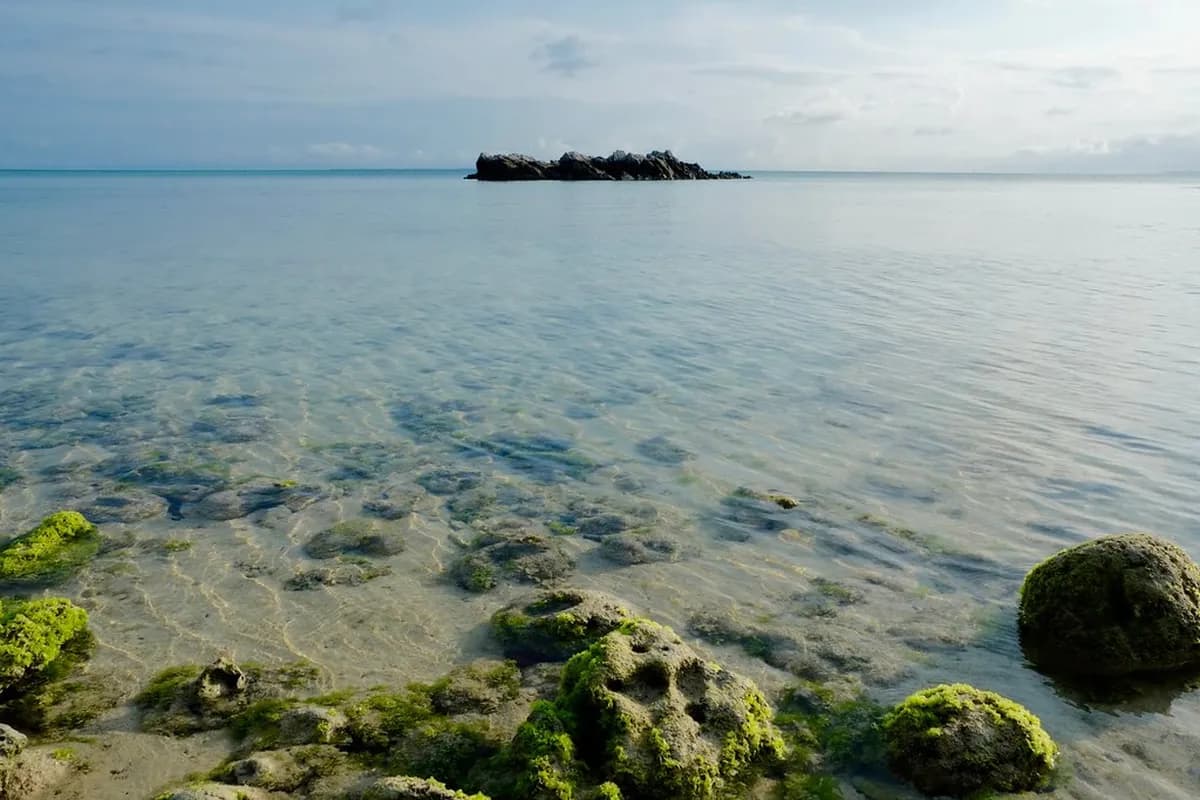
Taketomi Island offers a captivating escape from the everyday hustle. This small island, part of the Yaeyama Islands, preserves traditional Okinawan culture beautifully. Visitors can experience a slower pace of life amidst white sand paths and red-tiled roofs.
Our comprehensive Taketomi Island visitor guide helps you plan an unforgettable trip. Discover how to reach this serene destination and what activities await you. Prepare to immerse yourself in a unique Japanese island experience.
This guide covers everything from transportation to top attractions and dining options. You will find practical advice for both day trips and longer stays. Get ready to explore Taketomi Island's timeless charm.
Where is Taketomi Island?
Taketomi Island lies within the picturesque Yaeyama Islands group in Okinawa Prefecture. It is situated just a short ferry ride from Ishigaki Island. This convenient location makes it a popular day trip destination for many.
The island is renowned for its perfectly preserved traditional Ryukyu village. Its unique cultural landscape has earned it a designation as an Important Preservation District for Groups of Traditional Buildings. Exploring its charming streets feels like stepping back in time.
Taketomi Island is part of the larger Ishigaki region, a hub for exploring the Yaeyama chain. Its proximity allows for easy access while maintaining a distinct, peaceful atmosphere. Many travelers combine a visit here with other nearby islands.
Is Taketomi Island Worth Visiting?
Yes, Taketomi Island is absolutely worth visiting for its unique charm and cultural preservation. It offers a tranquil escape distinct from the bustling main islands. Travelers seeking a glimpse into traditional Okinawan life will find it incredibly rewarding.
The island provides a stark contrast to more developed tourist spots. Its slow pace encourages relaxation and mindful exploration. Many visitors describe it as a truly authentic and unforgettable experience.
If you appreciate cultural heritage, pristine beaches, and a serene environment, Taketomi Island is an excellent choice. It is perfect for those who enjoy gentle activities like cycling and leisurely walks. Consider spending at least a full day to soak in its atmosphere.
How to Get to Taketomi Island
Reaching Taketomi Island is straightforward, primarily by ferry from Ishigaki Port. The journey is short and scenic, making it very accessible. Ferries depart frequently throughout the day.
The ferry ride from Euglena Ishigaki Port Ferry Terminal to Taketomi Port takes approximately 10-15 minutes. Several ferry companies operate this route, including Ishigaki Island Dream Tourism Co., Ltd. and Ishigaki Kanko Ferry. Checking their schedules in advance is always wise.
A round-trip ticket costs about ¥1,700 per adult, with departures roughly every 30-60 minutes between 07:30 and 17:30. Tickets can be purchased directly at the ferry terminal on Ishigaki Island, or online in advance during busy periods. It is recommended to buy round-trip tickets for convenience, and to confirm the last return sailing before you set off — missing it means an unplanned overnight stay.
How to Get Around Taketomi Island
Once on Taketomi Island, several delightful options are available for getting around. The island is small and relatively flat, making exploration easy. You can choose a method that best suits your style.
Bicycle rentals are a highly popular choice for navigating the island. Shops near the port offer rentals, but remember that most close by mid-afternoon, around 2-3 PM. Renting a bike allows you to explore at your own pace.
Another iconic way to see the village is via a traditional water buffalo cart tour. These guided tours provide a charming and leisurely experience, often accompanied by local songs. Each activity takes approximately 30 minutes, departing from the Taketomi Tourist Center. Expect to pay roughly ¥1,200-2,000 per adult for the cart alone, or about ¥4,500 for a combined ferry-plus-cart package booked from Ishigaki.
Walking is also a viable option for many main sights, beaches, and village areas. Most destinations can be reached within 15-20 minutes on foot. This allows for a more intimate experience of the island's beauty.
Top Things to Do on Taketomi Island
Taketomi Island offers a range of activities that highlight its unique culture and natural beauty. Visitors can immerse themselves in traditional life or simply relax by the sea. Each activity provides a distinct island experience.
Exploring the traditional village is a must-do, with its star-shaped sand paths and red-tiled Ryukyu houses. A water buffalo cart ride through these streets offers a charming, guided tour. It provides insights into local customs and history.
Visiting the island's beautiful beaches is another highlight. Kondoi Beach is perfect for swimming and sunbathing in clear waters. Kaiji Beach is famous for its unique star-shaped sand, a popular souvenir.
Climbing Nagomi Tower provides panoramic views of the village and surrounding ocean. This small observation deck offers a fantastic photo opportunity. Remember that many shops and activities close early, typically by 3 or 4 PM.
Best Beaches and Scenic Spots
Taketomi Island boasts stunning beaches and picturesque viewpoints that captivate every visitor. These spots offer perfect opportunities for relaxation and photography. Each location has its own special allure.
Kondoi Beach is a crescent-shaped paradise with crystal-clear turquoise waters and soft white sand. It is ideal for swimming and unwinding under the Okinawan sun. The calm, shallow waters make it family-friendly.
Kaiji Beach, also known as Star Sand Beach, is famous for its tiny star-shaped grains of sand. While swimming is not recommended due to strong currents, collecting these unique sands is a popular activity. Look closely to find these natural treasures.
The West Pier (Nishi-sanbashi) offers breathtaking sunset views over the ocean. This tranquil spot is perfect for an evening stroll and capturing memorable photographs. It provides a peaceful end to a day of island exploration.
Aiyaru Beach provides another serene coastal experience, often less crowded than Kondoi. This spot is excellent for quiet contemplation and enjoying the natural surroundings. Always check local conditions before entering the water.
Exploring Taketomi's Traditional Village
The heart of Taketomi Island lies in its beautifully preserved traditional village. This area is a designated Important Preservation District for Groups of Traditional Buildings. Wandering through its streets offers a genuine cultural immersion.
The village features distinctive red-tiled Ryukyu houses, many adorned with shisa guardian statues on their roofs. White coral sand paths crisscross the village, adding to its unique aesthetic. These elements create a timeless and charming atmosphere.
Nagomi Tower, the island's original observation deck, has faced repeated closures for structural concerns, so check current signage before climbing it in 2026. If closed, the rooftop terrace of HaaYa Nagomi Cafe next door — known as the Akayama Observation Deck — offers a comparable 360-degree view over the red roofs for the cost of a drink.
Visit the Taketomi Island Yugafu Museum to learn more about the island's history and culture. The museum showcases artifacts and exhibits detailing local life and traditions. It provides valuable context for your exploration.
The Taketomi Post Office, while functional, also blends into the traditional architecture. It serves as a quaint local landmark within the village. You can send postcards with a unique Taketomi postmark from here.
Cultural Etiquette and Preserving Taketomi's Traditions
Taketomi Island is a living community of roughly 360 residents, not a recreated theme village, and a few local customs are worth knowing before you arrive. Sacred groves known as utaki or on and small shrine sites called haisho are scattered through the village; these are strictly off-limits to visitors, even when unmarked by fencing. If you are unsure whether a quiet stone enclosure is sacred, treat it as such and keep your distance.
Many red-roofed houses along the sand paths are private homes, so photograph doorways and shisa statues from the street rather than stepping into gardens or entryways. The island has no bank; the only post office handles limited currency exchange and is closed on Sundays, and small-denomination coins are chronically scarce, so carry more cash in small bills than you think you will need. A modest voluntary conservation contribution, collected via ticket machines at the port on both ends of the crossing, goes directly toward maintaining the traditional streetscape — paying it is a small but meaningful way to support the village that hosts you.
Where to Eat: Taketomi Island Food & Cafe Guide
Taketomi Island offers charming local eateries and cafes where you can savor Okinawan flavors. Dining here is part of the authentic island experience. Be aware that many establishments close early in the afternoon.
Parlor Painu Island is a popular spot known for its light meals and refreshing desserts. It is located at 417 Taketomi and operates from 10:00 AM to 5:30 PM, though hours can vary. Enjoy local specialties like shaved ice or fresh juices.
Look for small, family-run restaurants serving traditional Okinawan dishes like Yaeyama soba. These local spots offer a taste of authentic island cuisine. Many ingredients are sourced directly from the island or nearby Ishigaki.
Remember that most shops and restaurants on Taketomi Island tend to close early, often by 3 or 4 PM. Plan your meals accordingly, especially if you are visiting for a day trip. Consider packing some snacks or confirming operating hours in advance.
Where to Stay on Taketomi Island
While many visit Taketomi Island as a day trip, staying overnight offers a deeper, more peaceful experience. The island provides a few distinct accommodation options. These range from luxurious resorts to quaint guesthouses.
HOSHINOYA Taketomi Island is a renowned luxury resort designed to blend seamlessly with the traditional village. It offers private villas and exceptional service, with check-in from 3:00 PM to 9:00 PM and check-out by 12:00 PM. The resort also offers free craft activities around 10:30 AM in its communal lounge.
Hotel Peace Island Taketomi Island provides another comfortable option for overnight guests. It is located at 112-1 Taketomi, with check-in from 3:00 PM to 6:00 PM and check-out by 11:00 AM. Booking in advance is highly recommended, especially during peak seasons.
Smaller guesthouses and minshuku (Japanese-style inns) also exist, offering a more intimate stay. These often provide a chance to interact with local residents. Staying overnight allows you to enjoy the island's quiet evenings and starry skies.
Best Time to Visit Taketomi Island
Choosing the right time to visit Taketomi Island can enhance your experience significantly. The island's climate is subtropical, with distinct seasons. Each period offers different advantages for travelers.
Spring (March to May) and Fall (October to December) are generally considered the best times. Temperatures are pleasant, and humidity is lower, making it comfortable for outdoor activities. These shoulder seasons also see fewer crowds compared to summer.
Summer (June to September) is peak season, bringing warm, humid weather and higher chances of typhoons. While the ocean is ideal for swimming, attractions can be more crowded. Book accommodations and ferries well in advance if traveling during this period.
Winter (January to February) is cooler and drier, with the fewest tourists. Some facilities might have reduced operating hours, but the peaceful atmosphere is perfect for quiet exploration. This season is excellent for avoiding crowds and enjoying serene walks.
Taketomi Island Itinerary Suggestions
Planning your time on Taketomi Island helps maximize your visit, whether for a few hours or an overnight stay. Here are some suggestions to guide your exploration. Adjust these plans to fit your personal interests and pace.
For a half-day trip, arrive by an early ferry and rent a bicycle immediately. Enjoy a water buffalo cart ride through the village, then cycle to Kondoi Beach for a quick dip. Have lunch at a local cafe before catching an afternoon ferry back to Ishigaki.
A full-day itinerary allows for deeper immersion. Start with the half-day plan, then visit Nagomi Tower and the Yugafu Museum. Explore Kaiji Beach for star sand and enjoy the sunset at West Pier. Finish with dinner before the last ferry departs.
For an overnight stay, follow the full-day plan and check into your accommodation. Enjoy a tranquil evening under the stars and wake up to the island's serene morning. Explore any missed spots or simply relax before departing. This offers a truly immersive experience.
Photography Spots and Packing Essentials for Taketomi Island
Most day-trippers cluster onto the same mid-afternoon ferries back to Ishigaki, which quietly opens up the best photography window of the day. Arrive at the village around the last hour before sunset, once the bicycle rental crowds have thinned, for empty sand lanes, soft light on the coral-block walls, and shisa statues without a queue of tourists in the frame. The rooftop terrace near Nagomi Tower and the West Pier are the two standout spots for that golden-hour light, while Kaiji Beach rewards a low, close-up angle to capture the star-shaped sand grains against your palm.
Pack light but deliberately for the subtropical climate. Bring cash in small bills and coins, reef-safe sunscreen, a wide-brimmed hat, and at least one liter of water per person, since shaded rest points are limited outside the village. Closed-toe sandals or light sneakers work best for cycling and uneven sand paths, and swimwear is only needed for Kondoi Beach — currents make swimming unsafe elsewhere. A compact rain layer is worth carrying even on clear mornings, since Yaeyama showers can appear and clear within minutes.
Essential Tips for Visiting Taketomi Island
To ensure a smooth and enjoyable visit to Taketomi Island, keep these practical tips in mind. Being prepared helps you fully appreciate this special destination. Respecting local customs is also very important.
Always carry cash, as many smaller shops and cafes might not accept credit cards. Sunscreen, a hat, and plenty of water are essential due to the subtropical climate. Staying hydrated is crucial, especially during warmer months.
Respect the island's protected status and its residents. Avoid littering and stay on designated paths to preserve the natural environment. Remember that the village is a living community, not just a tourist attraction.
Check ferry schedules in advance, especially for the last departure back to Ishigaki. Many shops and rental services close early, often by 2:00 PM to 3:30 PM. Plan your activities accordingly to avoid disappointment.
Frequently Asked Questions
How much time should you plan for Taketomi Island?
Most visitors plan for a half-day or full-day trip to Taketomi Island. A half-day allows you to see the main village and one beach. A full day provides enough time to explore more thoroughly, enjoy multiple activities, and relax. Overnight stays offer a more peaceful, immersive experience.
What should travelers avoid when planning a trip to Taketomi Island?
Avoid arriving late in the day if you plan to rent bicycles or eat at local shops, as most close by mid-afternoon (2-4 PM). Do not expect bustling nightlife or extensive shopping options; the island is for relaxation. Also, avoid littering and disrespecting the traditional village's quiet atmosphere.
Are there hotels on Taketomi Island?
Yes, there are hotels and guesthouses on Taketomi Island, though options are limited. HOSHINOYA Taketomi Island offers a luxurious experience, blending modern comfort with traditional aesthetics. Hotel Peace Island Taketomi Island provides another comfortable option. Booking in advance is highly recommended, especially during peak travel seasons.
What are the must-try foods on Taketomi Island?
Must-try foods on Taketomi Island include local Okinawan dishes, particularly Yaeyama soba, a regional noodle dish. Many cafes also offer refreshing shaved ice (kakigori) and fresh tropical fruit juices. Seek out small, family-run eateries for authentic flavors. Try Parlor Painu Island for light meals and desserts.
When is the best time of year to visit Taketomi Island?
The best time to visit Taketomi Island is generally during spring (March to May) or fall (October to December). These seasons offer pleasant temperatures, lower humidity, and fewer crowds. Summer is hot and humid, while winter is cooler and quieter. Always check the weather forecast for typhoon season.
Taketomi Island provides a unique and unforgettable glimpse into Okinawa's traditional past. Its serene landscapes, preserved village, and gentle pace offer a perfect escape. This guide has equipped you with the knowledge to plan your ideal visit.
From riding a water buffalo cart to relaxing on star-sand beaches, Taketomi offers experiences unlike anywhere else. Remember to embrace the slow travel philosophy and respect the island's cultural heritage. Your journey to this traditional gem promises lasting memories.
Start planning your adventure to Taketomi Island today. Discover the timeless beauty and tranquil charm that awaits you. We hope your trip to this special part of the Yaeyama Islands is truly magical.
To verify current details, consult the Taketomi Island on Wikipedia and Taketomi Island guide on Japan Guide.