

Shiroyama Hotel Kagoshima Onsen: A Complete Visitor Guide
Discover the Satsuma-no-yu experience at Shiroyama Hotel Kagoshima. Learn about the 1,000m deep hot spring, Sakurajima views, tattoo policies, and booking tips.
On this page
Perched 108 meters above central Kagoshima, the Shiroyama Hotel Kagoshima onsen is built around a very specific promise: mineral hot spring water, a clear view of Sakurajima, and a polished hilltop resort setting. Travelers come for Satsuma-no-yu, the hotel's public bath and spa facility, but the stay also works well for food-focused visitors, couples, families, and anyone planning a short Kagoshima city itinerary.
Overview of Shiroyama Hotel Kagoshima
Shiroyama Hotel Kagoshima sits on Shiroyama Hill, a green rise above the city center that was historically tied to the final stage of the Satsuma Rebellion. The hotel is large, refined, and practical rather than a small countryside ryokan. Competitor profiles highlight its scale, long operating history, and role as one of Kagoshima's signature full-service hotels.
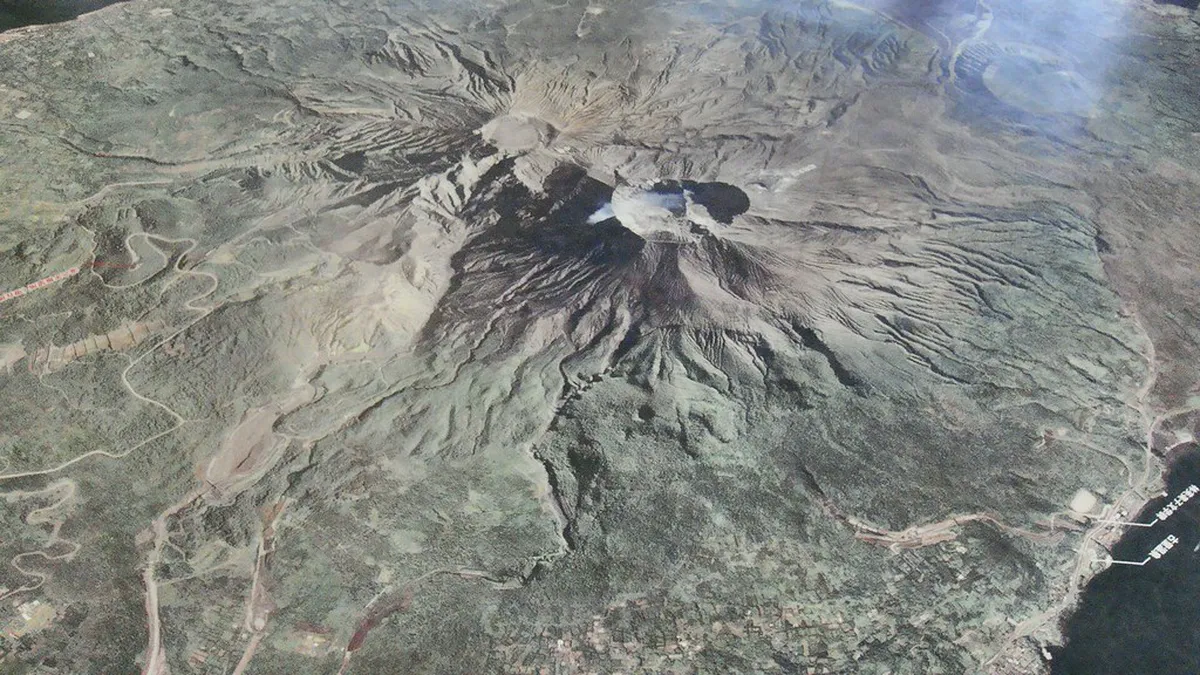
The main reason to stay here is the combination of location and onsen access. You can base yourself close to Tenmonkan, Kagoshima-Chuo Station, the Sakurajima ferry route, and Shiroyama Park, then return to a quiet hillside bath at the end of the day. For broader planning, pair this stay with a Kagoshima 2-day itinerary so the hotel works as part of the trip rather than a stand-alone splurge.
Room choice matters. A Sakurajima-view room costs more, but it gives you the volcano from your window instead of only from the bath or restaurants. If the room view is not essential, standard rooms still make sense because the public areas, breakfast venue, and Satsuma-no-yu already deliver the main panorama.
The hotel is best for travelers who want a low-friction Kagoshima stay. You get on-site dining, a shuttle connection, English-friendly service, and a bath complex that feels special enough to anchor the night. It is less ideal if you want a tiny ryokan atmosphere, in-room open-air baths as the main feature, or a walk-out-the-door nightlife location in Tenmonkan.
In 2026, the best booking strategy is to reserve early for weekends, spring travel, autumn foliage, and major local event periods. The hotel has many rooms, but the desirable view categories and private baths can still fill first. You can compare rate patterns through the Shiroyama Hotel Kagoshima Booking & Reviews page before committing.
Also check what is included in your rate. Some plans are room-only, some include breakfast, and some bundle dinner or lounge privileges. At a property like this, the cheapest plan is not always the best value if you later add breakfast, taxis, and a private bath separately.
The Satsuma-no-yu Onsen Experience
Satsuma-no-yu is the hotel's central wellness facility, located in the east wing rather than hidden away as a minor amenity. It includes indoor bathing areas, open-air baths, changing rooms, grooming spaces, relaxation rooms, sauna facilities, and private rental baths. The atmosphere is closer to a modern resort spa than a rustic village bathhouse.
The public bath experience is structured around the view. Inside, high ceilings and wide windows keep the space bright and open. Outside, the rotenburo places you in the air above Kagoshima City, with Sakurajima and Kinko Bay directly ahead. This is the feature that makes Satsuma-no-yu different from many urban Kagoshima onsen options.
Expect a polished hotel bath routine. Wash thoroughly at the seated shower stations before entering the water, keep towels out of the bath, and move quietly around the bathing area. The facility provides toiletries, vanity spaces, and post-bath relaxation areas, so you do not need to bring much beyond a change of clothes and any personal skincare you prefer.
Hotel guests should ask at check-in about the least crowded bathing windows. Morning (before breakfast) is best for the outdoor Sakurajima view; evening gives a city-lights atmosphere. Staying guests can realistically try both. A rushed 60-minute gap is not enough for day visitors — allow a 2- to 3-hour window including transit up the hill.
For first-time onsen users, the easiest approach is to treat Satsuma-no-yu as a sequence rather than a single long soak. Wash first, enter the indoor bath for a few minutes, move outside once your body has adjusted, then cool down before repeating. Long continuous soaking can feel relaxing in the moment but leave you lightheaded, especially after travel.
Day visitors may be able to use Satsuma-no-yu for a fee, while staying guests normally have easier access. Hours and admission rules can change around holidays, maintenance periods, and busy weekends, so confirm the current schedule before treating it as a guaranteed day-trip stop. Hotel guests should ask at check-in about the least crowded bathing windows.
If you are not staying overnight, build in more time than the bath itself requires. You need transit up the hill, reception or ticketing, changing time, bathing time, cooling down, and the trip back to the station or city center. A rushed 60-minute gap is not enough; a 2- to 3-hour window makes the visit feel intentional.
Natural Hot Spring Water from 1,000 Meters
The spring water used at Satsuma-no-yu is drawn from about 1,000 meters underground. SERP competitors consistently call out this depth because it separates the bath from ordinary heated tap-water facilities. The water is commonly described as a hydrogen carbonate or bicarbonate spring, with a weak alkaline character.
For bathers, the key point is texture. Hydrogen carbonate water is often associated in Japan with "Bijin-no-yu," or beauty-bath water, because it can feel smooth on the skin and help wash away surface oils. Do not expect a dramatic medical treatment, but do expect the water to feel softer and more slippery than a plain hot bath.
Trip101's onsen-focused review noted a high-temperature source and a hypotonic, weak alkaline profile, which explains why the hotel can offer a consistent soaking experience throughout the year. The hotel controls the final bathing temperature for comfort, so the public bath should feel relaxing rather than punishingly hot. If you are sensitive to heat, start with a shorter soak and cool down before returning.
The water's skin-smoothing reputation is useful context, but it should not change basic bathing etiquette. Do not scrub aggressively in the washing area to chase the "beauty bath" effect. Let the mineral water do the work, rinse only if your skin feels irritated, and moisturize afterward if you are prone to dryness.
Hydration is the simple first-timer detail many travelers overlook. Drink water before entering, avoid alcohol immediately before bathing, and rest after your soak instead of rushing straight to dinner or sightseeing. This matters more at Shiroyama because many guests combine the bath, sauna, and lounge in one extended wellness session.
Families should keep children on shorter cycles. The view can make adults want to linger, but children overheat faster and may not notice until they feel dizzy. Use the indoor area first, step outside only if everyone is comfortable, and make the private bath your default if you need more control over pace and noise.
Modern Spa Facilities and the Low-Heat Sauna
Satsuma-no-yu was repositioned as a modern spa resort after its major renewal, and the facility still reads that way. The bath is only one part of the experience. Relaxation rooms, vanity areas, private rooms, massage services, and body treatments make it possible to spend a full half-day here without leaving the hotel.
The low-heat sauna is the most useful detail for travelers who usually avoid saunas. Competitor coverage describes a sauna temperature that stays around 42-44 degrees Celsius, far below the intensity of many dry saunas. That gentler heat allows longer, slower sessions and can feel easier on the breathing, especially after a day of walking in Kagoshima's humid weather.
This is not the place to chase endurance records. Use the sauna between short bathing sessions, rinse off before returning to the water, and take time in the relaxation lounge afterward. The value is the rhythm: wash, soak, cool down, use the sauna briefly, then rest with the city and bay just outside the windows.
The low-heat concept also makes the facility friendlier for mixed-experience travel groups. One person can enjoy the sauna without disappearing into a very hot room, while another can spend more time in the bath or lounge. That matters for couples and families because Satsuma-no-yu is often part of the evening plan before dinner, not a separate spa day with no schedule pressure.
Spa treatments are best booked before you arrive or immediately after check-in, especially on weekends in 2026. Oil massages, body scrubs, foot treatments, and in-room options can be useful if you are coming from a long train ride or planning an active next day around Sakurajima. Ask for timing that does not collide with dinner reservations or private-bath slots.
The smartest order for most guests is bath first, treatment second, then dinner. That lets you wash and warm up before the massage, then avoid returning to the public bath immediately after a treatment. If you prefer a morning treatment, leave enough time afterward to shower, pack, and check out without turning the spa into a race.
Panoramic Views of Sakurajima and Kinko Bay
The view is the headline. From 108 meters above sea level, Satsuma-no-yu looks across Kagoshima City, Kinko Bay, and Sakurajima. On clear days, you may see volcanic smoke rising from the crater while ferries move across the bay below. For travelers planning to cross the water later, our Sakurajima ferry guide helps connect the bath view with the actual day trip.
Morning is the strongest bathing window if your goal is the classic view. The sun rises around the Sakurajima side of the bay, so a pre-breakfast soak can give you soft light, cooler air, and fewer casual day users. Check the sunrise time the night before and arrive about 20 minutes early if the bath opening hours allow it.
Evening has a different appeal. The volcano becomes a dark outline, the city lights come up, and the bath feels more like an urban resort spa. If you only have one chance to bathe, choose morning for scenery and evening for atmosphere. Staying guests can realistically try both.
The under-discussed variable is volcanic ash and wind direction. Sakurajima is active, and visibility can change quickly even on days that start clear. If the forecast shows ash drifting toward Kagoshima City, use indoor viewpoints, keep contact lenses protected, and avoid planning your only bath for a moment when the open-air section may feel less comfortable.
A practical photography note: you cannot treat the bathing area like an observation deck. Cameras and phones are not appropriate in the public bath. Take your photos from guest rooms, restaurants, the lobby-facing viewpoints, or the nearby Shiroyama Observatory, then use the bath for the view itself.
Clouds do not automatically ruin the experience. Low cloud can erase the volcano for an hour and then open suddenly, while light haze can make the bay look soft and layered. If Sakurajima is hidden during your first soak, try again after breakfast or before dinner instead of writing off the view for the whole stay.
Practical Guest Information: Tattoos and Access
The easiest route is the hotel shuttle from Kagoshima-Chuo Station. Competitor pages repeatedly cite about 25 minutes by shuttle bus, while a taxi can take around 10 minutes depending on traffic. If you are arriving with luggage, the shuttle is useful because the hotel sits uphill and the final approach is not a pleasant suitcase walk. From there, Sakurajima attractions are easily accessible by ferry.
Check the 2026 shuttle schedule before arrival rather than assuming constant service. Use the station as your timing anchor: if you miss the hotel bus by a few minutes, a taxi may be worth it, especially after dark or in heavy rain. From Kagoshima Airport, plan on the airport bus to Kagoshima-Chuo Station first, then the hotel shuttle or taxi.
The public Satsuma-no-yu bath does not allow visible tattoos. Waterproof cover stickers only work for small tattoos if the hotel accepts them — do not rely on stickers for large pieces or sleeves. The reliable option is the private rental bath (separate fee, reservation-only 50-minute rooms). Private baths do not have the Sakurajima view.
Tattoos need advance planning. The public Satsuma-no-yu bath generally does not allow visible tattoos, and the most reliable solution is a reserved private rental bath. Waterproof cover stickers may work only for small tattoos and only if the hotel accepts them at the time of your visit; do not rely on stickers for large pieces, sleeves, or multiple visible tattoos.
Ask the hotel about private baths as soon as you book, then confirm again at check-in. The hotel's current Satsuma-no-yu information lists private baths as separate-fee, reservation-only 50-minute rooms, with different pricing for overnight guests and day visitors. They are the practical path for tattooed guests, couples wanting privacy, families with children, and travelers who feel uneasy in a public bath.
If you are tattooed and traveling with non-tattooed companions, decide whether the group wants to split or stay together. One person can use the private bath while others use the public Satsuma-no-yu, but that means different views, different timing, and possibly different fees. For a shared memory, reserve the private bath for everyone and treat the public bath as optional for companions who want a second soak later.
Do not book the private bath expecting the famous Sakurajima panorama. The official private-bath notes state that the reserved baths have no view, while the public open-air bath is the place for the volcano and Kinko Bay. That tradeoff matters: tattoo privacy and family control are the private-bath strengths; scenery is the public-bath strength.
Mobility is another point to check directly. The private-bath area was renewed with universal design in mind, including no step from entrance to bathing area, handrails in the washing area, adjustable seating, and a Western-style toilet with handrails. Guests who need a chair, rail, wheelchair access, or minimal step access should still ask the hotel for the exact current setup because equipment and room assignment can vary.
Cashless payment is common in major Japanese hotels, but small onsen-related charges can still be handled differently depending on the plan. Ask whether the private bath, day-use fee, or spa treatment is charged to the room, paid at the bath reception, or settled separately. This is especially useful for day visitors who will not have a room account.
| Private bath option | Best use | 2026 fee guidance | View and access note |
|---|---|---|---|
| Private bath for overnight guests | Tattooed guests, couples, and small families staying at the hotel | 50 minutes; weekday fee from 2,970 yen tax included, weekend and holiday fee from 3,300 yen tax included | No Sakurajima view; reserve early and confirm capacity for your group |
| Private bath for day visitors | Travelers using Satsuma-no-yu without an overnight stay | 50 minutes; weekday fee from 4,950 yen tax included, weekend and holiday fee from 5,500 yen tax included, bathing tax may be separate | No Sakurajima view; best for privacy, tattoo protocol, and controlled family bathing |
Dining and Accommodation Highlights
Dining is part of the reason Shiroyama works as a full resort stay instead of just an onsen stop. Japanese Onsen's profile highlights the breakfast buffet, including local dishes, freshly baked bread, and Kagoshima specialties. Satsuma-age fish cakes are the local item to look for first; our Kagoshima famous food guide gives more context if you are building a food-focused trip.
The restaurant choice depends on how formal you want the evening to feel. Sushi suits travelers who want local seafood without a long multi-course meal. Teppanyaki is better for Kagoshima beef and a more performative counter experience. Kaiseki or kappo-style dining fits anniversaries, special trips, and guests who want the meal to feel as deliberate as the bath.
| Dining option | Choose it for | Typical fit |
|---|---|---|
| Sushi Sakura | Seafood, sushi, and a focused Japanese dinner | Couples or solo travelers who want a refined but direct meal |
| Teppanyaki Kusunoki | Kagoshima beef and counter cooking | Guests who want a celebratory dinner with more interaction |
| Kaiseki or kappo dining | Seasonal courses and formal pacing | Special occasions, ryokan-style dining expectations, and slow evenings |
Accommodation ranges from practical standard rooms to higher-end categories with Sakurajima views, Japanese-modern styling, club-floor benefits, and suites. If you are staying only one night, prioritize the view, bath timing, and breakfast rather than overloading the itinerary. If you are staying two nights, use the hotel as a calm base for Sakurajima, Tenmonkan, and Shiroyama Park.
Guest reviews can help set expectations around room age, dining queues, and service flow. The TripAdvisor Guest Reviews for Castle Park Hotel are especially useful for recent comments on breakfast crowding and room categories. Read reviews by traveler type, because business guests, families, and onsen-focused couples often value different things.
For one-night stays, book dinner on site only if you want the evening to stay slow. Otherwise, eat in Tenmonkan, return by taxi or shuttle, and use the bath late if hours allow. For two-night stays, a good pattern is one hotel dinner and one city dinner, with breakfast at the hotel both mornings if the buffet matters to you.
Breakfast timing deserves a little strategy. Go early if you want the widest selection and a calmer room, or go later if your priority is a slow morning after sunrise bathing. If you plan to catch an early ferry, airport bus, or limited train, confirm breakfast opening time before choosing a breakfast-included rate.
Exploring Shiroyama: Nearby Historical Sites
Shiroyama is not just a viewpoint with a hotel attached. The hill is tied to the 1877 Satsuma Rebellion and the last days of Saigo Takamori, one of Kagoshima's defining historical figures. Staying here makes it easy to add that context without planning a separate half-day excursion.
The most useful nearby stop is Shiroyama Observatory, which gives you a public, camera-friendly version of the Sakurajima panorama. It is a good place to take the photos you cannot take inside Satsuma-no-yu. Nearby paths and historical markers also help explain why this hill carries so much local meaning.
Saigo Takamori's cave and related Satsuma Rebellion sites are within the broader area, though routes can involve slopes and uneven sections. Wear proper shoes if you plan to walk rather than shuttle or taxi back down. In hot months, do the historical walk early, then return to the hotel before the strongest afternoon heat.
The hill also helps solve a common Kagoshima planning problem: how to combine nature, history, and the volcano without spending the whole day in transit. You can cover the observatory and nearby historical markers in a compact window, then save your longer excursion time for Sakurajima or Ibusuki. That makes Shiroyama especially useful for travelers with only one full day in the city.
The best pacing is simple: sunrise bath, breakfast, Shiroyama walk, then ferry or city sightseeing later in the day. That order keeps the onsen from becoming an afterthought and lets the hotel location work in your favor. Travelers who try to squeeze the bath between checkout and transport often miss the calm that makes Shiroyama worth booking.
Frequently Asked Questions
Is the Shiroyama Hotel onsen open to non-guests?
Yes, the Satsuma-no-yu onsen is open to day visitors for a fee. However, guests staying at the hotel enjoy complimentary access throughout their stay. It is best to check the current hours for non-guests as they may vary during peak holidays.
What is the tattoo policy at Satsuma-no-yu?
Tattoos are generally not permitted in the public bathing areas of the hotel. If you have ink, you should book a Kagoshima hotel with a private onsen option at Shiroyama. These rental baths provide a private experience for you and your family.
How do I get to Shiroyama Hotel from Kagoshima-Chuo Station?
The hotel provides a free shuttle bus that takes approximately 25 minutes from the station. The bus departs from the east exit area and runs at regular intervals throughout the day. Taxis are also available if you arrive outside of the shuttle bus operating hours.
What are the benefits of the 1,000-meter deep spring water?
The deep-source water is rich in hydrogen carbonate, which helps to smooth and cleanse the skin. It is often called beauty water because of its gentle exfoliating properties. Soaking in these minerals also helps to relieve muscle fatigue and improve your overall circulation.
The Shiroyama Hotel Kagoshima onsen is strongest when you treat it as a complete hilltop experience: Satsuma-no-yu, 1,000-meter-deep bicarbonate water, Sakurajima views, careful bath timing, and practical planning around tattoos and access. Book the private bath early if you need one, use the shuttle wisely, and save at least one morning for the sunrise view over Kinko Bay.
Free: The Kagoshima Essentials guide
Top things to do, where to stay, a perfect day plan, getting around, and the best time to go — a Kagoshima mini-guide you can take offline.
You might also like


Continue reading
More guides you'll find useful


