

12 Best Kagoshima Onsen: Sand Baths & Volcano Views (2026)
Discover the best Kagoshima onsen, from Ibusuki's natural sand baths to seaside springs and volcanic retreats. Includes access tips and tattoo-friendly picks.
On this page
Kagoshima is one of Kyushu's strongest onsen prefectures because the choice is unusually broad. You can be buried in naturally heated black sand in Ibusuki onsen, watch steam rise from the Kirishima highlands, or soak above Kagoshima Bay with Sakurajima in view.
This 2026 refresh focuses on the practical questions that matter: which Kagoshima onsen is worth detouring for, how to reach it, what a day-use soak costs, and where tattooed travelers have the best chance of bathing without stress.
Ibusuki Onsen (指宿温泉)
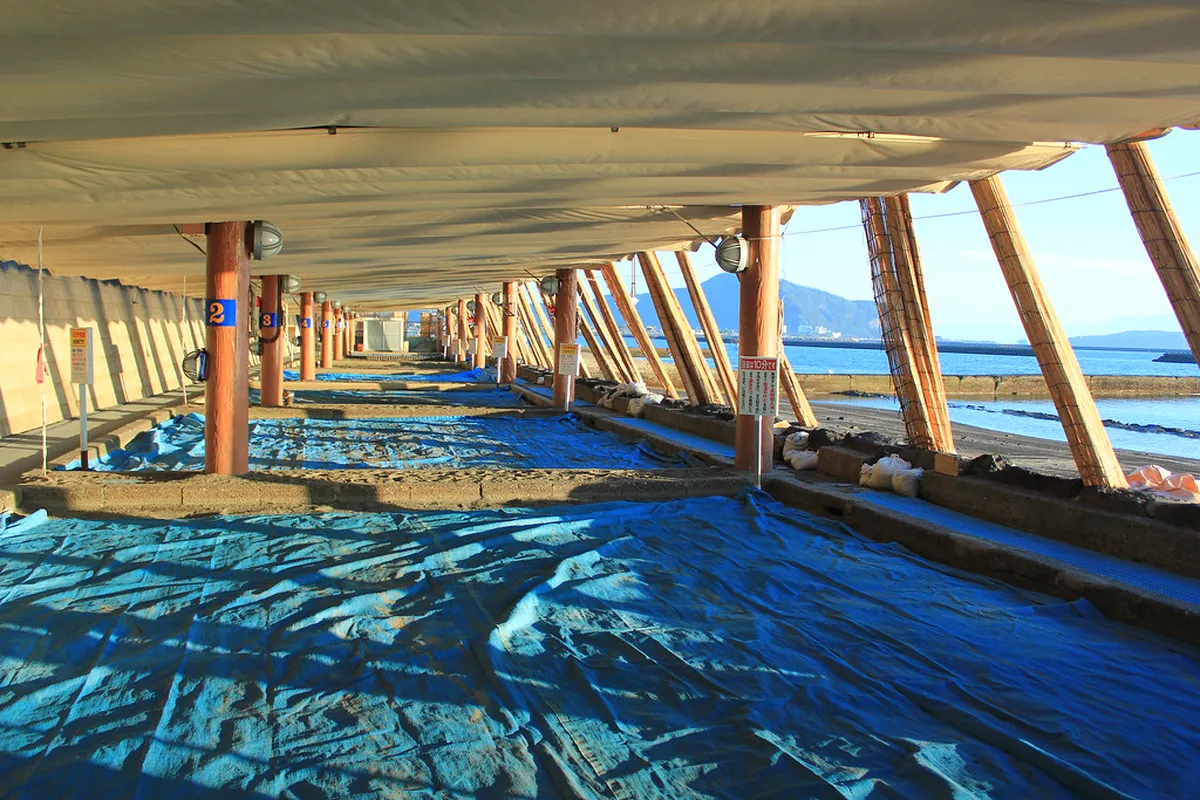
Ibusuki is the Kagoshima onsen experience most first-time visitors should prioritize. Its sunamushi sand baths use naturally heated volcanic sand, so the heat feels heavier and more even than a normal tub soak. Staff bury you up to the neck in a yukata for about 10 to 15 minutes before you rinse and enter a regular hot spring bath.
Choose Ibusuki when you want the classic postcard experience and can give the area half a day. Saraku is easiest near Ibusuki Station, while Healthy Land's Sayuri sand bath has a wilder coastal setting near Mount Kaimon. Build it into a wider Kagoshima and Sakurajima itinerary.
- Access is about 50 to 70 minutes by JR train from Kagoshima-Chuo to Ibusuki, then a short walk, bus, or taxi depending on the bath.
- Expect to pay around ¥1,100 to ¥1,500 for a sand bath set, with towel rental often charged separately.
Ibusuki sand baths require wearing the provided yukata. Remove all jewelry before entering — the volcanic sand conducts heat unevenly around metal. Sessions last 10–15 minutes; step out immediately if you feel lightheaded.
Kirishima Onsen (霧島温泉)
Kirishima is the right choice if you want steam vents, sulfurous air, mountain roads, and a stronger volcanic setting. The highlands have milky sulfur water, acidic blue water, and carbonated sources within a small area. It pairs well with Kirishima-Jingu Shrine or a hiking day when trails are open.
The tradeoff is logistics. Public transport reaches the area, but the best baths are scattered, and buses thin out in the afternoon. Use a rental car or stay overnight instead of treating Kirishima as a quick city add-on.
- Access is usually JR to Kirishima-Jingu or Kirishima Onsen Station, followed by a local bus or taxi to the bath area.
- Day-use baths commonly cost ¥500 to ¥1,200, while ryokan stays vary widely by meal plan and room type.
Sakurajima Shiroyama Onsen
Shiroyama is the most convenient Kagoshima city onsen for a polished soak with a direct Sakurajima view. The open-air bath at Shiroyama Hotel Kagoshima is famous because the bay, city, and volcanic smoke line up on clear days. Its hydrogen carbonate spring is gentler than Kirishima's sulfur baths.
This is also one of the strongest choices for couples, families, and tattooed travelers because private rental baths are available. Public tattoo rules still vary by facility, so a reservable private bath is the cleanest workaround. It fits after a morning of Kagoshima city sightseeing.
- Access is about 10 minutes by taxi from Kagoshima-Chuo, or around 25 minutes by hotel shuttle when available.
- Day-use and private-bath pricing changes by plan, but budget more than a neighborhood bath and reserve private use early.
Yugawachi Onsen "Kajikaso"
Yugawachi Onsen Kajikaso is a quiet northern Kagoshima stop for travelers who care more about water quality than facilities. The clear spring bubbles up from the bath floor at a moderate temperature, giving it a fresh, soft feel. Silence, forest, and a slow soak are the main reasons to go.
The catch is distance. This is not a casual detour from central Kagoshima unless you are already heading toward Izumi or northern Kyushu. It suits a slower prefecture route.
- Access is easiest by car from Izumi, with rail travelers needing a taxi for the final leg.
- Day bathing is typically around ¥300, though hours and day-use availability should be checked before leaving.
Kirishima Yunotani Sanso
Kirishima Yunotani Sanso is one of the best Kagoshima onsen choices for mineral enthusiasts. Its baths include hot sulfur water, cooler carbon dioxide water, and a mixed-temperature bath, so you can compare sources in one property. The sulfur is strong enough to tarnish silver jewelry quickly.
This is a rustic mountain lodge rather than a resort spa. Go for the water, the old building, and the highland atmosphere. It works best as part of a Kirishima overnight or a focused onsen day.
- Access is by bus or taxi from the Kirishima area, with a rental car making the visit much easier.
- Day-use bathing is usually around ¥500, with entry hours often limited to late morning and early afternoon.
Myoken Onsen "Tajima Honkan"
Myoken Onsen sits along the Amori River near Kagoshima Airport, making it practical for arrival or departure day. Tajima Honkan keeps an old wooden atmosphere, with simple baths that feel closer to a local therapeutic stop than a luxury spa. The area's carbonated waters are often associated with skin and circulation benefits.
Because it is closer to the airport than Ibusuki or deep Kirishima, Myoken can rescue awkward flight timing. Stay overnight for meals and ryokan rhythm; use day bathing for a restorative stop.
- Access is about 15 minutes by bus or taxi from Kagoshima Airport, or by car from central Kirishima.
- Basic day bathing often costs around ¥250 to ¥500, depending on the bath and current schedule.
Hirauchi Kaichū Onsen (平内海中温泉)
Hirauchi Kaichu Onsen on Yakushima is the wildest bath in this guide. The pools sit on the rocky shoreline and are only usable around low tide, when naturally heated seawater gathers in the basins. Arrive at the wrong time and the bath may be underwater or unsafe.
Plan it with a tide table, not normal opening hours. Aim for the two hours before or after low tide, bring a small towel, and remember that this is a mixed, public local bath with an honor payment box. It makes sense only if Yakushima is already in your trip.
- Access is by ferry or flight to Yakushima, then local bus or rental car to the Hirauchi area on the island road.
- The usual donation is about ¥200, but the real cost is the time needed to match ferry, bus, and low-tide windows.
Healthy Land Resort vs. Sayuri Sand Bath
Healthy Land is often treated as one stop, but travelers are choosing between two linked experiences. Tamatebako Outdoor Hot Spring gives you the Mount Kaimon and ocean view, while Sand-Steamed Hot Spring Sayuri is where you get buried in hot coastal sand. Do both if time allows.
If crowds matter, go early and avoid weekends. Saraku near Ibusuki Station is easier without a car, but Healthy Land and Sayuri feel more open. Bring water, remove accessories, and leave the sand if you feel lightheaded.
- Access is by JR to Yamakawa or Ibusuki, then Kagoshima Kotsu bus, taxi, or rental car toward Healthy Land.
- A combined sand bath and open-air bath plan is commonly around ¥1,500 to ¥2,000, depending on towel and set-ticket rules.
Kaigata Onsen "Enoshima Onsen"
Kaigata Onsen Enoshima Onsen is a simple local bath on the Osumi Peninsula side of Kagoshima Bay. Its appeal is freshness: the source volume is high, and the setting gives you a quieter view of Sakurajima's southern side. It feels far from central Kagoshima's hotel baths.
This is a good choice if you are already crossing the bay, exploring Tarumizu, or driving the Osumi side after the Sakurajima ferry. It is a bathhouse, not a scenic resort, so keep expectations practical.
- Access is easiest by car after using the Sakurajima ferry or driving around the bay.
- Entry is usually around ¥250 to ¥400, making it one of the better-value coastal soaks.
Yoshimatsu Onsenkyo "Tsurumaru Onsen"
Tsurumaru Onsen stands out because of its dark moor spring, a plant-derived mineral water that feels silky rather than sharp or sulfurous. The bathhouse has an old-fashioned local character, with tiled interiors and a slower pace than tourist baths. It is strong for repeat visitors.
The northern location works best when paired with Yusui, the Hisatsu railway area, or a rental-car loop. For onsen fans, the unusual water type is the reason to go. Rushed first-timers should prioritize Ibusuki, Shiroyama, or Kirishima.
- Access is by train toward Yoshimatsu or by car through northern Kagoshima, then local transfer as needed.
- Entry is commonly about ¥200, though small local bathhouses can change hours with little notice.
Yunomoto Onsen "Yamaguchi Onsen"
Yunomoto Onsen Yamaguchi Onsen is a practical Hioki stop for travelers who want an inexpensive everyday bath. The alkaline water is known for a smooth skin feel, and the atmosphere is closer to community routine than a curated tourist experience. Bring your own towel and bathing supplies.
This is the sort of Kagoshima onsen that shows why locals bathe so often. It is affordable, direct, and low ceremony once you know the etiquette. Add it to a west-side day.
- Access is by JR toward Yunomoto or by car from Kagoshima City, with walking or taxi needed depending on timing.
- Bathing can be around ¥100 to ¥300, making it one of the cheapest options in the prefecture.
Kimiyoshi Onsen
Kimiyoshi Onsen is a retro local bathhouse with distinctive mineral-heavy water. The spring has a strong dissolved-mineral profile, so the soak feels more substantial than a normal city sento. It shows that Kagoshima's onsen culture is not limited to resort towns.
Choose Kimiyoshi if your itinerary includes Akune or the northwestern coast, not as a quick stop from Tenmonkan. Wash thoroughly before entering, keep towels out of the tub, and avoid lingering if the bath is busy with regulars.
- Access is by rail or car toward Akune, then local transport to the bathhouse area.
- Entry is usually around ¥350, with simple facilities and limited tourist-facing support.
Daikoku Onsen
Daikoku Onsen is useful when you want a real Kagoshima City bath without booking a hotel or remote ryokan. The water has a light sulfur character and smooth finish, and the facility fits around meals, shopping, or bad weather. It is convenient rather than dramatic.
Use Daikoku as a city reset after walking, ash cleanup, or a travel day. It also works for travelers following a Kagoshima 3-day itinerary who want one low-effort onsen night. Check hours before going.
- Access is by local bus or taxi from central Kagoshima, with a rental car useful outside peak city hours.
- Entry is commonly around ¥400, close to the standard public-bath range for the area.
| Onsen | Area | Access from Kagoshima-Chuo | Day-Use Cost |
|---|---|---|---|
| Ibusuki (Saraku) | Ibusuki coast | 50–70 min by JR train | ¥1,100–¥1,500 (sand bath) |
| Kirishima Onsen | Kirishima highlands | JR + bus/taxi (1+ hour) | ¥500–¥1,200 |
| Shiroyama Hotel | Kagoshima City | 10 min by taxi | Day-use plan (varies) |
| Myoken Onsen (Tajima Honkan) | Near airport | 15 min from airport by taxi | ¥250–¥500 |
| Hirauchi Kaichu Onsen | Yakushima Island | Ferry to Yakushima (2–4 hours) | ~¥200 donation |
| Daikoku Onsen | Kagoshima City | Local bus/taxi | ~¥400 |
Tattoos, Transport, and Onsen Etiquette
Tattoo policies remain the most unpredictable part of bathing in Kagoshima. Small covered tattoos may be tolerated at some public baths, but larger visible work can still lead to refusal. Private baths at properties such as Shiroyama are the safest path, and private onsen hotels in Kagoshima are worth booking early in 2026. For more on onsen culture and history, check trusted guides on how these springs became central to Japanese wellness traditions.
Transport is the second challenge. Ibusuki is straightforward by JR, Shiroyama is easy by taxi or shuttle, and Myoken is airport-friendly, but Kirishima, Yugawachi, Kaigata, and Yakushima require tighter schedule checks. For remote baths, confirm the last bus before entering the water.
- Bring a small towel, a larger drying towel, water, coins for lockers or honor boxes, and a plastic bag for damp items.
- At sand baths, wear the provided yukata exactly as instructed, remove accessories, and leave if the heat feels too strong.
- At local baths, wash before entering, keep hair and towels out of the tub, and speak quietly around regular bathers.
Tattoo policies vary widely across Kagoshima onsen. Public baths at Kirishima, Ibusuki, and Kagoshima City may refuse entry for visible tattoos. Book a private rental bath (kashikiri) to avoid any uncertainty — Shiroyama Hotel and several ryokans offer reservable private baths.
How to Choose Your Kagoshima Onsen Route
If you only have one onsen day, choose Ibusuki for the sand bath or Shiroyama for the easiest volcano-view soak. With two days, add Kirishima for mountain sulfur springs. If Yakushima is already in your trip, protect a low-tide window for Hirauchi Kaichu Onsen.
Avoid visiting Ibusuki and Kirishima on the same day unless you have a car and low expectations for sightseeing. A better plan is one southern-coast day, one city or Sakurajima day, and one Kirishima or northern Kagoshima day.
Frequently Asked Questions
Are there tattoo-friendly onsens in Kagoshima?
Yes, many public baths and private rentals in Kagoshima are tattoo-friendly. You should book a private bath at one of the many Kagoshima hotels if you have large ink. Small tattoos can often be covered with waterproof bandages.
How much does the Ibusuki sand bath cost?
A standard natural sand bath session in Ibusuki typically costs between $10 and $15 per person. This price usually includes the mandatory yukata rental and access to the regular hot spring showers. You may need to pay a small extra fee for a commemorative towel.
How do I get to Hirauchi Kaichū Onsen from the city?
You must take a ferry from Kagoshima Port to Yakushima Island, which takes about two to four hours. Once on the island, a local bus runs to the Hirauchi area. Remember to check the tide tables as the bath is only accessible during low tide.
Kagoshima's best onsen range from Ibusuki's heavy sand heat to Kirishima's sulfur mists and Yakushima's tide-timed seaside pools. Choose by route first, then by bath style.
With tide tables, bus times, and tattoo policies checked in advance, these springs become much easier to enjoy. Pack a towel, respect local etiquette, and give each area enough time.
Free: The Kagoshima Essentials guide
Top things to do, where to stay, a perfect day plan, getting around, and the best time to go — a Kagoshima mini-guide you can take offline.
You might also like


Continue reading
More guides you'll find useful


