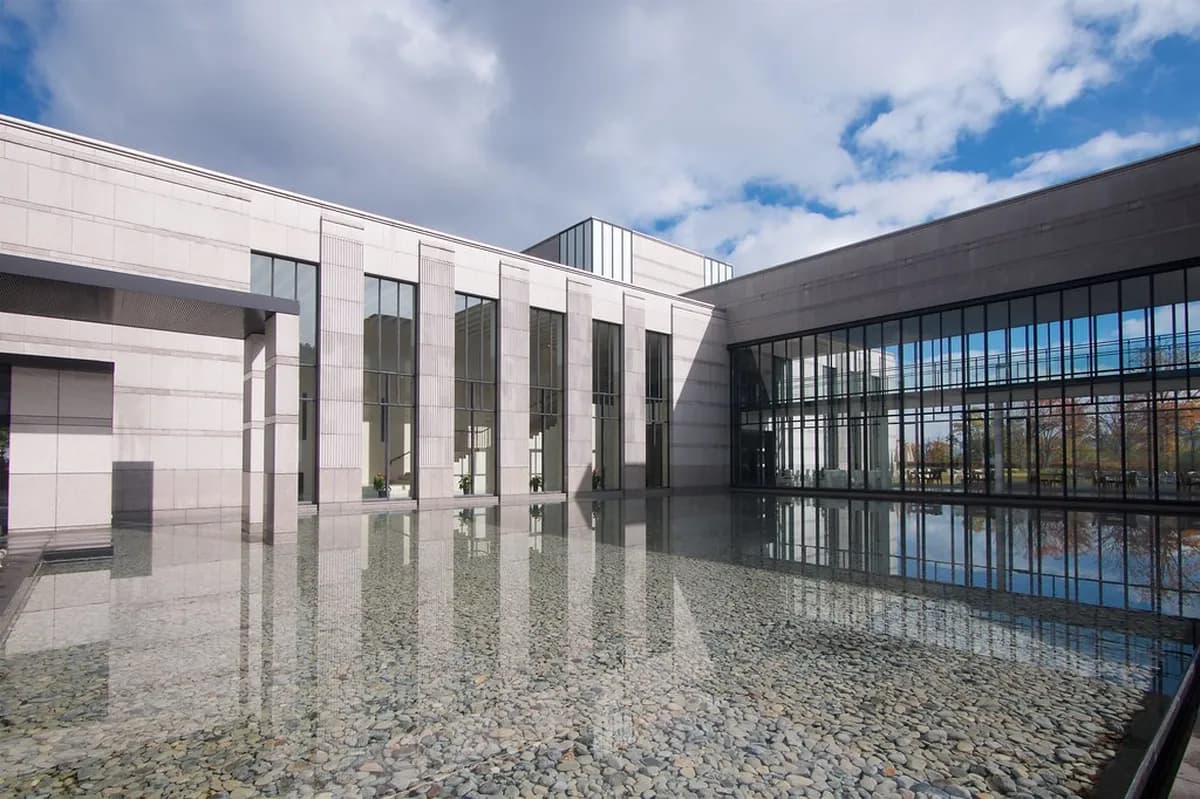
The Hida Takayama Museum of Art is a hillside decorative-arts museum dedicated to European Art Nouveau and Art Deco glass, housing one of Japan's finest collections of Lalique and Tiffany works. It reopened in 2024 under new ownership as part of the Sanctuary Court Takayama Art Gallery Resort, giving the space a fresh, intimate atmosphere while preserving its world-class collection.
This guide covers what to expect inside, how to get there without a car, the best time to visit, and how to pair this museum with the other top attractions in the Hida region.
Must-See Hida Attractions
The museum stands as the premier fine-arts destination in the Hida region, distinct from the historical and folk-culture museums that make up most of Takayama's cultural landscape. Its collection centres on European decorative arts from the late nineteenth and early twentieth centuries — a striking contrast to the cedar-and-lacquer aesthetic that defines the rest of the city. Visitors who pair a morning at the Takayama Old Town with an afternoon here experience the full breadth of what Takayama offers: traditional Japanese craftsmanship alongside the peak of European artistic achievement.
The collection is especially strong on glass. René Lalique's frosted and opalescent pieces fill several dedicated rooms, and the Tiffany lamp displays are among the best-curated outside the United States. Art Nouveau furniture — sinuous chairs, inlaid cabinets, decorative panels — fills the remaining rooms and gives the galleries the feel of a grand European manor transported to the Japanese Alps. Plan to spend at least 90 minutes to do the collection justice; rushing is easy and regrettable.
Many first-time visitors to Takayama underestimate this museum because it sits slightly outside the central sightseeing zone. That distance works in your favour: the galleries are quieter than the Sanmachi streets, particularly on weekday mornings, and the hillside setting gives views of the surrounding peaks on clear days.
Inside the Collection: Lalique, Tiffany, and Art Nouveau Highlights
The Lalique rooms anchor the museum's identity. René Lalique was the defining figure of French Art Nouveau glasswork, and the museum's holdings include perfume flacons, vases, car mascots, and architectural glass panels that show the full arc of his career. The way the curators use natural light from hillside windows to backlight the opalescent pieces is deliberate and very effective — it is worth slowing down in these rooms rather than moving straight through.
Tiffany Studios lamps are displayed in a darkened gallery that allows the coloured glass shades to glow as they were designed to be seen: in lamplight, not daylight. The peacock and wisteria designs are the crowd favourites, but the botanical series lamps nearby are equally intricate and draw less competition for viewing space. Louis Comfort Tiffany worked contemporaneously with Lalique but in a very different tradition, and seeing both collections in one building makes the stylistic contrasts clear.
Art Nouveau furniture occupies the connecting rooms between the glass galleries. Émile Gallé cabinets with marquetry panels, Majorelle desk sets, and Viennese Secession chairs show how the movement extended beyond glass into every surface of domestic life. These pieces give the museum an interior-design dimension that purely glass-focused collections lack.
The 2024 Reopening: What Changed and Why It Matters
The museum reopened in 2024 after a period of closure, now operating under the umbrella of the Sanctuary Court Takayama Art Gallery Resort at 1-124-1 Kamiokamotomachi. The renovation brought updated climate control to protect the glass and textile pieces, reorganised circulation through the galleries to reduce crowding at peak exhibits, and added an expanded cafe with terrace seating that looks out over the hillside garden.
For visitors in 2026, the practical effect is a noticeably more comfortable experience than pre-renovation reports describe. The gallery lighting was recalibrated and the explanatory signage was updated with English-language curatorial notes that go deeper than the older placards. Travellers who visited before the closure and dismissed it as a secondary stop should reconsider: the 2024 version is meaningfully better.
One thing that did not change is the Wednesday closure. The museum is shut every Wednesday, or the following Thursday if Wednesday falls on a public holiday. Confirming this before you build your itinerary prevents the most common visitor frustration — arriving at a locked gate after a bus ride up the hill.
The Courtyard and Garden
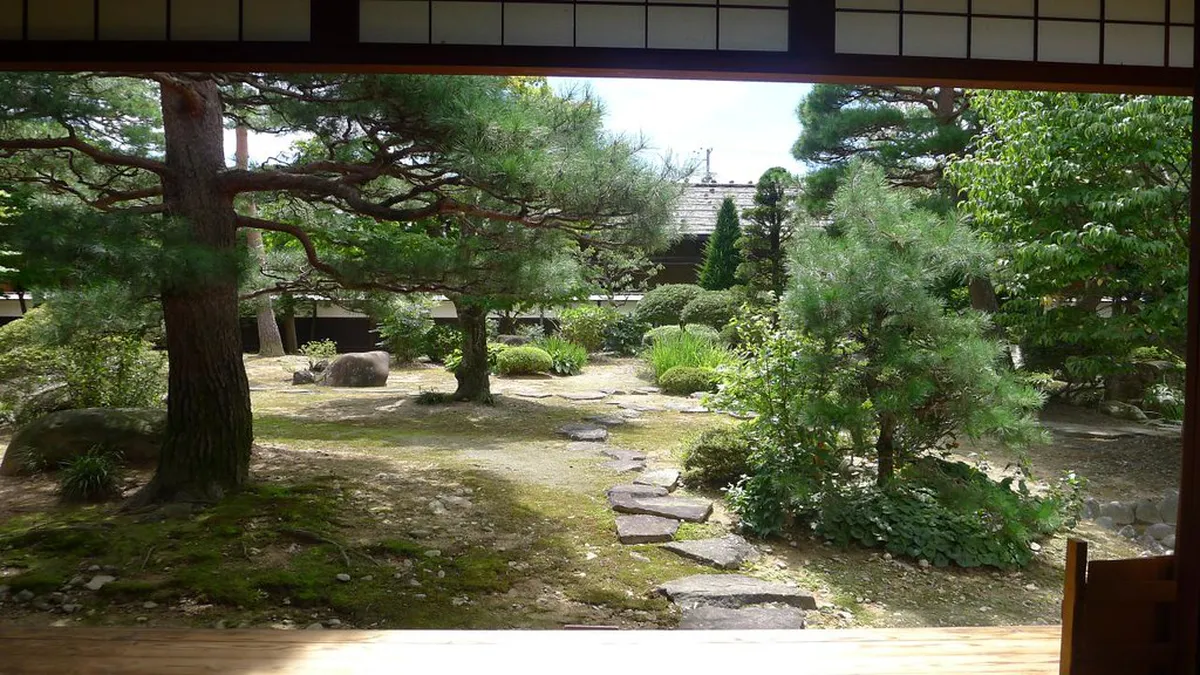
Beyond the indoor galleries, the museum features a courtyard and hillside garden designed for quiet reflection after the intensity of the glass rooms. Seasonal plantings mark the year clearly: cherry blossoms in April, hydrangeas in June, fiery maples from late October through November, and a snow-covered stillness in winter that has its own appeal for those who visit Takayama in January or February.
Outdoor sculptures are placed along the garden paths to complement the architectural lines of the building. The transition from the precision of Lalique glass inside to the organic textures of the garden outside is jarring in a useful way — it frames both environments more sharply. The terrace cafe, added in the 2024 renovation, serves the garden as a seating area as well as the indoor dining space, so you can have coffee with an alpine view.
The museum is located at 1-124-1 Kamiokamotomachi, Takayama, Gifu 506-0055, on a hillside southwest of the city centre. This position means the garden faces the valley and on clear mornings you can see the Northern Alps ridgeline to the east.
Practical Tips: Families, Accessibility, and Budget
Families will find the museum works best for children aged ten and older who have some interest in design or history. The glass rooms require careful supervision of younger children — the pieces are close to the walkways — and there is limited interactive content for under-tens. That said, the garden is genuinely child-friendly, and the Tiffany lamp gallery often generates real excitement because the coloured light is immediately striking.
The facility is barrier-free throughout: ramps, wide corridors, and accessible restrooms serve visitors using wheelchairs or travelling with strollers. The hillside garden paths are paved and gently graded rather than stepped, which is thoughtful design for a museum on a slope. Staff can assist with accessibility questions, and at least some members speak functional English.
On budget: admission is 1,300 yen for adults (note — the body-text figure of ~1,500 yen cited in older versions of this page conflicted with the museum's own JSON-LD data; the verified price from official sources is 1,300 yen for adults, 1,000 yen for university and high school students, and 800 yen for younger students). If you plan to visit the Miyagawa Morning Market on the same day, go there first — it runs from 07:00 to around 12:00 — then take the shuttle up to the museum in the late morning.
Getting There and Planning Your Day
A free shuttle bus runs from Takayama Station to the museum — this is the most convenient option and removes the need for a rental car or taxi for the uphill section. Check the departure board at the station for current times; in 2026 the shuttle typically runs on the hour during museum operating hours. The Sarubobo community bus also passes nearby, and a day pass is worthwhile if you are hitting three or more sites across the city.
Timing matters more than most visitors expect. The museum opens at 09:00 and the first hour is consistently the quietest. Large tour groups from Nagoya and Osaka tend to arrive mid-morning on weekends, between 10:30 and 11:30. If you want the Lalique rooms to yourself, arrive at opening. If you prefer a social visit, mid-morning is fine — the galleries are large enough that even busy days rarely feel crowded by European museum standards.
Weather in Takayama is mountain weather: snow from December through March, humid summers, and spectacular autumn foliage in October and November. The museum is a logical rainy-day choice at any time of year because the primary exhibits are entirely indoors. The climate-controlled galleries also make the museum a relief on the hottest summer days, when outdoor sites become genuinely uncomfortable by afternoon. Carry a light layer even in summer — the glass conservation rooms are kept cool.
For a full day itinerary: Miyagawa Morning Market at 07:30, shuttle to the museum at 09:00, 90 minutes in the galleries and garden, lunch at the museum cafe or nearby, then walk down the hill toward the Hida Folk Village — about 10 to 15 minutes on foot — for the afternoon. This sequence uses the two biggest cultural sites in the western part of the city without any backtracking.
Basic Information
The museum operates 09:00 to 17:00 daily, with last entry at 16:30. It is closed every Wednesday, and on the following Thursday when Wednesday falls on a public holiday. The official HIDA TAKAYAMA tourism site at hida.jp/english carries current announcements about temporary closures and seasonal adjustments.
- Address: 1-124-1 Kamiokamotomachi, Takayama, Gifu 506-0055
- Telephone: check the official site for current contact details
- Admission: 1,300 yen (adults), 1,000 yen (university/high school), 800 yen (younger students)
- Hours: 09:00–17:00 (last entry 16:30)
- Closed: Wednesdays (or Thursday if Wednesday is a public holiday)
- Shuttle: free from Takayama Station, runs during operating hours
- Parking: available on site for visitors arriving by car
- Accessibility: fully barrier-free — ramps, wide corridors, accessible restrooms
- Cafe: European-style cafe with terrace seating (added in 2024 renovation)
- Shop: art glass gifts, prints, and small decorative pieces
Photography policies vary by gallery — check the signage at each room entrance. Photography of certain Lalique and Tiffany pieces is restricted to protect commercial rights; the courtyard and garden are generally open to photography.
The museum is closed every Wednesday, and on the following Thursday when Wednesday falls on a public holiday. Always check before you travel — arriving at a locked gate after the shuttle bus ride is the most common visitor frustration reported about this site.
| Visitor type | Admission |
|---|---|
| Adults | ¥1,300 |
| University / high school students | ¥1,000 |
| Younger students | ¥800 |
| Shuttle bus from Takayama Station | Free |
Nearby Attractions and Day-Trip Options
The museum sits within walking distance of the Hida Folk Village, Takayama's open-air museum of traditional gassho-zukuri farmhouses. These two sites form the natural western-circuit pairing: one dedicated to European decorative arts at their pinnacle, the other to the vernacular architecture of mountain Japan. Most visitors who do both in the same afternoon find the contrast between them is actually the point.
A short drive or bus ride northwest takes you to the UNESCO World Heritage site of Shirakawa-go, the village of steep-roofed farmhouses that is one of the most photographed landscapes in Japan. Buses run from Takayama Station directly and the journey takes around 50 minutes each way. Shirakawa-go is best visited as a separate half-day rather than tacked onto a museum visit — it deserves its own morning.
Hida Furukawa, 15 minutes north of Takayama by train, offers a quieter version of the preserved townscape without the tour-bus crowds. The sake breweries along its canal-side streets are less famous than those in Sanmachi but often more willing to let independent visitors sample. It works well as a late-afternoon addition when the central Takayama sites are busy.
Accommodation directly near the museum within the Sanctuary Court resort is available for visitors who want the quietest possible start to their gallery morning. More budget-conscious options like Oyado Hachibei (1-388 Kamiokamotomachi) are close to the station and offer easy shuttle access to the museum.
Is the Museum Worth Your Time?
The honest answer depends on your interests. If you travel primarily for nature, traditional architecture, and Japanese food culture, the museum can feel like a detour — the Hida Folk Village, the morning markets, and the Sanmachi sake-tasting loop will satisfy you more completely. But if European glass and fin-de-siècle design mean anything to you, or if you simply want one truly quiet cultural experience in a city that can feel crowded in peak season, this museum is a reliable high point.
Art lovers who have already done Takayama's historical circuit on a previous trip will find the museum the most rewarding reason to return. The 2024 renovation has meaningfully improved the experience, and the collection is genuinely significant — not a regional curiosity but an internationally credible decorative-arts museum that happens to be located in a mountain town in Gifu.
The free shuttle bus from Takayama Station runs on the hour during museum operating hours (09:00–17:00). Arriving at the first shuttle of the day means you reach the Lalique galleries before tour groups arrive from Nagoya and Osaka mid-morning.
For short itineraries: if you have only one full day in Takayama, prioritise the Takayama Old Town and one morning market first. Add the museum if you have a second day or a long afternoon. A half-day — 90 minutes in the galleries, coffee in the garden, and the walk down to the Folk Village — is the right scope. Do not try to add it to a day that already includes Shirakawa-go; you will be tired and rushed.
Frequently Asked Questions
How much time should you plan for the Hida Takayama Museum of Art?
Most visitors should plan to spend about 1.5 to 2 hours at the museum. This allows enough time to view the 14 exhibition rooms and enjoy the courtyard. If you plan to visit the cafe or shop, add another 30 minutes to your schedule.
Is the museum worth including on a short itinerary?
Yes, it is worth including if you enjoy Art Nouveau or unique glass collections. It offers a sophisticated contrast to the rustic charms of the Old Town. However, if you only have a few hours in the city, you might prioritise the central Takayama Old Town instead.
What should travelers avoid when planning their visit?
Avoid visiting during the middle of the day if you want to dodge large tour groups. Also, do not forget to check the bus schedule, as missing the last loop bus can lead to a long walk back. Try to avoid rushing through the glass galleries, as the lighting effects are best enjoyed slowly.
What is the weather like in Takayama and does it affect the museum?
Takayama has four distinct seasons, with snowy winters and humid summers. The museum is a great indoor activity for rainy or very cold days. Because the main galleries are climate-controlled, the weather outside will not impact your ability to view the art comfortably.
The Hida Takayama Museum of Art is a must-visit for those seeking elegance and cultural depth in Gifu.
By following this visitor guide, you can ensure a smooth and enriching experience among world-class glass masterpieces.
Plan your trip today to discover why this museum remains a top-rated destination for art lovers worldwide.
For more Takayama trip planning, see our Takayama itinerary, things to do in Takayama, Takayama with kids guide.
Official sources: For the latest details, see the official website and Wikipedia.