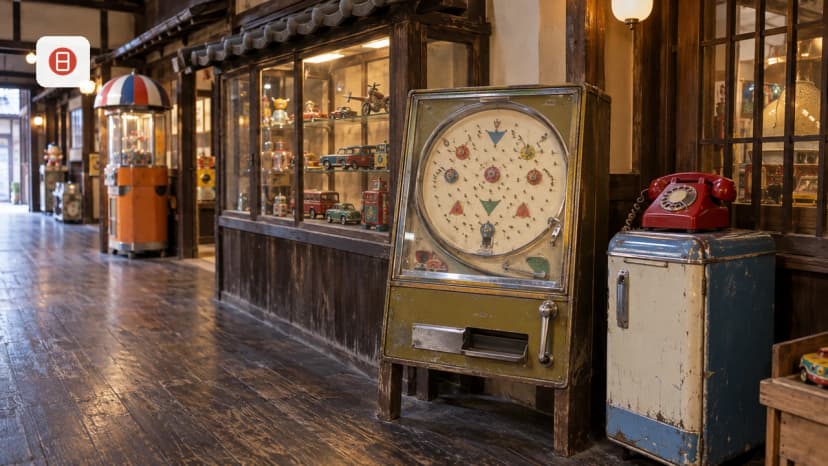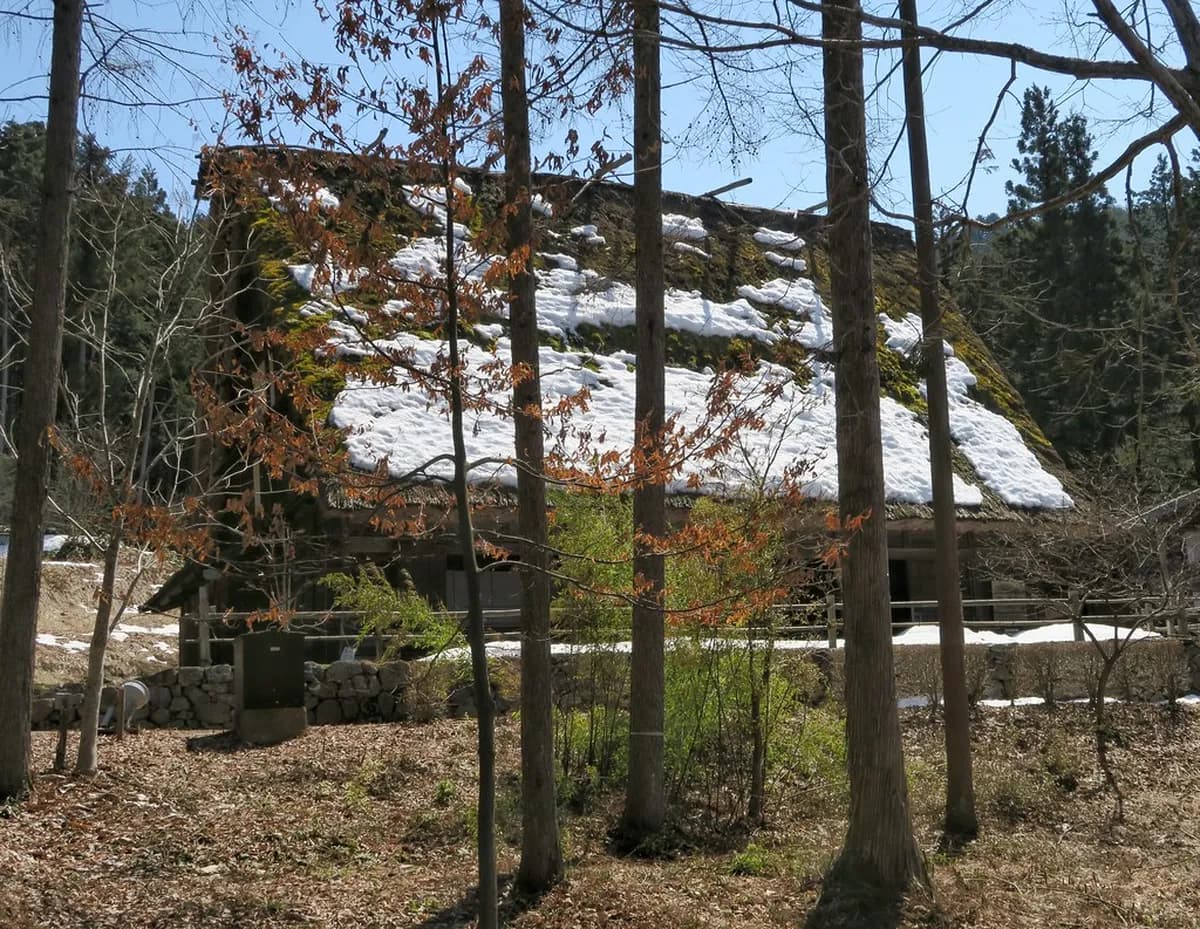
Tucked away in the scenic hills of Gifu Prefecture, Hida Folk Village is one of Japan's most rewarding open-air museums. The 35,000-square-meter site preserves more than 30 authentic farmhouses, storehouses, and workshops relocated from across the Hida region to protect them from modern development. Unlike most historical sites, almost every building here is open to visitors — you can walk straight in off the gravel path.
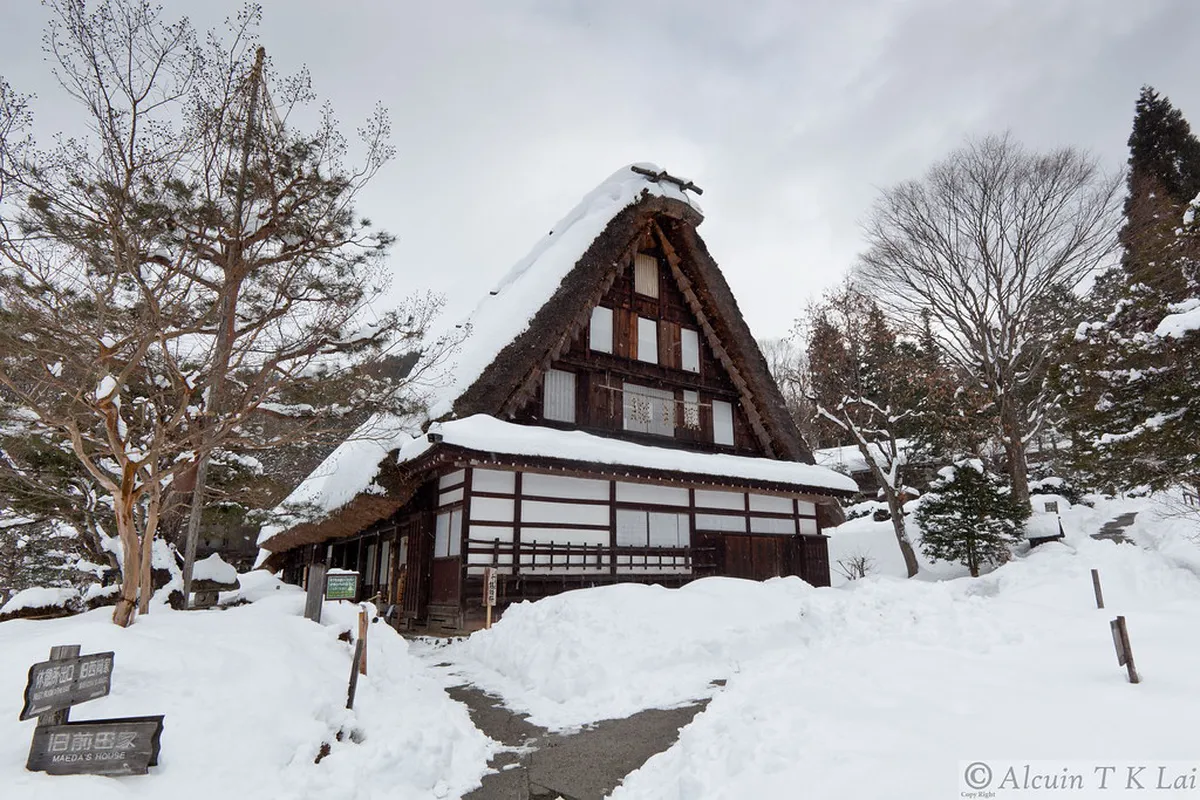
The site showcases the unique Gassho-zukuri architectural style developed to survive the harsh mountain winters of the Hida region. Massive thatched roofs shed heavy snow while the upper floors house silkworm cultivation frames you can still see in place. Hands-on craft workshops, a reflective pond, and a hilltop shrine round out a visit that consistently surprises travelers who expect to be done in an hour and end up staying three.
Planning a trip to Takayama often involves choosing between several historical sites. This guide covers everything from the best transport deals to practical footwear warnings, seasonal hazards, and whether to visit before or after Shirakawa-go.
Hida Folk Village Takayama: An Open-Air Museum Overview
Established in 1971, Hida Folk Village was created specifically to save the Hida region's traditional buildings before rural depopulation and modern construction erased them. Each structure was carefully dismantled at its original location and reconstructed here using the same timber, the same rope-binding joints, and the same thatching techniques. This process makes the buildings genuine artifacts rather than reproductions.
The layout surrounds Goami Pond (also called Go-no-ike), which mirrors the thatched rooflines on calm mornings and creates one of the most photographed views in all of Gifu Prefecture. In autumn, the reflection is framed by maples turning red; in winter, the pond freezes and snow silences the entire hillside. The setting provides a peaceful alternative to the busier streets of the Takayama Old Town area.
The village is built on a hillside, so the terrain changes as you move through it. Lower areas near the pond are flat and easy to navigate. Upper paths wind past smaller outbuildings and a Shinto shrine hidden among the cedars at the back of the site — a detail many visitors miss entirely but worth the climb.
Essential Logistics: Fees, Hours, and Best Time to Visit
The museum is open daily from 08:30 to 17:00, with last entry at 16:30. It operates year-round with no regular closing days. Admission is ¥700 for adults and ¥200 for children. These fees fund the enormous ongoing cost of re-thatching the roofs, a specialist task that must be done every few decades using traditional methods.
Late October to early November is the finest time to visit, when autumn foliage surrounds the pond and temperatures stay comfortable for long walks. Winter is atmospheric but demands preparation — knee-deep snow can fall overnight, some upper paths close when roof-slide risk is high, and standard sneakers will be soaked within minutes. Spring and early summer are pleasant, though June through September brings one genuine hazard: the forested hillside harbours large numbers of mosquitoes, so bring repellent.
The village provides free Wi-Fi near the entrance and loans strollers and standard wheelchairs at no charge. Electric wheelchairs are also available for rent to assist with the steeper slopes, but numbers are limited and can run out on busy days. Staff also provide free rubber rain boots for visitors during wet weather — one of those low-key amenities that makes the difference between a muddy misery and an enjoyable afternoon. Check the Hida Folk Village Official Website for seasonal schedule updates and illumination event dates.
How to Get to Hida Folk Village (Access & Transportation)
The Sarubobo Bus is the standard choice. It departs from Platform 1 at the Nohi Bus Center, which sits directly beside the east exit of JR Takayama Station. The bus is easy to identify — it has a bright red front. Departures run between 09:00 and 15:45, leaving at :00 and :45 past the hour; additional buses at 16:00 and 17:00 cover the late afternoon. The return trip leaves Hida Folk Village at :29 past the hour, and the ride takes 10 to 15 minutes. Single fare is ¥210 each way.
The best value option is the Hida no Sato Set Ticket, priced at ¥1,000. It covers round-trip bus fare plus full admission to the village — saving you ¥120 compared to buying tickets separately. Purchase it at the Nohi Bus Center before boarding. A taxi from the station costs around ¥1,200 to ¥1,500 and is worth considering for groups of three or more. Consult the Nohi Bus Official Route Map for timetable details during special events when extra buses may run.
Walking from the city center to the village is possible — the distance is about 2.2 km — but the last kilometre is a steep uphill climb that will leave most visitors tired before they reach the gate. The smarter strategy is to take the bus up and walk back downhill to central Takayama. The return route is all downhill, takes around 30 minutes, and passes through quiet residential streets with no traffic stress. This gives you the exercise and the views without the pre-visit exhaustion.
Historic Buildings: Exploring Gassho-zukuri Architecture
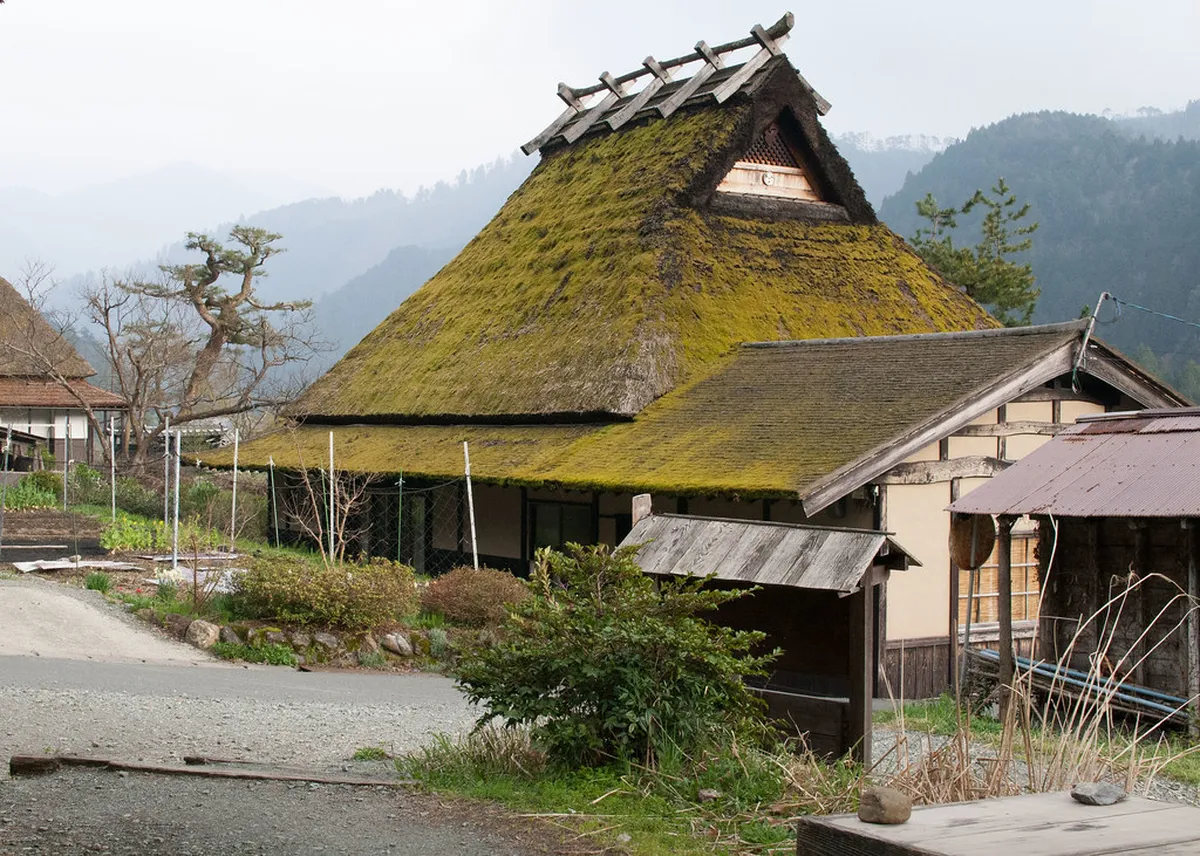
Four buildings at the village hold the designation of National Important Folk Cultural Properties: the Tanaka, Wakayama, Taguchi, and Yoshizane houses. These are the highest-grade structures on site and reward close attention. The Tanaka house demonstrates the elaborate interior woodwork and multi-room layout of a wealthy village leader's home. The Wakayama house has especially high ceilings, designed to allow smoke from the irori hearth to circulate before escaping through the thatch.
Social hierarchy becomes tangible as you move through the site. Grand multi-story homes belonging to village elites sit alongside modest logging huts and blacksmiths' workshops. Inside the farmhouses you can see the actual tools and everyday objects that remained in these buildings — straw rain capes used as winter insulation, silk-reeling frames on the upper floors, and hand-carved wooden utensils arranged exactly as they would have been in daily use. One multi-story house at the upper end of the site contains a detailed exhibit on silk production, tracing every step from cocoon to woven cloth.
The Gassho-zukuri construction method uses steep rooflines pitched at roughly 60 degrees to shed snow quickly and create usable loft space. The structural beams are lashed together with straw rope rather than nails, allowing the frame to flex slightly during earthquakes without cracking. You can climb to the upper floors of most houses to examine these rope joints at close range — a detail that is almost impossible to appreciate from the ground. Remember to remove your shoes before stepping onto the wooden floors or tatami mats, and choose footwear that is easy to slip on and off. High heels are not suitable for the village paths.
Three Walking Routes and How to Plan Your Time
The village is signposted with three suggested walking circuits. The 20-minute route follows flat ground around the pond, covering the most photogenic viewpoints without any significant climbing — practical for visitors with strollers, wheelchairs, or limited mobility. The standard 40-minute route adds the main farmhouse cluster and is what most visitors follow. The full 60-minute route covers the entire hillside including the upper outbuildings and the shrine.
In practice, the 60-minute route takes closer to two hours once you factor in time spent inside the houses. If you plan to join craft workshops at the village or spend time at the adjacent Hida Takayama Crafts Experience Center, set aside a half day rather than a quick stop. A typical visit with two or three house interiors and a short workshop runs 90 minutes to two hours comfortably.
One detail worth knowing before you set off: there are no restaurants or convenience stores within walking distance of the village. The site sits on a hillside away from the main tourist area, and the bus ride back to central Takayama takes only 15 minutes. Eat a full meal in the city before arriving, or pack a snack. Small coin lockers at the entrance gate can hold day bags, but they are too small for full-size suitcases — leave large luggage at JR Takayama Station or the Nohi Bus Center before making the trip.
Top Experiences: Crafts, Workshops, and Seasonal Events
The irori sunken hearths inside the farmhouses are kept burning throughout opening hours. The fires serve a practical function — the smoke rises through the thatch and preserves the straw from moisture and insects — but they also fill the rooms with a distinctive woodsmoke smell that no photograph can convey. It is one of the strongest sensory memories most visitors take away from the site.
Inside the village, you can watch live craft demonstrations at several points along the path, with specialists working on traditional skills including lacquerware and woodcarving. Hands-on workshops — roughly six different activities — run at various times and cost between ¥600 and ¥5,000 depending on the activity. No reservation is required for most of them, which makes Hida Folk Village unusual among Japanese open-air museums. Children can also try traditional toys for free: spinning tops (koma), cup-and-ball (kendama), beanbags (otedama), and bamboo stilts (takeuma) are set out in designated play areas.
The Hida Takayama Crafts Experience Center sits just outside the main gate and is worth combining with your village visit. It offers more than 20 different workshops taking 15 to 40 minutes each, priced at ¥1,600 to ¥3,500. The highlight is Sarubobo doll making — the red baby monkey figure is Takayama's most recognisable folk craft. The center is fully indoors, making it a good option in winter when some upper-village paths close due to snow. Check the Visit Gifu - Hida Folk Village page for specific dates on the autumn illumination (late October to early November) and winter illumination (January to February) events, when the farmhouses are lit against the dark and the pond — if unfrozen — reflects the lights.
Hida Folk Village vs. Shirakawa-go: Which One is Better?
Shirakawa-go is a living UNESCO World Heritage village where people still farm and residents still sleep. Most of its Gassho-zukuri houses are private homes, so visitors can only view them from the street or from a single public lookout point. Hida Folk Village is a museum — no one lives here — which means almost every building is open to you. You can walk through kitchens, climb to silk-weaving lofts, and crouch beside the hearth in the same room where a Hida farming family would have spent their winter evenings.
Accessibility is the other major difference. A return bus trip to Shirakawa-go from Takayama takes roughly two hours and requires advance booking, especially during autumn and winter peak periods. Getting to Hida Folk Village takes 15 minutes on an unbooked city bus. For travelers with only one day in the region, or those who want to see authentic Gassho-zukuri architecture without a full-day excursion, the folk village is the clear choice.
If you have time for both, the visits complement each other rather than overlap. Hida Folk Village gives you interior access and historical context; Shirakawa-go gives you the living landscape, overnight farmhouse stays, and the silence of genuinely deep snow. The UNESCO site receives far more tour buses, particularly in February during the winter illumination events. Crowd levels at Hida Folk Village are consistently lower throughout the year, which makes photography and quiet exploration easier.
Is Hida Folk Village Worth Visiting? (The Verdict)
For most travelers visiting Takayama in 2026, Hida Folk Village is worth the ¥700 admission and the short bus ride. It offers a level of interior access that living villages simply cannot provide and demands only two to three hours rather than a full day. Families with children benefit particularly from the free traditional games area and the no-reservation workshop policy — you can simply show up and make something.
The museum succeeds in making history tactile rather than decorative. Sitting on the tatami, smelling the hearth smoke, and examining rope-bound beams at close range creates a different kind of understanding than reading an information board. This immersive quality is rare in commercialised historical attractions.
The one caveat worth stating plainly: if you visit only for the exterior views and skip the interiors, you will feel underserved. The architecture is handsome from the path, but the real value is inside the buildings. Budget enough time to enter the farmhouses, climb the upper floors, and linger in at least two or three rooms. That is when the site justifies itself completely.
Nearby Attractions: Morning Markets and Temples
After finishing your tour of the folk village, the Sarubobo Bus returns you to central Takayama in 15 minutes. The Miyagawa Morning Market runs daily along the river and is a good place to sample local snacks and pick up handmade souvenirs. Most stalls close by noon, so combining an early morning market visit with an afternoon folk village trip is a practical itinerary.
History buffs should also make time for the Takayama Jinya, a former Edo-period government outpost and the only surviving building of its kind in Japan. The contrast between the rural farmhouses at Hida Folk Village and the administrative formality of the Jinya gives you a full picture of how power and daily life operated in the same region simultaneously.
For more traditional architecture and a massive ancient ginkgo tree, visit the Hida Kokubunji Temple near the station. This is the oldest temple in Takayama and houses several Important Cultural Properties of its own. It is a quieter site than the folk village and provides a contemplative end to a day of historical exploration before you catch your train or continue to your next destination.
Frequently Asked Questions
Is Hida Folk Village worth visiting if I'm going to Shirakawa-go?
Yes, Hida Folk Village is worth visiting because it offers more interior access and diverse building styles than Shirakawa-go. It is also less crowded and much closer to the city center. You can learn more about regional history in a shorter amount of time at this Takayama museum.
How much is the bus to Hida Folk Village?
A single bus ride costs ¥210, but the best deal is the ¥1,000 Hida no Sato Set Ticket. This ticket covers your round-trip bus fare and the full admission fee for the village. You can purchase this pass at the Nohi Bus Center next to the station.
Can you go inside the houses at Hida no Sato?
Most of the houses at Hida no Sato allow visitors to enter and explore the different floors. You can see the traditional kitchens, sleeping areas, and the upper levels used for silk production. Remember to remove your shoes before stepping onto the wooden floors or tatami mats.
How long does it take to walk through Hida Folk Village?
A typical visit takes between 90 minutes and two hours depending on your pace and interest in the interiors. If you plan to participate in a craft workshop, you should allow for an extra hour. The walking paths are well-marked and easy to follow around the central lake.
Is Hida Folk Village pet-friendly?
Pets are generally allowed on the museum grounds as long as they are kept on a leash at all times. However, animals are usually not permitted inside the historic buildings to protect the ancient floors and artifacts. Please clean up after your pet to keep the park beautiful for everyone.
Hida Folk Village stands as one of Japan's most accessible windows into Edo-period mountain life. The combination of open interiors, no-reservation workshops, a serene pond setting, and a 15-minute bus ride from central Takayama makes it an easy yes for almost every itinerary. Dress in layers for winter visits, bring mosquito repellent in summer, and wear shoes you can slip on and off quickly — you will be removing them many times.
Use the ¥1,000 Hida no Sato Set Ticket, take the bus up the hill, and walk back downhill through the quiet neighbourhoods when you are done. That single routing adjustment will save your legs for exploring the farmhouse interiors, which is where the real visit happens. Your journey into the heart of old Japan begins the moment you cross the threshold of the first Gassho-zukuri house and smell the smoke from the hearth.
For more Takayama trip planning, see our Takayama itinerary, things to do in Takayama, Hida Folk Village guide.