

Fukuoka Food Tour Guide: DIY Crawls vs Guided Tours (2026)
Compare DIY food crawls and guided tours in this Fukuoka food tour guide, covering yatai etiquette, top neighborhoods, and must-try dishes for 2026.
On this page
Last updated August 2026, this Fukuoka food tour guide covers Hakata, Tenjin, and Nakasu, the city's three core food neighborhoods. Fukuoka's food reputation rests on tonkotsu ramen, mentaiko, and yatai stalls, so the real choice is a private guide or a self-planned crawl. Use the neighborhood and dish sections below to build a route, then check the yatai etiquette section before your first stall.
What Sets Fukuoka's Food Scene Apart
Fukuoka is widely credited as the birthplace of tonkotsu ramen, the pork-bone broth style now served worldwide. The city is also home to more than 100 yatai food stalls, clustered mainly around Nakasu and Tenjin. That stall density, plus a strong sushi and mentaiko tradition, means one evening rarely covers the whole food scene. Local specialties spread beyond the yatai counters too, showing up in department store food halls and dedicated shops across Tenjin and Hakata. Treat the city as three connected zones instead of one long restaurant list. Build a route through Hakata, Tenjin, and Nakasu, then plan meals by neighborhood rather than by address.
Fukuoka Food Tour Guide: DIY Crawl vs Guided Tour
Start with the Fukuoka food guide for a full menu overview, then use this page to pick a tour format. Choosing between a guided tour and a DIY crawl depends on language comfort and group size. It also depends on how much planning you want to do before arrival. Guided sessions suit solo travelers or anyone who wants cultural context without researching every stall in advance. A local guide can also point you toward smaller counters that don't show up easily in English-language searches. Operators such as Secret Food Tours and City Unscripted run small private sessions in Fukuoka. As of 2026, City Unscripted lists three-hour private tours starting around $80 per person. Secret Food Tours, which also operates in more than 120 cities worldwide, advertises over 100,000 five-star reviews across its network. City Unscripted matches travelers with a local host after a short personalization questionnaire, then builds the walk around stated interests and pace. A DIY crawl usually costs less because you pay per dish instead of a fixed session fee. Use Fukuoka's best restaurants guide to plan stops at your own pace. Large groups often suit a DIY crawl better, since most guided sessions are built for small private groups. Travelers who already know a few dish names from earlier trips may prefer the DIY route simply to move faster between stops.
While language comfort is listed as a decision point between guided and DIY, most stalls run 6 PM to midnight with short menus suited to point-and-ordering, making independent crawls manageable for solo travelers unfamiliar with Japanese.
| Option | Best for | Typical length | Starting price |
|---|---|---|---|
| Private guided tour | First-time visitors, language help | About 3 hours | Around $80 per person (City Unscripted, 2026) |
| DIY food crawl | Budget travelers, flexible pace | As long as you like | Pay per dish, no session fee |
Three Neighborhoods for a Fukuoka Food Crawl
Fukuoka's core food scene splits across three walkable areas, each suited to a different meal or mood.
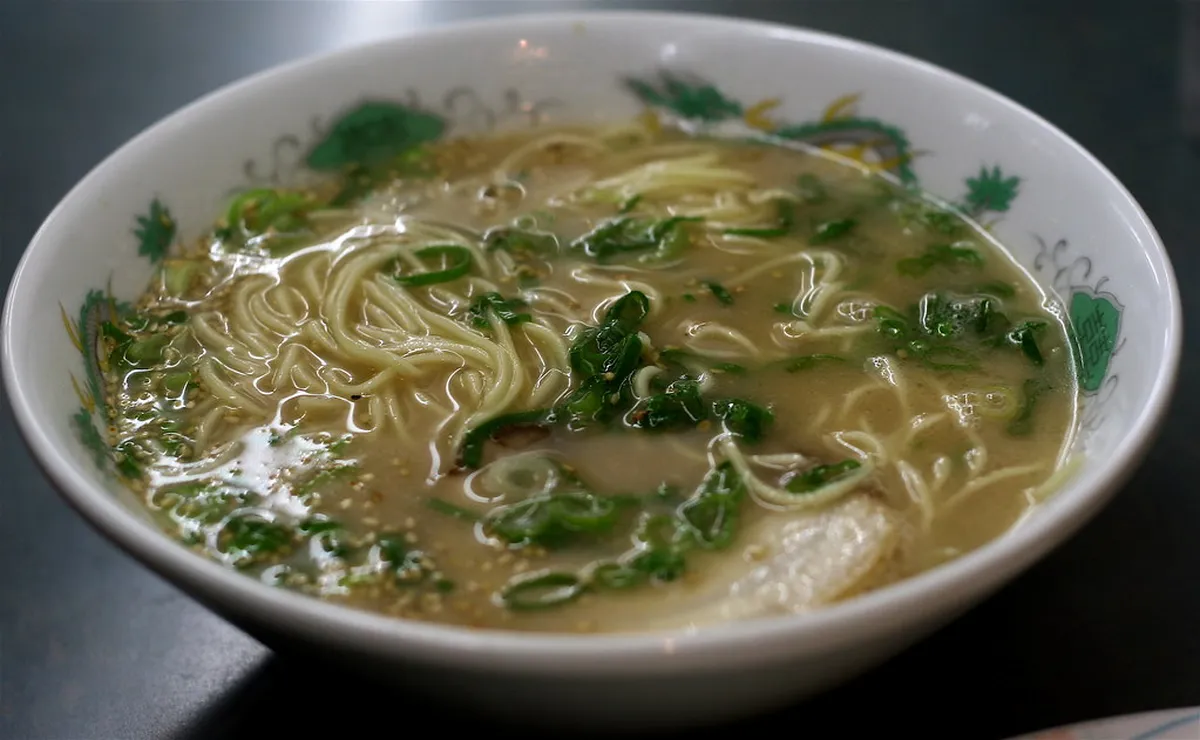
- Hakata Station Area: home to Fukuoka's sushi counters and ramen shops near Canal City. Canal City also houses Ramen Stadium, a themed food court gathering multiple ramen shops under one roof. Follow the Fukuoka Tonkotsu Ramen Tour Guide: 8 Essential Sections for specific stops. Hakata also has some of the city's more upscale sushi counters, a contrast to the yatai-style meals elsewhere. Kushida Shrine sits nearby and appears on the 20 Best Fukuoka Attractions in 2026 guide, reachable via the Nanakuma Line from Hakata Station.
- Tenjin: mixes department store basement food halls (depachika) with evening yatai stalls such as Barakamon. Depachika counters stock prepared dishes, bento, and desserts for takeout. Explore mentaiko specialties through the 10 Best Places: Fukuoka Mentaiko Guide (2026) before or after a Tenjin meal. Weekday lunch sets in Tenjin tend to be less crowded than dinner-hour yatai, making it a good midday stop.
- Nakasu Island: the riverside district for evening yatai and nightlife, alongside Tenjin. The riverside setting gives Nakasu's yatai row a different atmosphere after dark than the indoor counters in Tenjin. Check the Fukuoka summer nightlife and seasonal yatai guide for current stall locations. For a sit-down evening instead of stall-hopping, the Fukuoka izakaya and local drinks guide covers indoor alternatives nearby.
Must-Try Dishes on a Fukuoka Food Tour
Tonkotsu ramen already appears in the Hakata Station section above as Fukuoka's best-known dish. Three more categories round out a Fukuoka food tour: two hot pots, a set of street snacks, and a sweets stop.
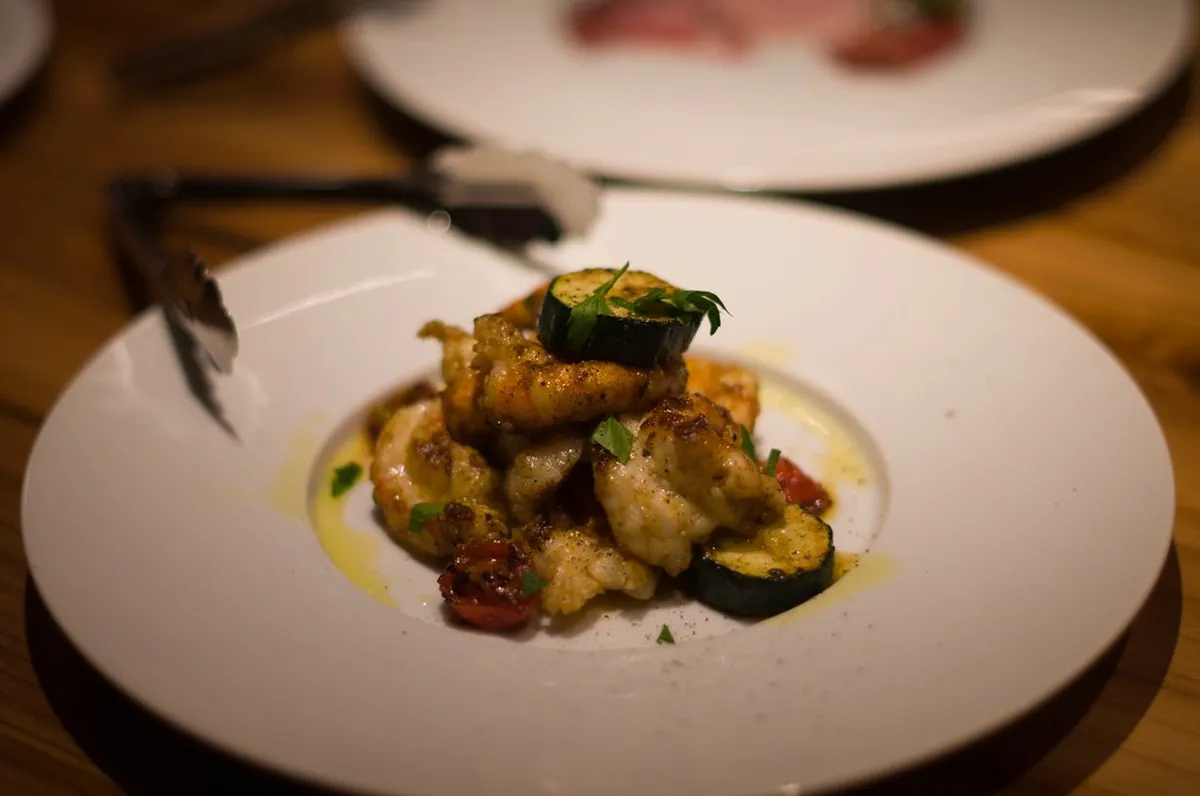
- Motsunabe and mizutaki: Fukuoka's two signature hot pots, one built on beef or pork offal and the other on chicken. Find where to order each in the motsunabe and mizutaki hot pot guide.
- Gyoza and grilled mentaiko: bite-sized dumplings and grilled pollock roe, both common yatai orders. See the Hakata Udon and Gyoza Guide: Fukuoka's Original Noodle Culture for where to find them.
- Hakata Torimon and local wagashi: the region's signature sweets, good for a daytime break between meals. Hakata Torimon travels well, so it works as a take-home souvenir if a shop stop fits your route better than a sit-down dessert. The Fukuoka sweets guide lists shops near Tenjin and Hakata Station.
Yatai Street Food Stall Etiquette and Timing
Yatai stalls are the biggest logistical challenge for first-time visitors, and a few rules keep the experience smooth. The guide on visiting Fukuoka's yatai stalls covers seat etiquette and ordering phrases in more depth.
With 100 yatai stalls across the city, the abundance seems limitless until you hit the operating window—most stalls close by midnight and many don't open Sundays, making arrival time critical for any successful crawl.
- Arrive between 6 PM and midnight, the general operating window for most stalls.
- Carry cash. Many yatai only accept cash, and card readers are uncommon at counter seating.
- Order directly to the chef, then keep your seat time reasonable so others can rotate through.
- Expect a one-drink ordering norm at most counters, so order at least one drink to hold your seat.
- Seating is limited to a single narrow bench per stall, so waiting is common at popular counters during peak hours.
- Confirm the day. Many yatai close on Sundays, so check before planning a Sunday-night crawl.
- Watch the forecast. Heavy rain can shut down outdoor seating at semi-open-air stalls.
Rural Extensions: Yame Tea and Chikugo River Sake
Travelers with an extra day can extend a Fukuoka food tour into Yame, the region's tea-growing area, and the Chikugo River sake district. Yame produces Gyokuro Yame tea, grown using cultivation methods local accounts trace back roughly 600 years. Yame Central Tea Plantation's observation deck overlooks roughly 70 hectares of tea fields, and the adjoining Cha-no-Bunkakan tea culture hall lets visitors grind tea leaves into matcha and whisk their own bowl. Near the Chikugo River, Mori no Kura brewery has operated since 1898, producing sake under its Mori-no-Kura and Komagura labels. Tastings there typically span several sake types across both lines, all labeled junmai, meaning no added brewer's alcohol. Yoka Bus service connects these harder-to-reach stops from central Fukuoka, since regular public transport does not cover them well. Both extensions pair naturally with an earlier day spent on the neighborhood food crawl described above.
Putting It Together: A Simple Day of Eating
A simple one-day route starts at Hakata Station for ramen or sushi, since both cluster near Canal City. Move to Tenjin in the afternoon for a depachika stop and a mentaiko tasting break. Finish in Nakasu or Tenjin after dark for a yatai stall, timed to the roughly 6 PM to midnight window. Reserve about two hours for the Hakata stop alone if sushi is on the list, since the best counters can have short waits. Pace the walk between neighborhoods loosely, since Hakata, Tenjin, and Nakasu are close enough to cover on foot or by a short subway hop. Anyone extending the trip a second day can swap the evening slot for the Yoka Bus route into Yame and the Chikugo River area.
Logistics, Costs, and Mistakes to Avoid
Fukuoka's airport sits close to downtown, which shortens transit time on both ends of a food-focused trip. The Airport Line reaches Hakata Station in about five minutes from Fukuoka Airport. Flights from Tokyo take around 110 minutes, mostly departing Haneda Airport with some from Narita. Flights from Seoul take around 85 minutes. Travelers coming from Tokyo by train can also take the Tokaido/Sanyo Shinkansen, around five hours on the Nozomi service. Because the airport sits so close to downtown, even a short layover can include one meal near Hakata Station. For a morning-only option, the Yanagibashi Rengo Market Fukuoka: A Food Guide to Fukuoka's Kitchen covers an early seafood market crawl that finishes before lunch. Meat and fish anchor most Fukuoka specialties, so vegetarians and vegans need to plan ahead. The vegetarian and vegan Fukuoka guide lists meat-free stops across the same neighborhoods covered above.
- Arriving at yatai after midnight, when many stalls have already closed for the night.
- Skipping the one-drink order at a stall, which can draw pushback at busy counters.
- Leaving cash at the hotel; many yatai and small ramen counters do not take cards.
- Skipping the neighborhood map. Hakata, Tenjin, and Nakasu sit close together, but walking between all three in one night can eat into stall time.
Frequently Asked Questions
Which Fukuoka food tour fits first-time visitors?
First-time visitors usually do best with a guided option, since a local host handles ordering and language barriers at yatai stalls. Guided sessions from operators such as City Unscripted run about three hours and start around $80 per person as of 2026. Anyone comfortable navigating short menus and pointing at dishes can still manage a DIY crawl on day one.
How much does a food tour in Fukuoka cost?
Private guided sessions start around $80 per person for about three hours, based on City Unscripted's 2026 listed rate. A DIY crawl usually costs less overall, since you pay per dish or bowl instead of a fixed session fee. Ramen, gyoza, and yatai plates are priced individually at each stall, so total spend depends on how much you order.
Is it easy to visit Fukuoka yatai without a guide?
Visiting yatai without a guide is manageable if you carry cash, arrive within normal operating hours, and follow the one-drink ordering norm at each stall. Most stalls run roughly 6 PM to midnight, and menus are short enough to point-and-order even without much Japanese. The Fukuoka yatai street food guide walks through seating and ordering step by step.
How many days do you need for a Fukuoka food trip?
One full day covers the core city loop through Hakata, Tenjin, and Nakasu, including a yatai stop at night. A second day allows a rural extension into Yame for tea or the Chikugo River area for sake, reachable by the Yoka Bus. Travelers with only a few hours can still get a representative meal near Hakata Station before catching a train or flight.
Are there vegetarian or vegan options on a Fukuoka food tour?
Fukuoka's signature dishes lean heavily on pork broth, offal, and seafood, so meat-free travelers need a plan rather than improvisation. Tenjin's department store food halls carry more packaged and produce-based options than most yatai stalls do. The meat-free options in Fukuoka guide lists specific stops across the neighborhoods covered above.
What should you order at a Fukuoka yatai stall?
Start with tonkotsu ramen, since it's the dish most stalls build their menu around. Add gyoza or grilled mentaiko if the counter offers them, both common yatai staples. Ask the chef directly if you're unsure of the current menu. Most stalls take orders at the counter rather than through a printed menu.
Free: The Fukuoka Essentials guide
Top things to do, where to stay, a perfect day plan, getting around, and the best time to go — a Fukuoka mini-guide you can take offline.
You might also like


Continue reading
More guides you'll find useful


