Onomichi Street Food Guide: Eating Your Way Down Hondori
Onomichi street food guide: walk Hondori Shopping Street's ramen counters, Ice Monaka, and lemon sweets, with 2026 prices, hours, and etiquette notes.
On this page
Last updated August 2026, Onomichi street food centers on one place: the 1.6km Hondori Shopping Street between the station and the hillside temples. Soy-and-pork-fat ramen, egg-custard ice cream, and citrus-glazed cakes sit side by side under one covered roof built during the Showa era. This guide moves station to station, snack to snack, with 2026 prices in yen and hours pulled from each shop.
Onomichi Street Food on Hondori: The Route From the Station
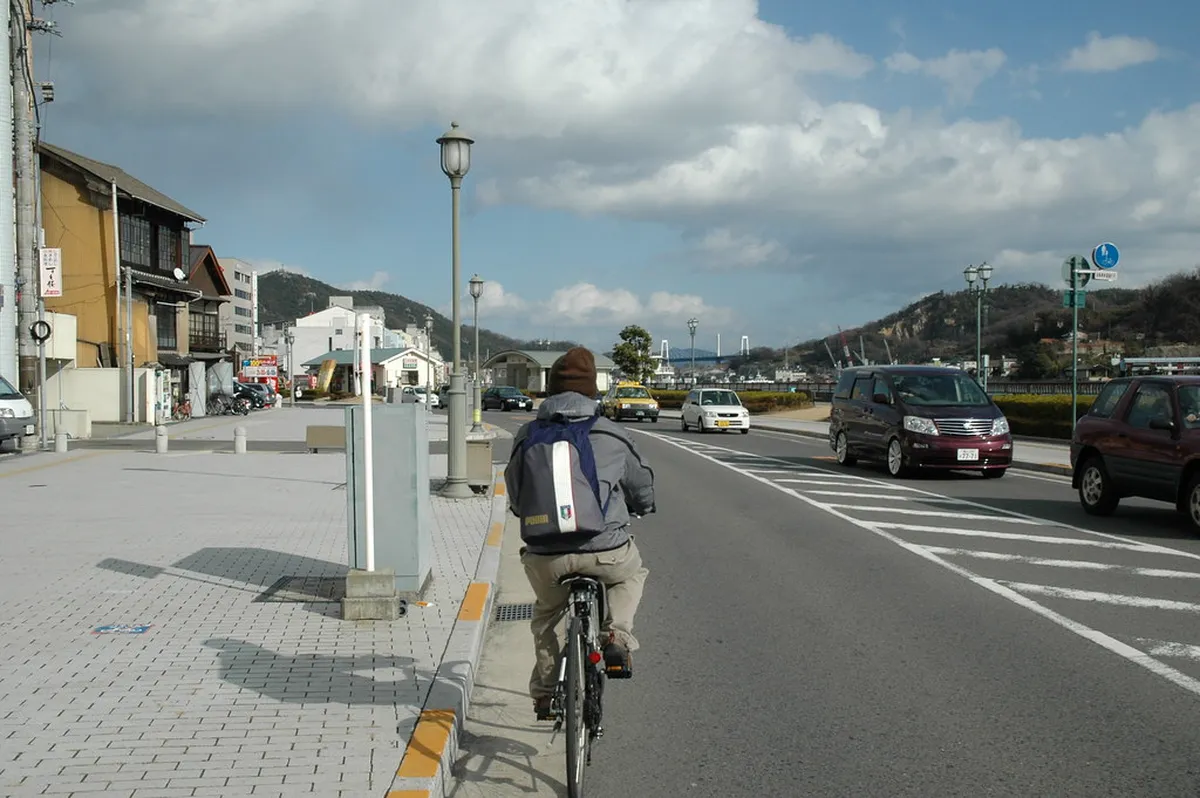
Onomichi Station sits at the base of Hondori, so the street-food route starts the moment you leave the ticket gates. Hondori Shopping Street runs 1.6km, about a mile, parallel to the water, and holds roughly 400 shops under one continuous roof. Walking east from the station, the arcade delivers ramen counters, bun kiosks, and sweet shops within the first ten minutes. Along the way, the route passes landmarks like the restored Onomichi Commercial Chamber Memorial Hall and the Anago-no-Nedoko guesthouse, both signs of the arcade's Showa-era architecture. This guide stays focused on snacks eaten on foot, most priced under a few hundred yen. For the complete citywide dining rundown, see Onomichi's full food guide. For a sit-down seafood detour off this same route, check seafood restaurants in Onomichi separately.
Getting to the Right Station: Onomichi vs. Shin-Onomichi
Two train stations carry the city's name, and only one puts you next to the food. Shin-Onomichi is the shinkansen stop, served only by Kodama trains and covered by the Japan Rail Pass. Reaching Hondori from Shin-Onomichi takes a roughly 10-minute bus or taxi ride. Onomichi Station, one stop further by local transport, sits directly at the arcade entrance. Both stations sit on the JR network, so a single rail pass or IC card covers either leg of the trip. Coming from Hiroshima Station, you can also ride the JR Sanyo Line, transferring at least once, for a trip of up to two hours. Book the route to Onomichi Station, not Shin-Onomichi, when street food is the priority.
Onomichi Station puts you directly at Hondori's entrance, while Shin-Onomichi requires a roughly 10-minute bus or taxi ride. The 1.6km arcade runs under a continuous covered roof, making weather a non-factor for the full route.
The Must-Eat Snacks: Ramen, Ice Monaka, and Steamed Buns
Three snacks define Onomichi's street-food identity, and each one travels well through the arcade. Tonchinkan, a short walk off the main strip, simmers its broth from Onomichi spring water, pork and chicken bones, and kombu. It suits a slower, sit-down bowl better than a walking pace. Counter shops like Tani and Ichibankan turn tables faster, which matches the arcade's pace better than a dedicated ramen stop. Shoya Honten offers a brighter, more modern dining room in the same style, plus fried rice and gyoza on the side, for anyone who prefers a less retro setting.
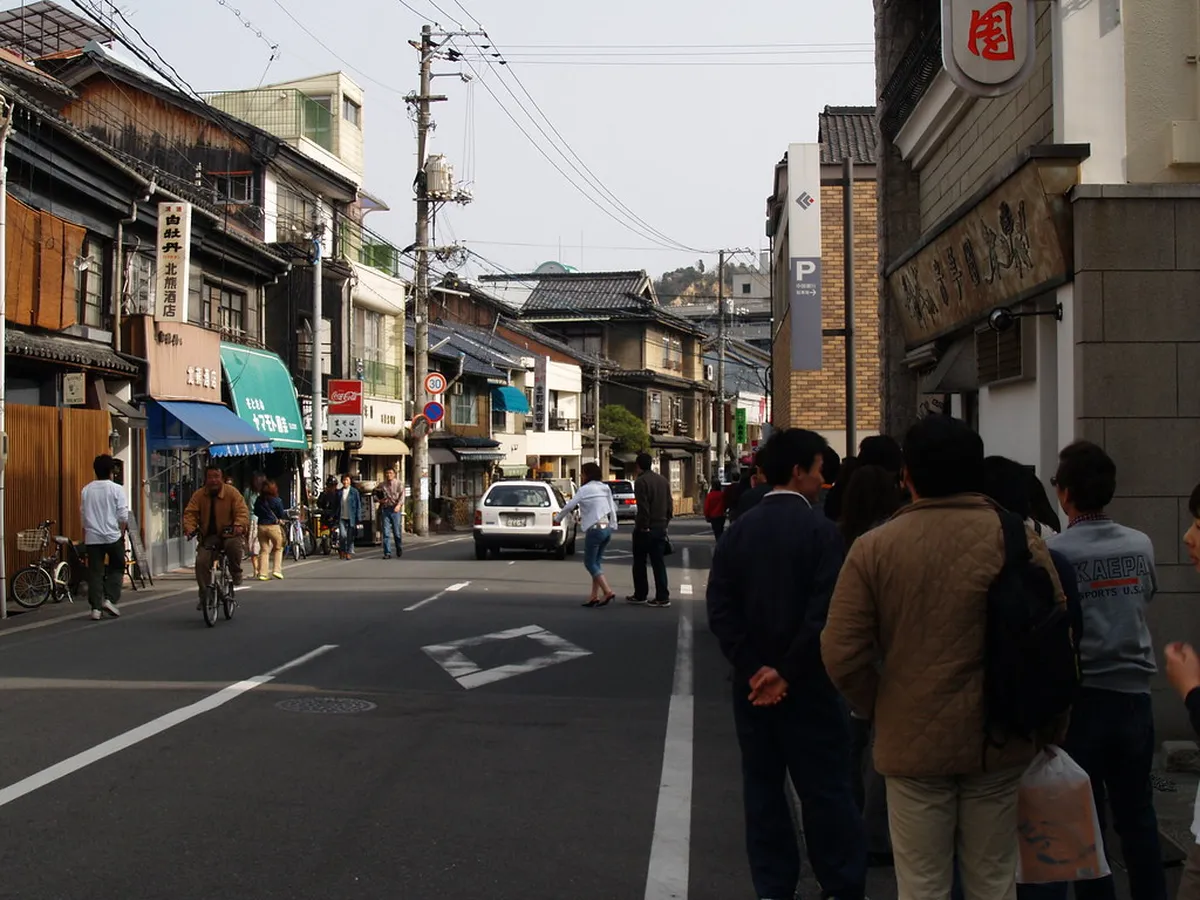
- Onomichi Ramen Tani: light soy broth topped with pork backfat (seabura); from ¥500; open 11:30am–9pm, closed Thursdays; 1-7 Higashigoshocho.
- Ichibankan: a Kaigan-dori counter near Sumiyoshi Shrine, open since the 1920s, known for its pork-heavy Kakuni Ramen special.
- Karasawa: Ice Monaka sandwiches fresh egg-custard ice cream between wafer shells; from ¥180; open 10am–7pm, until 6pm October–March; the tamago flavor runs April–September.
- Nagae: steamed pork buns in salty and curry versions; from ¥150; open 10:30am–6pm; located directly on Hondori.
Citrus and Sweets: Setoda's Lemon Influence in Every Bite
Setouchi lemons flavor much of Onomichi's sweet counter, from cakes to bottled pudding. Kouei-Dou, out in Setoda, sells a lemon cake from ¥110 alongside a rolled sponge cake, open 7am–6pm. For a deeper citrus lineup across the islands, see Setoda's lemon sweets. Closer to Hondori, Oyatsu-to-Yamaneko sells Onomichi pudding in branded glass jars decorated with a mountain-cat motif, at 3-1 Higashigoshocho between the station and the main arcade. Flavors include Setouchi lemon, Hassaku orange, vanilla, and matcha. At the station itself, on the first floor of the station building, Kankitsu Stand Orange pours a citrus juice flight built around Hassaku orange, the region's other signature fruit.
Coffee Culture: Siphon Brews and Modern Snack Hubs
Onomichi Roman Coffee keeps the Showa-era kissaten format alive: siphon-brewed coffee paired with waffles. Prices start at ¥420, with hours running 10am–9pm, about a 15-minute walk from JR Onomichi Station at 4-1 Toyohi Motomachi. Onomichi U2, the renovated warehouse complex on the station's west side, takes a different approach. It packs a bakery counter, a cafe, and an Italian restaurant into one building for cyclists starting the Shimanami Kaido. Grabbing a bakery item from U2 works well as a hand-held breakfast before you enter the arcade. Two more independent options are worth noting. Koro Bakery, inside the arcade, serves sweet and savory pastries, while POUR, a port-side coffee roaster, offers only sidewalk seating. These stops are a start, not the full picture; the Onomichi's cafés and bakeries guide covers sit-down options like the hillside tea houses in more depth.
Onomichi Roman Coffee sits about a 15-minute walk from the station and justifies the detour for siphon-brewed service. Quicker alternatives like Nagae's steamed buns and Karasawa's ice cream from the main arcade suit fast-paced routes.
Where to Eat What: Arcade, Waterfront, and Hillside
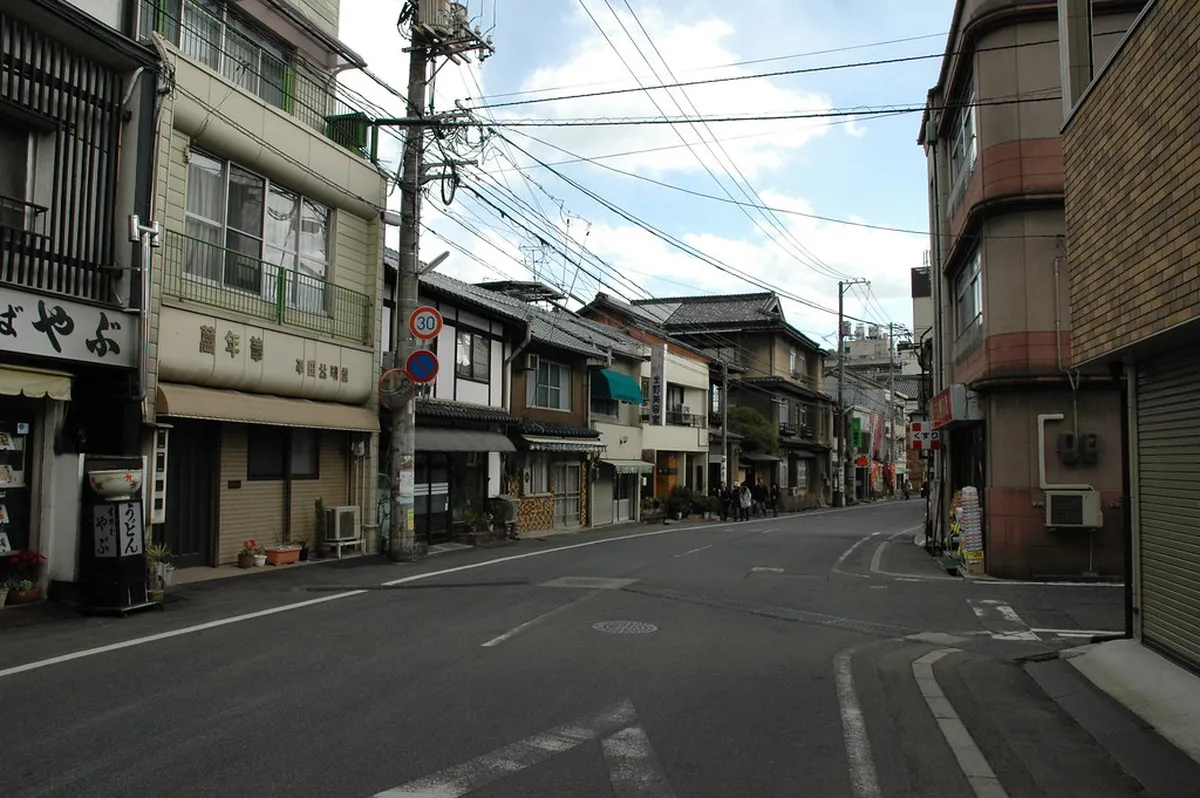
Hondori Arcade works best for anything eaten on the move, including buns, ice cream, and lemon cake. Kaigan-dori, the waterfront street the arcade runs alongside, is where Ichibankan and Maruboshi serve ramen a few steps from the channel. The hillside above the arcade, on the way toward the temple walk, holds quieter cafes built into renovated houses. Tea Stand Yamate, run by the tea company Tea Factory Gen, faces the Seto Inland Sea from a converted two-story house; its sister counter, Tea Stand Gen, sits inside the arcade for a faster stop. If you're cycling out from Hotel Cycle toward the 60km Shimanami Kaido route to Imabari, grab a bun from Nagae or a citrus juice from Kankitsu Stand Orange before rolling out, since both hold up well in a jersey pocket. Anyone extending the day toward the temple stairs can pair this stretch with the Onomichi attractions guide for Senkoji and its ropeway.
Quick Pick: Comparing Onomichi Street Food by Portability, Price, and Wait
The table below ranks each snack by how well it holds up at a walking pace, using prices and hours sourced from each shop. Buns, ice cream, and lemon cake top the portability column, which is why they anchor most walking routes through the arcade. Ramen and siphon coffee reward a longer stop, so budget extra time if either is on the list. Sampling one item each from the three cheapest stops, a bun, an Ice Monaka, and a lemon cake, adds up to about ¥440 at posted starting prices, well under the cost of one sit-down ramen bowl.
| Snack | Where | Portability | Price | Typical Wait |
|---|---|---|---|---|
| Pork steamed bun | Nagae | High, eat while walking | From ¥150 | Short, counter service |
| Ice Monaka | Karasawa | High, wafer shell needs no utensils | From ¥180 | Short, made to order |
| Lemon cake | Kouei-Dou | High, boxed and travels well | From ¥110 | Short |
| Onomichi pudding | Oyatsu-to-Yamaneko | Medium, jar needs a bag or a stop | Not published; similar range to buns and cakes (¥110–500) | Short |
| Onomichi ramen | Tani or Ichibankan | Low, sit-down bowl | From ¥500 | Longer at lunch peak |
| Siphon coffee and waffles | Onomichi Roman Coffee | Low, seated cafe format | From ¥420 | Moderate |
Bringing Onomichi Flavors Home: Tea, Boxed Sweets, and Bottled Pudding
Some of the arcade's best finds travel further than the walk back to the station. Onomichi Black Tea, sold by the shop Imagawatamakozono, blends imported Ceylon leaves with local flavors like cherry blossom, packaged with a cat-motif design that doubles as a gift. Kouei-Dou's lemon cake and rolled sponge cake come boxed and hold up well in a daypack for the train ride onward. Oyatsu-to-Yamaneko's Onomichi pudding ships in branded glass bottles rather than paper cups, and the cafe au lait and blueberry versions travel well if kept upright. Travelers wanting a wider souvenir selection beyond food can browse Onomichi Emonya, a shop with more than 500 varieties of local goods housed in a renovated Meiji-era merchant building near the arcade. These items work well as omiyage, the Japanese custom of bringing back small, individually wrapped gifts, since most arcade sweets already come boxed or bottled for that purpose.
Etiquette, Closures, and Other Practical Notes
Tabearuki, eating while walking, carries mixed etiquette in Japan. Many shop owners prefer customers finish a snack near the counter or at a nearby bench rather than mid-stride through the crowd. Look for a bench near the shopfront, and carry any trash back to the counter if no bin is visible. Shop schedules vary by owner. Onomichi Ramen Tani closes on Thursdays, and other small counters keep their own weekday closures. Confirm hours before you make a special trip to any single shop. Cash matters here. Many of the smaller stalls in the arcade don't take IC cards or credit cards, so carry yen before you start the route. Vegetarian travelers should expect some friction. Onomichi ramen leans on pork backfat and fish dashi, and Tonchinkan's broth adds pork and chicken bones on top of that. Lemon cake and citrus pudding are the more reliable meat-free stops in the arcade. On rainy days, the covered arcade becomes the default plan, since Hondori stays dry from the station to the temple stairs regardless of weather outside. Anyone building a broader budget itinerary can compare these prices against the budget eats in Onomichi guide for sit-down alternatives at a similar cost.
Frequently Asked Questions
What is Onomichi ramen, exactly?
Onomichi ramen uses a light soy sauce broth finished with pork backfat, known locally as seabura, plus a fish-based dashi. Shops like Onomichi Ramen Tani and Ichibankan serve it from around ¥500 a bowl. The pork fat floats visibly on top, which is the simplest way to spot an authentic bowl.
Should you arrive at Onomichi Station or Shin-Onomichi Station?
Onomichi Station puts you directly at the entrance to Hondori and its food stalls. Shin-Onomichi is the shinkansen stop, served only by Kodama trains, and needs a roughly 10-minute bus or taxi ride to reach the food district. Pick Onomichi Station whenever the itinerary centers on street food.
Is Onomichi street food a good rainy-day plan?
Yes. Hondori Shopping Street runs under a continuous covered roof for its full 1.6km, so rain rarely interrupts the route. It ranks among the more reliable indoor-adjacent plans in the city when weather turns.
Can you eat while walking through Hondori?
Tabearuki, walking while eating, carries mixed etiquette in Japan, and some shop owners prefer customers pause near the counter or a bench. Portable picks like Nagae's steamed buns and Karasawa's Ice Monaka suit that pace well. Sit-down bowls like Onomichi ramen are better enjoyed at the counter.
Are there vegetarian options among Onomichi's street food?
Options are limited. Onomichi ramen relies on pork backfat and fish dashi, and Tonchinkan's broth is built on pork and chicken bones. Kouei-Dou's lemon cake and Oyatsu-to-Yamaneko's citrus pudding are the more consistent meat-free choices in the arcade.
What does a typical Onomichi street-food budget look like?
Individual snacks run from about ¥110 for lemon cake to ¥500 for a ramen bowl. Tasting a bun, an ice cream, and a cake together costs roughly ¥440 at posted starting prices. A full ramen lunch plus one sweet stays well under ¥1,000 for most travelers.
Free guide: Japan's Hidden Gems
12 under-the-radar places beyond Tokyo & Kyoto — with the best season to visit each and a local tip you won't find in the guidebooks.
You might also like


Continue reading
More guides you'll find useful