Onomichi Setoda Lemon Sweets: What to Eat on Lemon Island, Japan
Lemon cakes, gelato and citrus beer on Ikuchijima: the best Setoda shops, 2026 ferry costs from Onomichi, harvest season timing and souvenirs to pack.
On this page
Last updated August 2026, Onomichi Setoda lemon sweets range from hand-cut peel cakes to gelato and citrus beer, all built on lemons grown across the Shimanami Kaido's Ikuchijima Island. Setoda supplies a large share of Hiroshima Prefecture's crop, and Hiroshima itself produces roughly 60% of Japan's lemons, according to lemon farmer accounts collected by the Ministry of Agriculture, Forestry and Fisheries. This guide sorts the best lemon cakes, gelato, drinks, and souvenirs by season, price, and how easy each is to reach from Onomichi.
Onomichi Setoda Lemon Sweets: Why Setoda Became Japan's Lemon Island
Setoda sits on Ikuchijima Island, part of the Shimanami Kaido cycling route between Onomichi and Imabari. Hiroshima Prefecture became Japan's top lemon-producing region in the early 1950s and reached about half of national output by the early 1960s. Imported lemons once dominated Japanese supermarkets, and concern over antifungal sprays on those imports pushed Hiroshima to certify a low-pesticide Eco Lemon standard. That standard lets shoppers eat the peel without worry, and it is the detail that changed the local sweets industry. Patissier Ryuzo Okumoto of Shimagokoro noticed that lemon zest, not juice, carries most of the fruit's aroma. He built a peel-based cake recipe around that discovery, after juice alone clashed with wheat flour dough. Onomichi's wider food scene, including its ramen shops, gets fuller treatment in Onomichi's food guide.
- Location: Ikuchijima Island, about the midpoint of the 70km Shimanami Kaido between Onomichi and Imabari.
- Population: roughly 9,000 residents across Setoda.
- Lemon share: Hiroshima Prefecture produces about 60% of Japan's lemons, with Ikuchijima and Takaneshima supplying a large part of that.
- Eco-Lemon standard: Hiroshima-certified low-pesticide lemons safe to eat skin-on.
Top Lemon Cakes and Gelato to Try in Onomichi and Setoda
Shimagokoro SETODA anchors the island's cake scene. Founded by Setoda-native patissier Ryuzo Okumoto, the shop hand-cuts lemon peel for its signature cake. A green lemon version, made from the sharper early-harvest fruit, is available only from October to December. Hondori's arcade bakeries, on the Onomichi mainland, sell an older-style lemon sponge cake that locals call a nostalgic classic. The Hondori street food guide covers what else to eat along that arcade. Shimanami Dolce rotates its gelato menu monthly at its Kosanjimae branch near Kosanji Temple.
Hondori's arcade bakeries are on the Onomichi mainland with traditional lemon sponge cakes, while reaching Setoda requires about 40 minutes by ferry, making Hondori the faster option for time-pressed visitors.
| Shop | Specialty | Price / Hours | Where |
|---|---|---|---|
| Shimagokoro SETODA | Hand-cut peel lemon cake, about 8,400 a day; green lemon cake (Oct-Dec) | 10:00am-6:00pm daily | 209-32 Setodachosawa, Setoda |
| Hondori arcade bakeries | Traditional lemon sponge cake | Hours vary by shop | Hondori shopping street, central Onomichi |
| Shimanami Dolce (Kosanjimae) | Monthly-rotating gelato: Setoda Lemon, Setoda Navel Orange, Dekopon, Hakata Salt | 10:00am-4:30pm, hours may shift seasonally; ¥400-600 per cup | 546 Setodacho Setoda |
Lemon Drinks and Savory-Sweet Fusions Worth a Detour
Setoda and Onomichi push lemon well past dessert. Near Onomichi Station, Lemon to Spice pours more than 35 house-made lemonade varieties, including a spring-only Peach Apple Lemonade Smoothie. On Ikuchijima, near Kosanji Temple, HYAKKOYA Café serves its own lemonade alongside a Kari-Fuwa Tamago Sandwich made with lemon mayonnaise. Shiomachi-tei, set inside a 150-year-old house, pairs a signature lemonade made from organic Setoda lemons with a lemon hotpot and a two-curry plate. The local cafes and bakeries guide has more café picks beyond citrus. ONOMICHI U2, the cyclist-focused facility that opened in 2014, bakes a lemon pizza with cheese, whipped cream, and salt-pickled lemon, plus a carbonated house drink called G-motto. Shimanami Brewery adds a savory-tart Super Salt Lemon Sour and a boozy Shimanami Cat Lemon Ice Cream float. Lemon's acidity also works as a counterpoint to the Seto Inland Sea catch featured in the seafood restaurants guide. Lemonades, sours, and G-motto are plant-based, so they suit vegan travelers without substitution. Gelato, cream-based drinks, and egg-based cakes are not vegan, so confirm ingredients at the counter if that matters to you.
Lemon Souvenirs and Shiomachi Shopping Street
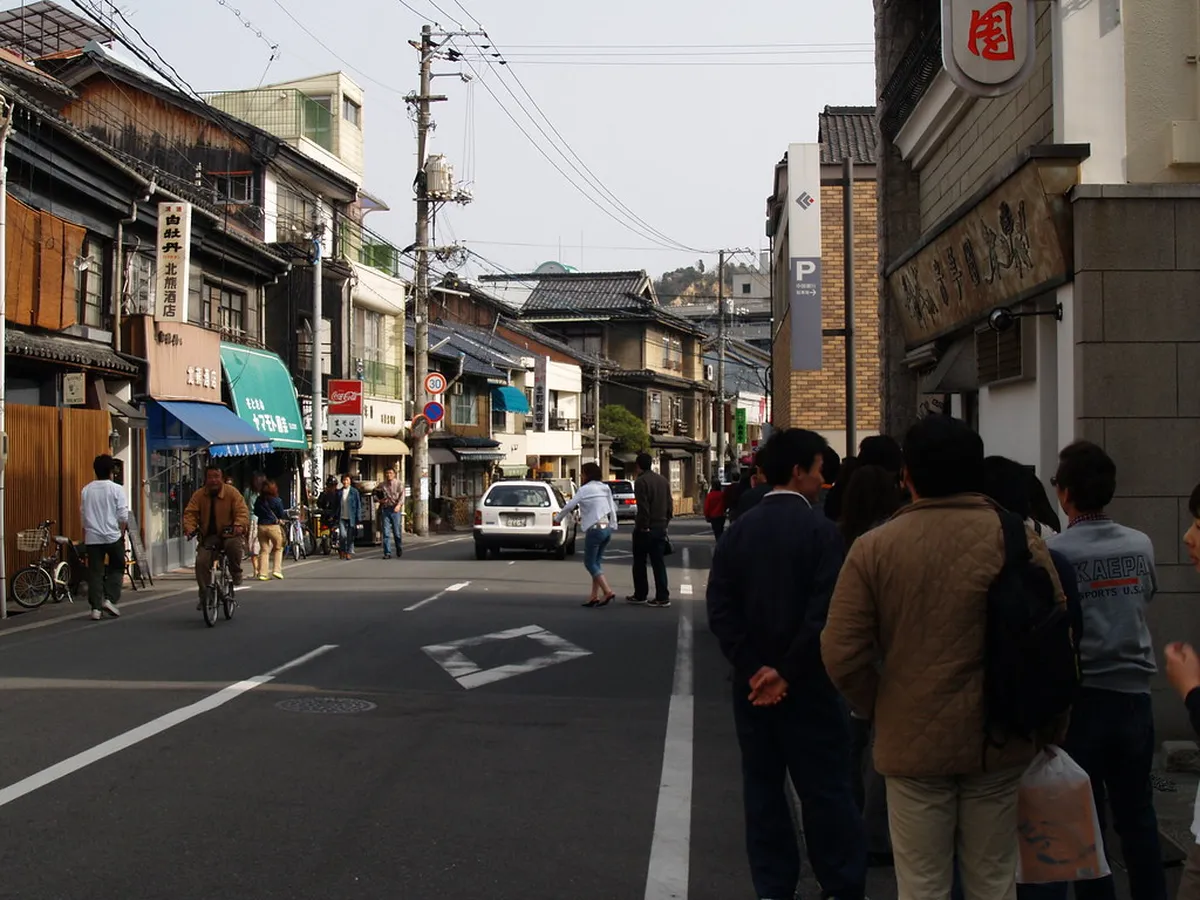
Shiomachi Shopping Street is the main strip for take-home lemon goods. Its retro buildings stretch about 600 meters and hold roughly 50 shops between the ferry port and the town center. Okatetsu Shoten, a family-run croquette stand on the street, sells a beef croquette for ¥100, a mince cutlet for ¥130, and a ham cutlet for ¥250. The shop opens at 8:30am and can sell out before its listed 6:30pm close, so arrive earlier for popular items. None of Okatetsu's croquettes contain lemon, but the shop is a fixture on the street and one of the cheapest stops on the island. The budget eats guide lists more low-cost options back on the mainland. For lemon souvenirs, shop by how long you need the item to last. Gift boxes of packaged cakes typically start around ¥1,500, while a single gelato cup or lemonade for immediate eating runs closer to ¥400 to ¥600.
Hiroshima's rise to top lemon producer in the early 1950s paved the way for the Eco-Lemon standard, ensuring lemons are safe to eat skin-on—making confiture and pickled lemon excellent souvenirs with weeks-long shelf lives.
| Souvenir | Shelf Life | Notes |
|---|---|---|
| Lemon confiture | Weeks (jarred) | Spreadable; sold at ONOMICHI U2 and Setoda shops |
| Salt-pickled lemon (shio-lemon) | Weeks | Used in cooking, a savory topping for tofu |
| Shimagokoro boxed lemon cakes | Days | Classic and seasonal flavors, including black sesame and kabocha |
| Marunyan Lemon Paw Cake | Days | Cat-paw shaped, individually wrapped |
| ShimaShima Lemon | Days | Striped sponge cake with a caramel twist |
Ferry vs Bicycle: Getting From Onomichi to Setoda
Setoda Port sits about 40 minutes by boat from Onomichi Port, not a quick walk, so budget real travel time each way. The Citrus Ferry departs from Onomichi Port Terminal, a short walk from Onomichi Station, and needs no advance reservation. Its published fare is ¥1,300 for adults and ¥650 for children, plus ¥500 to bring a standard bicycle or ¥600 for an electric one. Confirm current fares before you go, since operators revise pricing over time. Cyclists doing the full Shimanami Kaido can instead book the CYCLESHIP LazuLi, a bicycle-dedicated ferry that runs weekends only and boards bikes on gentle ramps. Riding the 70km route yourself is the scenic option, and Setoda's position near the midpoint makes it a natural lunch or dessert stop either direction. The Setoda Town Tourist Information Center, a short walk from the port, rents bicycles and is open 9:00am-5:00pm daily. For hillside spots such as Lemon Farm Glamping, sited at roughly 100 meters of altitude, published guidance recommends a car or taxi instead of a bicycle. Between crossings, temples and viewpoints near Kosanji Temple round out a day trip. The Onomichi attractions guide lists more stops.
| Mode | Time | Cost | Best For |
|---|---|---|---|
| Citrus Ferry | About 40 minutes | ¥1,300 adult / ¥650 child, plus ¥500-600 for bicycles | Fastest access, no reservation needed |
| CYCLESHIP LazuLi | About 40 minutes | Ferry fare plus bicycle surcharge | Cyclists riding the full Shimanami Kaido (weekends only) |
| Bicycle (Shimanami Kaido) | Setoda near the 70km route's midpoint | Rental costs vary by shop | Active travelers doing the full crossing |
| Car or taxi | Varies by starting point | Fare varies | Reaching hillside stops like Lemon Farm Glamping |
Seasonal Guide: When Lemon Sweets Taste Best
Lemon season shapes what is on the counter more than any other factor. Trees bloom in May and start setting fruit in June, according to Setoda lemon farmer Masao Kubo. Green lemons, picked for their sharper scent, come off the trees from October to December and show up in Shimagokoro's green lemon cake and squash drink during that window. Yellow lemons follow, harvested from around the end of the year into April, and mark the peak for classic lemon cakes, confiture, and shio-lemon. Spring, while the last yellow lemons are still fresh, is also when shops like Lemon to Spice run limited flavors such as its Peach Apple Lemonade Smoothie. Fresh fruit is essentially out of season by summer, since the yellow harvest wraps around April and new fruit does not set until June. Gelato, lemon sours, and lemon beer fill that gap instead, since they rely on processed or frozen citrus rather than fruit straight off the tree.

| Season | Lemon Status | Best Sweets |
|---|---|---|
| October-December | Green lemon harvest | Shimagokoro green lemon cake, green lemon squash drink |
| Late December-April | Yellow lemon harvest, peak freshness | Classic lemon cakes, lemon confiture, shio-lemon |
| March-May | Late yellow season, spring specials | Lemon to Spice seasonal smoothie flavors |
| June-September | Off-season for fresh fruit | Gelato, lemon sours, Shimanami Brewery's lemon beer |
Mistakes to Avoid on the Lemon Trail
A few planning slips are easy to make on a first visit.
- Don't assume every 'Hiroshima lemon' treat is a Setoda Lemon; check the packaging or menu for the Setoda or Ikuchijima name before you buy.
- Don't book a same-day round trip without checking ferry times first; the Citrus Ferry runs daily but CYCLESHIP LazuLi is weekends only, and schedules can shift by season.
- Don't expect lemons hanging on trees in mid-summer; the yellow harvest usually ends around April, and new fruit does not set until June.
- Don't try to bike up to Lemon Farm Glamping; it sits at roughly 100 meters of altitude, and published guidance recommends a car or taxi instead.
Frequently Asked Questions
How do you get from Onomichi to Setoda for lemon sweets?
Take the Citrus Ferry from Onomichi Port Terminal. The crossing takes about 40 minutes and costs ¥1,300 for adults and ¥650 for children. Cyclists can use the weekends-only CYCLESHIP LazuLi or ride the Shimanami Kaido itself, since Setoda sits near its midpoint.
What is the difference between green lemon and yellow lemon sweets in Setoda?
Green lemons are harvested from October to December and taste sharper and fresher, showing up in limited items like Shimagokoro's green lemon cake. Yellow lemons follow from around the end of the year into April and are the base for most year-round cakes, confiture, and shio-lemon.
Are Setoda lemon sweets vegan-friendly?
Lemonades, lemon sours, and drinks like G-motto are plant-based and safe for vegan travelers. Gelato and traditional lemon cakes usually contain dairy or eggs, so confirm ingredients at the counter if that matters to you.
What is the best lemon souvenir to bring home from Setoda?
For shelf life, choose jarred lemon confiture or salt-pickled lemon, both of which keep for weeks. Boxed lemon cakes from Shimagokoro, plus novelty picks like the Marunyan Lemon Paw Cake, are best eaten within a few days, and gift boxes typically start around ¥1,500.
Is Hondori the same as Setoda for lemon sweets shopping?
No, Hondori is a shopping arcade on the Onomichi mainland with its own traditional lemon sponge cakes. Setoda is a separate town on Ikuchijima Island, reached by a roughly 40-minute ferry, and holds most of the island's dedicated lemon shops.
Free guide: Japan's Hidden Gems
12 under-the-radar places beyond Tokyo & Kyoto — with the best season to visit each and a local tip you won't find in the guidebooks.
You might also like


Continue reading
More guides you'll find useful