Halal Food in Osaka: A 2026 Muslim-Friendly Dining Guide
Halal food in Osaka: Matsuri's prayer room in Fukushima-ku, Namba ramen, hotel dining at Hotel Nikko and Sheraton Miyako, plus costs and mirin caveats.
On this page
Last updated August 2026, this guide maps halal food in Osaka across a dedicated Fukushima-ku restaurant, Namba ramen counters, and hotel dining rooms. Certified halal spots are still rare in the city, so knowing the difference between halal-certified and Muslim-friendly matters before you order. This guide separates the two, and covers prayer access, hidden alcohol in Japanese seasoning, and which neighborhoods to base a meal plan around.
The Halal Food Landscape in Osaka
Halal-certified restaurants remain uncommon in Osaka. Most Muslim travelers instead rely on a mix of certified kitchens, Muslim-friendly menus, and pork-free, alcohol-free options. Halal-certified means a recognized body, such as NAHA, has verified the full supply chain, from sourcing through to the kitchen itself. Muslim-friendly or halal-available usually means the kitchen avoids pork and alcohol on request, without independent certification behind it. Japan Muslim Guide's Osaka directory marks this distinction with a set of icons, listed below. Confirm certification status directly before you order, especially at hotel restaurants and izakaya-style menus, where alcohol often shows up in the cooking rather than just the drinks list. Travelers with overlapping vegetarian or vegan needs can cross-check the vegetarian and vegan food guide for additional options. For the full spread of Osaka's dining scene beyond halal-specific picks, see the Osaka food guide.

- Halal-certified: verified by a recognized certification body
- Halal or Muslim-friendly menu: pork-free and alcohol-free options available
- Non-pork, non-alcohol menu: no pork or alcohol served
- Vegetarian menu: plant-based dishes available
- Prayer space: a dedicated area for prayer on-site
- Prayer item loan: prayer mats or related items available to borrow
- Qibla marker: prayer direction indicated on-site
- Muslim-owned: the restaurant's owner is Muslim
Quick Reference: Five Halal and Muslim-Friendly Spots Compared
This comparison pulls together five confirmed halal and Muslim-friendly spots by neighborhood, cuisine, prayer space, and directory rating. Matsuri is the only one with a confirmed on-site prayer space among these five. Directory ratings come from Japan Muslim Guide's Osaka listings, where available; not every venue is rated there.
| Restaurant | Neighborhood | Cuisine Focus | Prayer Space | Directory Rating |
|---|---|---|---|---|
| Matsuri | Fukushima-ku | Japanese multi-menu (ramen, curry, wagyu, okonomiyaki) | Yes, with wudu facility | Not listed on directory |
| Halal Ramen HONOLU | Namba | Ramen | Not listed on directory | 4.5 |
| Osaka Halal Restaurant Sitara | Central Osaka | Indian and Pakistani | Not listed on directory | 4.7 |
| Benkay, Hotel Nikko Osaka | Hotel dining room | Japanese washoku | Not listed on directory | 4.6 |
| Uemachi, Sheraton Miyako Hotel Osaka | Hotel dining room | Japanese | Not listed on directory | 4.2 |
Halal Japanese Classics: Ramen, Curry, and Okonomiyaki
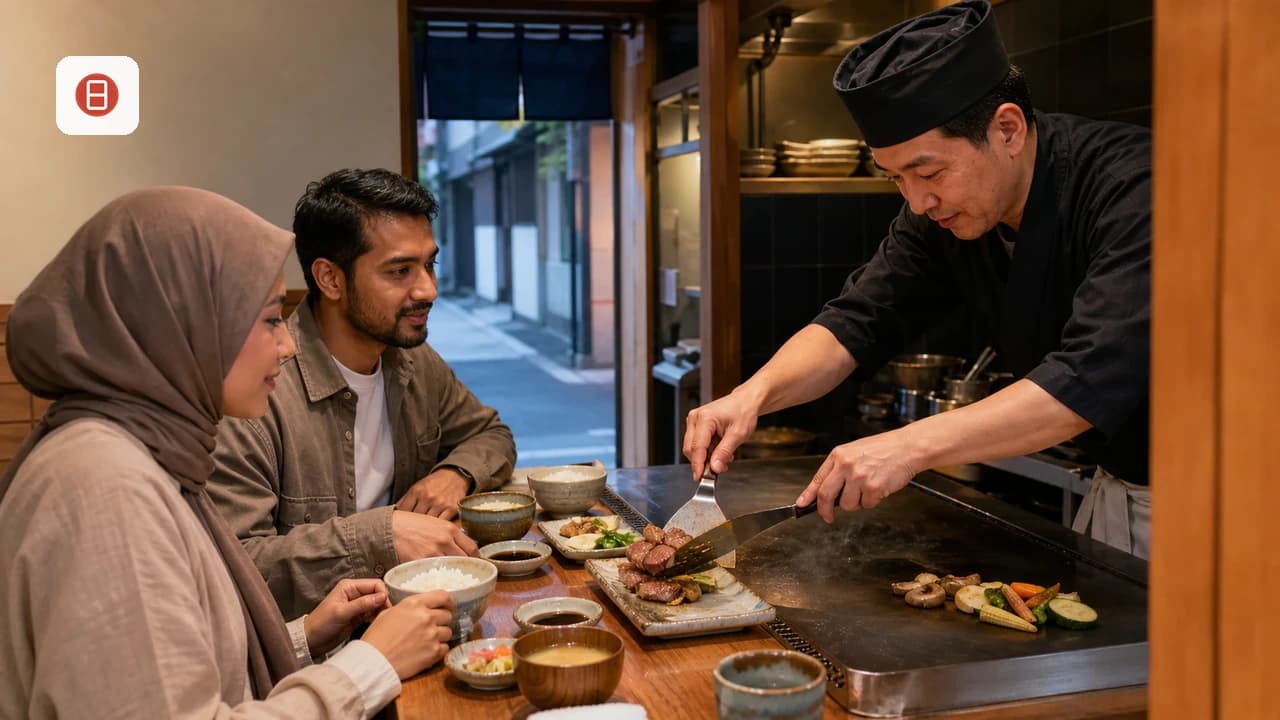
Matsuri, in Fukushima-ku, is one of Osaka's most established halal Japanese kitchens. Its menu spans several categories, listed below, plus vegan dishes marked with an on-menu symbol. Okonomiyaki appears too, a dish rarely available in a pork-free, alcohol-free version elsewhere in the city. Compare it against the standard version in the takoyaki and okonomiyaki guide to see what typically changes. Matsuri's DIY takoyaki set, where diners cook their own takoyaki at the table, has been suspended since the Covid-19 pandemic. Call ahead to check current availability before planning around it. Halal Ramen HONOLU, in Namba, is the other major reference point for classic dishes. Japan Muslim Guide's directory lists it at a 4.5 Google Maps rating. Expect a wait at peak lunch hours, given its central location.
- Ramen, including a wasabi ramen option
- Kobe beef dishes
- Japanese curry rice
- Dashimaki tamago (Japanese rolled omelette)
- Miso soup, served separately from rice dishes
Halal Wagyu and Hotel Dining in Osaka
Hotel dining rooms fill the gap between Osaka's dedicated halal restaurants and everyday pork-free options. Hotel Nikko Osaka lists Muslim-friendly or halal-available dishes across several restaurants, detailed below. Sheraton Miyako Hotel Osaka offers halal-available dishes at its EU and Uemachi restaurants. Samurai Wagyu MUSASHI, a Japanese steakhouse, is listed in Osaka's Muslim-friendly directories as a wagyu option outside the hotel circuit. Price gaps between these tiers run wide. A bowl of halal ramen runs roughly ¥1,000-1,500, while a wagyu course at a hotel restaurant can reach ¥12,000-18,000. For a wider view of Osaka's top tables, most of which aren't halal-focused, see Best Restaurants In Osaka Travel Guide. For Michelin-recognized dining specifically, the Michelin Star Restaurants Osaka: 2026 Dining and Booking Guide covers those separately.
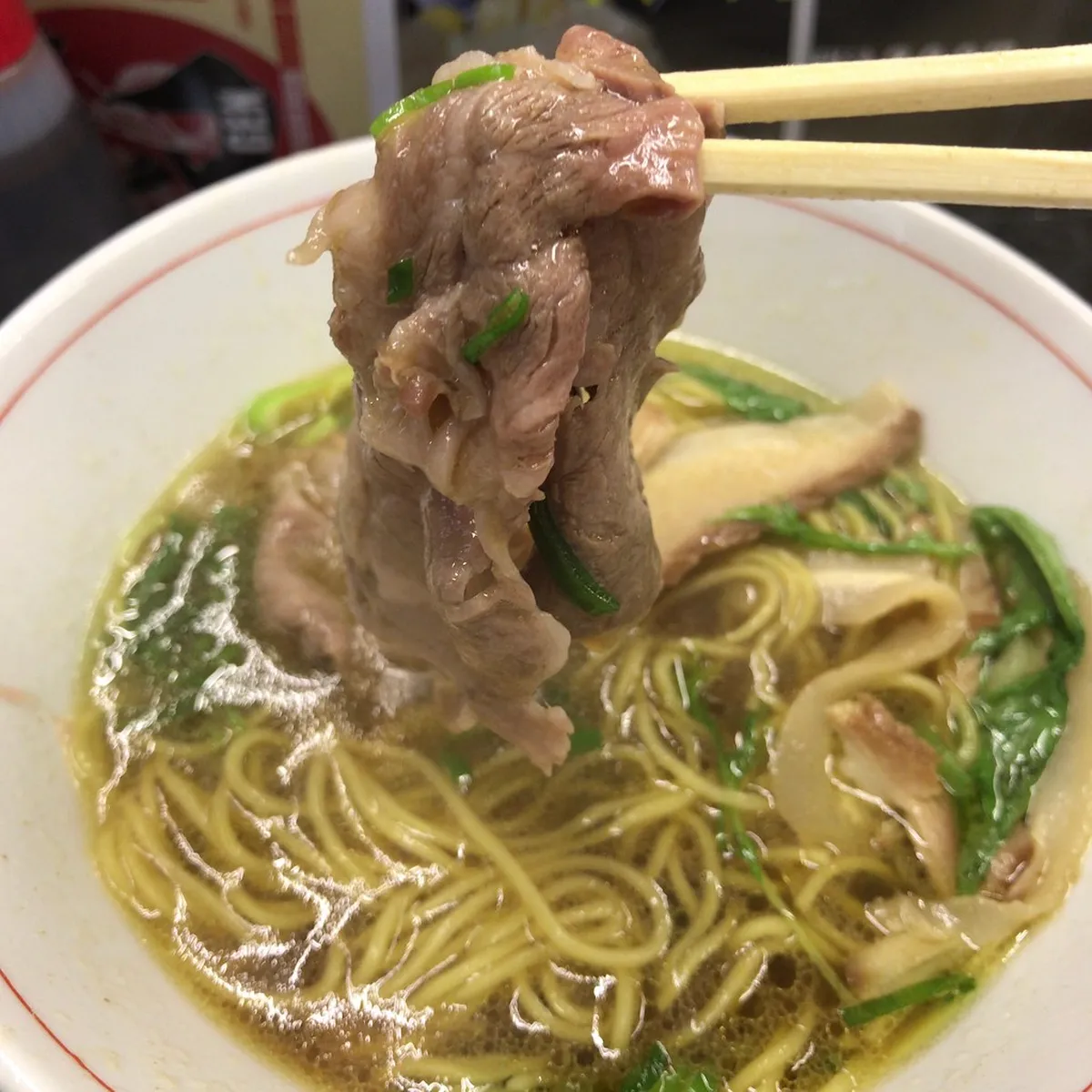
Ramen at ¥1,000-1,500 may conceal mirin or sake in the broth, requiring staff confirmation that alcohol-based seasonings aren't used, since pork-free doesn't guarantee halal without certification.
- Benkay: Japanese washoku restaurant
- Icho: teppanyaki restaurant
- Serena: all-day buffet dining
- Les Celebrites: French restaurant
- Toh-Lee: Chinese restaurant
International Halal Flavors: Biryani, Turkish, and More
Beyond Japanese dishes, Osaka carries a small but growing set of international halal kitchens. Ali's Kitchen and Kineya, an early-opening breakfast spot, come up often in Osaka's Muslim traveler community online. Osaka Halal Restaurant Sitara serves Indian and Pakistani dishes and carries a 4.7 Google Maps rating in Japan Muslim Guide's directory. Mezze Horie, a Turkish cafe, holds a 4.9 rating in the same directory, among the highest listed for any Muslim-friendly kitchen in the city. For a broader look at Osaka's cafe scene, unrelated to halal status specifically, see the 10 Best Cafes in Osaka: 2026 Specialty Coffee & Kissaten Guide. None of these international kitchens carry a confirmed halal certification in available directory listings, so confirm sourcing directly if certification matters to your diet.
More Halal-Labeled Kitchens: Tea, Soba, and Sushi-Making Classes
A handful of other Osaka listings round out the halal and Muslim-friendly picture. 1819OSAKA-Halal carries a 4.9 Google Maps rating and lists Wi-Fi and foreign-language support, useful if you need an English-language menu. SOJIBO serves soba and udon and carries a 3.9 rating, the lowest among the Japanese kitchens listed in Japan Muslim Guide's directory, so set expectations accordingly. Chatei Jin, a gyokuro and matcha tea house, holds a 4.9 rating and works as a slower, cafe-style stop between meals. Sushi Making Osaka runs a cooking class rather than table service, listed at a 5.0 Google Maps rating. It gives a hands-on way to learn halal-friendly sushi preparation directly, rather than ordering blind at a counter.
Where to Eat by Neighborhood: Fukushima-ku, Namba, and Beyond
Fukushima-ku is a short train ride from Namba and is worth the trip specifically for Matsuri's full halal menu and prayer space. Namba concentrates the rest of the city's confirmed halal options, listed below. Namba also borders Dotonbori, but the Dotonbori food scene itself has no dedicated halal street-food row. The Kuromon Ichiba Market Food Guide: What to Eat, Prices & Hours (2026) covers a similar gap. Treat both areas as sightseeing stops, not guaranteed halal meal sources. Shinsekai is not a halal food destination either. Its kushikatsu skewers commonly include pork cutlets, so check the Kushikatsu in Shinsekai Osaka: The Complete Guide to Skewers, Etiquette, and Where to Eat for what's typically served before planning a meal there.
- Halal Ramen HONOLU: ramen restaurant in Namba
- Asian Diner 585 Namba: Japanese menu in Namba
- ZEROHACHI Namba: yakiniku and BBQ in Namba
Prayer Spaces and Halal Souvenirs
Matsuri is the clearest confirmed prayer space in this guide. It includes a wudu facility for ablution before prayer, on-site in the Fukushima-ku restaurant. A souvenir corner sells Muslim-friendly and halal products. Selection was limited at last report, though expansion was already planned. Check current stock in person, since availability may have changed since then. Fried Baumkuchen, a cake-based dessert with adzuki bean paste and condensed milk, runs in the ¥400-600 range there. Beyond Matsuri, Japan Muslim Guide's directory flags prayer space, prayer-item loan, and Qibla-marker icons for other listings citywide. This guide cannot confirm which specific restaurants carry them from the available data. Check each listing's icons directly before building a schedule around a prayer stop.
Costs, Reservations, and Hours
Matsuri opens 11am-2pm and 5pm-9pm. It's closed Wednesday and Thursday, based on currently listed hours. Confirm directly before visiting, since restaurant schedules can shift. Halal ramen bowls across the city typically run ¥1,000-1,500. A halal wagyu course at a hotel restaurant runs roughly ¥12,000-18,000, and Matsuri's Baumkuchen dessert runs about ¥400-600. Hotel restaurants need the longest lead time. Budget three to seven days for a hotel kitchen to source halal-appropriate ingredients for a washoku meal. If a sightseeing day is already on the calendar, cross-reference the Osaka attractions guide so meal stops line up with the route. A guided Osaka food tour can help scout pork-free stalls faster, though confirm halal status with each vendor directly, since general food tours aren't built around halal criteria.
Hotel restaurants require three to seven days advance notice for halal meals, but no Osaka hotel in this guide has confirmed halal certification, so sourcing must be verified directly.
Common Mistakes: Mirin, Sake, and Hidden Alcohol
Pork-free doesn't automatically mean halal in Japan. Many everyday seasonings, including mirin and sake, contain alcohol and appear in sauces, marinades, and simmered dishes, not always listed clearly on a menu. Dishes like doteyaki and horumon often use miso and sake-based sauces. See the doteyaki and horumon guide for how they're typically prepared before assuming an alcohol-free version exists. Izakaya-style menus deserve the same scrutiny, since alcohol shows up in the cooking as often as in the drinks list. The 10 Best Izakaya in Osaka: Top Picks & Local Drinking Guide covers what's typically served at those spots. Street stalls carry a similar risk, since sauces and batters can include alcohol-based seasoning without it being obvious. Cross-check any stall against the 12 Best Places for an Osaka Street Food Guide (2026) before assuming a dish is pork-free or alcohol-free.
- Ask if mirin or sake is used in the sauce or marinade
- Ask whether the broth or stock contains alcohol
- Confirm whether pork or pork-derived gelatin is used anywhere in the dish
- Look for a halal-certified or Muslim-friendly icon on the menu, not just a pork-free label
- When in doubt, ask for the dish to be prepared without the sauce in question
Frequently Asked Questions
Is it easy to find halal food in Osaka?
Halal food in Osaka is more limited than pork-free or vegetarian options generally, though the number of Muslim-friendly listings has grown. Matsuri in Fukushima-ku and Halal Ramen HONOLU in Namba are the two most established starting points. Osaka Halal Restaurant Sitara adds an Indian and Pakistani option, and several hotel restaurants list halal-available dishes on request. Confirm certification status directly before ordering, since a pork-free label doesn't always mean halal-certified.
Does Dotonbori have halal street food?
Dotonbori has no dedicated halal street-food row comparable to Kuromon Ichiba Market's stalls. Treat the Dotonbori food scene as a browsing stop, not a guaranteed halal meal source. Halal Ramen HONOLU in Namba is the closest confirmed halal restaurant to the canal area.
Which Osaka hotels offer halal-certified breakfast or dinner?
No Osaka hotel dining room covered in this guide is confirmed as halal-certified. Hotel Nikko Osaka lists Muslim-friendly or halal-available options across restaurants including Benkay and Icho. Sheraton Miyako Hotel Osaka offers halal-available dishes at EU and Uemachi. Always confirm sourcing directly, and request advance notice, since ingredient-specific halal meals typically need lead time to prepare.
Can I find halal Kobe or Wagyu beef in Osaka?
Yes, though options are limited. Matsuri in Fukushima-ku serves Kobe beef dishes on its halal-friendly menu. Samurai Wagyu MUSASHI is also listed as a Muslim-friendly steakhouse in Osaka directories. Expect wagyu to cost several times more than a bowl of ramen, roughly ¥12,000-18,000 for a course at hotel restaurants specifically.
Are there prayer rooms near major Osaka train stations?
The clearest confirmed prayer space in this guide sits inside Matsuri restaurant in Fukushima-ku, which includes a wudu facility. Some hotels and restaurants in Muslim travel directories mark a prayer-space icon, but station-adjacent facilities aren't confirmed here. Check each directory listing's icons before relying on a specific stop.
What should you ask staff if a restaurant isn't clearly halal-certified?
Ask specifically whether mirin, sake, or other alcohol-based seasoning is used in the sauce, marinade, or broth. Ask whether pork or pork-derived gelatin appears anywhere in the dish, including in stock. If staff can't answer clearly, treat the dish as unconfirmed and choose a listed halal-certified or Muslim-friendly option instead.
Free: The Osaka Essentials guide
Top things to do, where to stay, a perfect day plan, getting around, and the best time to go — a Osaka mini-guide you can take offline.
You might also like


Continue reading
More guides you'll find useful