

Best Sushi in Sapporo: 9 Top Picks From Omakase to Kaitenzushi (2026 Guide)
The best sushi in Sapporo for 2026: Michelin-listed omakase in Maruyama, Nijo Market counters, and kaitenzushi in Susukino, with prices and booking tips.
On this page
Last updated August 2026, Sapporo pairs Hokkaido's cold-water catch with sushi counters that range from three-Michelin-star omakase to standing counters inside Nijo Market. This guide to the best sushi in Sapporo sorts restaurants by budget and area, from Maruyama's quiet luxury dens to Susukino's conveyor-belt chains. Expect price bands, booking notes, and the seasonal toppings that separate a Hokkaido-mae plate from Tokyo's Edomae style.
Hokkaido-Style Sushi vs Edomae: The Trade-Off Worth Understanding
Edomae sushi, the Tokyo style, ages fish with salt, vinegar, or light curing to concentrate flavor before it reaches the counter. Hokkaido-mae sushi takes the opposite approach, serving the catch with minimal aging, often within a day of landing. Sapporo sits close to both the Sea of Japan and the Pacific, keeping supply lines short for scallops, uni, and salmon roe. Several of the city's top chefs apply Edomae technique to Hokkaido-mae ingredients, so the trade-off isn't strictly either-or. Expect nigiri here to taste colder and cleaner than a Tokyo omakase course, with more emphasis on shellfish and roe than soy-cured tuna. Sushi sits alongside crab, ramen, and other dishes in the wider Sapporo food guide.
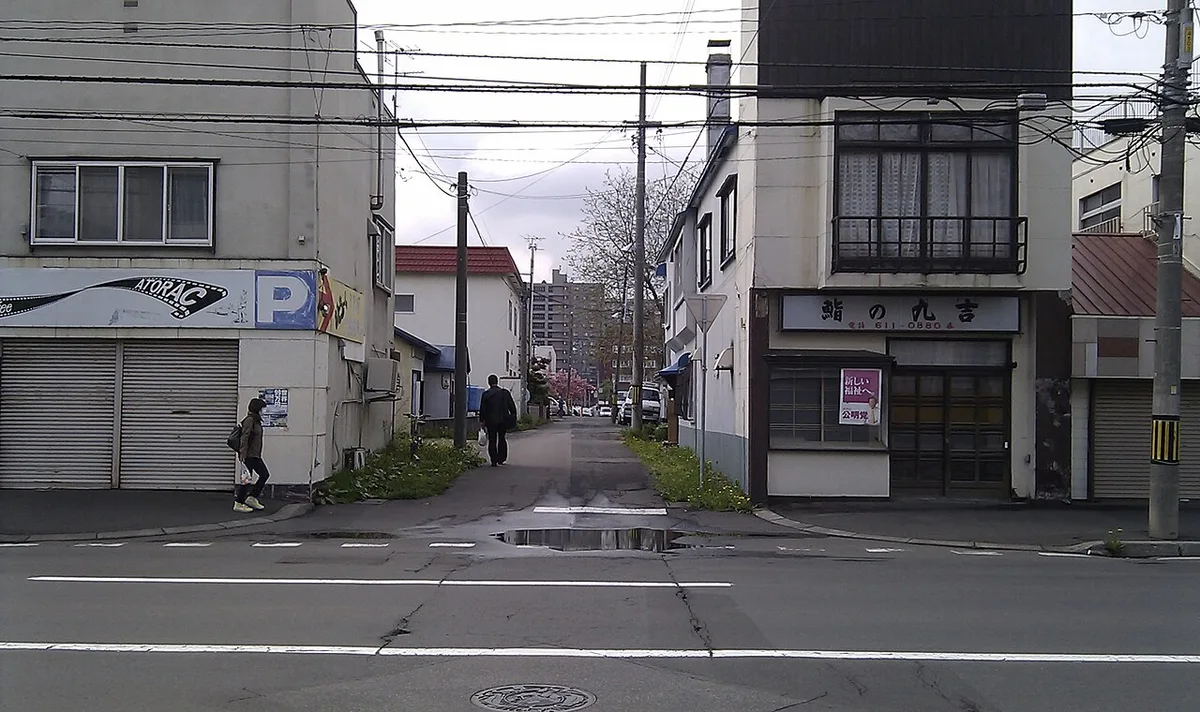
9 Best Sushi Restaurants in Sapporo
These nine restaurants cover the range of the best sushi in Sapporo. Options span Michelin-listed omakase counters to a market stall built for breakfast. They're grouped by budget below, from Michelin-listed luxury rooms to conveyor-belt counters. Prices below are per person for the standard course, and sides, sake, and service charges typically cost extra.
- Sushi Miyakawa — Luxury Omakase in Maruyama
- Chef-led omakase built around umami and natural ingredient flavor, set in Maruyama, Sapporo's high-end residential district.
- The course runs ¥41,500 per person, and the restaurant carries three Michelin stars.
- Book weeks ahead; walk-ins are not realistic at this tier.
- Sushisai Wakichi — Two-Star Precision Omakase
- Chef Tamura's course builds a seasonal narrative from Hokkaido ingredients using understated technique.
- Dinner runs ¥46,000 per person, and Wakichi is one of the few top-tier counters that also opens for lunch.
- The restaurant carries two Michelin stars.
- Sushi Shinonome — Edomae Technique, Hokkaido Ingredients
- Chef Wataru Nakahara applies classic Edomae methods to local Hokkaido catch in Maruyama Koen.
- Details stand out: homemade kombu salt over sea urchin, and shallot tucked into the salmon nigiri.
- The course is priced at ¥31,000 per person.
- Sushi Shota — Premium Maguro Focus
- A Tokyo-trained chef returned to Sapporo to build a menu centered on premium tuna.
- The course extends past standard sushi into dishes closer to full Japanese fine dining.
- Lunch is available, a rarity among Sapporo's top omakase rooms, and dinner is priced at ¥27,000 per person.
- Sushi Tanaka — Quiet Alternative Away From Susukino
- Set apart from the Susukino nightlife district, Tanaka's chef has focused on sushi since his teens.
- He treats sushi as a distinctly Japanese art form rather than just a tasting-menu format.
- The course runs ¥34,000 per person, among the higher end of Sapporo's luxury tier.
- Susukino Sushi Kin — Self-Taught Craft in the Nightlife District
- Chef Yasuaki Matsuhashi skipped formal training, instead studying Tokyo's best sushi bars and reverse-engineering the recipes himself.
- The result is a menu of dishes not found elsewhere in Sapporo, priced at ¥44,000 per person.
- Susukino's location makes this the easiest luxury counter to combine with an evening out.
- Nijo Market Sushi Counters — Fresh Catch for Breakfast
- Counters inside Nijo Market serve the morning's catch directly to stools at the bar, well before the omakase rooms open for dinner.
- Expect a faster, louder room than Susukino's private counters, with pricing far below the luxury tier.
- This is the practical choice for a sushi breakfast or lunch before sightseeing.
- Kaitenzushi (Conveyor-Belt Sushi) — Budget Quality That Rivals Sit-Down Counters
- Hokkaido's conveyor-belt chains, including names like Toriton and Hanamaru, source the same regional catch as the luxury counters at a fraction of the price.
- Casual sushi in Sapporo, kaitenzushi included, typically runs ¥2,000 to ¥5,000 per person, and most locations use a ticketing system at the entrance rather than a visible line.
- Confirm current branch locations and hours before visiting, since chain footprints change.
- Dining Tsukasa and Mare Hachikyo — Mid-Range Omakase-Style Value
- Dining Tsukasa offers an omakase-style course without the ¥40,000-plus price tag of Sapporo's top-tier rooms.
- Mare Hachikyo builds part of its menu around tsukko meshi, a salmon-roe-over-rice specialty, alongside standard nigiri.
- Mid-range sushi in Sapporo generally lands between ¥8,000 and ¥15,000 per person.
Sapporo Sushi Budget Tiers: What You'll Actually Pay
Three price bands cover almost every sushi restaurant in Sapporo. Knowing them before you sit down avoids surprise at a counter with no printed menu. The table below lines up each tier against a real per-person price and a named example from this guide.
Luxury counters at ¥27,000–¥46,000+ demand advance bookings, but walk-in options exist at mid-range venues between ¥8,000 and ¥15,000 and casual kaitenzushi under ¥5,000, accommodating different planning timelines.
| Tier | Price Per Person | Example |
|---|---|---|
| Luxury omakase | ¥27,000–¥46,000+ | Sushi Miyakawa, Sushisai Wakichi, Sushi Tanaka |
| Mid-range | ¥8,000–¥15,000 | Dining Tsukasa, Mare Hachikyo |
| Casual / kaitenzushi | ¥2,000–¥5,000 | Nijo Market counters, conveyor-belt chains |
How to Book a Table at Sapporo's Top Sushi Counters
Luxury omakase in Sapporo runs almost entirely by reservation, and the top rooms often fill weeks or months ahead during peak travel season. Booking channels vary by restaurant, so confirm directly before assuming a seat is available.
- Third-party platforms
- Services like Tableall aggregate availability across several Michelin-listed Sapporo sushi rooms.
- They centralize booking for restaurants that don't take direct online reservations.
- Hotel concierge
- Concierge desks can often secure a seat when direct phone lines are unanswered or Japanese-only.
- This route works well for guests staying at a full-service hotel in Susukino or central Sapporo.
- Walk-ins
- Walk-ins work for kaitenzushi, Nijo Market counters, and Dining Tsukasa's mid-range room.
- They do not work for the reservation-only luxury tier, especially during peak travel weeks.
Sushi Etiquette in Sapporo: Ginger, Soy Sauce, and the Itamae
A few etiquette habits carry across every tier of Sapporo sushi, from Michelin counters to kaitenzushi belts.
- Ginger (gari)
- Ginger resets the palate between pieces.
- It isn't meant to sit on top of the nigiri or mix into the soy sauce dish.
- Soy sauce
- Dip fish-side down in soy sauce, not rice-side down.
- This keeps the grains from falling apart before the piece reaches the mouth.
- Counter pacing
- At counter restaurants, the itamae plates each piece in a recommended order.
- Eating in that order respects the pacing the chef intended.
- Kaitenzushi service
- At kaitenzushi chains, plates are self-served from the belt or ordered by tablet.
- Counter pacing etiquette matters less in this faster, self-directed format.
Susukino vs Maruyama: Where to Base Yourself for Sushi
Susukino is Sapporo's nightlife district, dense with restaurants and bars. It's also home to several of the city's top sushi counters, all within walking distance of each other. Maruyama sits apart as a quieter, residential area, home to Sushi Miyakawa, Sushi Shinonome, Himeshara, and Sushi Sohei. Staying near Susukino suits travelers who want variety and an easy walk between dinner and a nightcap. It suits travelers prioritizing one specific luxury reservation over neighborhood energy. Susukino is also where the city's after-dinner tradition lives, with a shime parfait to close out the night after sushi. For a broader restaurant shortlist beyond sushi, see the Sapporo restaurant guide.
Seasonal Toppings Worth Planning Around
Sushi in Sapporo shifts with Hokkaido's catch calendar, and timing a visit around a specific topping is worth the effort.
Even casual kaitenzushi at ¥2,000 to ¥5,000 per person accesses Hokkaido's peak seasonal catch—uni in summer or shako in spring—sourced through the same short supply lines that feed luxury counters.
- Shako (mantis shrimp)
- Shako peaks in spring, a Hokkaido specialty rarely seen on Tokyo menus.
- Ask whether it's in season before ordering it off-peak.
- Uni (sea urchin)
- Uni is at its richest through summer.
- Several luxury counters build entire courses around it during these months.
- Crab and cold-water seafood
- Crab and other cold-water seafood run through the colder months.
- See the Sapporo Seafood and Crab Guide: Where to Eat, Prices, and Buying Tips for full timing.
- Ask the itamae
- Ask which topping is at its peak that week rather than ordering from memory of a past trip.
- Seasonal peaks shift year to year with the catch.
Mistakes to Avoid When Sushi Hunting in Sapporo
A few habits separate a smooth sushi trip in Sapporo from a frustrating one.
- Assuming walk-ins work for omakase
- The luxury tier in Sapporo is reservation-only, often booked out weeks ahead.
- Showing up without a reservation at this level rarely works.
- Skipping kaitenzushi as a tourist trap
- Hokkaido's conveyor-belt chains source the same regional catch as sit-down counters, just served faster.
- Treating kaitenzushi as a lesser option means missing genuinely good sushi at a lower price.
- Ignoring the ticket system
- Busy kaitenzushi locations without a ticket can mean a long wait.
- Take a number at the entrance rather than joining a visible line.
- Confusing cheap with bad
- Sapporo's ¥2,000 to ¥5,000 casual tier still runs on Hokkaido's local catch.
- It isn't built on the frozen imports common at low-cost sushi elsewhere.
Curb Market (Jogai Ichiba) for a Broader Sushi Breakfast
For a market breakfast with more choice than Nijo Market, head to Jogai Ichiba, also called Sapporo Curb Market. It sits beside the Central Wholesale Market, west of central Sapporo. The area is made up of independent seafood shops and small restaurants rather than one enclosed market hall.
This is a useful stop for travelers who want sushi alongside grilled fish, crab, scallops, or a seafood rice bowl. Many visitors come in the morning, when the market atmosphere is most active. It is less convenient from Susukino than Nijo Market, so allow extra travel time by taxi or local transport.
- Choose Jogai Ichiba for a wider seafood-focused breakfast.
- Choose Nijo Market for a more central stop near Tanukikoji and Odori.
- Check each restaurant's opening day and hours before setting out.
Order what looks best that day rather than chasing a fixed list of toppings. Seasonal Hokkaido seafood is the main reason to make the trip.
Frequently Asked Questions
What's the difference between Edomae and Hokkaido-mae sushi?
Edomae ages fish with salt, vinegar, or light curing before serving. Hokkaido-mae serves the catch with minimal aging, often within a day of landing, which is the style most Sapporo counters lean toward.
How much does omakase cost in Sapporo?
Luxury omakase in Sapporo runs roughly ¥27,000 to ¥46,000 per person for dinner. Mid-range omakase-style courses, like Dining Tsukasa, land between ¥8,000 and ¥15,000 per person.
Do you need a reservation for kaitenzushi in Sapporo?
No, kaitenzushi runs on a ticketing system at the door rather than advance reservations. Arrive outside peak lunch and dinner hours to avoid a long wait for a ticket.
Is Nijo Market sushi as good as Susukino's luxury counters?
Nijo Market sushi serves a different purpose: fast, fresh counter sushi for breakfast or lunch, not a multi-hour omakase course. Pair a market visit with a separate reservation at one of Sapporo's luxury counters for the full range.
Should you stay in Susukino or Maruyama for sushi?
Susukino puts variety and nightlife within walking distance, including several top counters. Maruyama suits travelers with a specific luxury reservation who prioritizes quiet over neighborhood energy.
Are Sapporo's top sushi restaurants child-friendly?
Most luxury omakase counters restrict young children or set a minimum age. Confirm the policy directly when booking, since it varies by restaurant.
Free: The Sapporo Essentials guide
Top things to do, where to stay, a perfect day plan, getting around, and the best time to go — a Sapporo mini-guide you can take offline.
You might also like


Continue reading
More guides you'll find useful


