

Sapporo Seafood and Crab Guide: Where to Eat, Prices, and Buying Tips
A 2026 Sapporo seafood and crab guide to Tarabagani, Kegani, and Zuwaigani: where to eat, current prices, market hours, and buying tips for Hokkaido crab.
On this page
Last updated August 2026, this Sapporo seafood and crab guide covers which crab to order, where to eat it, and what it should cost. Hokkaido's Big Four crabs appear everywhere, from conveyor-belt counters to multi-course kaiseki houses. Prices swing widely, from a market donburi bowl to a whole live king crab. The sections below cover crab species, buffet versus market buying, and the ordering mistakes that catch first-time visitors off guard.
The Sapporo Seafood and Crab Guide to Hokkaido's Big Four Crabs
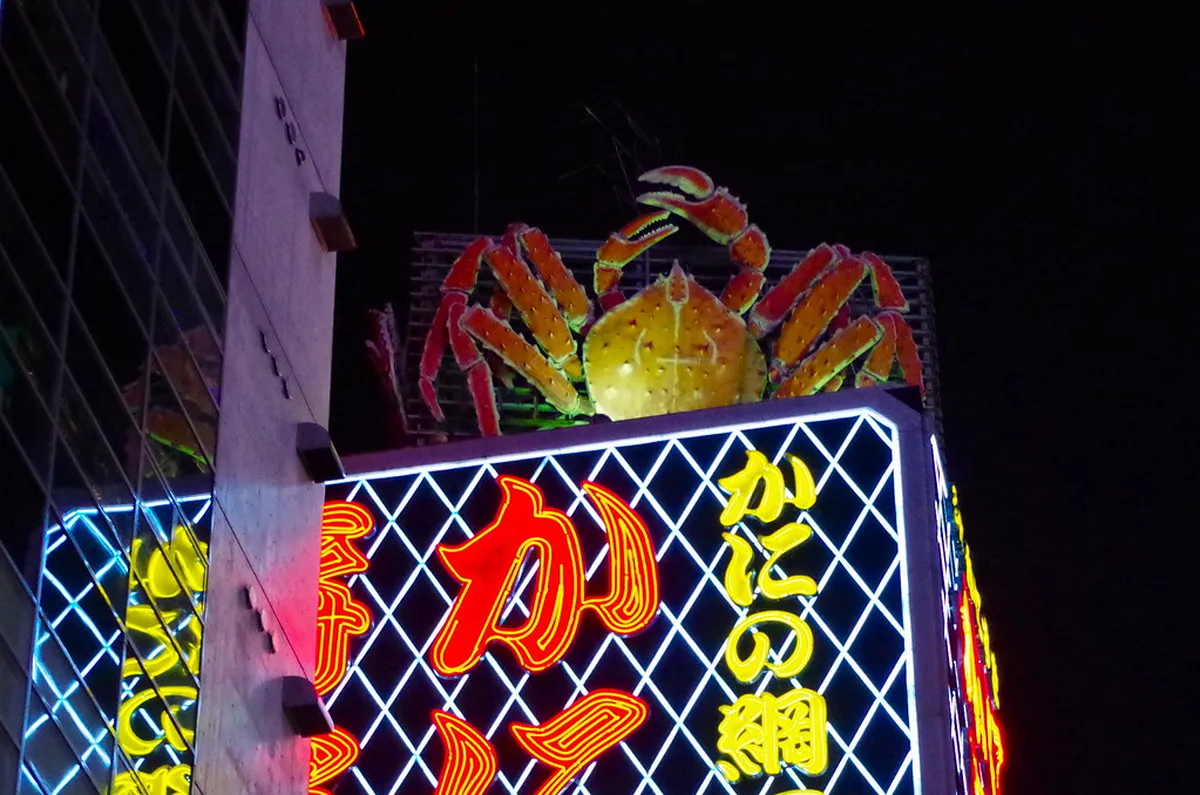
Hokkaido's crab scene centers on four species. Each has a different size, taste, and price point. Red King Crab, or Tarabagani, is the largest and priciest. It's prized for chunky, meaty leg meat, and live supply is limited enough that top vendors usually require a pre-order. Hairy Crab, or Kegani, is the smaller local favorite. It's valued for its miso, the rich paste inside the shell, and its season runs through the winter months along Hokkaido's Pacific coast. Snow Crab, or Zuwaigani, has long, slender legs and a milder sweetness. It shows up most often in hot pots and buffets. Blue King Crab and Hanasaki Crab appear seasonally as lower-cost alternatives, and both show up more at neighborhood markets than at tourist-oriented restaurants. Unlike most of Japan, where crab reads as a winter dish, Hokkaido serves crab year-round, including summer. Ordering a mix of two crabs, rather than committing to one, is a practical way to compare flavors in a single sitting.
| Crab | Typical Size | Signature Trait | Price Guide |
|---|---|---|---|
| Red King Crab (Tarabagani) | 1.5–3.5 kg live (about 3.3–7.7 lb) | Chunky, meaty legs; many frozen clusters are caught and processed in Russia's Kamchatka region before reaching Hokkaido | Frozen clusters around ¥25,000/kg; whole live crab ¥50,000–60,000+ |
| Hairy Crab (Kegani) | 400–800 g (about 0.9–1.8 lb) | Delicate sweetness; prized for its miso, the crab paste used in soups | Whole live crab around ¥18,000–25,000 for roughly 500 g |
| Snow Crab (Zuwaigani) | Sold mainly as leg clusters | Long, slender legs; common in shabu-shabu and buffet spreads | More affordable than King or Hairy crab; priced by the cluster |
| Blue King Crab / Hanasaki Crab | Seasonal availability | A lower-cost alternative species found at markets outside peak King Crab season | Priced per stall; ask the vendor directly |
Where to Eat Crab in Sapporo: Buffets, Kaiseki Houses, and Markets
Sapporo's crab dining splits into four styles. Each suits a different budget and group size. All-you-can-eat buffets pack in the most crab per yen, but run on a strict clock. Kaiseki-style crab houses slow the meal down with multi-course sets. Buffets suit larger groups who want variety without a fixed course. Kaiseki-style dinners suit smaller groups who want a slower, guided meal. A large family or group traveling together often does best at a buffet, where everyone can choose freely. A couple or solo traveler might prefer the focused pacing of a kaiseki set. Markets let you buy crab directly or eat a quick donburi bowl. Conveyor-belt counters offer crab nigiri without a full crab dinner's commitment.
Arriving at markets by 8:00 AM offers donburi bowls at ¥2,500–6,000—a quarter of what buffets charge—and the widest fresh selection before afternoon closures. Market timing turns budget into freshness.
| Style | Example | What to Expect | Price Guide |
|---|---|---|---|
| All-you-can-eat buffet | Seafood Buffet NANDA (near Minami 5-jo Nishi 2-chome, Chuo-ku) | 90-minute seating with king crab, snow crab, hairy crab, and wagyu | From roughly ¥9,000 per person; confirm the current rate before booking |
| Kaiseki crab house | Kani Honke and Kani Shogun | Multi-course set menus in a traditional dining room | Dinner course pricier than the lunch set |
| Market | Nijo Market vs. the Sapporo Central Wholesale Market's Curb Market | Central and tourist-friendly vs. further out with better value | Seafood donburi bowls roughly ¥2,500–6,000 |
| Conveyor-belt sushi | Nemuro Hanamaru, Stellar Place | Crab nigiri and other seafood at a per-plate price | Lower entry cost than a dedicated crab dinner |
- Seafood Buffet NANDA runs 90-minute seatings near Minami 5-jo Nishi 2-chome in Chuo-ku, with king crab, snow crab, hairy crab, and wagyu beef on the menu. Per-person pricing has run from roughly ¥9,000; confirm the current rate before booking, since buffet pricing shifts with crab market costs.
- Kani Honke and Kani Shogun are Sapporo's established kaiseki-style crab specialists. A kaiseki-style crab dinner typically moves through several courses, pairing crab sashimi, grilled crab, and a hot pot before finishing with the shime. Branch locations can change, so confirm the current Sapporo Station and Susukino addresses before you plan a route.
- For a market visit, Nijo Market sits centrally and draws the most tourists. Its counterpart, the Sapporo Central Wholesale Market's Curb Market area, sits further out and tends to offer better value on the same crab. Both markets sell other quick bites worth grazing, beyond crab itself. A Sapporo street food guide covers more stalls to try.
- Nemuro Hanamaru, inside Stellar Place, serves crab nigiri on a conveyor belt at a lower entry price than a dedicated crab dinner. A dedicated Sapporo kaitenzushi guide covers other conveyor-belt picks.
- Crab donburi bowls piled with salmon roe or sea urchin typically run ¥2,500–6,000, a fraction of a whole live crab. For a broader sense of Sapporo's food scene beyond crab, see the Sapporo famous food guide. A best restaurants in Sapporo roundup covers sit-down options citywide.
Reservations, Timing, and Market Hours
Popular crab houses and buffets book out fast, especially during peak travel weeks. Lock in a table as soon as travel dates are set. Weekend and holiday reservations fill first, so weekday visits offer more flexibility for walk-ins at markets and mid-tier restaurants. Markets, by contrast, run on an early clock, so timing your visit matters just as much as booking ahead.
- Reserve weeks ahead for Kani Honke, Kani Shogun, and Seafood Buffet NANDA during busy travel periods.
- Book a lunch set instead of dinner. Lunch menus at kaiseki crab houses like Kani Honke can run 30-50% cheaper for a similar course.
- Arrive by mid-morning. Market activity peaks around 8:00 AM, and many stalls close by 2:00 PM.
- Budget for a seasonal spike. Crab prices typically rise around 30% during Japan's New Year holiday period.
Buying Crab to Take Home or Ship
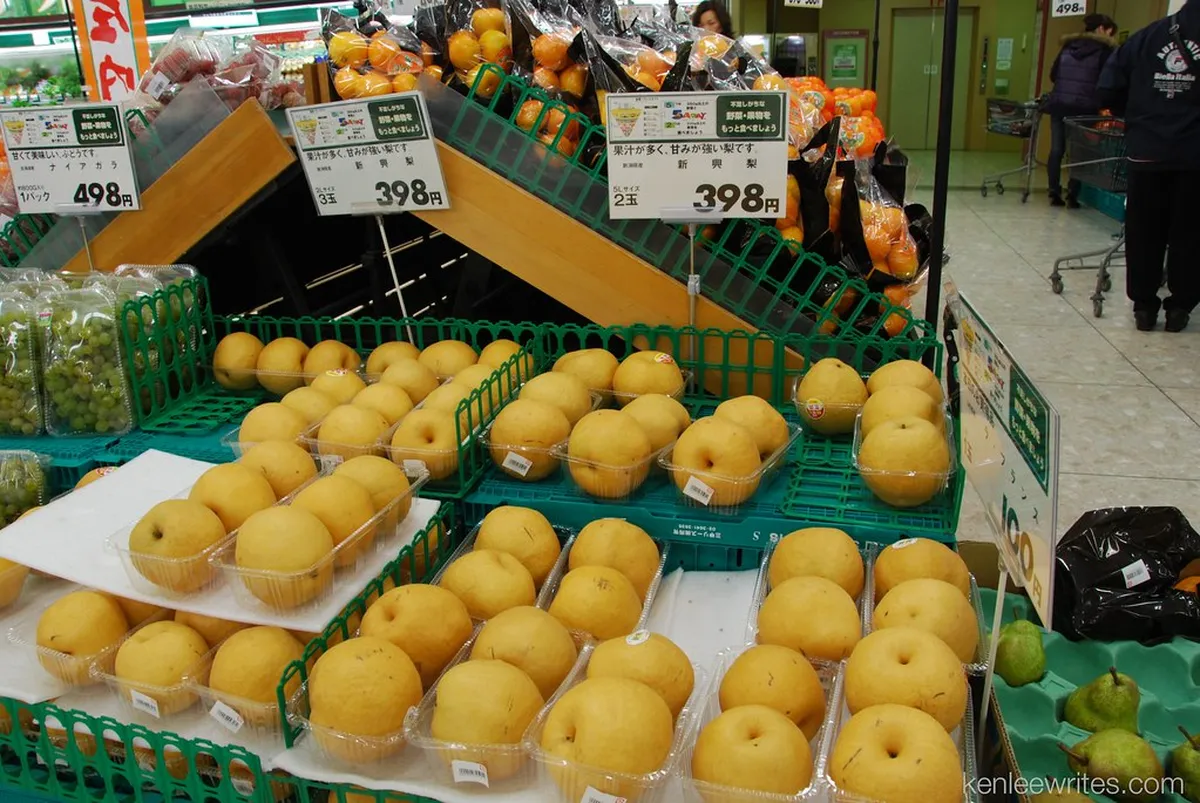
Buying crab to take home involves different decisions than ordering a plate. Frozen leg clusters sold at airports and supermarkets typically need about 5 hours to thaw before eating. Frozen crab that's been thawed and boiled inconsistently can taste washed out compared with fresh. A whole live crab is the fresher option, but it requires advance ordering and same-day pickup. Two simple checks help separate a good crab from a disappointing one at the counter.
- Weight: a heavier crab for its size usually means juicier meat.
- Shell firmness: press a leg gently. A firm shell beats a soft one.
- Supermarkets in Kutchan and in residential Sapporo neighborhoods stock frozen King Crab clusters for around ¥25,000 per kilogram, unthawed and uncut, per late-2025 pricing.
- Ask about origin and catch date at the counter. A vendor willing to answer specifics is usually a good sign.
- Compare a few stalls before buying, since pricing and quality can vary even within the same market.
- Confirm shipping details directly. Packing methods and customs rules for bringing seafood into another country change often, so ask the vendor before ordering.
Common Mistakes to Avoid When Ordering Crab
A few avoidable mistakes account for most disappointing crab meals in Sapporo. Most come down to unclear pricing, mismatched expectations, or skipping a step that's part of the tradition.
Frozen King Crab clusters priced at ¥25,000 per kilogram often come from Russia's Kamchatka region, not local waters. Asking the vendor about origin becomes especially important when paying premium prices for what sounds like a Hokkaido product.
- Watch the origin label. Much of Hokkaido's Red King Crab is actually caught and frozen in Russia's Kamchatka region. Norwegian or Alaskan crab sometimes gets marketed as generic 'Hokkaido crab,' so ask the vendor directly if origin matters to you.
- Don't over-order pre-cut legs at market stalls. The per-piece markup on cut crab runs higher than buying a whole crab when that option is available.
- Order only what will be eaten fresh. Crab doesn't reheat well, so portion control at a market stall avoids waste.
- Don't skip the shime. After a crab hot pot, ask for the finishing course, a porridge often made from the leftover broth. The Sapporo shime and dessert tradition extends to sweet parfaits too.
- Not everyone in a group wants crab, and Sapporo has other signature dishes close by. Sapporo jingisukan serves grilled lamb as a hearty alternative. Sapporo's miso ramen shops offer a lower-cost dinner option. Sapporo soup curry is another local specialty worth a stop.
- For vegetarian or vegan diners, a guide to vegetarian and vegan dining in Sapporo lists options crab houses don't typically cover. Each of these alternatives sits at a lower price point than a dedicated crab dinner, which helps balance a group's overall food budget. Pair a crab dinner with an earlier stop at a taproom. The Sapporo brewery dining guide covers hours and food pairings.
Coastal Seafood Trips Beyond Sapporo: Otaru and Yoichi
When Sapporo's crab houses are fully booked, or the city feels too crowded, Otaru and Yoichi make workable day trips. Both towns lean on their own fishing ports for fresh catch. Otaru sits close enough to Sapporo for a half-day or full-day trip, and its own port supplies restaurants and market stalls. Yoichi offers a smaller-town alternative with its own seafood specialties. Coastal seafood in Otaru and Yoichi tends to draw fewer crowds than Sapporo's best-known crab houses, which can mean shorter waits for a table. Neither town replaces Sapporo's crab houses, but both work well when reservations in the city are full. Sapporo's official tourism guide flags day trips from the city as a way to extend a seafood-focused visit. Round out the day with nearby sights covered in the Sapporo attractions guide.
Frequently Asked Questions
What crab should you try first in Sapporo?
Hairy Crab (Kegani) is a good starting point for a first visit. It's a moderately priced, distinctly local option, and its miso adds a flavor other crabs don't have. Red King Crab (Tarabagani) suits diners who want the largest, meatiest legs and are ready to pay a premium. Snow Crab (Zuwaigani) works well for a buffet or hot pot instead of a dedicated crab dinner.
How much does a crab meal cost in Sapporo?
Costs vary by format. Market seafood donburi bowls typically run ¥2,500–6,000. An all-you-can-eat buffet like Seafood Buffet NANDA has priced around ¥9,000 and up per person for a 90-minute seating. Confirm the current rate before booking. A whole live crab to take home starts around ¥18,000–25,000 for a 500-gram Hairy Crab and climbs toward ¥50,000 or more for a large King Crab.
Do you need a reservation for crab restaurants in Sapporo?
Yes, for the popular spots. Kani Honke, Kani Shogun, and Seafood Buffet NANDA can book out weeks in advance during busy travel periods. Walk-ins are more realistic at markets and conveyor-belt counters like Nemuro Hanamaru.
Is Nijo Market or the Sapporo Central Wholesale Market better for buying crab?
Nijo Market is the more central, convenient choice for a shorter visit. The Sapporo Central Wholesale Market's Curb Market area sits further from downtown. It tends to offer better value on the same crab. Choose based on how much time is available, not just price.
What time should you visit the market for the best crab selection?
Go early. Market activity peaks around 8:00 AM, and many stalls close by 2:00 PM. The freshest, widest selection disappears by early afternoon.
Can you ship crab home from Sapporo?
Many market vendors and restaurants can pack crab for takeaway, and some can arrange shipping. Availability, packing methods, and customs rules for bringing seafood into another country change often. Confirm the current process directly with the vendor or restaurant before ordering.
Is there a best season to eat crab in Sapporo?
Crab is available in Hokkaido year-round, unlike most of Japan, where it's treated as a winter dish. Hairy Crab season runs through the winter months along the Pacific coast, when the local catch peaks. Crab prices also tend to rise about 30% during Japan's New Year holiday period.
What's the difference between a crab buffet and a kaiseki crab dinner?
A buffet like Seafood Buffet NANDA prioritizes volume and variety within a fixed 90-minute window. A kaiseki dinner at Kani Honke or Kani Shogun prioritizes course structure and pacing over volume. Choose a buffet for a larger group that wants to sample everything, and a kaiseki dinner for a smaller group that wants a slower meal.
What should you wear or bring to an all-you-can-eat crab buffet?
Loose, comfortable clothing works well given the pace of a 90-minute seating. Bring cash as backup, since not every stall or small restaurant accepts cards. Confirm accepted payment methods when booking, since policies vary by restaurant.
Free: The Sapporo Essentials guide
Top things to do, where to stay, a perfect day plan, getting around, and the best time to go — a Sapporo mini-guide you can take offline.
You might also like


Continue reading
More guides you'll find useful


