
5 Best Tebasaki in Nagoya: Furaibo vs Sekai no Yamachan Guide
Compare Nagoya's best tebasaki: Furaibo vs Sekai no Yamachan, top wing spots in Sakae and Meieki, plus ordering tips and eating technique for 2026.
On this page
Last updated August 2026, this guide narrows down the best tebasaki in Nagoya to two rival chains and a handful of independent izakayas worth a detour. Furaibo popularized the sweet, sesame-glazed wing that helped define Nagoya's local food scene, and Sekai no Yamachan later built a spicier, pepper-heavy rival near Sakae and Nagoya Station. This guide also covers ordering, eating technique, and etiquette so a plate of wings doesn't end in a pile of dropped bones.
Why Tebasaki Is Nagoya's Signature Bar Snack
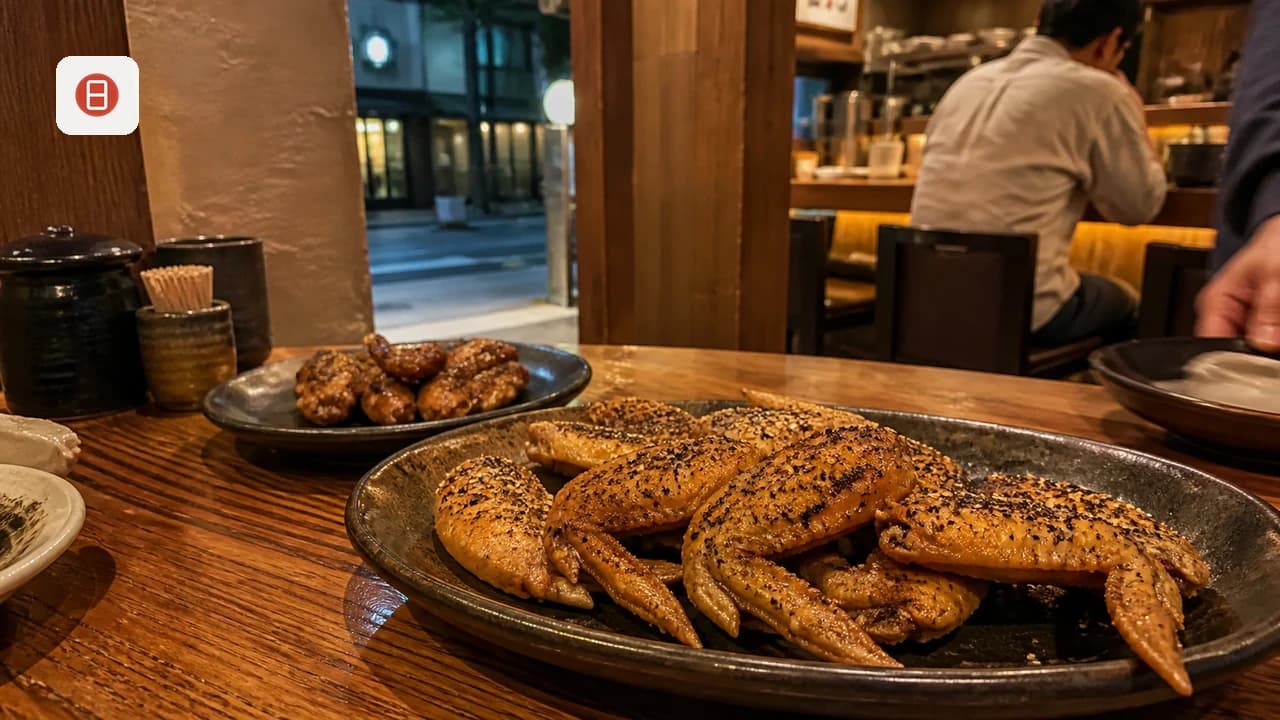
Tebasaki simply means chicken wing, and in Nagoya the word points to one specific dish: a double-fried wing finished in a glaze or pepper coating. Furaibo is widely credited as the restaurant that popularized the style. The dish has since joined the set of dishes locals group under the umbrella term Nagoya Meshi, the city's signature local specialties. Sekai no Yamachan arrived later as a spicier rival, and the competition between the two chains is now part of the draw for visitors comparing styles in one trip. Both styles now sit alongside other Nagoya Meshi staples on most local food itineraries, including kishimen noodles. The dish remains a common order at izakayas across the city today, well beyond the two flagship chains.
Furaibo vs Sekai no Yamachan: How Nagoya's Rival Wing Styles Compare
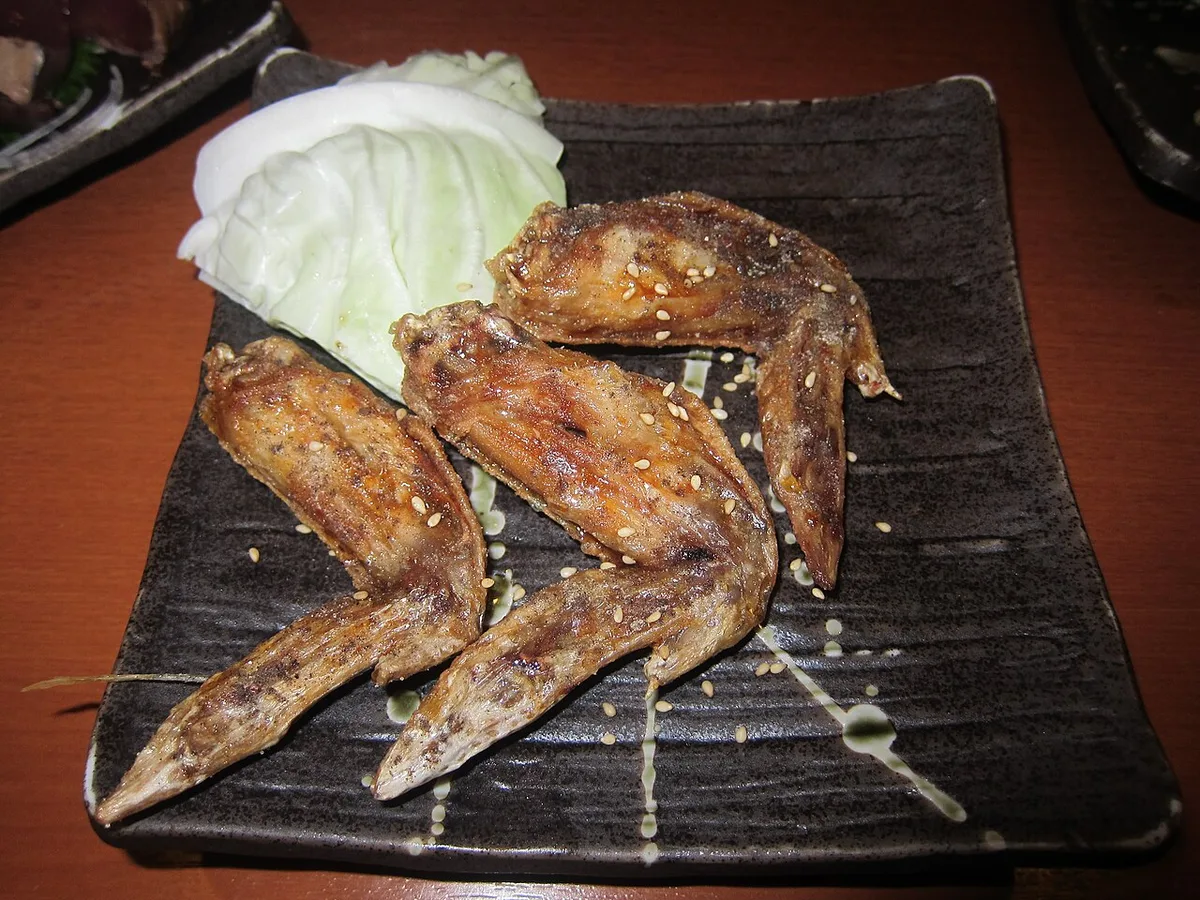
Furaibo's wings are double-fried, then finished in a savory-sweet glaze heavy on sesame, giving a smaller, crisper bite than its rival. Sekai no Yamachan built its business on a spicier answer, marketed as Maboroshi no Tebasaki, or Phantom Wings, coated heavily in black pepper. Portions run larger than Furaibo's, and the chain's Bird Man mascot marks its branches, which tend toward a louder, more tourist-friendly dining room. Pick Furaibo for flavor depth over heat, and pick Sekai no Yamachan if a peppery, spicier plate suits a late-night group better. Diners who prioritize a silky, savory-sweet richness tend to prefer Furaibo, while diners chasing a sinus-clearing pepper hit tend to prefer Sekai no Yamachan. Furaibo pairs naturally with a lighter Kirin lager, while the heavier pepper in Sekai no Yamachan's wings holds up well against a fuller Asahi Super Dry. Neither style resembles a wet buffalo sauce, so expect a drier, glazed or peppery bite either way. Both chains also serve non-wing menu items, including rice bowls and other fried sides, if a table wants to balance the meal. Both chains also show up on roundups of Nagoya's best restaurants, alongside other established kitchens in the city.
| Style | Flavor profile | Spice level | Atmosphere | Best for |
|---|---|---|---|---|
| Furaibo | Savory-sweet, sesame-forward glaze | Mild to medium | Traditional izakaya seating | Diners who want flavor depth over heat |
| Sekai no Yamachan | Maboroshi no Tebasaki, heavy black pepper | Medium to hot, adjustable on request | Energetic rooms, Bird Man branding | Spice lovers and late-night groups |
5 Best Tebasaki Spots in Nagoya
This list ranks the five most useful stops for tebasaki in Nagoya, from the two big chains to quieter neighborhood options. Each entry notes what the spot does best, so a short crawl can hit more than one style in a single evening. Sakae carries the heaviest concentration of tebasaki izakayas, while Meieki near Nagoya Station suits a faster stop. Names, hours, and menus for independents in particular can change, so confirm current details before heading out.
- Furaibo — The Original Nagoya-Style Wing
- Double-fried and finished in a sesame-soy glaze, this is the wing most often credited with starting Nagoya's tebasaki tradition.
- Branches operate across Nagoya and greater Aichi, including a location near JR Owari-Ichinomiya Station that draws visitors specifically for the wings.
- Order it alongside other Nagoya Meshi specialties on the same menu, such as miso kushi katsu or a tako salad.
- Sekai no Yamachan — The Peppery Challenger
- The signature Maboroshi no Tebasaki carries a heavier black-pepper coating and more built-in heat than Furaibo's glaze.
- Portions run larger, and the branded Bird Man mascot marks locations that lean energetic and tourist-friendly, useful for a first-timer's introduction to Nagoya Nightlife Guide 2026: Best Bars, Clubs & Izakayas.
- If the pepper feels too intense, ask staff for a lighter coating; portions are shareable, so a mixed-tolerance table can split one plate.
- Sakae District Wing Row — Best for Bar-Hopping
- Sakae holds one of the densest clusters of tebasaki izakayas in Nagoya, with branches of both major chains within walking distance of each other.
- That density makes it simple to compare Furaibo and Sekai no Yamachan back to back on one night out.
- Expect a modest otoshi, a table charge added automatically at most izakayas, set separately by each restaurant.
- Nagoya Station (Meieki) Branches — Best for Convenience
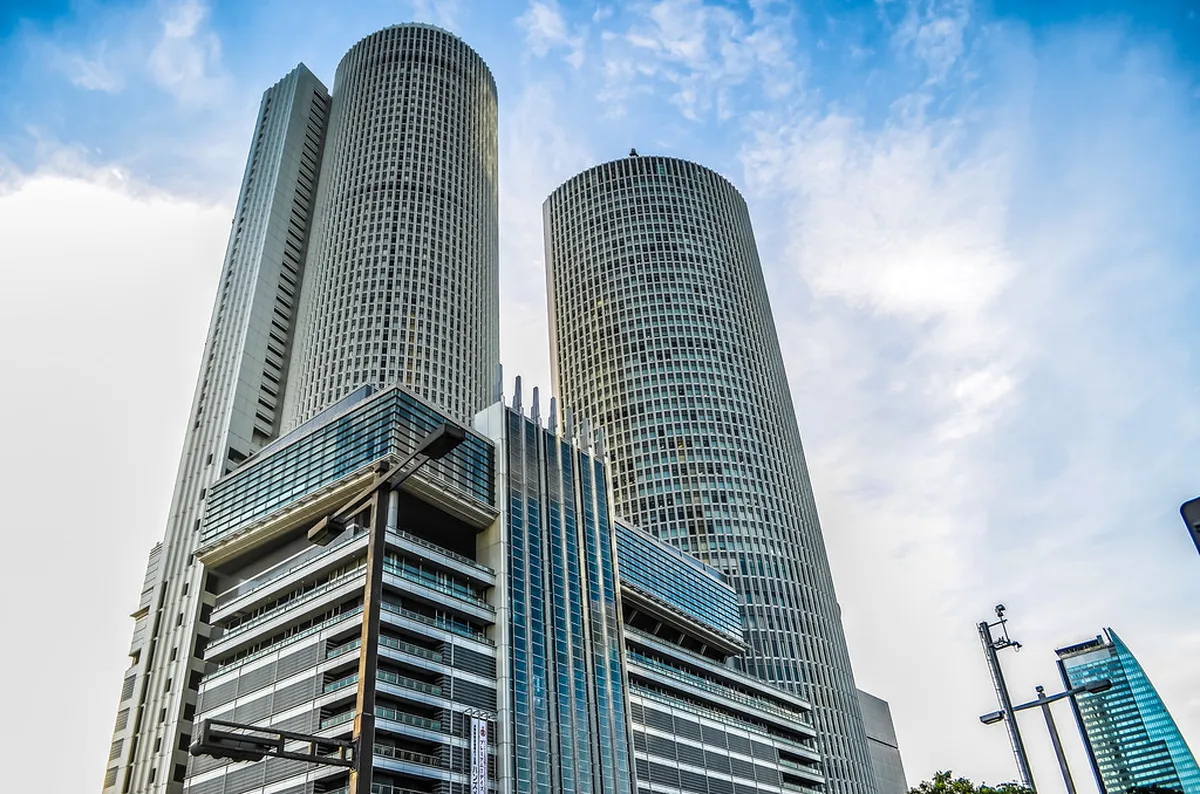
- The Meieki area around Nagoya Station carries its own concentration of tebasaki chains, useful for a last meal before a train or a first stop after arrival.
- Both major chains keep locations here, so a tight schedule does not force a detour into Sakae to try either style.
- Several 20 Best Nagoya Attractions sit close enough to pair a wing dinner with an afternoon of sightseeing beforehand.
- Independent Neighborhood Izakayas — Best for a Slower, Quieter Plate
- Small, independently run izakayas across Nagoya serve their own versions of the wing, sometimes glazed more slowly than at either chain.
- These spots typically keep shorter hours and fewer seats than the chains, and listings change often, so confirm current hours before visiting.
- They fit naturally into a broader Nagoya izakaya crawl, since many share the same drinking districts as bars pouring local sake and shochu.
How to Eat Tebasaki Like a Local
Nagoya tebasaki resist a clean bite, and most first-timers try a few failed methods before finding one that works. Biting the meat off in one go rarely works cleanly, and simply breaking the wing at the joint leaves meat still stuck to the bone. Twisting the bone out first is also awkward, which is why the fourth method, biting in and pulling the bone through with the teeth, is the one worth practicing. Most tables get a small bucket or tray for bones, and used bones belong there rather than on the shared plate. A wet towel usually arrives before the food, useful once the peppery styles leave fingers coated in seasoning.
- Break at the joint
- Bend the wing where it naturally hinges until it separates into two pieces, exposing more bone and meat to work with.
- Anchor with your teeth
- Bite one exposed bone end and hold it steady between the front teeth before pulling.
- Pull the bone clean
- Slide the bone out in one motion while the teeth strip meat and skin off in a single pass, leaving a bare bone.
- Clear the tray and repeat
- Set the cleaned bone in the tray or bucket most tables provide, then move to the next wing.
Ordering, Portions, and Takeaway
Wings are usually ordered by multi-piece portions meant for sharing, not as a single-serving snack for one person. Ask staff about the standard portion size when ordering, since counts and pricing differ from chain to chain and branch to branch. Ordering two or three portions across a table of four is a common starting point before deciding whether to order more. Some branches offer takeaway packs so travelers can bring a batch back to a hotel room instead of eating in. Takeaway is not offered everywhere, so confirm with staff at that specific branch before planning around it. Many branches also stay open well into the night, which makes tebasaki a common second stop after other restaurants close. Confirm exact closing times on the branch's own listing, since hours vary by location and by day of the week.
Planning a Tebasaki Crawl: Where, When, and What It Costs
Sakae works best for comparing styles back to back, while Meieki suits a single quick stop near the station. Tebasaki work well as a second-stop snack after a bowl of Nagoya Taiwan ramen, or as the centerpiece of a full dinner paired with Asahi or Kirin draft beer. Tebasaki are priced as a shareable izakaya snack, in the same bracket as karaage or edamame, and less costly than a full hitsumabushi eel set. Exact per-serving prices vary by chain and branch, so check the current menu board or the restaurant's official site before ordering. Budget separately for the otoshi table charge most izakayas add automatically, and note that smoking policy differs by branch, so ask staff if a smoke-free table matters. Round out the night with other Nagoya street food stops if the crawl continues past the first izakaya. Reservations rarely matter for a quick wing stop, though larger groups heading to a chain branch on a weekend night may want to call ahead. Late arrivals rarely face a long wait outside peak weekend hours.
The 5 recommended spots combine both flagship chains with independent izakayas, so visitors can choose established brand experiences against slower neighborhood alternatives depending on whether a night emphasizes convenience or immersion.
| Area | Known for | Best timing |
|---|---|---|
| Sakae | Dense cluster of both major chains within walking distance | Bar-hopping between two or more wing stops in one night |
| Meieki (Nagoya Station) | Convenient branches near the station | A quick meal before or after a train |
Mistakes to Avoid With Nagoya Tebasaki
A few assumptions trip up first-time visitors more than the food itself. Most of these are easy to plan around once you know what to expect.
- Expecting Buffalo-style wings
- Nagoya tebasaki are dry-glazed and double-fried, not tossed in a wet sauce, so they eat drier and crisper than the American version.
- Order a plate expecting a glaze or pepper coating, not a dip-style sauce on the side.
- Skipping a balancing side
- Both the sesame glaze and the pepper coating run salty, so a cabbage side helps break up the richness.
- A plate of Nagoya miso katsu works the same way if the table wants something heartier.
- Ignoring the otoshi and smoking policy
- Most izakayas add a small table charge automatically once seated, and the amount is not always posted on the main menu.
- Smoking rules differ by branch, so ask staff directly if a smoke-free table matters.
- Assuming every branch is identical
- Menus, hours, and seating vary by branch even within the same chain, so a location that's full or closed doesn't rule out a nearby branch.
- Search for the closest branch rather than the first one that comes to mind.
A Named Independent Option: Teba no Yamasuke
For a more local alternative to the two major chains, look for Teba no Yamasuke. This Nagoya izakaya is known for tebasaki alongside a wider menu of drinking dishes, making it a better choice when your group wants more than wings.
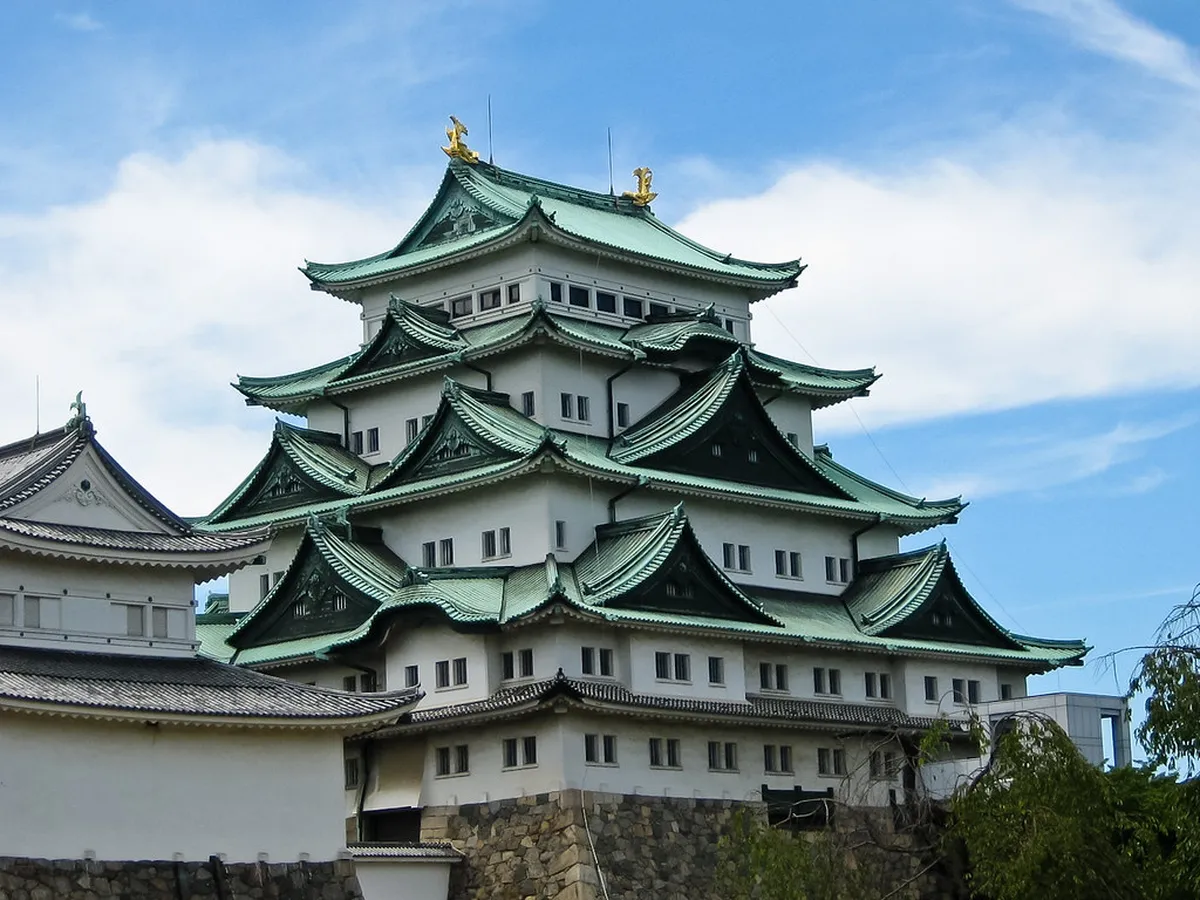
Its appeal is the slower izakaya experience. Order wings first, then add a few shared dishes and drinks instead of treating the stop as a quick chain comparison. It suits travelers who have already tried Furaibo or Sekai no Yamachan and want a less standardized evening.
Independent restaurants can change their menus, hours, and reservation rules more often than the big chains. Check the current listing before setting out, especially on Sundays and public holidays. A reservation is sensible for dinner, since smaller izakayas may have limited counter and table seating.
- Best for: a relaxed dinner with several shared dishes
- Order strategy: tebasaki first, then add sides for the table
- Planning tip: confirm the branch, hours, and smoking policy before visiting
Frequently Asked Questions
What's the difference between Furaibo and Sekai no Yamachan tebasaki?
Furaibo's wings are double-fried and finished in a savory-sweet sesame glaze, while Sekai no Yamachan's Maboroshi no Tebasaki carries a heavier black-pepper coating with more built-in heat. Pick Furaibo for balance and Sekai no Yamachan for spice.
How do you eat tebasaki without making a mess?
Break the wing at the joint first, then anchor one exposed bone end between the front teeth and pull steadily so the meat strips off in one motion. Set the cleaned bone in the tray or bucket most tables provide.
Is there a table charge at Nagoya tebasaki izakayas?
Most chains and independents add an otoshi, a small starter charge, automatically once a table sits down. The exact amount is set by each restaurant, so check the menu or ask staff if it matters to the budget.
Where are the best tebasaki clusters in Nagoya?
Sakae has the densest concentration of both major chains within walking distance of each other. The Meieki area around Nagoya Station is more convenient for a quick meal before or after a train.
Can you order a milder version at Sekai no Yamachan?
Ask staff for a lighter pepper coating when ordering, since the standard version runs spicier than Furaibo's glaze. Portions are shareable, so a mixed-tolerance table can also just split one plate.
How much does tebasaki cost in Nagoya?
Tebasaki are priced as a shareable izakaya snack, similar to karaage or edamame, and cheaper than a full hitsumabushi eel set. Exact per-serving prices vary by chain and branch, so check the current menu board before ordering.
Can you get tebasaki to take away?
Some branches offer takeaway packs for travelers who want to bring wings back to a hotel room. Takeaway is not offered everywhere, so confirm with staff at that specific branch first.
Do you need a reservation for tebasaki in Nagoya?
Reservations rarely matter for a quick wing stop at either chain. Larger groups heading to a branch on a weekend night may still want to call ahead, since seating fills up faster then.
What should first-time visitors order alongside tebasaki?
A cabbage side or a plate of miso katsu helps balance the salt in the glaze or pepper coating. A cold Asahi or Kirin draft is the standard pairing at most tebasaki izakayas.
Free: The Nagoya Essentials guide
Top things to do, where to stay, a perfect day plan, getting around, and the best time to go — a Nagoya mini-guide you can take offline.
You might also like

Continue reading
More guides you'll find useful


