

6 Best Izakaya in Nagoya: From Budget Yakitori to High-End Dining
Find the best izakaya in Nagoya for 2026: six picks across Sakae, Meieki, and Kanayama, plus otoshi costs, smoking rules, and last-train tips.
On this page
Last updated August 2026, this guide narrows down the best izakaya in Nagoya by neighborhood, price, and specialty rather than a generic city-wide list. Nagoya's izakaya culture centers on Nagoya Meshi pairings, so tebasaki wings and miso-based dishes show up on nearly every menu. Use the picks below to match a neighborhood and budget before heading out for the night.
Choosing a Nagoya Izakaya Neighborhood: Meieki, Sakae, or Kanayama
Meieki, the area around Nagoya Station, works best for business travelers who want an izakaya within walking distance of a hotel. Sakae and the neighboring Nishiki blocks form the core of Nagoya's nightlife, with the widest range of izakaya styles packed into a compact area. Kanayama sits apart as the more local option, with lower prices and fewer visitors than Sakae on a typical weeknight. An early izakaya dinner in Meieki can follow time at the 20 Best Nagoya Attractions nearby, since the two sit close together. Pick a neighborhood first, then match it to the vibe from the list below rather than the other way around.

| Neighborhood | Best For | Getting There |
|---|---|---|
| Meieki (Nagoya Station area) | Business travelers, upscale picks, fastest access to JR and Meitetsu lines | Steps from Nagoya Station |
| Sakae / Nishiki | The largest concentration of izakaya, good for hopping between spots | A short subway ride from Nagoya Station |
| Kanayama | Lower average prices, a quieter local crowd | A few stops from Nagoya Station by train |
6 Best Izakaya in Nagoya
These six picks cover Nagoya's main izakaya categories: Nagoya Meshi specialists, traditional counter-style spots, budget yakitori, and reservation-only fine dining. Each entry below notes the neighborhood, the vibe, and what to order first.
| Pick | Neighborhood | Vibe | Price Level | Signature Dish |
|---|---|---|---|---|
| Sekai no Yamachan | Sakae / Nagoya Station | Loud, casual | Budget to mid-range | Spicy tebasaki |
| Futarayamura | Varies by branch | Casual | Budget to mid-range | Sweet-glaze tebasaki |
| Yokocho counters (Nishiki) | Nishiki | Traditional, counter-style | Budget | Grilled skewers |
| Kanayama yakitori | Kanayama | Local, low-key | Budget | Negima skewers |
| Reservation-only izakaya | Varies | Refined, quiet | Mid-range to high | Curated sake pairings |
| Esca basement izakaya | Nagoya Station (Meieki) | Convenient, transit-focused | Budget to mid-range | Varies by shop |
- Sekai no Yamachan for Spicy Tebasaki
- This chain is one of Nagoya's two rival tebasaki styles, known for a peppery, spice-forward wing.
- Branches operate in Sakae and near Nagoya Station, though exact locations shift, so confirm the current address before heading out.
- For background on the dish itself, see the tebasaki chicken wings guide.
- Futarayamura for Sweet-Style Tebasaki
- This is the counterpoint to Yamachan, using a sweeter glaze instead of straight pepper heat.
- Many first-time visitors order a half-and-half plate to compare both styles in one sitting.
- Treat listed hours as a starting point and confirm them on arrival, since izakaya hours in Nagoya shift seasonally.
- Yokocho-Style Counters in Nishiki
- Nishiki's narrow lanes hold small counter izakaya where kaunta-seki seating suits solo diners well.
- English menus are inconsistent here, so a translation app works better than assuming picture menus.
- Expect grilled skewers and small plates rather than a full dinner menu, with a traditional counter setup throughout.
- Budget Yakitori Around Kanayama
- Kanayama is the district for cheaper, no-frills negima (scallion chicken skewers) and cold draft beer.
- Prices run lower than Sakae, and the crowd skews local rather than tourist-heavy.
- For more street-level eating options nearby, the street food guide covers stalls beyond the izakaya scene.
- Reservation-Only High-End Izakaya
- A smaller tier of Nagoya izakaya focuses on premium ingredients and curated sake lists rather than a stand-and-drink counter.
- Reservation platforms list a Nagoya izakaya category, but availability changes often, so treat any listing as a starting point rather than a guarantee.
- See the 17 Best Restaurants and Food Experiences in Nagoya 2026 roundup for this tier alongside non-izakaya fine dining.
- Basement Izakaya at Esca Near Nagoya Station
- Esca, an underground dining mall, connects directly to Nagoya Station and works well for a meal right before a train.
- Exit signage changes with station renovations, so confirm the current route on-site rather than relying on an old map.
- This is the most convenient pick for anyone staying in a Meieki hotel who wants to skip a taxi.
Authentic and Cramped vs. Modern and Comfortable: The Izakaya Trade-off
Nagoya's izakaya scene splits along an authenticity-versus-comfort line more than a price line alone. Smoke-filled yakitori stalls and yokocho-style counters tend to be cheaper and more atmospheric, but seating is tight and ventilation is often limited. Modern, larger izakaya trade some of that atmosphere for cleaner seating, clearer menus, and more consistent English support. Budget picks from the list above generally fall into the lower cost band described later in this guide, while modern, larger izakaya more often land in the mid-range band. Neither option is objectively better; the trade-off comes down to how much cramped, smoke-heavy seating feels tolerable for a more local experience.
Modern, larger izakaya land in the mid-range tier at ¥5,000–¥8,000 and offer cleaner seating with clearer menus. The premium over budget spots pays for accessibility and consistent English support rather than the local, smoke-filled atmosphere of traditional counter venues.
What to Order: The Nagoya Meshi Izakaya Checklist
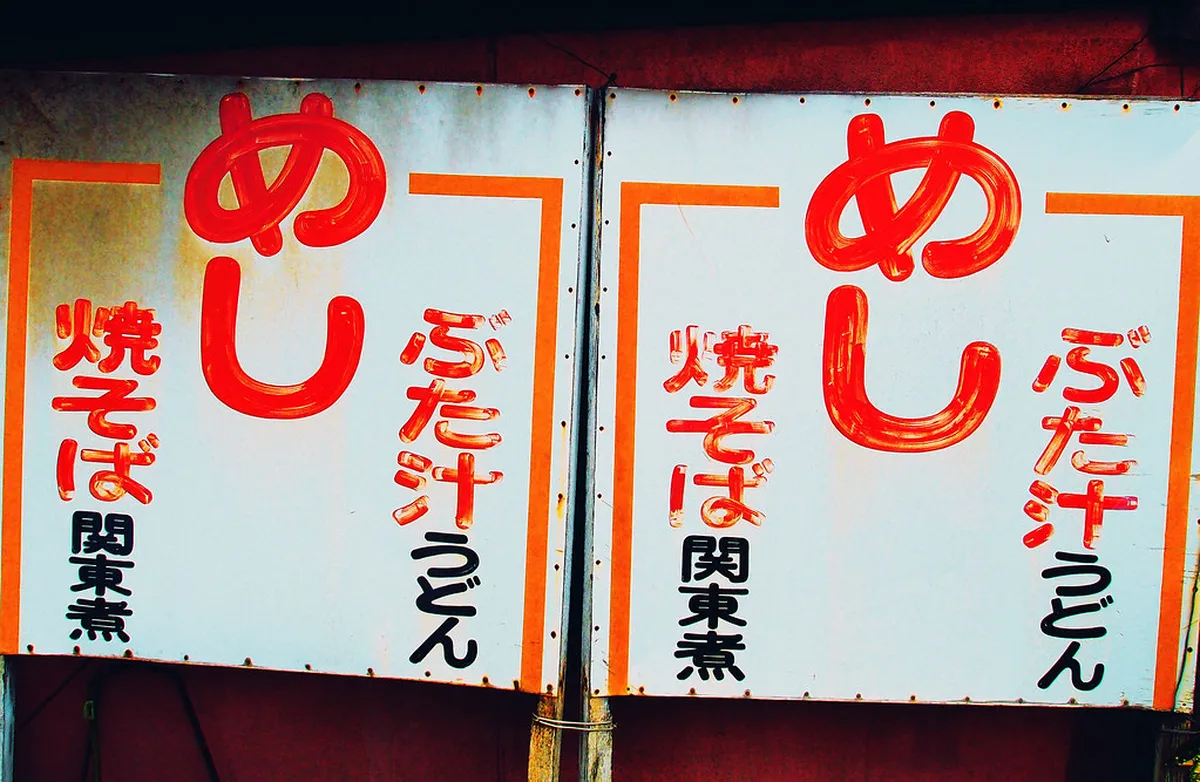
Nagoya izakaya menus lean on Nagoya Meshi, the city's specific set of local dishes, more than the standard small plates found in Tokyo or Osaka. Tebasaki wings anchor most menus, and miso-based dishes are common alongside them. For the full regional lineup, see the Nagoya Meshi dishes guide. River eel, served as hitsumabushi, appears less often on izakaya menus but pairs well with the same sake list. See the hitsumabushi eel guide for the dish on its own terms. Pair any of the dishes below with a regional sake from Aichi Prefecture instead of defaulting to beer for at least one round.
- Tebasaki (Chicken Wings)
- The city's signature bar snack, sold either spicy-style or sweet-style depending on the shop.
- Order it as a shared plate, since portions are sized for the table, not one diner.
- Doteni (Miso-Simmered Offal)
- A slow-simmered miso stew, listed on menus as either doteni or dote-yaki depending on the shop.
- Pairs well with a second round of sake rather than beer, since the miso flavor is heavy.
- Miso Katsu Skewers
- A kushiage, or skewered and fried, version of Nagoya's miso katsu shows up on many izakaya menus in a smaller, shareable format.
- A dedicated miso katsu guide covers the full sit-down version for anyone who wants more than the skewer.
- Aichi Prefecture Sake
- Regional sake from Aichi Prefecture is worth requesting by name instead of a generic house pour.
- Staff at counter-style izakaya can usually recommend a bottle once asked, even without an English sake list.
- Local Draft Beer and Highballs
- Cold draft beer is the default order at most counters, especially the budget yakitori spots.
- Highballs work as a lighter alternative for diners who want something less filling through a long night of ordering.
Otoshi Charges and What a Night Out Costs
Most Nagoya izakaya add an otoshi, a small appetizer served automatically at the start of the meal, with the charge added to the final bill whether it was ordered or not. This is standard practice across Japan, not a policy specific to one restaurant, so budget for it rather than disputing it at the counter. A typical night lands in one of two cost bands depending on the venue type. See the 21 Best Dishes and Travel Tips for Nagoya (2026) for pricing across Nagoya dining overall, not just izakaya.
The budget tier at ¥2,000–¥4,000 concentrates in Kanayama and traditional counter venues. Sakae by contrast mixes budget and mid-range options, making it suitable whether you want lower spending or are willing to go higher for venue variety and dining style.
| Tier | Per-Person Range | What's Included |
|---|---|---|
| Budget | ¥2,000–¥4,000 | Yakitori or tebasaki counter, a few drinks, otoshi |
| Mid-range | ¥5,000–¥8,000 | Full izakaya menu, several rounds of drinks, otoshi |
| High-end / reservation-only | Higher than mid-range | Curated sake pairing, premium ingredients; confirm current pricing directly with the restaurant |
Walking Distance From Nagoya Station Hotels
Hotels clustered around Nagoya Station put the Esca basement izakaya within walking distance, without needing a train or taxi. Sakae and Nishiki sit a short subway ride away, so factor in transit time on both ends of the night from a Meieki hotel. Kanayama requires the most travel from station-area hotels, which matters more on the way back than on the way there. Anyone prioritizing a short walk back to bed should weight Esca and other Meieki-area izakaya higher than the Sakae or Kanayama picks.
Smoking Rules and Reservations at Nagoya Izakaya
Smoking policy inside Nagoya izakaya has been shifting toward non-smoking indoor seating in recent years, though the pace varies by venue. Confirm current signage rather than assuming either way. Traditional counter-style spots are more likely to still permit smoking than newer, larger izakaya. Reservations matter most at the high-end, curated tier. Walk-in works fine at yakitori counters and yokocho-style alleys, where turnover is fast and seating is mostly counter-based.
The Last Train and the Morning After
Nagoya Station is the hub for both JR and Meitetsu lines, and each operator runs its own last train. Confirm the current schedule for both operators before starting a late izakaya round, since missing the last train usually means a taxi back. Sakae and Nishiki sit close enough to Nagoya Station that a late finish rarely causes a problem. Kanayama sits a bit further out, so plan the return trip before the final round of drinks. For bar recommendations after the izakaya closes, the Nagoya nightlife guide picks up where this list leaves off. A slower start the next morning with ogura toast is a common way to recover from a late night out. See the ogura toast and morning cafés guide for specific spots.
Mistakes to Avoid on a First Nagoya Izakaya Night
A few recurring mistakes show up among first-time visitors to Nagoya's izakaya scene.
- Disputing the otoshi charge
- The appetizer fee is standard, not an error, so raising it with staff usually just causes confusion.
- Assuming every menu has English
- Smaller Nishiki alleys and yokocho counters often run Japanese-only menus, so a translation app is more reliable than hoping for pictures.
- Skipping neighborhood planning
- Choosing an izakaya at random instead of matching it to Meieki, Sakae, or Kanayama first often means a longer walk back to the hotel than expected.
- Losing track of the last train
- Staying for one more round is easy to do, but missing the final JR or Meitetsu train from Nagoya Station turns a planned night into an unplanned taxi fare.
- Walking into a reservation-only izakaya expecting a table
- The high-end, curated tier generally requires booking ahead through a reservation platform or directly with the restaurant.
- Walking in without a reservation at this tier often means no seating at all, unlike the counter-style spots.
Finding Esca and Meieki Izakaya Without Getting Lost
For Esca’s izakaya and other station-side dining, follow signs for the Taiko-dori side of Nagoya Station. This is the west side, beside the Shinkansen gates. The Sakura-dori side faces the east and leads more directly toward central Meieki offices and hotels.
Esca is an underground shopping and restaurant street rather than a standalone building. Look for its name on the underground-concourse signs after reaching the Taiko-dori side. It is especially useful when rain, summer heat, or luggage makes street-level restaurant hunting less appealing.
- Use the Taiko-dori side for Esca and Shinkansen access.
- Use the Sakura-dori side for east-side Meieki hotels.
- Allow extra time at night, as station passages can be confusing after restaurant hours.
Check the restaurant’s own listing before setting out. Individual Esca tenants keep different closing times, even when the underground passage remains open.
Frequently Asked Questions
What does otoshi mean at a Nagoya izakaya?
Otoshi is a small appetizer served automatically when you sit down, and it comes with a charge added to the final bill. It is standard practice across Japan, not something specific to one restaurant. Expect it at nearly every izakaya covered in this guide.
What's the difference between Yamachan and Futarayamura tebasaki?
Sekai no Yamachan serves a spicy, peppery-style wing, while Futarayamura uses a sweeter glaze. Many first-time visitors order from both in one night to compare styles directly. Confirm current branch locations before heading out, since they shift over time.
Is Sakae or Meieki better for a first izakaya night in Nagoya?
Sakae and the neighboring Nishiki blocks offer the widest range of styles for hopping between spots in one evening. Meieki works better if staying near Nagoya Station and wanting to skip a taxi at the end of the night. Neither is strictly better; the choice comes down to hotel location and how much walking is planned.
Can solo travelers eat comfortably at Nagoya izakaya?
Yokocho-style counters in Nishiki are built around kaunta-seki, or counter seating, which suits one diner without a reservation. Larger izakaya with table seating can feel less suited to a solo visit during peak hours. Counter seats are generally the safer solo pick across most of the venues in this guide.
Do Nagoya izakaya allow smoking indoors?
Policy has been shifting toward non-smoking indoor seating in recent years, though the pace varies by venue. Traditional counter-style spots are more likely to still permit smoking than newer, larger izakaya. Confirm current signage on arrival rather than assuming either way.
What happens if you miss the last train after an izakaya night?
Nagoya Station is the hub for both JR and Meitetsu lines, and each operator runs its own last train. Missing it usually means a taxi back to the hotel instead of a train. Checking the current schedule before the night starts is simpler than sorting out transit at midnight.
Free: The Nagoya Essentials guide
Top things to do, where to stay, a perfect day plan, getting around, and the best time to go — a Nagoya mini-guide you can take offline.
You might also like

Continue reading
More guides you'll find useful


