

Nagoya Taiwan Ramen: Misen, Mazesoba & Local Picks (2026)
Not from Taiwan: Nagoya's spicy ramen and soupless mazesoba. Where to try Misen and Menya Hanabi, how to pick your heat level, and which stop to use.
On this page
Last updated August 2026, this Nagoya Taiwan ramen guide breaks down why the city's spiciest noodle bowls carry a name from a country that never created them. Nagoya has two signature styles: soupy Taiwan ramen and soupless Taiwan mazesoba. Both were invented in local kitchens, and this guide covers where to order each, how much heat to choose, and which subway stop to use.
The Nagoya Taiwan Ramen Guide: Why Neither Dish Is From Taiwan
Misen founder Kuo Ming-yu created Taiwan ramen at the restaurant's Imaike location in the 1970s. He adapted a Taiwanese danzai noodle dish, adding far more chili and garlic to suit Nagoya appetites. Taiwan mazesoba came decades later, invented in 2008 as a staff meal at Menya Hanabi's original Takabata shop. Neither dish exists on menus in Taiwan itself. Order Taiwan ramen in Taipei, and the request will draw confused looks, because both bowls are Nagoya originals through and through. Local write-ups estimate that more than half of Nagoya's roughly 380 ramen shops now list a Taiwan-style, spicy-minced-pork item somewhere on the menu. Unlike Nagoya's miso-driven dishes, Taiwan ramen and Taiwan mazesoba lean on soy sauce, chili, and garlic instead of the region's dark Hatcho miso. Readers comparing styles can check the 6 Best Miso Katsu Restaurants in Nagoya: Top Spots & Ordering Guide for the miso side of the city's food identity. Both dishes belong to the wider category of Nagoya's local specialty dishes, known collectively as Nagoya-meshi. For the rest of the city's signature plates, the 21 Best Dishes and Travel Tips for Nagoya (2026) rounds up everything from miso katsu to hitsumabushi.
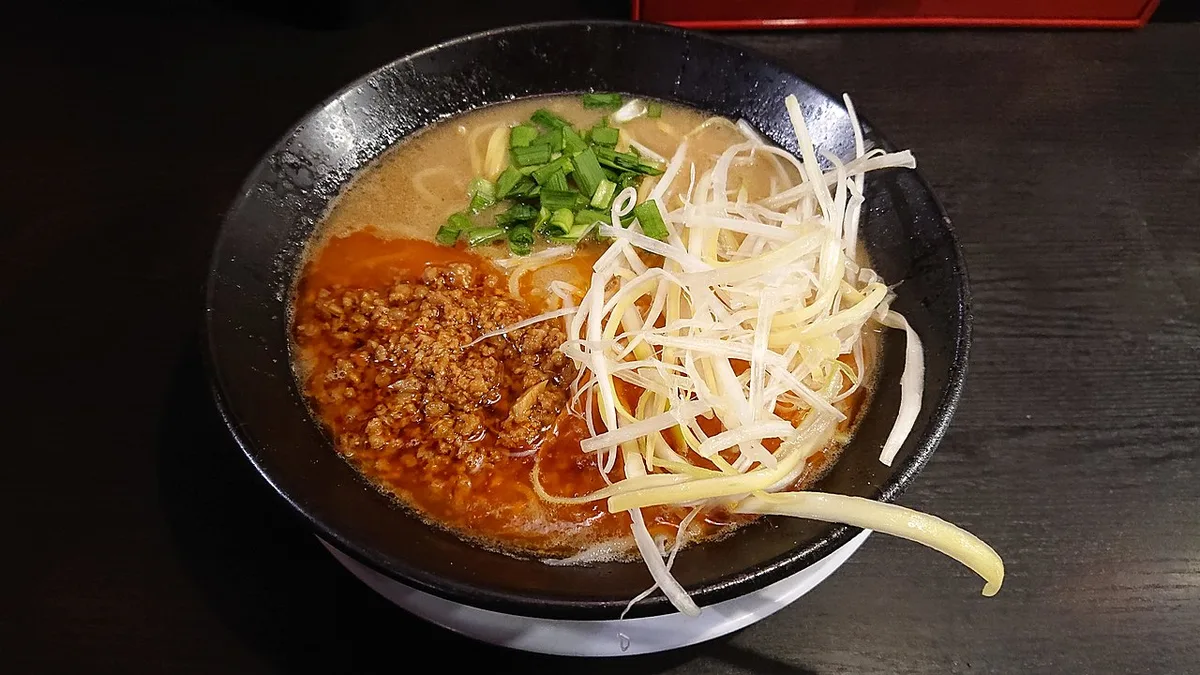
Taiwan Ramen vs. Taiwan Mazesoba at a Glance
The two dishes share a name and a spicy pork topping, but little else separates them. One arrives in broth, the other does not, and they were invented more than three decades apart in different corners of the city. Use the table below to decide which bowl fits the day's plan.
| Feature | Taiwan Ramen | Taiwan Mazesoba |
|---|---|---|
| Style | Soup-based, soy broth | Soupless, mixed noodles |
| Origin | Misen, Imaike, 1970s | Menya Hanabi, Takabata, 2008 |
| Noodles | Thin and straight | Thick and chewy |
| Signature price | ¥700 at Imaike Honten | ¥810 for Ganso Taiwan mazesoba |
| Nearest station | Imaike Station, Exit 9 | Takabata Station |
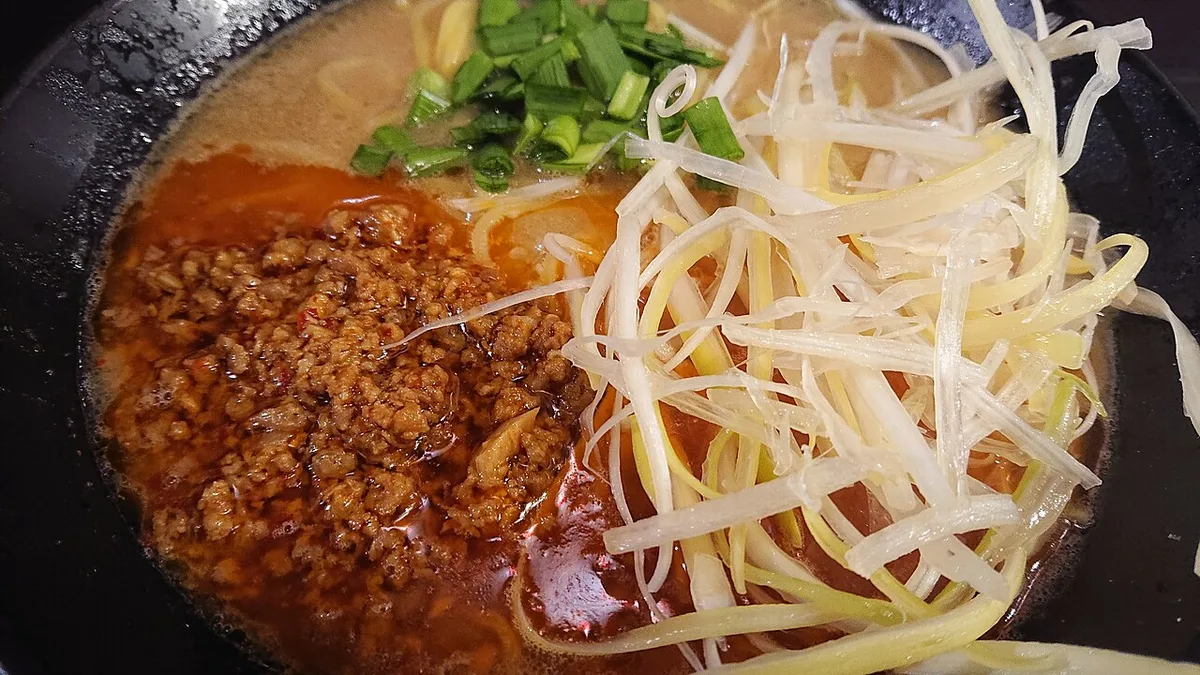
Taiwan Ramen at Misen: The Spicy Broth Style
Taiwan ramen builds a soy-based broth around thin, straight noodles. Spicy minced pork, known locally as Taiwan mince, sits on top along with garlic chives, or nira. The Imaike Honten stands at 1-12-10 Imaike, Chikusa-ku, one minute from Imaike Station's Exit 9 on the Higashiyama and Sakura lines. It opens for dinner and late night only, 17:00 to 01:00, with last orders at 00:30. A bowl of Taiwan ramen costs ¥700, and a fuller meal with sides runs ¥1,500 to ¥3,000. A full Chinese-Taiwanese menu backs up the noodles, so pair the bowl with niraniku itame, a garlic chive stir-fry, or tori no karaage fried chicken. Misen operates several branches across the city, including one near Yaba-cho where the takeout window usually moves faster than the dine-in line. Locals say the flavor shifts slightly between branches, since family members run each one independently, and the Imaike Honten remains the benchmark bowl.
- Thin, straight noodles in a soy-based broth
- Taiwan mince: spicy stir-fried minced pork with chili and garlic
- Nira (garlic chives) as the signature vegetable
- ¥700 for the standard bowl at Imaike Honten
Misen's Heat Scale: American to African
Misen names its spice levels after countries, and the logic has nothing to do with geography. Local lore ties the mildest tier, American, to the old idea that American coffee is weaker and more diluted than a Japanese brew. Order Regular and expect a bowl that already runs hotter than most Japanese ramen. Regular already carries a kick most travelers do not expect from a ramen menu, so treat the name as a warning label rather than a suggestion. Save Italian and African for a second visit, once the standard heat feels manageable.
For heat-sensitive diners, Sugakiya offers relief: its basic bowl at ¥430 contains no chili, making it a gentler alternative to Taiwan ramen for those who prefer to avoid spice entirely.
| Level | Japanese | Description |
|---|---|---|
| American | アメリカン | Mild, the starting point for spice beginners |
| Regular | 台湾ラーメン | Standard heat, already spicier than typical Japanese ramen |
| Italian | イタリアン | Extra hot, for confirmed spice fans |
| African | アフリカン | Extreme heat, available at some locations only |
Taiwan Mazesoba at Menya Hanabi: The Soupless Style
Menya Hanabi owner Naoto Niiyama built Taiwan mazesoba as a makanai, the meal staff cook for themselves before or after service. He combined thick, chewy noodles with spicy minced pork, raw egg yolk, and fish powder, then skipped the broth entirely. It caught on with customers and later spread nationwide from that single Takabata shop. The Takabata Honten sits at 1-170 Takabata, Nakagawa-ku, a five-minute walk from Takabata Station on the Higashiyama Line. It opens 11:30 to 14:00 and 18:00 to 21:00, closed Mondays and the first and third Tuesday of each month. The base Ganso Taiwan mazesoba costs ¥810, and adding toppings or a set brings the total to ¥900-1,100. The honten is small, so solo counter seats often open before group tables, and a longer wait is normal during peak hours. Other branches now operate across Aichi, including Yatomi, and franchise locations have spread nationally and overseas, though the Takabata original remains the reference bowl.
- Thick, chewy noodles with no broth
- Taiwan mince (spicy minced pork) at the center
- Raw egg yolk, nori, chopped negi, garlic, and fish powder on top
- ¥810 for the original Ganso Taiwan mazesoba
The Oimeshi Ritual: How to Finish the Bowl
Mix the bowl from the bottom up before the first bite, breaking the egg yolk so it coats every noodle. Once the noodles are gone, sauce and bits of mince usually remain at the bottom. Ask staff for oimeshi (追い飯), a small scoop of rice most shops hand over free of charge. Staff will not always offer it unprompted, so asking directly is worth the one extra sentence in the order. Drop the rice into the leftover sauce, stir, and finish the bowl completely. Skipping this step means missing the part of the dish regulars consider essential.
Beyond the Big Two: Other Nagoya Ramen Worth Trying
Sugakiya is Nagoya's budget hometown ramen, a light tonkotsu-shoyu bowl served in mall food courts across the city. The basic Ramen costs ¥430, tax included, and the deluxe Tokusei Ramen runs ¥680. Karamiso Ramen Fukurou in Sakae takes a different approach, floating a ball of house-made spicy miso paste in a chicken paitan broth. Diners dissolve it gradually, choosing a heat level from 0-kara to 6-kara. Staff recommend 2-kara for first-timers. A bowl costs around ¥950 at the Sakae location, four minutes on foot from Sakae Station. Karametei, a chain built around Nagoya's own ankake spaghetti, adds Taiwan mince to its thick fried noodles for a Taiwan Ankake Pasta priced at ¥972. Menya Hanabi's Taiwan mince also built a second dish away from noodles entirely. A manager once sprinkled leftover mazesoba mince onto a staff curry, and Ganso Taiwan Curry became an official menu item near Chikusa Station. That bowl runs ¥820 and piles the mince over rice with more than ten spices, plus a raw egg cracked on top. For a dedicated Taiwan ramen counter outside Misen's orbit, Taiwan Ramen Eraku's Moriyama Honten charges around ¥850 and gets a bowl to the table in under two minutes. A second Eraku branch operates in Meieki, Nishi-ku, a three-minute walk from Kamejima Station, though its hours differ from the Moriyama original. Sugakiya's food-court model sits alongside more of the city's casual counters in the 10 Best Things to Eat: Nagoya Street Food Guide (2026). For a broader restaurant shortlist beyond ramen, see the best restaurants in Nagoya roundup.
- Sugakiya: ¥430 basic Ramen, ¥680 Tokusei Ramen, mall food courts citywide
- Karamiso Ramen Fukurou (Sakae): about ¥950, adjustable 0-kara to 6-kara spicy miso
- Karametei: Taiwan Ankake Pasta, ¥972, thick fried noodles in a rich sauce
- Ganso Taiwan Curry (near Chikusa Station): ¥820, Taiwan mince over curry rice
- Taiwan Ramen Eraku (Moriyama Honten): about ¥850, a dedicated Taiwan ramen counter
Where to Ramen Crawl: Imaike, Takabata, or Sakae
Imaike anchors the Taiwan ramen side of the story, home to Misen's original honten and reachable via the Higashiyama and Sakura subway lines. Takabata, inside Nakagawa-ku, holds Menya Hanabi's birthplace and sits about ten minutes from Nagoya Station on the Higashiyama Line. Locals call Nakagawa-ku the city's ramen holy land for its density of independent shops beyond the two originals. Travelers on a tighter schedule can stay closer to the center. Yadogariya in Sakae serves both Taiwan ramen and Taiwan mazesoba under one roof, charging ¥700 for the ramen and ¥830 for the mazesoba. A Misen branch also operates inside JR Nagoya Station's Umaimon-dori restaurant street, on the Taiko-dori exit side. Karamiso Ramen Fukurou's Sakae location adds a third option within walking distance of Sakae Station. Imaike and Takabata sit outside the main sightseeing loop, so pair either trip with the Nagoya attractions guide for what else is nearby. Sakae's after-dark scene is covered separately in the Nagoya nightlife guide, useful for pairing a late bowl with a night out.
The two originals operate on opposite schedules: Misen's Imaike serves exclusively for dinner and late hours (17:00 to 01:00), while Menya Hanabi's Takabata opens for lunch from 11:30. A visitor hoping to taste both requires splitting the experience across different times or choosing one location.
Ordering Etiquette: Ticket Machines, Cash, and Timing
Many Nagoya ramen counters, including budget chains, use a ticket vending machine, or kenbaiki, near the entrance. Insert cash, press the button for the dish, and hand the printed ticket to staff. Original honten shops like Misen's Imaike location and Menya Hanabi's Takabata shop lean cash-heavy, so carry yen rather than counting on a card reader. Lunch rush hits Sakae and Nagoya Station counters hardest between 12:00 and 13:00, when office workers crowd every seat. Late-night bowls carry a different crowd. Post-drinking diners close out a night in Sakae, and that shime, or end-of-night, ramen culture connects directly to the Nagoya izakaya and drinks guide. Tebasaki wings are another common late-night order in the same izakaya circuit. The Nagoya tebasaki wings guide covers that pairing in more detail. Raw garlic is heavy in both Taiwan ramen and Taiwan mazesoba, so pack a mint if an evening meeting follows. Anyone who wants Nagoya's chili heat without the raw-garlic hit can compare notes against the Nagoya Kishimen Guide 2026: Flat Noodles, Broth Styles, and Where to Eat, a milder, garlic-free flat-noodle alternative.
- Ticket machines (kenbaiki): insert cash, press the dish button, hand over the ticket
- Cash first: honten shops rarely guarantee card payment
- Avoid the 12:00-13:00 lunch rush near Sakae and Nagoya Station
- Expect a late-night, post-drinking crowd near closing time
Frequently Asked Questions
Is Taiwan ramen actually from Taiwan?
No, it is a Nagoya invention. Misen founder Kuo Ming-yu created it at the restaurant's Imaike location in the 1970s, adapting a Taiwanese noodle dish into something far spicier for Nagoya diners. Order Taiwan ramen in Taipei today, and most people will not recognize the request.
Is Nagoya Taiwan ramen too spicy for kids?
The standard bowl runs hotter than typical Japanese ramen, so it is not the easiest first bite for a child. Misen's mildest tier, American, is the safer starting point for spice-sensitive travelers. Sugakiya's ¥430 tonkotsu-shoyu bowl is a gentler backup with no chili at all, and it is sold in mall food courts across the city.
Are there vegetarian versions of Taiwan ramen or Taiwan mazesoba?
Not really. Both dishes center on Taiwan mince, a pork-based topping that defines the flavor of the bowl. Neither Misen nor Menya Hanabi advertises a meat-free version, so vegetarians should check current menus directly before planning a visit.
What is oimeshi, and is it optional?
Oimeshi (追い飯) is a free scoop of rice most shops hand over once the noodles are finished. Mixing it into the leftover sauce at the bottom of the bowl is how regulars finish Taiwan mazesoba properly. Skipping it is allowed, but it means missing the part of the meal locals consider the best bite.
How is Taiwan mazesoba different from abura soba?
Both are soupless noodle dishes, but they come from different places. Taiwan mazesoba was invented in Nagoya's Takabata neighborhood in 2008, built on spicy minced pork, raw egg yolk, and fish powder. Abura soba comes from other regions of Japan and typically leans on a soy-vinegar tare instead of Nagoya's chili-garlic mince.
What should first-time visitors order at Misen or Menya Hanabi?
At Misen, start with the Regular or American Taiwan ramen instead of jumping straight to Italian or African. At Menya Hanabi, order the Ganso Taiwan mazesoba, mix it fully from the bottom, and ask for oimeshi once the noodles are gone. Both orders land under ¥1,000 and give a first taste of Nagoya's two signature styles.
Free: The Nagoya Essentials guide
Top things to do, where to stay, a perfect day plan, getting around, and the best time to go — a Nagoya mini-guide you can take offline.
You might also like

Continue reading
More guides you'll find useful


