9 Best Stops on a Unique Hells of Beppu Tour (2026)
Explore the 9 most unique hells of Beppu tour stops. Plan your trip with tips on costs, timing, and local onsen secrets in Japan with our 2026 guide.
On this page
9 Best Stops on a Unique Hells of Beppu Tour
Beppu is a famous city for volcanic activity in Japan. A unique hells of Beppu tour offers amazing views of nature. You can see steaming ponds and bubbling mud across the city. This guide helps you plan your day with ease.
Start your journey in the historic Kannawa district today. This area smells like sulfur and ancient history. You will find many official hells located very close together. Each site has a different color or geological feature.
Visitors can enjoy many Japan activities while exploring these sites. The hells are meant for viewing rather than for bathing. They are a testament to the power of the earth. Prepare for a day of steam and wonder.
Introduction to the Kannawa District
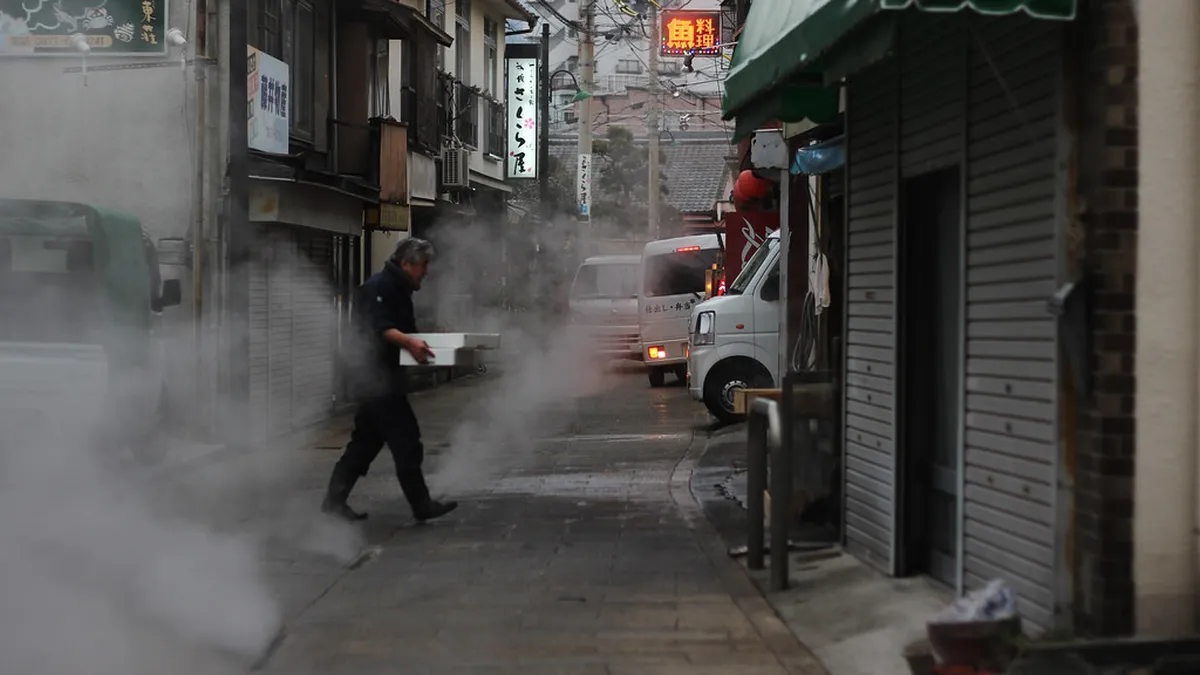
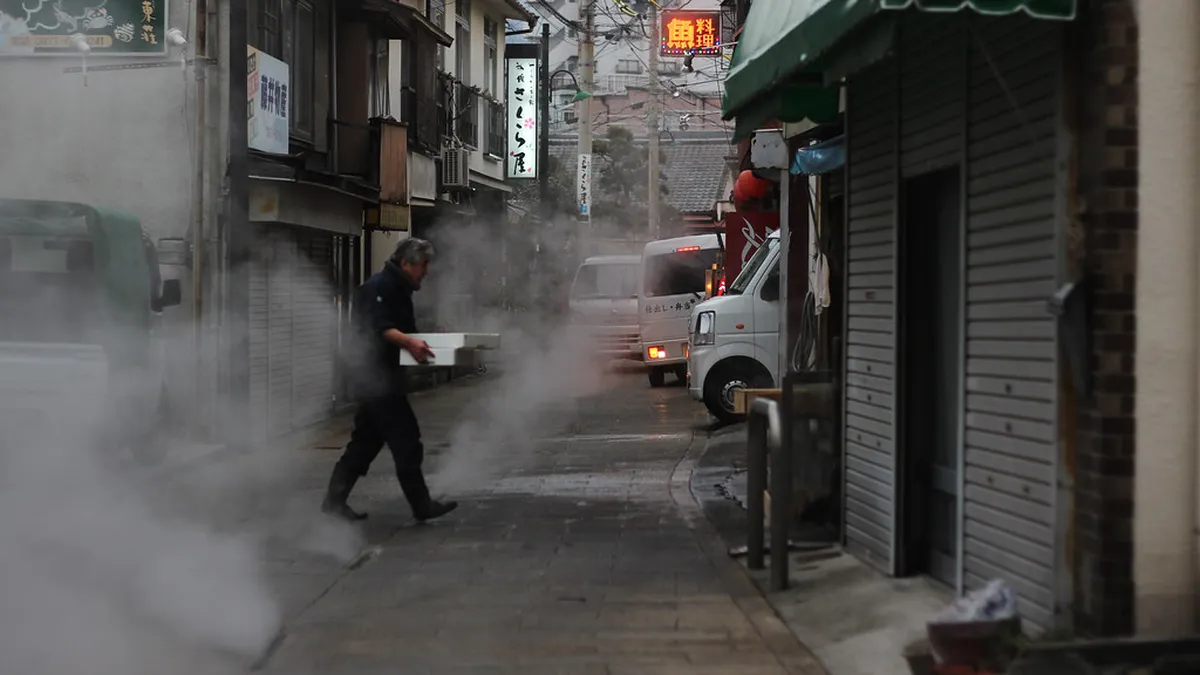
Kannawa is the heart of Beppu's famous hot springs. Steam rises from the streets and drains here constantly. It feels like a scene from a fantasy movie. This area hosts most of the famous hells.
Walking through the streets is a sensory experience. You can feel the warmth of the earth underfoot. A 1-Day Beppu Walking Tour of Kannawa Guide is highly recommended. Locals use the steam for heating and cooking.
Many traditional inns are located in this historic neighborhood. You can see white steam clouds against the green hills. The district is very easy to navigate on foot. It serves as the perfect base for your tour.
9 Best Stops on a Unique Hells of Beppu Tour
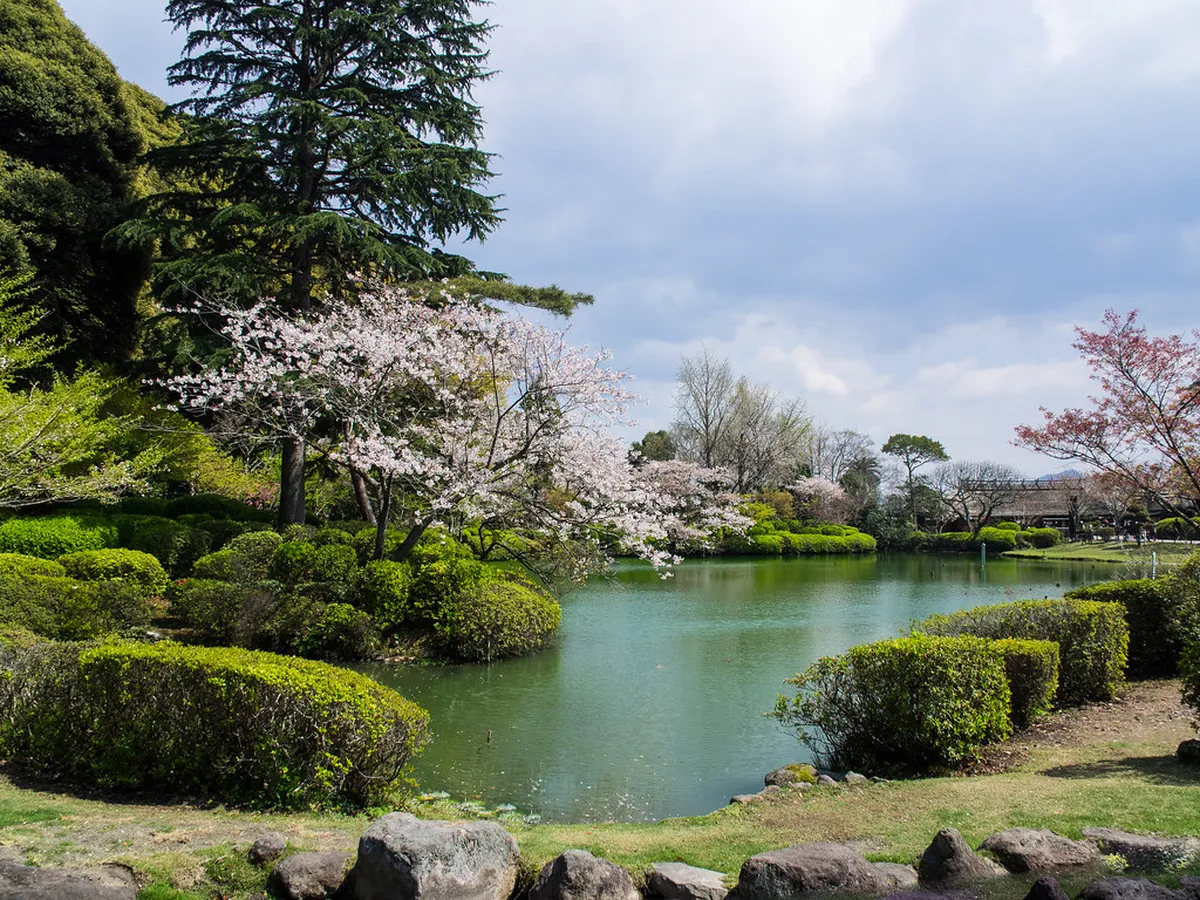
Walking between the hells is very easy for most. Most sites are within a short walk of each other. You should wear comfortable shoes for this walking trip. The steam creates a very mystic atmosphere for photos.
Take your time at each unique volcanic stop. Some sites have small foot baths available for free. These are great for resting your tired feet. Bring a small towel for your feet during visits.
Each hell offers something different for every traveler. Some focus on color while others focus on animals. You will learn about the local geology at each. The tour is both educational and visually stunning.
- Umi Jigoku The Famous Cobalt Blue Sea Hell
- Type: volcanic hot spring sight
- Why go: Beautiful blue water and lotus flowers.
- Best for: Scenic photography and nature lovers.
- Where: Central Kannawa district near bus stops.
- Time: Forty minutes for a full visit.
- Cost: About four hundred yen per person.
- Getting there: Take bus five from Beppu Station.
- Tip: Buy the cobalt blue pudding here.
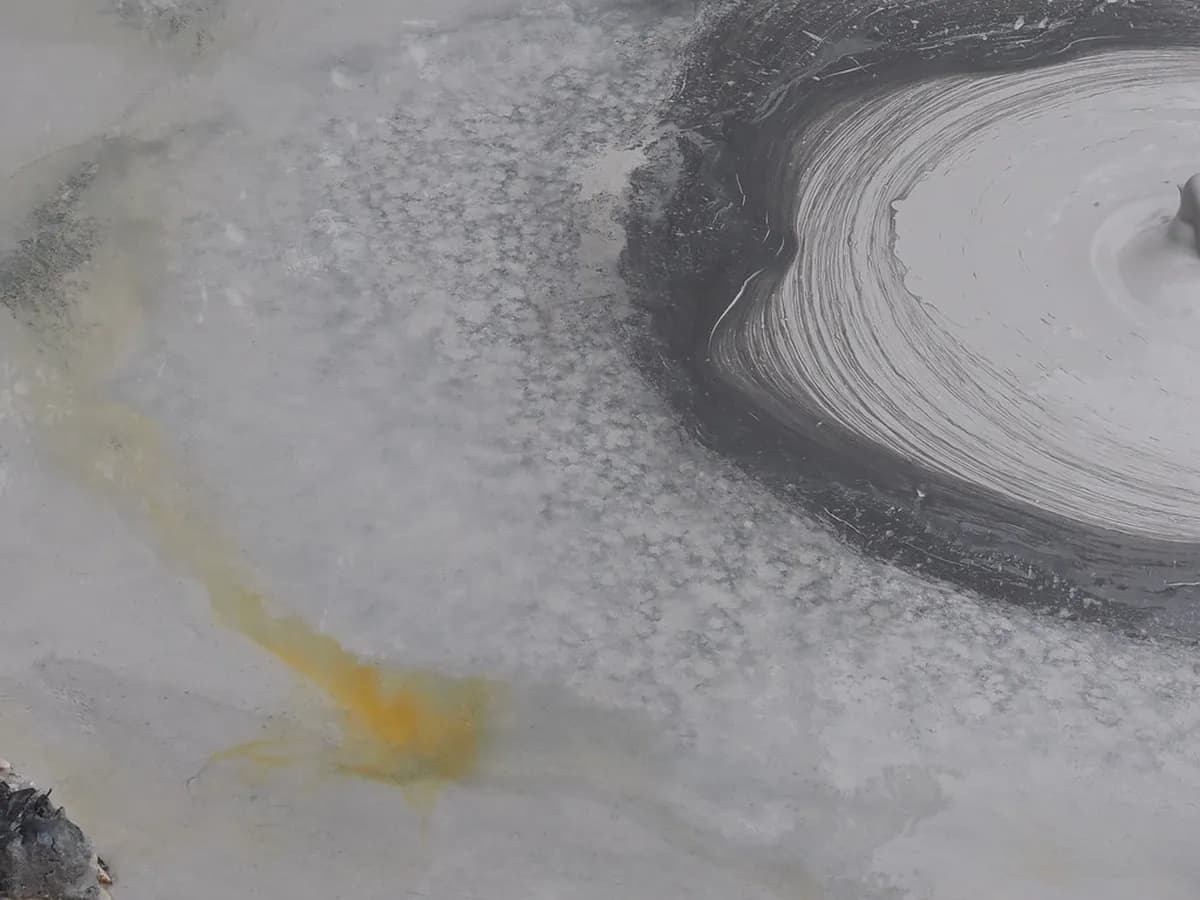
- Oniishibozu Jigoku The Bubbling Gray Mud Hell
- Type: bubbling mud pool sight
- Why go: Mud bubbles look like monk heads.
- Best for: Watching unique geological patterns.
- Where: Right next to the Sea Hell.
- Time: Thirty minutes to see everything.
- Cost: Included in the main tour pass.
- Getting there: Walk from the Umi Jigoku entrance.
- Tip: Try the foot bath on site.
- Kamado Jigoku The Cooking Pot Hell Variety
- Type: multi-pond thermal attraction
- Why go: Six different types of hot springs.
- Best for: Families wanting variety and snacks.
- Where: A short walk from Oniishibozu Jigoku.
- Time: Forty-five minutes for all ponds.
- Cost: Standard entry or tour pass.
- Getting there: Follow the well-marked walking path.
- Tip: Drink the healthy thermal water here.
- Oniyama Jigoku The Unique Crocodile Breeding Hell
- Type: animal attraction and spring
- Why go: See crocodiles in warm spring water.
- Best for: Kids and animal enthusiasts.
- Where: Located in the lower Kannawa area.
- Time: Thirty minutes to view crocodiles.
- Cost: Part of the official hells pass.
- Getting there: Walk down from Kamado Jigoku.
- Tip: Check the feeding times for action.
- Shiraike Jigoku The Peaceful White Pond Hell
- Type: milky white hot spring
- Why go: Calm water in a Japanese garden.
- Best for: Relaxation and traditional garden views.
- Where: Near the center of Kannawa village.
- Time: Twenty-five minutes for a stroll.
- Cost: Included in the group ticket.
- Getting there: Easy walk from Oniyama Jigoku.
- Tip: Visit the small aquarium on site.
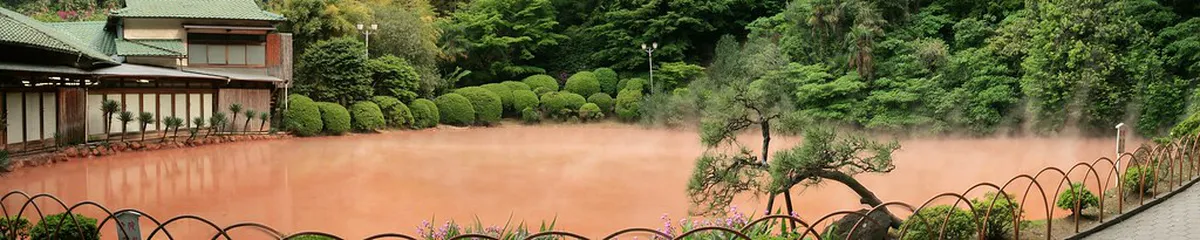
- Chinoike Jigoku The Striking Blood Pond Hell
- Type: red mineral hot spring
- Why go: Bright red water from natural clay.
- Best for: Dramatic photos and unique souvenirs.
- Where: Located in the Shibaseki district area.
- Time: Thirty minutes for the site.
- Cost: Standard individual or pass entry.
- Getting there: Take a bus to Shibaseki area.
- Tip: Buy the red clay skin cream.
- Tatsumaki Jigoku The Powerful Boiling Geyser Hell
- Type: natural hot water geyser
- Why go: Watch water spray every thirty minutes.
- Best for: Seeing raw geothermal energy live.
- Where: Next door to the Blood Pond.
- Time: Twenty minutes depending on eruptions.
- Cost: Included in the official pass.
- Getting there: Walk from Chinoike Jigoku entrance.
- Tip: Ask staff for the next eruption.
- Jigoku Mushi Kobo The Volcanic Steam Kitchen
- Type: interactive local dining experience
- Why go: Cook your own food in steam.
- Best for: Lunch and trying local vegetables.
- Where: Center of the Kannawa district.
- Time: One hour for cooking and eating.
- Cost: Pay for food and timer rental.
- Getting there: Walk from Shiraike Jigoku nearby.
- Tip: Rent a timer for perfect eggs.
- Hyotan Onsen The Award Winning Sand Bath
- Type: traditional hot spring and bath
- Why go: Relax in naturally heated black sand.
- Best for: Spa lovers and deep relaxation.
- Where: Lower part of the Kannawa area.
- Time: Two hours for a full soak.
- Cost: Separate entry fee for the bath.
- Getting there: Short walk from the bus stop.
- Tip: Drink plenty of water after bathing.
How to Use the Jigoku Meguri Pass
The Jigoku Meguri combo pass costs ¥2,200 for adults and covers all seven official hells. Buying single tickets for each hell costs ¥3,150 total — the pass saves ¥950. The pass is valid for 2 consecutive days and is available at the entrance of any of the seven hells or at Beppu Station Tourist Information.
Buy the "Jigoku Meguri" pass for the best value. This ticket covers all seven official hells easily. You can buy it at any hell entrance. It is valid for two days total usually.
The pass saves you money over single tickets. You also get a small discount book often. Learn How to Visit Beppu Onsen: A Complete 2026 Guide for more tips. Keep your ticket safe during your entire tour.
Individual tickets are available if you lack time. Most people prefer the full pass for convenience. It makes moving between sites much faster. The pass is a great souvenir itself.
The Best Time to Visit Beppu Hells
Visit early in the morning to avoid crowds. The sites open at eight in the morning. Weekdays are much quieter than busy weekends. You will have better views for your photos.
Autumn is a beautiful time for the gardens. The red leaves match the steam very well. Winter makes the steam look even more dramatic. Spring brings cherry blossoms to the park areas.
Check the weather before you start your walk. Rainy days can make the steam very thick. Summer can be very hot near the boiling water. Late afternoon light is perfect for the geyser.
Unique Food Experiences in Beppu
Beppu offers food you cannot find elsewhere. Steam from the earth cooks local ingredients perfectly. Try the "onsen tamago" which are steamed eggs. They have a unique and salty flavor.
The hell-steamed pudding is a local favorite dessert. It is creamy and made with thermal heat. You can find more Beppu Activities involving local food. Eating is a big part of the culture.
Many shops sell steamed buns filled with meat. These are perfect for a quick walking snack. The steam keeps the food very moist and hot. Always look for the bamboo steaming baskets.
Travel Tips for Your Beppu Trip
Beppu is easy to reach from nearby Fukuoka. Take the Sonic Express train for a fast trip. The journey takes about two hours one way. Use a bus pass for cheap local travel.
There are many Free Things to Do in Beppu: Budget Guide 2026 too. Public foot baths are often free for everyone. Always carry a small towel in your bag. It is useful for drying off after baths.
Respect the local rules at each hot spring. Do not touch the boiling water at all. Stay on the marked paths for your safety. The heat is very intense near the ponds.
Best Order to Visit the 7 Beppu Hells (Walking + Bus Route)
Visit the seven official hells in two geographic groups for the most efficient day. Start in the Kannawa cluster, where five hells sit within a 700-metre radius and are walkable in about 90 minutes total. Begin at Sea Hell (Umi Jigoku) at 8:00 AM when the gates open, then continue south to Shaved-Head Hell (Oniishibozu Jigoku) next door. Walk five minutes downhill to Cooking-Pot Hell (Kamado Jigoku), then a further three minutes to Devil's Mountain Hell (Oniyama Jigoku) and finish the cluster at White Pond Hell (Shiraike Jigoku).
The remaining two hells — Bloody Hell Pond (Chinoike Jigoku) and Tornado Hell (Tatsumaki Jigoku) — sit roughly 2.8 km north-east in the Shibaseki district. From the Kannawa hub, board Kamenoi Bus #16 or #16A from the "Kannawa" stop. Buses depart every 20 minutes between 9:00 AM and 5:00 PM, and the ride takes 8 minutes with a 2026 single-ride fare of 230 yen. Plan to reach Tatsumaki Jigoku at the top of an hour: its geyser erupts every 30–40 minutes and signage at the entrance posts the next forecast time.
Total tour time, including transfers and a 30-minute lunch break, runs 4–5 hours. For a printable map with timed checkpoints between every hell, see our complete walking route map.
Photo Tips for Each Hell (2026 Update)
Each hell has a single optimal shooting window dictated by sun angle, steam density, and water color saturation. Plan your route with these in mind to bring home the postcard shot of every site.
- Umi Jigoku (Sea Hell): The cobalt color is most saturated 10am–noon when overhead light penetrates the steam — shoot from the wooden viewing deck on the north side.
- Oniishibozu Jigoku (Shaved-Head Hell): Mud bubbles photograph best at f/8, 1/250s shutter, with a 70–200mm lens to isolate single domes — early morning gives the cleanest reflections.
- Kamado Jigoku (Cooking-Pot Hell): Pond #4 (the cobalt blue one) is the visual standout — the red-painted oni statue makes the strongest foreground subject.
- Oniyama Jigoku (Crocodile Hell): Visit at the 10:00 AM or 14:30 feeding times — crocodile mouths open during feeding give the most dramatic shots.
- Shiraike Jigoku (White Pond Hell): The milky water reads strongest against the surrounding pines on overcast days; sunny noon flattens contrast.
- Chinoike Jigoku (Bloody Hell Pond): Shoot from the upper observation deck at 14:00–15:00 — afternoon side-light intensifies the iron-oxide red.
- Tatsumaki Jigoku (Tornado Hell): Pre-focus on the geyser cone and shoot in burst mode — eruptions last only 6–10 minutes.
Tripods are prohibited inside the Umi Jigoku and Chinoike Jigoku pavilions; use a monopod or handhold with image stabilization. Steam visibility is most dramatic in winter (December–February) when air temperature differentials reach 20°C, so winter mornings produce the most cinematic frames despite the cold.
What to Eat at the Hells: Jigoku-Mushi and Hell-Steamed Snacks
| Hell | Signature Snack | Price (2026) | Season |
|---|---|---|---|
| Umi Jigoku | Hell-steamed eggs (jigoku-mushi tamago) | ¥100/egg | Year-round |
| Kamado Jigoku | Hell-steamed pudding (jigoku-mushi purin) | ¥420/cup | Year-round |
| Shiraike Jigoku | Steamed sweet potato (satsumaimo) | ¥350 / 200g | October–April |
| Chinoike Jigoku | Steamed manju buns (red bean) | ¥180 each | Year-round |
| Tatsumaki Jigoku | Hell-steamed corn on the cob | ¥350 | June–September |
Hell-steamed cuisine — known locally as jigoku-mushi — uses 100°C natural geothermal steam to cook food without oil or seasoning, locking in the original flavor of every ingredient. Every hell complex sells at least one steamed snack, and the prices are standardized across the seven sites.
- Umi Jigoku: Hell-steamed eggs (jigoku-mushi tamago) — ¥100 per egg in 2026, sold at the kiosk near the lotus pond. The whites set translucent and the yolks stay creamy.
- Kamado Jigoku: Hell-steamed pudding (jigoku-mushi purin) — ¥420 per cup, the most popular dessert souvenir at the hells. Caramel layer is steam-set, not baked.
- Shiraike Jigoku: Steamed sweet potato (satsumaimo) — ¥350 for a 200g portion, available October through April when local potatoes are in season.
- Chinoike Jigoku: Steamed manju buns filled with red bean — ¥180 each, themed to match the pond's red color.
- Tatsumaki Jigoku: Hell-steamed corn on the cob — ¥350, a summer-only item from June to September.
For a full menu with vendor locations and seasonal availability, see our deep dive on hell-steamed cuisine. To try the cooking method yourself at the public Jigoku Mushi Kobo workshop in Kannawa, our guide on the cooking technique itself walks through ingredient choice, basket layering, and timing per food type.
Tickets and Combo Pass Quick Facts (2026)
All seven hells open daily from 8:00 AM to 5:00 PM with last entry at 4:30 PM — gates lock at exactly 5:00 PM. The two Shibaseki hells (Chinoike Jigoku and Tatsumaki Jigoku) are 2.8 km from the Kannawa cluster; take Kamenoi Bus #16 (230 yen, 8 min) rather than walking. Time your arrival at Tatsumaki to catch its geyser eruption every 30–40 minutes.
The Jigoku Meguri combo pass is the cheapest way to see all seven official hells. Use these atomic facts to plan budget and timing.
- Combo pass price (2026): ¥2,200 for adults, ¥1,000 for children aged 6–18, free for children under 6.
- Individual hell admission: ¥450 per hell — buying singles for all seven costs ¥3,150, so the combo saves ¥950.
- Hours: All seven hells open daily from 8:00 AM to 5:00 PM with no closing days year-round.
- Last entry: 4:30 PM at every hell — gates lock at exactly 5:00 PM.
- Free parking: Available at all five Kannawa hells and at Chinoike Jigoku — Tatsumaki Jigoku shares the Chinoike lot.
- Pass validity: 2 consecutive days from first use, single entry per hell.
- Average visit time: 3–4 hours for all seven hells including transfers and one meal break.
- Where to buy: At the entrance gate of any of the seven hells, at Beppu Station Tourist Information, or online via the Beppu City Tourism Association website.
For a full pricing breakdown including discount partner cards, group rates, and seasonal promotions, see our guide to Beppu Jigoku Meguri Ticket Costs & Budget Guide 2026.
Frequently Asked Questions
How long does a unique hells of Beppu tour take?
A full tour usually takes about three hours. You need more time for the Shibaseki sites. Plan for a half-day trip to be safe.
Can you swim in the Beppu hells?
No, you cannot swim in these ponds. The water is near the boiling point. They are strictly for viewing and photography.
Is the Beppu hell tour worth it for families?
Yes, it is a very unique experience for kids. They will love the crocodiles and the geyser. It is an educational day out.
A unique hells of Beppu tour is a must-do. You will see the raw power of nature here. The colors and steam are truly unforgettable sights. It is a highlight of any Kyushu itinerary and one of the top Top 15 Beppu Attractions for first-time visitors.
Plan your visit to include food and baths. Beppu offers a warm welcome to every traveler. Enjoy the steam and the friendly local culture. Your trip to Japan will be better for it.
You might also like
Continue reading
More guides you'll find useful