
Kanazawa Nightlife Guide 2026: Best Bars, Izakaya & Districts After Dark
Kanazawa nightlife guide 2026: best izakaya, sake bars, jazz venues, historic teahouse districts, and late-night food. Prices in JPY, last bus times, English-friendly tips.
On this page
Kanazawa earns its nickname "Little Kyoto" during daylight hours, but after dark the city reveals a different character entirely — one shaped by premium local sake, Michelin-starred izakaya culture, and a surprisingly vibrant live-music scene.
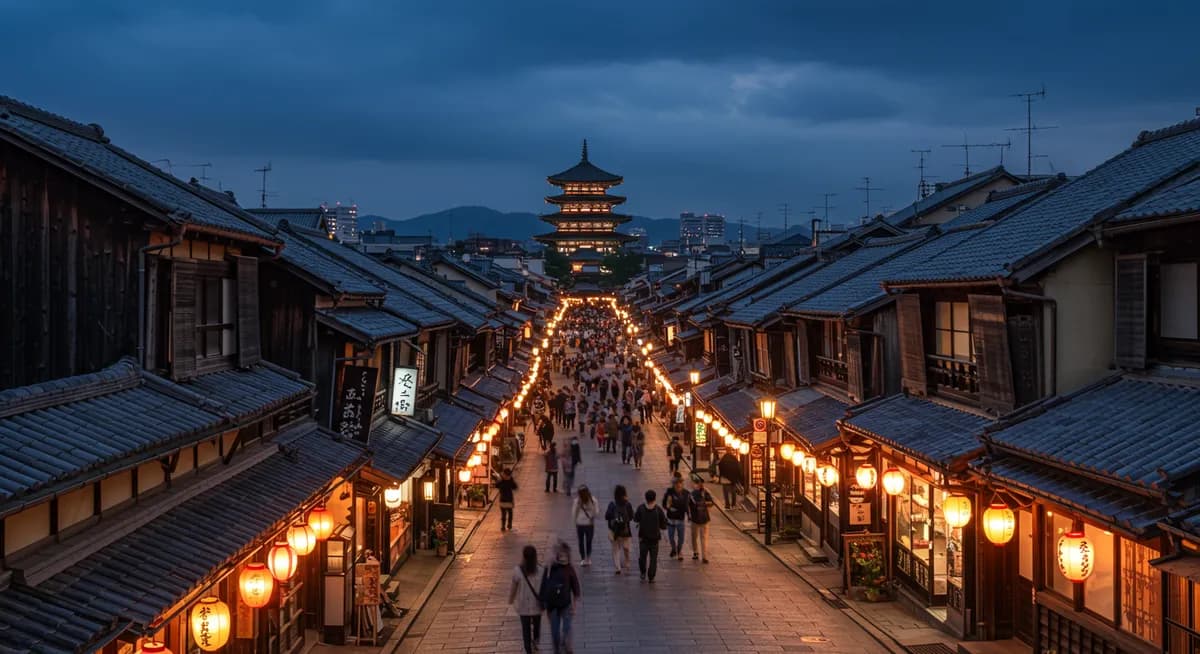
Unlike Osaka or Tokyo, where nightlife is relentlessly loud and tourist-facing, Kanazawa's evenings are layered: historic teahouse lanes along the Asano River glow with soft paper lanterns, while five minutes away the Katamachi scramble intersection buzzes with hundreds of dining and drinking establishments ranging from ¥800 standing sake bars to craft-cocktail lounges on upper floors. This 2026 guide covers every layer — districts, specific venues, prices, and how to get home safely.If you're planning the full evening, pair this guide with our best restaurants in Kanazawa for dinner recommendations before heading out, and check our Kanazawa transport guide for last bus and train times so you never get stranded.
1. Kanazawa Nightlife at a Glance: The Two Main Zones
Kanazawa's after-dark scene divides neatly into two geographic zones, each with a distinct atmosphere. Understanding them before you arrive saves time and sets the right expectations.
Katamachi–Korinbo is the beating commercial heart of Kanazawa nightlife. This compact grid of streets roughly 15 minutes on foot from Kanazawa Station holds an extraordinary concentration of izakaya, standing sake bars, craft-beer pubs, karaoke boxes, and live-music venues. The famous Katamachi Scramble intersection — surrounded by multi-story buildings packed with dining establishments floor-to-floor — is the meeting point for locals on weekend nights. Eleven restaurants in this area alone have earned Michelin recognition, so quality reaches well beyond pub grub. Most venues here open from 17:00 and run until midnight to 03:00; the energy peaks between 20:00 and 23:00.
Kazue-machi and the Asano River corridor is the atmospheric counterpart. This UNESCO-nominated teahouse district along the Asano River is quiet during the day but comes alive at dusk when the ochaya (teahouse) buildings light up, shamisen music drifts from private engagements, and the riverside bars — built inside renovated machiya townhouses — open their sliding doors. Bar Nagaya and Kiku no Shizuku are the two most accessible atmospheric bars here for visitors; both serve local sake and tea-infused shochu in rooms that look unchanged from the Meiji era. The adjacent Higashi Chaya district is a 10-minute walk and shares the same historic evening ambiance — covered in more detail in our Higashi Chaya district guide.
A practical evening sequence: dinner at a Katamachi izakaya (18:30–20:30), sake bar-hop in Katamachi or Kiguramachi (20:30–22:00), walk along the Asano River through Kazue-machi (22:00–23:00), taxi back to your hotel. Total cost per person: ¥5,000–¥9,000 depending on how many rounds you have.
| Venue type | Typical spend / person | Last service |
|---|---|---|
| Katamachi izakaya (meal + drinks) | ¥2,500–¥4,000 | midnight–03:00 |
| Sake glass at Bar Nagaya / Kiku no Shizuku | ¥700–¥1,200 | ~01:00 |
| Sake tasting course (Fukumitsuya) | ¥3,300 | varies by season |
| Live music cover (NOEL Fusion) | ¥1,000–¥1,500 | midnight |
| Taxi Katamachi → Kanazawa Station | ¥700–¥1,000 | 24 hrs |
2. Izakaya Hopping in Katamachi: Where Locals Drink
The word izakaya translates loosely as "stay-and-drink place" — essentially a Japanese pub where small plates (otoshi) arrive automatically and the menu rewards sharing. Kanazawa's izakaya culture is elevated by the city's access to exceptional local ingredients: crab and sea bream from the Sea of Japan, vegetables from the Noto Peninsula, and sake brewed in Ishikawa Prefecture's hard mountain water. Budget ¥2,500–¥4,000 per person for a typical izakaya session including three to five dishes and three drinks.
Waraku (Katamachi area) is one of the most praised mid-range izakaya in the district, open 19:00–06:00, making it the rare option for genuinely late-night eating. The menu focuses on seasonal fish and charcoal-grilled skewers; a full table of small plates for two with sake runs roughly ¥7,000–¥9,000 total.
Fuwari, housed in a preserved traditional townhouse, specializes in charcoal-grilled dishes and fresh seafood. The atmospheric wooden interior makes it popular with photographers and couples; reservations are strongly recommended on Friday and Saturday nights. Set courses start around ¥3,800 per person excluding drinks.
Kiguramachi, a secondary dining street a 2–3-minute walk from the Katamachi Scramble, carries a calmer atmosphere and is favored by solo travelers and couples who want conversation over noise. The izakaya here lean toward seasonal kaiseki-inspired menus — smaller portions, higher craft — with per-head bills often landing around ¥3,000–¥5,000. This is a better area if you want to drink local sake seriously rather than chase volume.
First-timer tip: most Kanazawa izakaya charge an otoshi cover of ¥300–¥500 per seat, which comes with a small appetizer. It is standard practice and not a scam — it reserves your space and kicks off the meal.
Ask for Ishikawa no jizake (local sake of Ishikawa) at any Katamachi izakaya to sample regional nihonshu. Ishikawa sake is brewed with Hakusan mountain snowmelt water and is among Japan's most respected regional labels.
3. Sake Bars: Drinking Ishikawa's Best Rice Wine
Ishikawa Prefecture's sake is among Japan's most respected, produced using snowmelt water from the Hakusan mountain range and rice grown in the Kaga plains. Visiting Kanazawa without drinking local sake is like going to Bordeaux and skipping wine. For a deeper education on sake styles and production, Sake World offers comprehensive guides. In 2026, several dedicated sake bars in the city make it easy to work through regional labels in a single evening.
Fukumitsuya Sake Brewery (near Omicho Market) is Kanazawa's most famous brewery, operating since 1625. The brewery itself runs public tours and tasting courses: the standard sake-tasting course is ¥3,300 per person (tax included), and the premium Grand course is ¥11,000. Free walk-in tasting is also available at the SAKE SHOP storefront to sample before buying bottles. Evening hours vary by season; check the Fukumitsuya website before visiting. This is the single best introduction to Ishikawa sake for newcomers.
Bar Nagaya in Kazue-machi occupies a converted machiya and stocks an impressive range of Ishikawa-produced nihonshu alongside tea-infused shochu cocktails. The atmosphere — low lighting, exposed timber beams, river sounds outside — is unmatched in the city. Expect to pay ¥700–¥1,200 per glass of premium sake; the bar is small and fills quickly after 20:00, so arrive early or accept standing space.
Kiku no Shizuku, steps away from Bar Nagaya along the same riverside row, skews slightly younger and louder, with a playlist of ambient Japanese folk music. It is notably English-friendly — staff speak basic English and the menu has photographs. Good entry point for travelers not yet comfortable navigating Japanese-only bar menus. Sake flights ¥1,500 for three small pours.
For sake-focused travelers, our Kanazawa attractions guide includes a broader overview of Omicho Market, adjacent to Fukumitsuya, which has morning sake-pairing options for a completely different experience.
4. Geisha Districts After Dark: Kazue-machi and the Ochaya Experience
Kanazawa is one of only three cities in Japan — alongside Kyoto and Nishiki — where the geisha culture (called geiko in Kanazawa dialect) remains authentically active rather than tourist-staged. The three teahouse districts — Higashi Chaya, Nishi Chaya, and Kazue-machi — each host working geisha who perform shamisen, dance, and traditional games for private engagements in registered ochaya (teahouses). Private geisha banquets cost ¥30,000–¥80,000 per person and must be booked weeks in advance through a licensed intermediary. However, the atmosphere of these districts is available to everyone, free of charge, after dark.
The best evening strategy for most visitors: walk Kazue-machi along the Asano River from around 20:00. The stone-paved lane, wooden facades, and soft lantern light create one of the most cinematic streetscapes in Japan. You will likely hear shamisen music from behind closed screens — some ochaya accept guests for observation-only experiences (around ¥5,000 per person, bookable via tourism desks). After the stroll, cross the bridge to Higashi Chaya and stop at the atmospheric bars there.
Shima Teahouse in Higashi Chaya is the most famous historical teahouse open to the public, preserved as a museum by day. At night, the adjacent bar space operates with cocktails incorporating local matcha and gold-leaf liqueur — Kanazawa is Japan's leading gold-leaf producer, and you'll find gold flakes appearing in drinks across the city. Entry to the bar area is approximately ¥800 for a drink; museum admission is separate. For a deep-dive on this district, see our Higashi Chaya district guide.
Important etiquette: never attempt to photograph or approach geisha on the street. The districts are residential neighborhoods, not performance stages, and harassment of geiko is taken seriously by locals.
5. Live Music and Jazz Bars in Kanazawa
Kanazawa has a disproportionately strong live-music culture for a city of 460,000 people, rooted partly in the city's arts university and partly in a longstanding jazz appreciation scene that goes back to the post-war US occupation period. Several venues have operated continuously for decades.
Bokunen (1-12 Katamachi) is the flagship jazz venue — open since 1992, it plays exclusively vinyl analogue recordings on an audiophile sound system, making it more of a jazz listening bar than a performance space. Hours: 12:00–14:00 (lunch) and 17:00–midnight Monday to Friday; 12:00–20:00 weekends and holidays. Jazz enthusiasts travel from across Japan specifically to sit in Bokunen with a whisky and listen properly. Entry is essentially the cost of a drink; no cover charge on most nights. Located about five minutes on foot from Omicho Market.
NOEL Fusion offers live performances every Tuesday and on weekends — a mix of jazz, bossa nova, and J-pop fusion. Open 11:30–midnight (closed Mondays). It doubles as a restaurant serving European-Japanese fusion cuisine, so you can combine dinner and live music in one booking. Cover charge on live nights is typically ¥1,000–¥1,500 added to the bill.
The Katamachi Scramble buildings also house several venues with live rock, J-pop covers, and DJ nights on Friday and Saturday. These skew younger and louder — a very different atmosphere from Bokunen — but worth knowing about if jazz is not your preference. Cover charges range from ¥500 to ¥1,500 and typically include one drink.
6. Late-Night Eats: After the Bars Close
One of the pleasures of a Kanazawa night is ending it at Omicho Market. Japan's largest covered fish market outside Tokyo operates as a retail market by day, but several stalls and adjacent ramen shops remain open late for the after-bar crowd. A bowl of crab ramen or noto jidori (local free-range chicken) ramen at one of the market-adjacent shops from ¥900–¥1,500 is the canonical Kanazawa late-night meal. For more on Kanazawa's neighborhoods and logistics, the official Kanazawa tourism guide offers transport schedules and neighborhood overviews.
In Katamachi itself, Waraku (mentioned above) keeps the kitchen running until 06:00 — unusual for a city that generally closes earlier than Osaka or Tokyo. Convenience stores (7-Eleven and FamilyMart have branches within the Katamachi area) offer good late-night options including hot foods, and are the most reliable option after 01:00.
Gold-leaf ice cream cones are sold until approximately 21:00 at a handful of Higashi Chaya shops — worth timing if you are walking that district in the early evening. At ¥500–¥800 for a photogenic gold-dusted cone, it is one of Kanazawa's most distinctive food experiences.
Planning the full day? Our 2-day Kanazawa itinerary sequences daytime sightseeing so you arrive at the evening districts without backtracking. For hotel location relative to nightlife zones, see our where to stay in Kanazawa guide — Katamachi and Korinbo neighborhoods put you walking distance from everything on this list.
7. Getting Home Safely: Last Buses, Trains & Taxis
Kanazawa does not have a subway or train network within the city — it runs on buses operated by Hoktetsu. The main city loop buses (including the Kenrokuen shuttle and the Tourist Loop bus) stop service between 22:00 and 23:00 depending on the route. The last regular city buses from the Katamachi area back toward Kanazawa Station typically depart around 22:30–23:00; check current schedules at the bus stop or on the Hoktetsu app as seasonal adjustments apply.
After 23:00, taxis are the practical option. The main taxi ranks cluster around the Katamachi Scramble intersection and outside the larger hotels; hailing on the street is generally easy until around 01:00–02:00 on weekends. A taxi from Katamachi to Kanazawa Station costs approximately ¥700–¥1,000 (around 10 minutes). From Higashi Chaya or Kazue-machi, budget ¥1,200–¥1,800 to the station area.
City loop buses from Katamachi toward Kanazawa Station stop around 22:30–23:00. After that, taxis are the only option. There is no city rail network in Kanazawa — arrange your transport home before you start your final round.
If you are staying further afield — Kenroku-en neighborhood, the airport hotel zone, or ryokan near Kanazawa Castle — confirm last-bus times with your accommodation before heading out. Our Kanazawa transport guide has full Hoktetsu route details and the Tourist Loop schedule.
Not confident navigating the izakaya lanes alone? Kanazawa's guided bar-hopping tours (available via in-kanazawa.com and Beyond Kanazawa) include 3–4 venues, local sake tastings, and an English-speaking guide who handles reservations. Tours run ¥8,000–¥12,000 per person and are especially valuable for solo travelers who want to experience teahouse-district bars that do not accept walk-ins. Check availability and book at least 48 hours in advance for weekend dates.
Frequently Asked Questions About Kanazawa Nightlife
- Is Kanazawa nightlife worth it?
- Yes — Kanazawa has a genuinely distinctive nightlife scene built around local sake, quality izakaya food, and atmospheric historic districts. It is quieter and more intimate than Osaka or Tokyo, which is exactly the appeal for many travelers. If you enjoy food-driven, culturally embedded evenings over clubs and volume, Kanazawa is outstanding.
- Where is the best place to drink local sake in Kanazawa?
- Fukumitsuya Brewery (near Omicho Market) is the best introduction — sake tasting courses start at ¥3,300 and include Ishikawa's flagship nihonshu labels. For atmospheric bar drinking, Bar Nagaya and Kiku no Shizuku in Kazue-machi both specialize in Ishikawa sake in historic teahouse settings. Most izakaya in Katamachi also carry regional sake on the menu; ask for Ishikawa no jizake (local sake of Ishikawa).
- Is Kanazawa nightlife safe for solo travelers?
- Very safe. Japan's overall street-crime rate is extremely low, and Kanazawa in particular is a conservative mid-size city where solo travelers — including solo women — report feeling comfortable at any hour. The Kazue-machi and Higashi Chaya areas are quiet by 23:00 and feel safe throughout. The Katamachi entertainment district can get loud on weekends but serious incidents are rare. Standard urban common sense applies: keep your belongings secure and arrange transport home before you are too tired to think.
- What are the last train and bus times in Kanazawa at night?
- City loop buses from Katamachi toward Kanazawa Station typically run until around 22:30–23:00; exact last departure times vary by route and season. There is no city rail network — taxis fill the gap after buses stop. A taxi from Katamachi to Kanazawa Station costs approximately ¥700–¥1,000. Check the Hoktetsu bus app or ask your hotel for your specific route's last service.
- Are there English-friendly bars in Kanazawa?
- Several. Kiku no Shizuku in Kazue-machi has English menus and English-speaking staff. NOEL Fusion in Katamachi is English-accommodating. The tourist office and most hotel concierges can also recommend currently English-friendly venues. Guided bar-hopping tours (available through in-kanazawa.com) remove the language barrier entirely and are a good option for first visits.
- How much does a night out in Kanazawa cost?
- Budget ¥3,000–¥5,000 per person for a casual izakaya session with 2–3 drinks. A more dedicated evening — izakaya dinner, sake bar stop, jazz venue — realistically costs ¥6,000–¥10,000 per person including transport. The Fukumitsuya sake tasting (¥3,300) or a geisha-observation experience (¥5,000) adds to that if included. By Japanese city standards, Kanazawa is moderately priced — cheaper than Tokyo, comparable to Kyoto.
Free: The Kanazawa Essentials guide
Top things to do, where to stay, a perfect day plan, getting around, and the best time to go — a Kanazawa mini-guide you can take offline.
You might also like


Continue reading
More guides you'll find useful


