

25 Top Tokyo Attractions
Explore the best attractions in Tokyo for 2025. Discover must-see sights, cultural hotspots, and hidden gems in this ultimate Tokyo travel guide. Start planning now!
On this page
Planning a trip to Tokyo and seeking the most captivating attractions? In 2025, Tokyo continues to evolve as a global hub where cutting-edge technology harmonizes with ancient traditions. From iconic landmarks to hidden cultural gems, Tokyo offers a diverse array of experiences that will enthrall every visitor. This comprehensive guide is designed to help you navigate the city’s myriad offerings, providing quick yet detailed insights to maximize your adventure. Whether you’re interested in exploring the vibrant things to do in Tokyo, diving into unique Tokyo experiences, or embarking on thrilling Tokyo adventures, this listicle is your go-to resource. Discover the rich Tokyo culture, marvel at famous Tokyo landmarks, experience the electric Tokyo nightlife, and stay updated on exciting Tokyo events. Get ready to explore Tokyo’s highlights and create your perfect Tokyo itinerary with our curated list of Tokyo activities.
1. Ascend to New Heights at the Tokyo Skytree
Get ready to elevate your Tokyo experience at the Tokyo Skytree, one of the city’s most iconic landmarks. As the tallest structure in Japan, the Skytree offers unparalleled panoramic views of the sprawling metropolis below. Moreover, visitors can enjoy not only breathtaking scenery but also a variety of shops, restaurants, and entertainment facilities at its base. Don’t miss the chance to see Tokyo from a truly unique vantage point. This is a must-see for anyone exploring Tokyo attractions. Furthermore, consider visiting during sunset for an unforgettable vista. For more information on things to do in Tokyo, check out local experiences. Indeed, a trip to Tokyo isn’t complete without a visit to this towering landmark. Remember to check out the weather forecast before you go to ensure clear views. Additionally, pre-booking tickets is highly recommended to avoid long queues. Prepare for an experience that redefines your perspective of Tokyo. Discover more about Tokyo Skytree and other Tokyo attractions today.
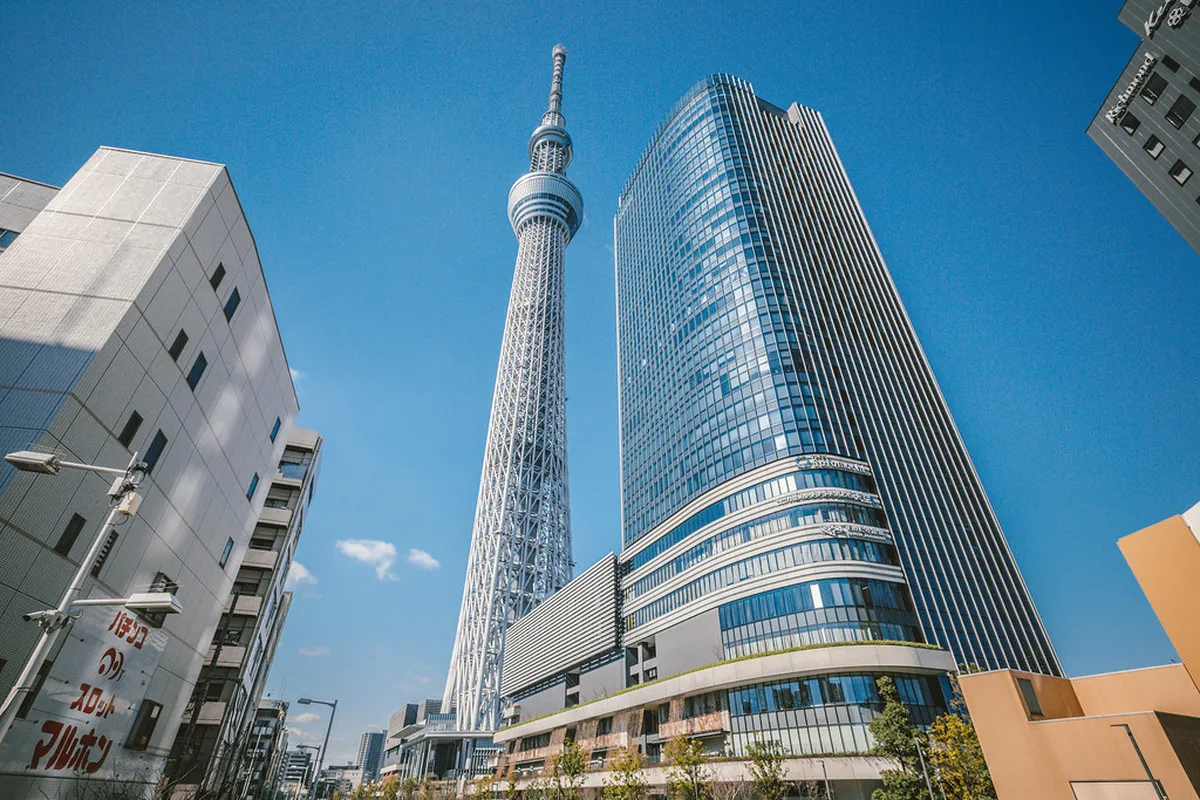
The Tokyo Skytree's Tembo Deck (350 m) and Tembo Galleria (450 m) have separate ticket prices. On a clear winter day, Mount Fuji is visible to the southwest. Pre-booking online saves you from queuing at the counter, especially on weekends.
Free: The Tokyo Essentials guide
Top things to do, where to stay, a perfect day plan, getting around, and the best time to go — a Tokyo mini-guide you can take offline.
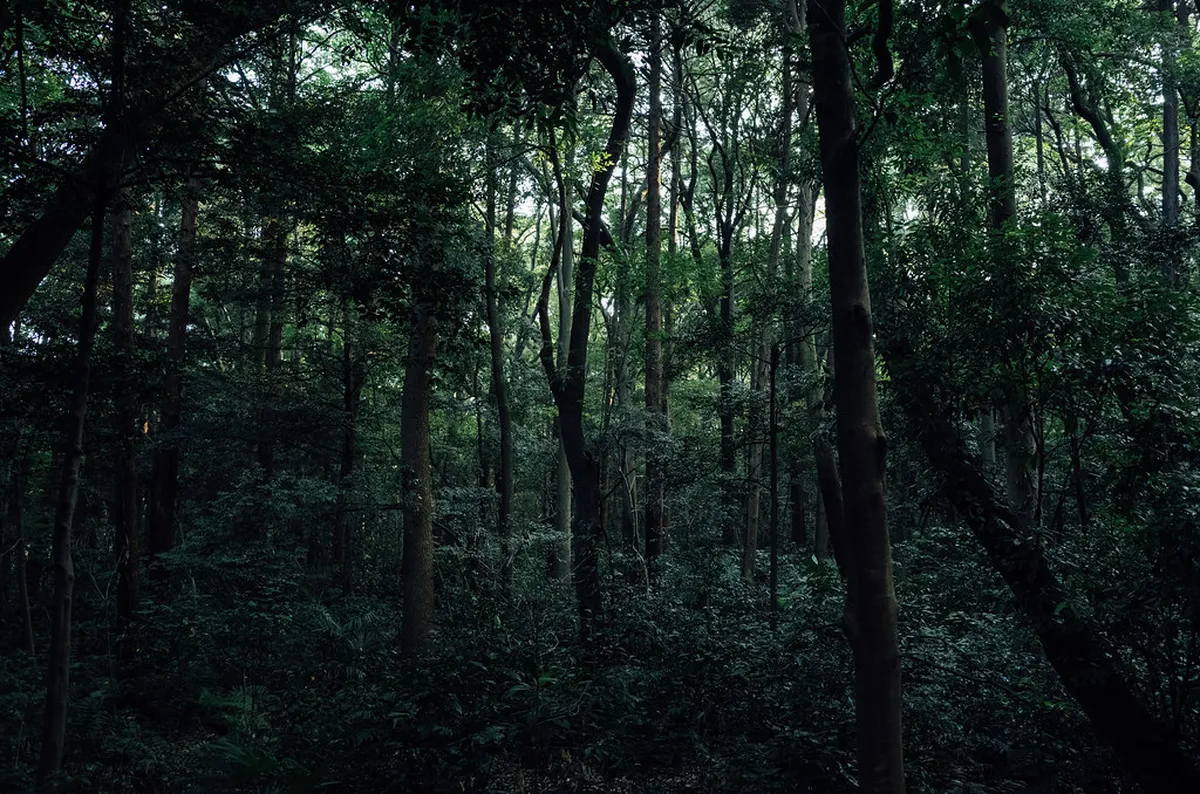
2. Immerse Yourself in the Serenity of the Meiji Jingu Shrine
Escape the hustle and bustle of Tokyo with a visit to the Meiji Jingu Shrine, a peaceful oasis dedicated to Emperor Meiji and Empress Shoken. This tranquil shrine provides a serene atmosphere, making it a must-visit among Tokyo attractions. As you walk along the shaded pathways, you’ll be surrounded by thousands of trees donated from all over Japan. Consequently, you can feel transported to a world away from the city’s vibrant energy. Remember to participate in a traditional Shinto ritual for a truly immersive cultural experience. For more insights, explore Japanese cultural experiences to enrich your visit. Furthermore, don’t miss the chance to write your wishes on an ema (wooden plaque) and hang it at the designated area. In other words, it’s a memorable and spiritual experience. Overall, Meiji Jingu Shrine is a perfect place for reflection and rejuvenation while exploring the best of Tokyo.
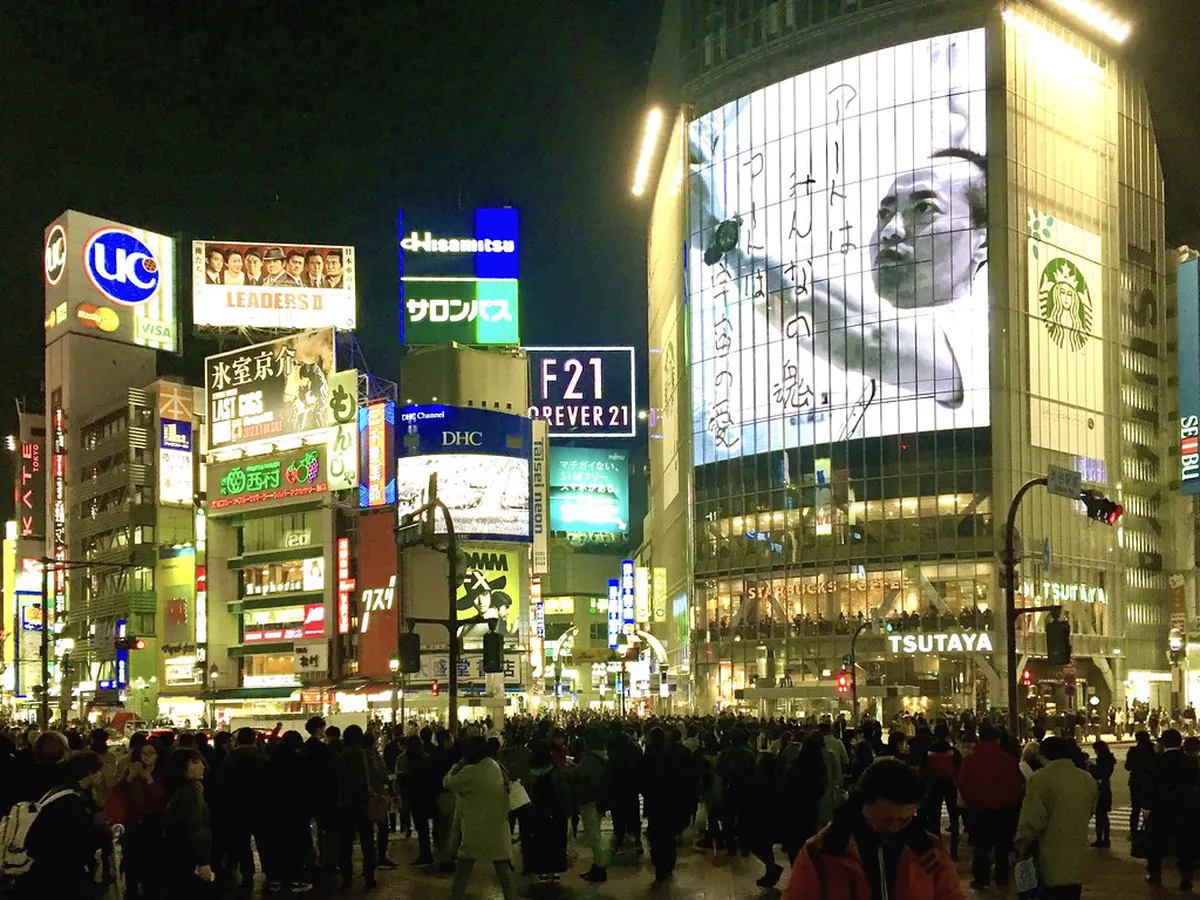
3. Experience the Electric Energy of Shibuya Crossing
Shibuya Crossing is not just a crosswalk; it’s a symbol of modern Tokyo and one of the world’s busiest intersections. Experiencing the surge of pedestrians as the lights turn green is a quintessential Tokyo experience. It’s a moment of organized chaos that encapsulates the city’s vibrant energy. For those looking for the best vantage points, the Starbucks overlooking the crossing is legendary, although always crowded. Alternatively, consider the Shibuya Sky observation deck for a panoramic view of the spectacle, or the Magnet by Shibuya 109 building for a unique perspective. It’s also a perfect spot to experience Tokyo nightlife. Whether you’re capturing photos or simply soaking in the atmosphere, Shibuya Crossing is an unforgettable highlight of Tokyo attractions. It also provides great photo opportunities to capture your Tokyo adventure.
4. Delight Your Senses at the Tsukiji Outer Market
The Tsukiji Outer Market is a vibrant culinary haven that should be on every visitor’s list of things to do in Tokyo. Although the famous tuna auctions have moved, the outer market remains a bustling center of food stalls, shops, and restaurants. Here, you can sample some of the freshest seafood, street food, and local delicacies that Tokyo has to offer. From expertly prepared sushi to grilled seafood skewers, the market is a feast for the senses. Don’t miss the chance to try tamagoyaki (sweet egg omelet) or browse the variety of knives and kitchenware. It’s an unparalleled way to experience the local culture and flavors. Also, for more unique Tokyo experiences, be sure to check out other local attractions. As a travel tip, arrive early to beat the crowds and enjoy the market at its liveliest.
5. Wander Through the Imperial Palace East Garden
Escape the urban hustle and discover tranquility at the Imperial Palace East Garden, a serene oasis amidst the vibrant city of Tokyo. Once the site of Edo Castle, this historical garden now offers visitors a peaceful retreat with meticulously landscaped grounds and remnants of the past. As you wander through its expansive lawns, you’ll encounter historic gates, guardhouses, and the impressive castle foundations. It’s not just a garden; it’s a journey through time, offering a glimpse into Japan’s rich heritage. For more on Tokyo’s historical sites, explore iconic landmarks. Also, consider checking out other cultural experiences in Tokyo to enrich your visit. Insider tip: The best time to visit is during the cherry blossom season for an unforgettable spectacle of natural beauty. Moreover, it provides excellent photo opportunities and a tranquil experience away from the city’s bustle. Don’t miss this enchanting experience among Tokyo attractions!
6. Marvel at the Iconic Tokyo Tower
The Tokyo Tower, an enduring symbol of the city, offers breathtaking panoramic views and a rich historical experience. Standing tall as one of the most recognizable Tokyo attractions, it’s a must-visit for any traveler. Ascend to the observation decks for stunning vistas of the sprawling metropolis below. You’ll see landmarks such as the Skytree and, on clear days, even Mount Fuji. Beyond the views, the tower houses various shops, restaurants, and attractions, including a One Piece-themed park for anime fans. To fully embrace local experiences, consider visiting during special events or illuminations. Remember, this is a quintessential part of any Tokyo attractions itinerary. For insights on other great views, explore more landmarks or check out Tokyo highlights. Insider tip: Visit during sunset for a truly magical experience as the city lights begin to twinkle. Moreover, it’s a great way to see this classic beauty!
7. Find Tranquility in the Shinjuku Gyoen National Garden
Escape the hustle and bustle of the city at the Shinjuku Gyoen National Garden, a serene oasis offering a blend of Japanese, English, and French garden styles. This tranquil retreat is perfect for those seeking a peaceful escape amid Tokyo’s vibrant cityscape. The meticulously designed landscapes, coupled with tranquil ponds and traditional teahouses, provide a soothing experience. Moreover, the garden’s seasonal beauty, from cherry blossoms in spring to vibrant foliage in autumn, ensures a captivating visit year-round. For more immersive cultural experiences, explore Tokyo’s cultural side. Insider tip: Visit during the weekdays to avoid crowds and fully appreciate the garden’s tranquility, making it one of the top Tokyo attractions.
8. Dive into the Vibrant Nightlife of Shinjuku
Shinjuku’s nightlife is an electrifying experience that should be on every traveler’s list of things to do in Tokyo. As the sun sets, Shinjuku transforms into a dazzling playground of neon lights, bustling bars, and hidden izakayas. Whether you’re looking for a quiet spot to enjoy a drink or an adventurous night out, Shinjuku has something for everyone. This vibrant district is famous for its diverse range of entertainment options, from themed bars and karaoke rooms to live music venues and intimate jazz clubs. Therefore, exploring Shinjuku at night offers a unique glimpse into Tokyo’s nightlife and its dynamic culture. Also, you can discover other nightlife hotspots in Tokyo to extend your after-dark adventures.
One must-see highlight is Omoide Yokocho (Memory Lane), a narrow alley filled with tiny eateries serving yakitori and beer. Kabukicho, known as the entertainment district, offers a mix of attractions, including the Robot Restaurant and themed bars. Don’t miss the New York Bar in the Park Hyatt Tokyo, made famous by the movie “Lost in Translation,” for stunning city views. Before you head out, consider reviewing some essential travel tips for navigating Tokyo’s vibrant streets. For an immersive experience, consider joining a local bar crawl to uncover hidden gems. Insider tip: Many bars have a cover charge or a seating charge, so it’s a good idea to check beforehand. Enjoy exploring one of the top Tokyo attractions!
9. Explore the Pop Culture Hub of Akihabara
Akihabara, also known as Electric Town, is the place to immerse yourself in Tokyo’s vibrant pop culture scene. It’s a haven for anime, manga, video games, and electronics enthusiasts. As you wander through its bustling streets, you’ll encounter towering displays of manga characters, retro game arcades, and countless shops selling the latest gadgets. Don’t miss the chance to visit themed cafes, where you can enjoy unique menus and immersive experiences. Moreover, Akihabara is not just about the modern; it also offers glimpses into classic Japanese culture, blending the old with the new in an electrifying atmosphere. If you are looking for things to do in Tokyo, then Akihabara should be on your list.
For a deeper dive, be sure to check out the themed stores dedicated to specific anime series or game franchises. These shops often feature exclusive merchandise that you won’t find anywhere else. Additionally, keep an eye out for the unique street performances and events that frequently take place in Akihabara, adding another layer to its dynamic energy. After you’ve explored the main streets, venture into the side alleys to discover hidden gems and smaller, specialized shops. Plus, consider visiting during a weekend to experience the full intensity of this unique district. Find more Tokyo attractions here.
Tsukiji Outer Market stalls open early and sell out fast — the best seafood and sushi are often gone by 11:00 AM. Arrive by 8:00–9:00 AM for the freshest options and shortest queues at popular stalls.
10. Discover Tradition in the Asakusa District
Asakusa, one of Tokyo’s oldest districts, offers a delightful journey back in time. Here, you can experience the charm of old Tokyo with its traditional temples, craft shops, and street food stalls. The Sensō-ji Temple, Tokyo’s oldest temple, is a must-see attraction, featuring the iconic Kaminarimon Gate and Nakamise-dori, a street lined with shops selling traditional snacks and souvenirs. Furthermore, the vibrant atmosphere and historic architecture make Asakusa a unique cultural experience. So, take a rickshaw ride or stroll along the Sumida River to soak in the authentic ambiance of this district. To enhance your cultural immersion, explore more Tokyo cultural activities. Besides temples, discover local crafts and foods that embody Tokyo’s heritage. All in all, Asakusa is definitely one of the best Tokyo attractions. Finally, don’t miss the chance to witness traditional festivals if your visit aligns.
11. Witness the Majesty of Sumo Wrestling
Experience the electrifying atmosphere of sumo wrestling, one of Japan’s most iconic and ancient sports. Attending a sumo match or practice session offers a unique glimpse into Japanese culture and tradition. The sheer size and power of the wrestlers, combined with the ritualistic elements of the sport, make for a truly unforgettable spectacle. To truly immerse yourself, explore Japanese cultural experiences and understand the history and significance behind this revered sport.
Many tours offer the chance to witness morning practice sessions at a sumo stable, providing an intimate look at the wrestlers’ training regimen. Some even include a chanko-nabe meal, a hearty stew that sumo wrestlers consume to gain weight and strength. Whether you’re a sports enthusiast or a cultural explorer, witnessing sumo wrestling is a must-do among Tokyo attractions. Don’t miss the chance to discover unique activities that delve deeper into Japan’s rich heritage. Be sure to check schedules and book in advance, as tickets for sumo events are highly sought after. Insider tip: Arrive early to secure a good viewing spot!
12. Stroll Through the Picturesque Ueno Park
Ueno Park is one of Tokyo’s most beloved green spaces, offering a serene escape from the city’s hustle and bustle. This expansive park is not only a beautiful place for a stroll but also home to several museums, including the Tokyo National Museum and the Tokyo Metropolitan Art Museum, making it a cultural hub as well. Therefore, whether you are interested in art, history, or simply enjoying nature, Ueno Park has something for everyone. Moreover, it’s especially enchanting during cherry blossom season. In addition to the museums, you can also find a zoo, temples, and a beautiful pond within the park’s boundaries. To further enhance your visit, consider exploring other local activities and attractions near Ueno Park. Insider tip: Visit early in the morning to avoid crowds and fully appreciate the park’s tranquil atmosphere.
13. Visit the Ghibli Museum for Animation Magic
Step into the whimsical world of Studio Ghibli at the Ghibli Museum, a must-see for animation enthusiasts and families alike. Designed by Hayao Miyazaki himself, the museum is more than just a display space; it’s an immersive experience that brings beloved characters and stories to life. The museum showcases original artwork, storyboards, and exhibits detailing the animation process, offering a behind-the-scenes look at how Ghibli’s masterpieces are created. From the Robot Soldier on the rooftop to the enchanting screenings in the Saturn Theater, every corner is filled with delightful surprises. As you plan your Tokyo attractions, the Ghibli Museum should definitely make the list. Remember that tickets must be purchased in advance, and they sell out quickly! For those looking for more cultural experiences in Tokyo, this is an absolute gem.
14. Experience Edo-Tokyo Open Air Architectural Museum
Step back in time at the Edo-Tokyo Open Air Architectural Museum, a captivating journey through Japan’s architectural heritage. This unique museum showcases a remarkable collection of relocated and reconstructed buildings from the Edo to Showa periods. As you wander through its meticulously recreated streets, you’ll gain insight into the lives of people from different social classes and eras. For those interested in cultural experiences, exploring traditional architecture is a must when you travel to Tokyo. This living museum offers a tangible connection to the past, making it an essential stop for anyone seeking authentic Tokyo attractions. Don’t miss the chance to explore the charming shops, residences, and public spaces that bring history to life. Consider it one of the top things to do in Tokyo.
15. Explore Tokyo by Go-Kart
Experience Tokyo like never before with a thrilling go-kart adventure through the city’s iconic streets. This unique activity allows you to zip past famous landmarks, offering a fresh and exhilarating perspective on Tokyo attractions. Imagine cruising through Shibuya Crossing or alongside the majestic Tokyo Tower, all from the seat of your very own go-kart. For those seeking unique things to do in Tokyo, this is an unforgettable experience. Furthermore, it is a fantastic way to soak in the vibrant atmosphere and see the city’s highlights up close. So, if you’re looking for an adrenaline-pumping tour that combines sightseeing with fun, exploring Tokyo by go-kart is a must. Always remember to check local regulations and guidelines before you embark on your go-karting journey. For even more exciting Tokyo adventures, explore what else this vibrant city has to offer.
16. Visit the Sensō-ji Temple
Sensō-ji Temple, Tokyo’s oldest temple, is a vibrant blend of history and culture, making it one of the essential Tokyo attractions. Located in the heart of the Asakusa district, this iconic landmark offers a captivating glimpse into Japan’s rich spiritual heritage. As you approach, the towering Kaminarimon Gate, adorned with a massive paper lantern, welcomes you. The Nakamise-dori, a street lined with shops selling traditional crafts and snacks, leads to the main hall. Make sure you explore the serene gardens surrounding the temple, offering a peaceful escape from the city’s hustle. For a deeper dive into local experiences, consider checking out more cultural spots in Tokyo. Don’t miss the chance to draw your fortune from one of the omikuji boxes. However, if you receive a bad fortune, tie it to a nearby wire rack to leave the bad luck behind.
17. Enjoy the culture of Kichijoji
Kichijoji is known for its relaxed atmosphere, trendy shops, and vibrant arts scene. As you explore this charming neighborhood, you’ll discover why it’s consistently ranked as one of the most desirable places to live in Tokyo. Start with a stroll through Inokashira Park, a sprawling green space with a picturesque pond, perfect for a relaxing boat ride. Moreover, the park is home to the Ghibli Museum, a must-visit for animation fans. Wander through the local boutiques and cafes, soaking in the unique culture. Kichijoji offers a blend of urban convenience and natural beauty, making it a delightful escape from the bustling city center. Consider exploring more cultural experiences to enrich your understanding of Tokyo. Don’t miss the chance to experience this unique blend of art and nature! This is truly one of the best things to do in Tokyo!
18. Spend a day at the Tokyo National Museum
A visit to the Tokyo National Museum is essential for anyone looking to deeply explore Japanese art and history. As the largest and oldest museum in Japan, it houses an impressive collection of artifacts, ranging from ancient pottery to samurai armor. Therefore, a day spent here provides a rich understanding of the country’s cultural evolution. Make sure to check out the various galleries focusing on different periods and art forms.
Why visit? The museum not only showcases historical treasures but also provides context through detailed exhibits. For instance, you can examine traditional kimonos, Buddhist sculptures, and calligraphy scrolls. Don’t miss the special exhibitions that often feature rare and significant works. Additionally, the museum gardens offer a peaceful respite. Insider tip: Allocate at least four to five hours to fully appreciate what this comprehensive museum has to offer. Plan your visit by exploring more Tokyo attractions and immerse yourself in the local culture.
Take a walk through Yanaka Ginza
Experience the nostalgic charm of Yanaka Ginza, a traditional shopping street that offers a glimpse into old Tokyo. This delightful area is perfect for a leisurely stroll, where you can discover a variety of local shops selling everything from traditional crafts to delicious street food. The atmosphere is uniquely authentic, making it a favorite among locals and tourists alike. As you wander through, you’ll encounter friendly vendors and sample tasty treats, providing a truly immersive cultural experience. So, take your time, explore the side streets, and soak in the ambiance of one of Tokyo’s hidden gems. Also, discover other Tokyo landmarks and immerse yourself in the local culture to enhance your visit. Before you go, consider checking things to do in Tokyo for more ideas. Insider tip: Visit during the late afternoon to catch the sunset, known as “Yuyake Dandan,” which casts a beautiful glow over the street.
20. Take a Sumida River Cruise
Embark on a serene escape with a Sumida River Cruise, a unique way to experience Tokyo attractions from a different perspective. As you glide along the historic river, you’ll witness iconic landmarks and the modern skyline blending seamlessly. These cruises offer both daytime and evening options, each providing its own charm. The night cruises, in particular, showcase the city’s dazzling lights, creating a magical atmosphere. You can enhance this journey further by opting for a traditional Yakatabune dinner cruise, which combines scenic views with delicious Japanese cuisine. It’s truly one of the best things to do in Tokyo, offering a relaxing break from the bustling city streets. For those interested in exploring other Tokyo attractions, discover more landmarks and unique experiences to enrich your trip. Therefore, remember to book in advance, especially during peak seasons, to secure your spot and ensure a memorable experience!
21. Visit the Nezu Museum
The Nezu Museum is a serene escape in the heart of Tokyo, offering a blend of pre-modern Japanese and East Asian art. Additionally, the museum itself is a work of art, designed to complement its tranquil garden setting. As you explore, you’ll discover a carefully curated collection that includes paintings, calligraphy, sculptures, and ceramics. Furthermore, the traditional tea houses nestled within the garden provide a unique cultural experience. It’s a place where art and nature converge, offering a peaceful retreat from the bustling city. Moreover, don’t miss the beautiful architecture and the meticulously maintained landscape, perfect for reflection and appreciation. Be sure to explore other cultural attractions in Tokyo for a deeper dive into Japanese heritage. Insider tip: Allocate at least two to three hours to fully appreciate both the indoor exhibits and the outdoor gardens. It’s certainly one of the best things to do in Tokyo.
22. Get a Private Custom Tour with Local Guide
Embark on a personalized adventure through Tokyo with a private custom tour led by a knowledgeable local guide. This experience offers a unique opportunity to explore the city’s hidden gems and iconic landmarks according to your interests. Whether you’re fascinated by history, culture, cuisine, or nightlife, your guide will tailor the itinerary to create a memorable and insightful journey. Discover things to do in Tokyo that you might otherwise miss. Moreover, this is a great way to delve into Tokyo’s cultural experiences. You can get personalized travel tips and recommendations for the best local experiences. So, consider this one of the best ways to see Tokyo’s attractions. Don’t miss out on this opportunity to enhance your visit to one of the world’s most exciting cities. It’s a fantastic way to make the most of your time in Tokyo and truly experience the city like a local.
23. Take a Day Trip to Mount Fuji
Escaping the bustling metropolis of Tokyo for a day trip to Mount Fuji is a quintessential Japanese experience. As one of the most iconic Tokyo attractions, Mount Fuji offers breathtaking panoramic views and a serene escape into nature. The journey to Mount Fuji is as captivating as the destination, often including stops at picturesque spots around Lake Kawaguchiko. Moreover, you can explore the Gotemba Premium Outlets for a bit of shopping. Don’t miss the opportunity to capture stunning photographs of Mount Fuji reflected on the lake’s surface. For those interested in more adventurous Tokyo experiences, consider hiking trails around the area. Beyond Mount Fuji, explore other day trips from Tokyo to discover nearby gems and hidden escapes. If you prefer a shorter excursion closer to the city, exploring the Edo-era streets of Kawagoe offers a glimpse into Japan’s historical past without straying far from Tokyo. Remember to check the weather forecast before you go, as visibility is crucial for enjoying the full majesty of Mount Fuji. Furthermore, planning a trip to Mount Fuji from Tokyo allows you to witness Japan’s natural beauty, offering a memorable contrast to the urban landscape. It truly is one of the best things to do in Tokyo.
24. See Tokyo via a Hop-On-Hop-Off Bus Tour
Discover Tokyo’s top attractions with ease on a Hop-On-Hop-Off bus tour. This flexible option allows you to explore the city at your own pace, hopping off at landmarks that pique your interest. Enjoy panoramic views from the open-top deck as you travel between destinations. It’s a convenient and efficient way to see many of Tokyo’s highlights, especially if you have limited time. Consider starting your journey near the Imperial Palace or vibrant Shibuya, and make your way around the city. Moreover, the buses often provide informative commentary, offering insights into the city’s history and culture. Insider tip: Plan your route in advance to maximize your time and make the most of your 24-hour ticket. Check out suggested itineraries for your adventure through things to do in Tokyo.
25. Visit the Koishikawa Korakuen Garden
Escape the hustle and bustle of Tokyo with a visit to the Koishikawa Korakuen Garden, one of the city’s oldest and most beautiful traditional Japanese gardens. This serene oasis offers a glimpse into Edo-period landscape design, featuring meticulously crafted ponds, hills, and pathways. As you stroll through the garden, you’ll discover hidden tea houses, stone lanterns, and carefully placed rocks that evoke famous scenes from Japanese and Chinese literature. It’s one of the best Tokyo attractions for those seeking tranquility. Moreover, the seasonal changes bring unique beauty, with cherry blossoms in spring and vibrant foliage in autumn. For more insights, learn local tips to enrich your visit. Insider tip: Allocate at least two hours to fully explore and appreciate the garden’s intricate details and peaceful atmosphere, making it a highlight of your Tokyo attractions tour.
| Attraction | District | Entry | Best For |
|---|---|---|---|
| Tokyo Skytree | Sumida | Paid | Panoramic views; city overview |
| Meiji Jingu Shrine | Harajuku | Free | Forest walks; Shinto culture |
| Shibuya Crossing | Shibuya | Free | Iconic scramble; photo opportunities |
| Tsukiji Outer Market | Chuo | Free | Fresh seafood; street food breakfast |
| Shinjuku Gyoen Garden | Shinjuku | Paid | Cherry blossoms; three garden styles |
| Senso-ji Temple | Asakusa | Free | Oldest Tokyo temple; Nakamise shopping |
| Akihabara | Chiyoda | Free (street) | Anime, manga, electronics |
| Ueno Park | Taito | Free (park) | Museums, zoo, cherry blossoms |
| Ghibli Museum | Mitaka | Paid (advance only) | Animation fans; families |
Tokyo’s attractions offer a captivating blend of tradition and modernity, ensuring an unforgettable travel experience. From serene temples to bustling cityscapes, there’s something for every traveler. Start planning your Tokyo adventure today and immerse yourself in the unique charm of this vibrant metropolis!
Explore More Tokyo Guides
Plan every part of your Tokyo trip — where to stay, how to get around, when to go, what to eat, and how to fill each day — with our complete set of Tokyo guides.
Where to Stay
- Where to Stay in Tokyo: 10 Best Neighborhoods
- Areas to Stay in Tokyo for First Timers
- Areas and Tips for Booking Tokyo Hotels in 2026
- Tips and Stays for Budget Accommodation in Tokyo
Getting Around & Airports
- Getting Around Tokyo: Complete Subway & Train Transport Guide 2026
- Tokyo Subway Guide 2026: 10 Steps to Use the Metro
- Narita Airport to Tokyo City Transfer Guide 2026: 8 Best Ways
- Haneda Airport to Tokyo City Transfer Guide 2026
When to Visit & Seasons
- Best Time To Visit Tokyo Month By Month 2026
- Tokyo Weather By Month: 2026 Climate & Planning Guide
- Spots and Timing Tips for Tokyo Cherry Blossoms 2026
Itineraries
- Tokyo 1 Day Itinerary 2026: The Ultimate 24-Hour Guide
- Tokyo 2 Day Itinerary 2026: The Ultimate 48-Hour Guide
- 9-Step Tokyo 3 Day Itinerary 2026
Food & Drink
- 10 Essential Chapters for Your Tokyo Food Guide 2026
- Restaurants In Tokyo 2026: The Ultimate Foodie Guide
- Tokyo Street Food Guide 2026: 10 Essential Tips and Locations
Neighborhoods & Shopping
- Tokyo Neighborhoods Guide: 16 Best Districts to Visit
- 15 Essential Tokyo Shopping Districts and Planning Tips for 2026
More Things to Do
- Free Things to Do in Tokyo 2026
- Things to Do in Tokyo with Kids
- 12 Hidden Gems in Tokyo Off the Beaten Path
Plan Your Japan Trip
Free: The Tokyo Essentials guide
Top things to do, where to stay, a perfect day plan, getting around, and the best time to go — a Tokyo mini-guide you can take offline.
You might also like


Continue reading
More guides you'll find useful


