
Kumamoto Itinerary: Your Ultimate Guide
Discover the ultimate Kumamoto itinerary for 2025. A complete guide with essential travel tips and day-by-day plans. Start planning now!
On this page
Planning a trip to Kumamoto in 2025? You’re in for a treat! Kumamoto, a city steeped in history and surrounded by breathtaking natural beauty, offers a unique Japanese experience. This comprehensive Kumamoto itinerary, designed for both 3-day and 5-day trips, will guide you through the city’s highlights, ensuring you don’t miss a thing. From exploring the majestic Kumamoto Castle to venturing out to the volcanic landscapes of Mount Aso, and experiencing local culinary delights, this guide provides a structured plan to maximize your visit. Discover things to do in Kumamoto with our itinerary and also make sure to check out these Kumamoto experiences and Kumamoto adventures. Don’t miss out on the rich Kumamoto culture or the iconic Kumamoto landmarks. And for those looking for evening entertainment, there are some options for Kumamoto nightlife. Be sure to check out any Kumamoto events happening during your visit to enhance your experience. This itinerary will help you hit all of the Kumamoto highlights. Whether you’re interested in specific Kumamoto activities or a wide array of Kumamoto attractions, this guide will help you make the most of your time. Get ready to immerse yourself in the charm of Kumamoto!
1. How to Get to Kumamoto
Planning your trip to Kumamoto involves figuring out the best way to get there. Kumamoto, located on the island of Kyushu in Japan, is well-connected by various transportation options. Whether you’re coming from other major Japanese cities or directly from overseas, here’s a comprehensive guide to help you navigate your journey.
By Air
Kumamoto Airport (KMJ) is the primary gateway to the city and the surrounding region. While international flights are limited, the airport handles numerous domestic flights from major cities like Tokyo (Haneda and Narita), Osaka (Itami and Kansai), and Nagoya. From the airport, you can take a direct limousine bus to Kumamoto City, which takes approximately 50-60 minutes. Alternatively, rental cars are available for those looking to explore the region at their own pace. Keep in mind that booking flights and transportation in advance, especially during peak seasons, is highly recommended.
By Shinkansen (Bullet Train)
The Shinkansen is a convenient and efficient way to reach Kumamoto from other parts of Japan. The Kyushu Shinkansen line connects Kumamoto to cities like Fukuoka (Hakata Station) in approximately 30-50 minutes. From Osaka or Tokyo, you’ll need to transfer at Hakata Station. The Japan Rail Pass is valid on the Shinkansen, making it a cost-effective option for tourists. Traveling by Shinkansen offers not only speed but also comfort and scenic views of the Japanese countryside. Check HyperDia or the JR website for timetables and booking information.
By Bus
Overnight highway buses are a budget-friendly option, though they require more travel time. Several companies operate bus routes to Kumamoto from major cities like Tokyo, Osaka, and Fukuoka. While the journey can be longer, it provides an opportunity to save on accommodation costs. Buses typically arrive at Kumamoto Kotsu Center, which is centrally located and well-connected to local transportation. It’s a good idea to compare prices and book in advance, especially during holidays and weekends.
Getting Around Kumamoto City
Once you arrive in Kumamoto, the city offers several convenient transportation options. The Kumamoto City Tram is a popular and scenic way to get around the city center, connecting major attractions such as Kumamoto Castle and Suizenji Garden. Local buses are also readily available, providing access to a wider range of destinations. For those preferring taxis, they can be easily hailed throughout the city. And of course, consider exploring the area’s vibrant culture and cultural activities. Be sure to plan your transportation strategy based on your itinerary to make the most of your visit.
2. How to Get Around Kumamoto
Navigating Kumamoto is relatively straightforward, thanks to its well-organized public transportation system. Understanding your options will greatly enhance your ability to explore the city and its surrounding areas. Indeed, the city offers a variety of convenient methods to suit every traveler’s needs.
City Tram: The Kumamoto City Tram is perhaps the most iconic and efficient way to travel within the city. Running on two main lines, it connects key attractions, shopping districts, and business areas. This affordable option allows you to hop on and off at various stops, making it perfect for sightseeing at your own pace. Furthermore, it’s a great way to experience local life.
Buses: Kumamoto’s bus network is extensive, covering areas not directly serviced by the tram. Both city buses and long-distance buses operate from Kumamoto Station and the Kumamoto Kotsu Center. So, if you are planning to visit areas outside the city center, such as Mount Aso, buses are an excellent choice.
Rental Cars: For those looking to explore the wider Kumamoto Prefecture, including Mount Aso and the Amakusa Islands, renting a car offers the most flexibility. Several car rental agencies are available at Kumamoto Airport and near Kumamoto Station. However, be mindful of driving conditions, especially in mountainous areas.
Taxis: Taxis are readily available in Kumamoto, especially around major transportation hubs and tourist spots. While they are a more expensive option, they provide a convenient and direct way to reach your destination, particularly useful during late hours or when traveling with luggage. Consider taking a taxi if convenience is a priority.
Consider exploring various Kumamoto adventures to make the most of your trip. Also, for other ideas, see more about things to do in Kumamoto to better plan your trip.
3. Where to Stay in Kumamoto
Finding the right accommodation is crucial for a memorable trip to Kumamoto. Fortunately, Kumamoto offers a range of options to suit various budgets and preferences, ensuring every traveler finds a comfortable base for their adventures. From modern hotels in the heart of the city to traditional ryokans offering serene retreats, you’ll be spoiled for choice. Therefore, whether you’re seeking convenience, luxury, or cultural immersion, Kumamoto’s diverse lodging scene has something for everyone.
For those who prefer to be in the thick of things, consider staying in the city center near Kumamoto Station or the vibrant downtown area. This location offers easy access to public transportation, shopping, dining, and key attractions like Kumamoto Castle and other cultural sites. Moreover, you’ll find a mix of international hotel chains and local establishments providing excellent amenities and services. Staying central allows you to maximize your time exploring the city’s highlights and enjoying its nightlife.
If you’re after a more traditional experience, look into staying at a ryokan (Japanese inn). These inns often feature tatami-mat floors, futon beds, onsen (hot springs), and exquisite multi-course meals. Ryokans offer a unique opportunity to immerse yourself in Japanese culture and hospitality. You can find several reputable ryokans in Kumamoto, particularly in areas a bit removed from the city center, offering a peaceful escape after a day of sightseeing. By the way, these accommodations often provide stunning views and a chance to relax in a tranquil setting.
Lastly, budget-conscious travelers will find plenty of options in Kumamoto, including guesthouses, hostels, and business hotels. These accommodations provide comfortable and clean rooms at affordable prices, making them an excellent choice for backpackers and solo travelers. These options are often located near public transport hubs, ensuring easy access to Kumamoto’s attractions without breaking the bank. In conclusion, no matter your budget or preference, Kumamoto has accommodations to make your stay enjoyable and memorable. Be sure to book in advance, especially during peak seasons and local events.
4. When to Visit Kumamoto
⭐ Recommendation: Don't miss out on amazing Kumamoto tours - book now!
Choosing the right time to visit Kumamoto can significantly enhance your travel experience. Spring (March to May) and Autumn (September to November) are generally considered the best times to visit, primarily because of the pleasant weather and stunning natural beauty.
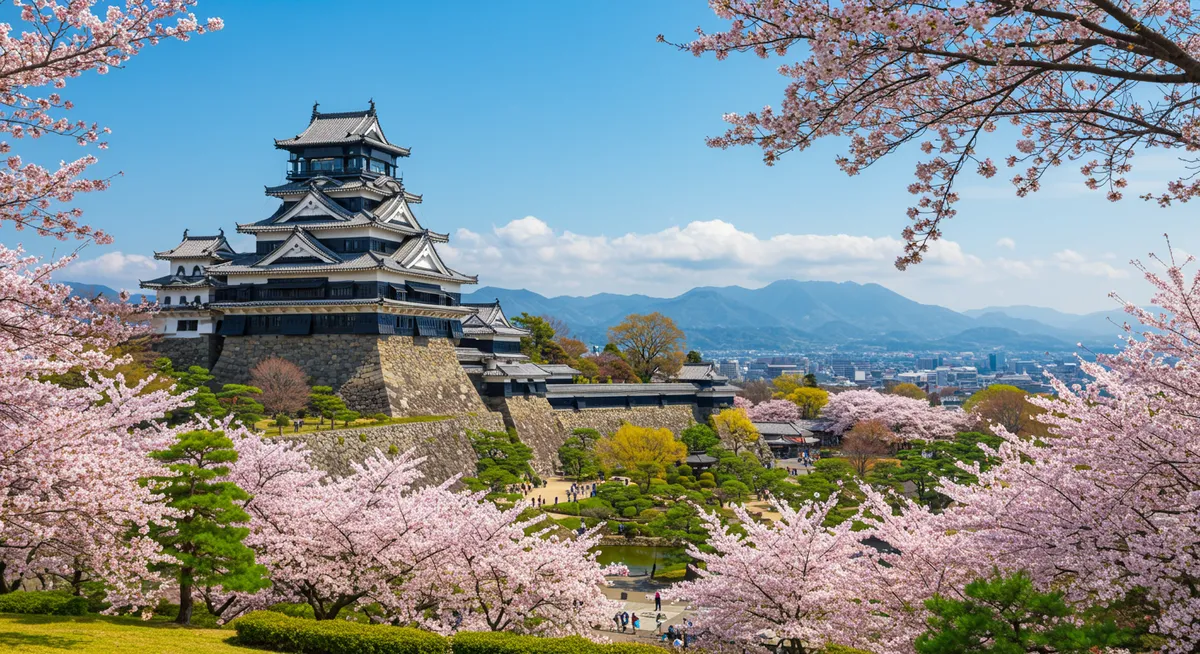
During spring, Kumamoto bursts into color with cherry blossoms (sakura) in full bloom. Parks and historical sites, like Kumamoto Castle and Suizenji Garden, become picturesque spots for hanami (flower viewing). The mild temperatures make it ideal for exploring outdoor attractions and enjoying local festivals. Therefore, spring is perfect for those seeking scenic beauty and cultural experiences.
In autumn, the landscape transforms with vibrant foliage, as maple and ginkgo trees display brilliant shades of red, orange, and gold. This season offers comfortable temperatures for hiking around Mount Aso and exploring the various landmarks in Kumamoto. Moreover, autumn provides a serene and visually stunning backdrop for your Kumamoto adventure.
Summer (June to August) can be hot and humid, with occasional rain. While it’s still possible to visit, be prepared for the weather conditions and plan accordingly. Winter (December to February) is relatively mild, but it can be chilly, especially in mountainous areas like Mount Aso. However, winter offers unique experiences, such as enjoying hot springs (onsen) and fewer crowds at popular attractions. Consider your priorities and preferences when deciding the best time for your Kumamoto itinerary.
5. How Many Days in Kumamoto is Ideal
Deciding how many days to spend in Kumamoto depends largely on your interests and how deeply you want to explore the region. For a quick overview of the city’s main attractions, a two to three-day trip will suffice. However, to truly experience the diverse offerings of Kumamoto, including its historical sites, natural landscapes, and cultural experiences, a four to five-day itinerary is highly recommended. This allows for a more relaxed pace and the opportunity to venture beyond the city center.
Short Trip (2-3 Days)
If you’re short on time, focus on Kumamoto City’s highlights. Begin with a visit to the reconstructed Kumamoto Castle, a symbol of the city’s resilience. Afterward, explore Suizenji Garden, a beautifully landscaped traditional Japanese garden. Allocate some time to stroll through the city center, enjoying local cuisine and shopping. This condensed itinerary provides a taste of Kumamoto’s historical and cultural essence. Don’t forget to check out local landmarks.
Extended Stay (4-5 Days)
With a longer stay, you can delve deeper into Kumamoto’s offerings. Dedicate a day to exploring **Mount Aso**, one of the world’s largest active volcanoes. Enjoy the stunning views and consider a hike around the caldera. Also, take a day trip to the charming town of Kurokawa Onsen, known for its traditional hot springs and ryokans. This extended itinerary allows you to experience both the urban and natural beauty of Kumamoto. Moreover, consider experiencing local Kumamoto adventures.
Tailoring Your Itinerary
Consider your personal interests when planning your Kumamoto itinerary. If you’re a history buff, spend extra time at Kumamoto Castle and the surrounding historical sites. Nature enthusiasts will relish the opportunity to explore Mount Aso and the region’s numerous parks and gardens. Foodies should indulge in Kumamoto’s local specialties, such as basashi (horse meat sashimi) and ramen. Also, for things to do in Kumamoto, be sure to check the local events calendar for festivals or cultural activities happening during your visit to immerse yourself into the city’s culture.
Considering Travel Time
Keep in mind that travel time between attractions can impact your itinerary. While Kumamoto City is relatively compact and easily navigable, reaching Mount Aso or Kurokawa Onsen requires additional travel time. Plan accordingly to maximize your time and minimize stress. So, if you are looking at Kumamoto attractions further out, make sure that you plan for travel time. Furthermore, factoring in travel time will make your vacation more relaxing.
Final Thoughts
Ultimately, the ideal length of your Kumamoto itinerary depends on your personal preferences and priorities. Whether you opt for a quick getaway or an extended exploration, Kumamoto offers a wealth of experiences to captivate every traveler. Plan wisely, embrace the unexpected, and prepare for an unforgettable journey. Be sure to also explore Kumamoto experiences to truly make the most of your trip!
Day 1: Discovering Kumamoto City’s Historical Heart
Morning Activities
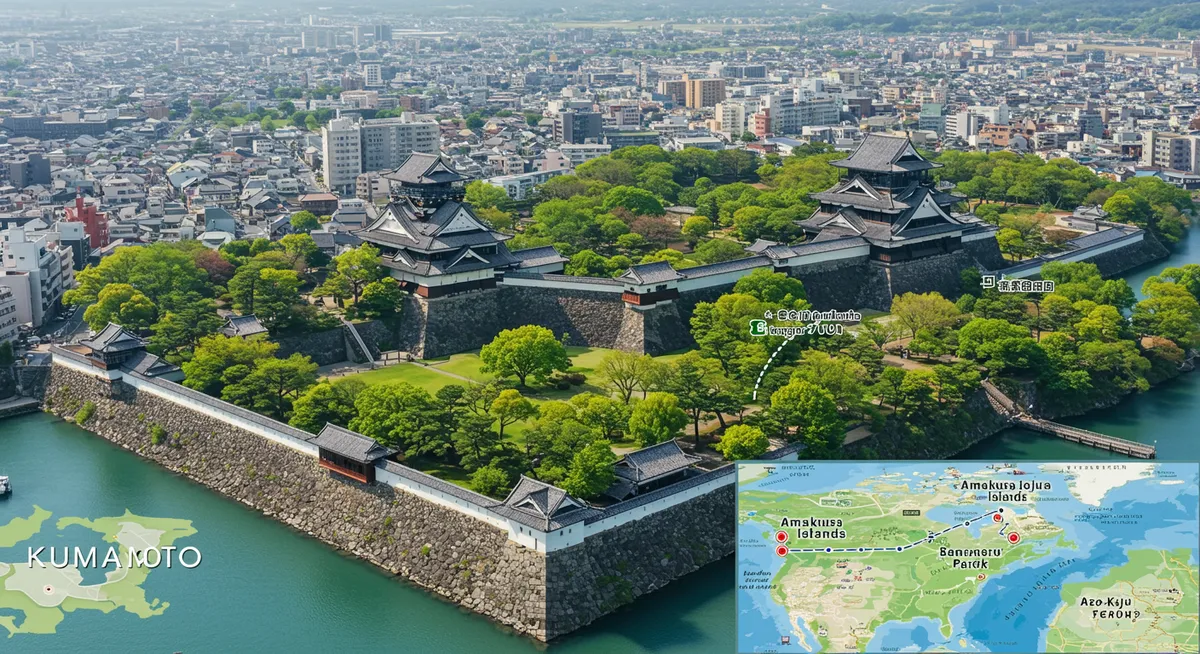
Begin your Kumamoto itinerary by immersing yourself in the city’s rich history. Start at Kumamoto Castle, a landmark that embodies the spirit of the region. Although partially under restoration following the 2016 earthquake, its majestic presence is still awe-inspiring. Wander through the castle grounds, explore the reconstructed structures, and learn about its strategic importance during feudal times. After that, take a stroll through Josaien, a charming historical district at the base of the castle, offering a glimpse into Kumamoto’s traditional crafts and cuisine.
Midday Exploration & Lunch
For lunch, indulge in some local delicacies. Kumamoto is famous for its basashi (raw horse meat) and karashi renkon (lotus root stuffed with mustard). Find a local restaurant near the castle or in the city center to savor these unique flavors. After lunch, make your way to the Honmyo-ji Temple, one of Kumamoto’s most significant Buddhist temples. Explore its tranquil grounds and admire the stunning architecture, which provides a peaceful retreat from the bustling city.
Afternoon Adventures
In the afternoon, visit the Prefectural Government Building Disaster Prevention Centre. This modern museum offers insights into the 2016 Kumamoto earthquake and recovery efforts. It is both informative and poignant, shedding light on the resilience of the Kumamoto people. Afterward, explore the nearby Contemporary Art Museum Kumamoto, which features diverse exhibitions. For those seeking a more hands-on experience, consider a cultural activity in Kumamoto.
Evening Experiences
As evening approaches, head to Sun Road Shinshigai, Kumamoto’s vibrant shopping street. Here, you can explore a variety of shops, from traditional crafts to modern fashion. For dinner, immerse yourself in Kumamoto’s nightlife by visiting a local izakaya (Japanese pub). Sample regional sake and enjoy a variety of small dishes that showcase local ingredients. Alternatively, check out Kumamoto’s nightlife scene for other options.
Insider Tips & Final Thoughts
Make sure to check the opening hours of Kumamoto Castle before your visit, as reconstruction schedules may affect access. Public transportation, including trams and buses, is a convenient way to get around the city. Consider purchasing a day pass if you plan to visit multiple attractions. For a deeper dive into the region, explore things to do in Kumamoto. In summary, your first day offers a blend of history, culture, and local flavors, setting the stage for an unforgettable Kumamoto adventure.
Day 2: Journey to Majestic Kumamoto Castle
⭐ Recommendation: Don't miss out on amazing Kumamoto tours - book now!
Morning Activities: Exploring the Castle Grounds
Begin your second day with a visit to the iconic **Kumamoto Castle**, a symbol of the city’s resilience and historical significance. Even though the castle is still undergoing restoration following the 2016 earthquake, the surrounding grounds are open to the public and offer a fascinating glimpse into its past. Start by exploring the **castle park**, where you can admire the imposing stone walls and reconstructed turrets. The views of the city from the higher vantage points are truly breathtaking. Don’t forget to capture some memorable photos of this iconic landmark.
Midday Exploration & Lunch: Castle Town and Local Cuisine
After exploring the castle grounds, take a stroll through the **castle town**, known as Josaien. Here, you’ll find a charming collection of shops and restaurants offering local crafts and cuisine. For lunch, indulge in some **Kumamoto ramen**, known for its rich pork broth and garlic oil. Alternatively, try some *karashi renkon* (lotus root stuffed with mustard) for a unique local flavor. As you wander through the streets, soak in the atmosphere of this historic area and learn about the castle’s role in the region’s history. Consider visiting the cultural spots available.
Afternoon Adventures: Honmaru Goten Palace and Museum
In the afternoon, make your way to the **Honmaru Goten Palace**, a meticulously reconstructed palace within the castle grounds. Step back in time as you explore the opulent rooms and learn about the lives of the feudal lords who once resided here. Afterwards, visit the **Kumamoto City Museum**, located nearby, to delve deeper into the city’s history and culture. The museum offers a comprehensive overview of Kumamoto’s past, from its ancient origins to the present day. It’s a great way to gain a deeper appreciation for the city’s heritage.
Evening Experiences: Dinner and Night Views
As evening approaches, treat yourself to a delicious dinner at one of Kumamoto’s many restaurants. You can find everything from traditional Japanese cuisine to international flavors. After dinner, consider heading back to the castle grounds to admire the illuminated castle at night. The sight of the castle bathed in light is truly magical and provides a perfect end to your day. Alternatively, explore Kumamoto’s nightlife for a unique local experience.
Insider Tips & Final Thoughts
– **Check the Restoration Progress:** Before your visit, check the official Kumamoto Castle website for updates on the restoration progress and any potential closures.
– **Wear Comfortable Shoes:** You’ll be doing a lot of walking, so make sure to wear comfortable shoes.
– **Learn Basic Japanese Phrases:** While many tourist spots have English signage, knowing some basic Japanese phrases will enhance your experience.
For more things to do in Kumamoto, check out our list of activities. Be sure to explore more Kumamoto experiences to make your trip unforgettable.
8. Day 3: Exploring the Volcanic Wonders of Mount Aso
Morning Activities: Journey to Mount Aso
Begin your day with an early start as you embark on a journey to **Mount Aso**, one of the world’s largest active volcanoes. The drive itself is scenic, passing through lush landscapes that gradually transform into volcanic terrain. The best way to get there is typically by car or organized tour, since public transport options can be limited. Upon arrival, take in the sheer scale of the Aso caldera, a breathtaking spectacle of nature’s power. It’s a can’t-miss stop on your Kumamoto itinerary.
Midday Exploration & Lunch: Aso Volcano Museum & Kusasenri Grasslands
After reaching Mount Aso, visit the **Aso Volcano Museum** to learn about the geology and history of the volcano. You’ll gain valuable insights into the volcanic activity and the unique ecosystem that has formed around it. Following the museum, head to **Kusasenri**, a vast grassland within the caldera. This is an ideal spot for a leisurely walk and taking in the panoramic views. Pack a picnic or enjoy lunch at one of the local restaurants offering regional specialties. Consider trying *Akaushi* beef, a local delicacy.
Afternoon Adventures: Hiking Near the Crater & Aso Shrine
Depending on volcanic activity, you may have the opportunity to hike closer to the crater. Always check local advisories and follow safety guidelines. The views from the rim are awe-inspiring, providing a firsthand look into the active volcanic vent. Alternatively, you can visit **Aso Shrine**, a historically significant Shinto shrine that has been rebuilt after earthquake damage. The shrine offers a serene contrast to the dramatic volcanic landscape. Discover various Kumamoto experiences near Mount Aso.
Evening Experiences: Relaxing Onsen & Local Cuisine
After a day of exploration, unwind in one of the many **onsen (hot springs)** located near Mount Aso. These geothermal baths offer relaxation and therapeutic benefits, providing a perfect end to an adventurous day. For dinner, explore local restaurants in the Aso area. These establishments serve hearty regional dishes, showcasing Kumamoto’s rich culinary heritage. Don’t forget to sample local sake to complete your dining experience. For something different, check out the local Kumamoto nightlife nearby.
Insider Tips & Final Thoughts
– **Check Volcanic Activity:** Before heading to Mount Aso, check the latest volcanic activity reports and safety advisories. Certain areas may be closed due to increased activity.
– **Wear Comfortable Shoes:** You’ll be doing a lot of walking, so comfortable shoes are essential.
– **Bring Layers:** The weather in the mountains can be unpredictable, so bring layers to adjust to changing conditions.
Exploring Mount Aso is an unforgettable experience that combines natural beauty with geological wonders. Take your time, respect the environment, and enjoy the unique landscapes that this region has to offer. For more travel tips and Kumamoto adventures, visit our website.
Day 4: Tranquility at Suizenji Garden and Traditional Arts
Morning Activities: Discovering Suizenji Jojuen Garden
Begin your day with a serene visit to **Suizenji Jojuen Garden**, a meticulously landscaped Japanese garden that replicates the 53 post stations of the Tokaido Road. Stroll around the central pond, which represents Lake Biwa, and admire the miniature Mount Fuji. The garden offers a peaceful escape and a glimpse into traditional Japanese landscape design. Take your time to enjoy the meticulously crafted scenery and the tranquil atmosphere that permeates every corner. This is also a fantastic spot for photography, so don’t forget your camera!
Midday Exploration & Lunch: Traditional Arts and Crafts
After immersing yourself in the beauty of Suizenji Garden, delve into Kumamoto’s rich artistic heritage. Visit a local craft center to witness artisans at work, creating traditional crafts like Higo Zogan (damascene) or Kumamoto embroidery. Consider participating in a workshop to try your hand at these traditional arts. For lunch, savor local Kumamoto cuisine at a nearby restaurant. Try the *taipiien* (vermicelli noodle soup), a regional specialty. Explore more about Kumamoto’s culture.
Afternoon Adventures: Kimono Experience and Tea Ceremony
For a truly immersive cultural experience, consider a **kimono experience**. Dress in a beautiful kimono and stroll through Suizenji Garden, capturing memorable photos. Alternatively, participate in a traditional Japanese tea ceremony, where you’ll learn about the intricate rituals and etiquette involved in preparing and enjoying matcha. This is a unique opportunity to understand and appreciate the refined art of Japanese hospitality and mindfulness. Alternatively, explore more Kumamoto experiences.
Evening Experiences: Relaxing Dinner and Local Brews
As the day winds down, indulge in a relaxing dinner at a local izakaya (Japanese pub). Sample Kumamoto’s regional delicacies, such as *basashi* (horse meat sashimi) or *karashi renkon* (lotus root stuffed with mustard). Pair your meal with local Kumamoto sake or shochu for a complete culinary experience. Enjoy the lively atmosphere and the chance to interact with locals, gaining a deeper appreciation for Kumamoto’s vibrant nightlife. Discover more nightlife activities in Kumamoto.
Insider Tips & Final Thoughts
For the best kimono experience, book in advance, especially during peak seasons. Check for local events or festivals happening during your visit, as they often feature traditional performances and crafts. Remember to respect local customs and etiquette, particularly during the tea ceremony. Finally, don’t hesitate to explore beyond the main attractions. Kumamoto is full of hidden gems and unique local experiences waiting to be discovered. Consider a guided tour to uncover these secrets.
For more exciting things to do in Kumamoto, check our website. Also, view Kumamoto attractions.
Day 5: Uncovering Kumamoto’s Hidden Gems and Local Life
Morning Activities: Exploring Local Markets
Start your day by immersing yourself in the local culture at one of Kumamoto’s vibrant markets. Consequently, you’ll find an array of fresh produce, local crafts, and delicious street food. For example, Kamitori and Shimotori shopping streets offer an authentic glimpse into daily life. Explore the stalls, sample regional delicacies, and chat with the friendly vendors. Moreover, this experience provides an intimate connection to Kumamoto’s local community and its culinary traditions. You can find unique souvenirs and gifts while supporting local businesses, as well. It’s a fantastic way to kick off your final day, setting the stage for more authentic experiences.
Midday Exploration & Lunch: Discovering Tatsuta Nature Park
Next, head to Tatsuta Nature Park, a serene escape from the city bustle. This park offers a peaceful setting to enjoy Kumamoto’s natural beauty. Stroll along the walking trails, admire the lush greenery, and relax by the picturesque ponds. Also, consider packing a picnic lunch to enjoy amidst the tranquil surroundings. Alternatively, several charming cafes nearby offer local cuisine. Afterward, you’ll feel refreshed and rejuvenated, ready for an afternoon of deeper exploration. The park’s calm ambiance makes it an ideal spot for reflection and relaxation.
Afternoon Adventures: Visiting Honmyo-ji Temple
In the afternoon, visit Honmyo-ji Temple, one of Kumamoto’s most significant Buddhist temples. The temple is renowned for its stunning architecture and peaceful atmosphere. Explore the temple grounds, admire the intricate details of the buildings, and learn about its rich history. Further, the temple provides a profound insight into Kumamoto’s spiritual heritage. As you wander through the serene environment, you’ll find a sense of tranquility and connection to the past. Be sure to take your time and soak in the spiritual ambiance. It’s a truly enriching experience that offers a different perspective on Kumamoto.
Evening Experiences: Enjoying Kumamoto’s Nightlife
As evening approaches, experience Kumamoto’s vibrant nightlife. From cozy izakayas to modern bars, there’s something for everyone. Sample local sake and regional dishes while mingling with locals and fellow travelers. For instance, the area around Kumamoto Station offers a variety of dining and entertainment options. Furthermore, live music venues and traditional pubs create an unforgettable night. Additionally, if you’re interested in more Kumamoto nightlife, there are many options to explore. It’s a perfect way to conclude your Kumamoto itinerary, leaving you with lasting memories of this charming city.
Insider Tips & Final Thoughts
– **Transportation:** Utilize Kumamoto’s efficient public transport or rent a bicycle for easy exploration.
– **Local Cuisine:** Don’t miss trying local specialties such as Kumamoto ramen and basashi (horse meat sashimi).
– **Cultural Immersion:** Engage with locals, learn a few basic Japanese phrases, and embrace the unique customs of Kumamoto.
For more information, explore things to do in Kumamoto and discover even more Kumamoto attractions to plan your next visit!
Following this detailed Kumamoto itinerary ensures you experience the best of this captivating city. From the historical depths of Kumamoto Castle to the natural wonders of Mount Aso, and the serene beauty of Suizenji Garden, Kumamoto offers a diverse range of attractions. Start planning your unforgettable Kumamoto adventure today!
 Top 20 Kumamoto HighlightsFebruary 16, 2025
 Things To Do in KumamotoFebruary 15, 2025
 Top 15 Kumamoto AdventuresFebruary 11, 2025