15 Best Things To Do In Hiroshima During Cherry Blossom Season (2026 Guide)
Discover the best things to do in Hiroshima during cherry blossom season in 2026. From Peace Park picnics to Miyajima views and Sera's weeping cherry tunnels.
On this page
15 Best Things To Do In Hiroshima During Cherry Blossom Season (2026 Guide)
Quick answer: The best things to do in Hiroshima during cherry blossom season in 2026 are stroll Peace Memorial Park along the Motoyasu River, ferry to Miyajima for Itsukushima Shrine views, picnic under 450 trees at Hiroshima Castle moat, walk Shukkeien Garden, and ride the ropeway to Senkoji Park in Onomichi. Peak bloom hits the city late March to early April 2026.
Hiroshima's sakura season is shorter than Tokyo's and meaningfully different in tone — the same trees that frame the Atomic Bomb Dome are, in some cases, the original survivors of 1945. Plan around the Japan Meteorological Corporation forecast, base yourself near the Hondori or Kamiyacho streetcar lines, and split your days between city walks, a Miyajima ferry, and one inland highland trip. For the full attraction set across the year, see the Hiroshima attractions guide; for spot-by-spot peak dates, the companion Hiroshima cherry blossom and hanami viewing spots 2026 roundup tracks bloom progression in real time.
Hiroshima 2026 Cherry Blossom Forecast at a Glance
Based on typical Japan Meteorological Corporation patterns, Hiroshima city's Yoshino cherry trees are projected to start opening around 22–25 March 2026, hit peak (full) bloom roughly 29 March – 4 April 2026, and finish by mid-April. Coastal Miyajima runs 1–3 days behind the city; highland Sera and Yachiyo Lake peak around mid-April. Always confirm against the official Japan Meteorological Corporation forecast 7–10 days before travel.
- First bloom (kaika): ~23 March 2026
- Full bloom (mankai): ~31 March 2026
- City top spots: Hiroshima Castle moat, Peace Memorial Park, Shukkeien Garden, Hijiyama Park
- Day-trip top spots: Senkoji Park (Onomichi), Sera Kogen, Yachiyo Lake
Stroll Through Hiroshima Peace Memorial Park
Peace Memorial Park is the emotional anchor of Hiroshima's hanami season. Over 300 Yoshino cherry trees line the Motoyasu River, forming a soft pink corridor that ends at the skeletal Atomic Bomb Dome — a juxtaposition you will not find at any other sakura site in Japan.
The park is open 24 hours and free to enter; the streetcar stop is Genbaku-domu Mae on Hiroden lines 2 and 6. Arrive before 09:00 for unobstructed photography of the dome with blossoms in the foreground, or come back after 18:30 when the riverbank trees are softly up-lit during the late-March peak. Official park information is maintained by the City of Hiroshima.
The strip of grass between the Motoyasu River and the Children's Peace Monument fills with families and office groups laying out blue tarps from late afternoon. Combine your walk with the Peace Memorial Museum (open 08:30–18:00 in March, 200 yen) so the park reads as more than a picnic site.
See the A-Bomb Survivor Cherry Trees (Hibakujumoku)
Roughly 170 trees in central Hiroshima were within 2 km of the 1945 hypocentre and lived. They are catalogued as hibakujumoku — survivor trees — and several are sakura. Most cherry-blossom roundups skip this entirely, which is why this is the single most worthwhile detour you can add to a Peace Park visit.
Three are easy to find on foot. A weeping cherry stands inside the grounds of Hosenbo Temple in Naka-ku, around 1.5 km from the hypocentre. A Yoshino at Anraku-ji Temple in the Ushita-honmachi district was charred but resprouted. The most famous specimen sits beside the moat at Hiroshima Castle. Each tree is marked with a small bronze plaque in Japanese and English noting its distance from ground zero.
The non-profit Green Legacy Hiroshima distributes seeds from these trees to peace organisations worldwide, so the saplings outside Hiroshima Castle's main keep are direct descendants of survivors. Standing under those branches in full bloom is a reminder that hanami here is not only seasonal beauty — it is also deliberate, decades-long regeneration.
Take the Ferry to Miyajima Island
Miyajima delivers the most-photographed spring scene in western Japan: roughly 2,000 cherry trees framing the vermilion Itsukushima Shrine and its offshore torii gate. The shrine reopened fully after the 2019–2022 torii restoration, so 2026 is the first stable post-renovation cherry blossom season with both structures unscaffolded.
JR ferry from Miyajimaguchi (covered by the JR Pass) takes 10 minutes and runs every 15 minutes from 06:25; aim for a 07:30 crossing to beat the day-trip wave. The Miyajima Visitor Tax (100 yen) is collected on the return ferry. Use the Hiroshima and Miyajima 2 day itinerary map to slot the island into a half-day, and consult the Dive Hiroshima Miyajima Guide for trail conditions on Mount Misen.
For the densest blossoms, walk 10 minutes inland from the shrine to Tahoto Pagoda and continue to Momijidani Park, which mixes Yoshino, weeping, and mountain cherry varieties. Tide tables matter: a high tide between 11:00 and 14:00 produces the floating-torii reflection shot, while low tide lets you walk to the gate's base under the petals.
View the Blossoms at Hiroshima Castle
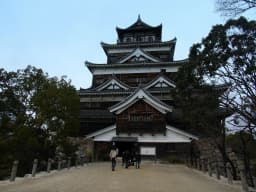
Hiroshima Castle's moat carries roughly 450 cherry trees and is consistently rated by the Japan Sakura Association as one of the country's top 100 viewing sites. The trees concentrate along the outer moat near the Ninomaru gate, with a second cluster ringing the castle keep itself.
The grounds are free and open 24 hours; the reconstructed keep (1958) charges 370 yen and runs 09:00–18:00 in March. The site is also featured in the wider 15 best things to do in Hiroshima 2026 roundup, and reconstruction history is documented at the Hiroshima Castle official portal.
The annual Hiroshima Castle Sakura Matsuri runs during peak bloom week (typically the weekend bracketing 1 April) with food stalls inside the Ninomaru. Evening illuminations operate from sunset until 22:00 during the festival; bring a lightweight jacket because the moat creates a notable cold pocket after dark.
Experience Traditional Hanami at Shukkeien Garden
Shukkeien is a 17th-century Edo-period strolling garden a 10-minute walk from Hiroshima Station. Its compressed scenery — miniature mountains, ponds and bridges referencing China's West Lake — frames the cherry blossoms more theatrically than any open park.
Entry is 260 yen (190 yen with a Hiroden one-day pass), open 09:00–18:00 in March. Plum and early cherry varieties overlap here, so a visit between 18 and 25 March often rewards you with two layers of blossom in one frame. The Koko-kyo bridge over the central pond is the iconic vantage point.
The garden runs a special evening illumination ("Hana-no-kai") for roughly seven nights during peak bloom — extended hours until 21:00, separate evening ticket 260 yen. Combine it with the Hiroshima Museum of Art directly across the street for a quiet rainy-afternoon plan.
Visit the Weeping Cherry Tunnels at Sera Kozan Fureai no Sato
Sera Kozan Fureai no Sato sits on the highland plateau two hours northeast of the city and is built around tunnels of shidarezakura — weeping cherries whose branches arc over the walking paths. The cooler altitude (around 450 m) pushes peak bloom roughly two weeks behind central Hiroshima, so this is the spot to chase if you arrive after the city has already finished.
Entry is 800 yen for adults, open 08:00–18:00 in April with night illumination on weekends during peak. Access is most practical by car; without one, the Hiroshima Bus Center runs an express seasonal coach (around 2,200 yen one-way) only during the bloom window — check timetables before travelling.
Beyond the headline weeping tunnels, the park's itozakura single specimens are 200+ years old and rope-framed for protection. Tripod use is permitted outside marked zones, which is rare at major Japanese sakura sites and explains the photography-club crowds.
Explore the "City of Flowers" at Sera Kogen Farm
Sera Kogen Farm is a 15-hectare working agricultural park with rotating seasonal flower displays. During cherry blossom season — generally 5–25 April — the focus shifts to 75,000 tulips planted between rows of late-blooming sakura, producing a striped pink-and-red landscape that is impossible to match in the city.
Entry is 1,000 yen, open 09:00–17:00. The farm sits 40 minutes by car from JR Onomichi Station; pair it with Senkoji Park for a single full-day inland trip. The on-site cafe sells sakura-soft-serve and lavender honey ice-cream that change with the bloom.
This is the most family-friendly inland option — the open fields handle strollers, there are pick-your-own flower workshops on weekends, and the parking is uncrowded compared with the central city sites during peak weekend.
Take the Ropeway to Senkoji Park in Onomichi
Senkoji Park crowns the hill above Onomichi with around 1,500 cherry trees and a Seto Inland Sea panorama that reaches across the Shimanami Kaido bridges. The park is permanently listed in Japan's top 100 hanami sites.
The ropeway runs every 15 minutes from 09:00 to 17:15 and costs 500 yen one-way or 700 yen round-trip. Buy one-way and walk the descending Temple Walk past 25 small shrines and the famous "Path of Literature" stone-engraved poems. Onomichi Station is a 90-minute Shinkansen-plus-local-train run from Hiroshima.
The hill catches good late-afternoon light, so a 15:30 ascent puts you on the summit deck for sunset over the islands. Onomichi ramen shops near the station stay open until 19:00 in spring, which makes this an easy linear day-trip with no doubling back.
See the Rare Trees at Hiroshima Botanical Garden
The Hiroshima Botanical Garden in Saeki-ku grows more than 60 cherry varieties — far beyond the standard Yoshino monoculture. The collection includes kanhizakura, okame, kawazuzakura and the late-blooming kiku-zakura, which means the garden has continuous bloom from late February through late April.
Entry is 510 yen, open 09:00–16:30, closed Fridays. Take the JR Sanyo line to Itsukaichi, then a 15-minute Hiroden bus to "Shokubutsu-kōen mae". This is the only spot in the prefecture where you can compare 60+ varieties side by side with botanical labelling, which makes it valuable for travellers who arrive a week before or after the Yoshino peak.
Spring weekends include free guided tours led by curators (Japanese only, but the printed handout is bilingual). The greenhouse is a useful rainy-day fallback when the outdoor sakura is being battered by a spring storm.
Picnic with Locals at Hijiyama Park
Hijiyama Park is where Hiroshima locals — not tourists — go for full-on hanami parties. Roughly 1,300 cherry trees cover the 70-metre-high hill, and the flat plateau near the Hiroshima City Museum of Contemporary Art holds the largest concentration of weekend picnic groups.
Free entry, 24 hours. The closest stop is Hijiyama-shita on Hiroden lines 1 and 5. Allow a 10-minute walk uphill from the streetcar; benches are scarce, so bring a tarp. The MOCA charges 370 yen with a sakura-week discount and is a useful air-conditioned reset between picnic sessions.
This is the spot where you will see the basho-tori custom in full effect — junior staff arriving at 06:00 to claim a tarp position for a company hanami later that night. It is the most authentic local experience on this list and entirely free to observe.
Discover the Rare Eba-no-yamazakura at Ebayama Park
Ebayama Park protects a single endemic cultivar — Eba-no-yamazakura — that grows only on this hilltop. The flowers carry around 16 petals each, against the standard five for Yoshino, giving the trees an almost double-blossom appearance.
Entry is free, open 24 hours. From Hiroshima Station take Hiroden line 5 to Ebamachi terminus (35 minutes), then walk 12 minutes uphill. The site combines with the small Ebayama Meteorological Museum (100 yen) housed in a 1935 weather station that survived the bomb at 3.4 km.
Crowds are minimal even at peak — a useful escape valve when Hiroshima Castle and Peace Park are over capacity on the first April Saturday. Bring water; the hill has no vending machines past the entrance.
View 6,000 Trees at Yachiyo Lake (Haji Dam)
Yachiyo Lake (Haji Dam) holds the densest sakura concentration in Hiroshima Prefecture — over 6,000 trees ringing a 4 km reservoir 50 km north of the city. The lake's elevation (310 m) places peak bloom 4–7 days behind central Hiroshima.
Free parking, no entry fee. Drive time from Hiroshima Station is 75 minutes via the Chugoku Expressway. There is no usable public transport here, which is precisely why the crowd density stays low even on peak Sunday. Rental cars from the station start at around 6,500 yen per day.
Pedal-boats on the lake (1,000 yen / 30 minutes) operate from late March through Golden Week, providing the only water-level view of cherry blossoms in the prefecture outside the Hiroshima river cruise. Sunrise here, with mist still on the water, is the best mountain-cherry photograph available within driving distance of the city.
Walk the Three Waterfalls at Mitaki-dera Temple
Mitaki-dera, three stops north of Hiroshima Station on the JR Kabe line, is the city's quietest hanami spot — a forested mountain temple with three named waterfalls, mossed stone lanterns, and roughly 100 cherry trees mixed with maples. It rarely makes English-language top-10 lists despite being a 15-minute train ride from the centre.
Free entry, open 08:00–17:00. The 800-metre walk uphill from Mitaki Station is paved and gentle. The vermilion Tahoto pagoda framed by sakura branches is the signature shot; arrive before 10:00 for the morning shaft of light through the cedar canopy.
The temple's matcha tea-house at the third waterfall serves seasonal sakura-mochi (500 yen with tea) on a wooden veranda overlooking the falls. This is the closest you can get to a remote-mountain temple atmosphere without leaving the city ward.
Cruise the Riverside on the Hiroshima River Cruise
The Hiroshima River Cruise from Motoyasu Pier is a 45-minute round trip down the Motoyasu and Honkawa rivers and is timed to coincide with peak bloom dates each year. Boats depart hourly between 10:00 and 16:00 from late March through 10 April.
Tickets are 2,200 yen for adults, 1,100 yen for children. Reserve at least 24 hours ahead during peak weekend; sailings sell out by mid-morning. If you are arriving from elsewhere, the how to get to Hiroshima from Tokyo and Osaka guide covers the Shinkansen options for matching your cruise reservation.
The water-level perspective is the only way to see the full ribbon of riverside Yoshino without crowds in the frame, which makes the cruise the single best photography option for the central Peace Park strip during peak weekend.
Join a Guided Peace Walking Tour
Local guided walks layer survivor testimony and tree-by-tree history onto the Peace Park route. Most operators run 2.5-hour morning departures (09:30 from the Atomic Bomb Dome) priced 3,500–5,000 yen; the Hiroshima City volunteer guides offer free 90-minute walks on weekends with 7-day advance booking.
You can browse spring departures alongside the wider Hiroshima activities calendar. Guides typically point out the survivor trees, the Korean Memorial, the Children's Peace Monument and the original A-Bomb Dome stairs that are otherwise easy to miss.
Pair a morning Peace Walk with an afternoon Castle visit and an evening Shukkeien illumination for a complete in-city day during peak bloom — no transit gaps, all reachable on a single Hiroden one-day pass (700 yen).
Sample Seasonal Hiroshima Cuisine and Sake
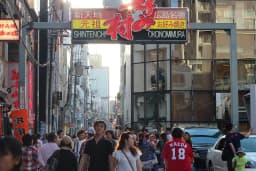
Spring food in Hiroshima centres on sakura-dai (sea bream, in season because the spawning fish turn pink), bamboo-shoot tempura, and limited-edition sakura okonomiyaki served with cherry-leaf-cured pork at Okonomimura on the 2nd–4th floors of the Shintenchi building.
Saijo, a 35-minute JR Sanyo train east of Hiroshima, holds nine working sake breweries in a single 700-metre walk. Several release a cloudy spring nigori in March that is sold only on-site; Kamotsuru and Hakubotan both run free 30-minute tastings (300 yen for premium flights) and are walking distance from Saijo Station.
Inside the city, the basement food halls of Sogo and Mitsukoshi sell elaborate hanami bento boxes (1,500–3,500 yen) from 09:30 — buy before noon and eat at Hiroshima Castle or Hijiyama Park by 14:00 for the most-photographed Hiroshima spring meal.
Hanami Etiquette and Tarp Rules in Hiroshima
Hiroshima's parks are stricter than Tokyo's and almost no English guide explains the rules. Picnicking is permitted at Peace Park, Hiroshima Castle outer grounds, Hijiyama Park, and Yachiyo Lake. Picnicking is banned at Shukkeien, Mitaki-dera and inside the castle's inner Ninomaru.
The local custom of basho-tori (place-holding) is real: a junior staff member arrives at dawn, lays a 2x2 m blue tarp, weighs the corners with shoes (never bags — pickpocket risk), and waits until the team arrives at sunset. You can buy the tarp at any Don Quijote (around 400 yen) and at the Lawson opposite the castle's east gate. Disposable tarps left behind are fined; pack yours out.
Open-flame grills, fireworks and amplified speakers are banned at every site listed above. Alcohol is permitted but glass bottles are banned at Peace Park and Hijiyama. The single most-overlooked rule: shaking branches for petal-fall photos is treated as park damage and can attract a 1,000 yen on-the-spot fine from castle staff.
Hiroshima Cherry Blossom Season: Planning Tips for 2026
Book accommodation by mid-January for late-March travel — central Hiroshima hotels (around the Hondori arcade and Hiroshima Station) routinely sell out 8–10 weeks before peak weekend. The most useful how to get around Hiroshima by streetcar and bus resource will save you the rental-car cost in-city; reserve a small kei car only for the Sera or Yachiyo day-trip.
Pack a fold-up tarp, a slim power bank, and one waterproof layer. Spring temperatures swing from 8°C at dawn to 22°C by mid-afternoon; petal-rain days are typically 12–18°C with light wind. The Japan Meteorological Corporation updates its Hiroshima forecast every Wednesday from late February — bookmark and check 10 days before flying.
If your dates land before the Yoshino peak, prioritise Shukkeien (early plums and weeping cherries) and the Botanical Garden (60 varieties). After the Yoshino peak, swap toward Sera Kogen, Yachiyo Lake and the Botanical Garden's late-blooming kiku-zakura. The forecast is a recommendation, not a guarantee — every year roughly 1 in 5 visitors arrives a week early or a week late, and the spread strategy above is the only reliable insurance.
Frequently Asked Questions
When is the best time to see cherry blossoms in Hiroshima?
The peak bloom typically occurs between late March and early April in central Hiroshima — for 2026, expect first bloom around 23 March and full bloom around 31 March. Coastal areas like Miyajima bloom 1–3 days later than the city center. Inland spots like Sera often peak in mid-April due to cooler mountain temperatures. Always check the official Japan Meteorological Corporation forecast for real-time updates.
Is Miyajima worth visiting during sakura season?
Yes, Miyajima is one of the most beautiful spots in Japan during spring. The sight of 2,000 cherry trees framing the Great Torii gate and Itsukushima Shrine is unforgettable. It can be very crowded, so arriving early in the morning is the best way to enjoy the scenery.
How do I get from Hiroshima city to the Sera flower farms?
The easiest way to reach Sera is by renting a car for a 60-90 minute drive. There are also express buses from the Hiroshima Bus Center that take about two hours. Since the farms are spread out, having your own vehicle offers the most flexibility for a day trip.
What are the best night-time cherry blossom spots in Hiroshima?
Peace Memorial Park and Hiroshima Castle offer beautiful evening illuminations that are very popular with locals. Shukkeien Garden also hosts special night entry events during the peak bloom week. These spots provide a magical atmosphere as the trees are lit from below against the dark sky.
What is the predicted peak bloom date for Hiroshima in 2026?
For 2026, Hiroshima's Yoshino cherry trees are projected to open around 22–25 March, reach full bloom roughly 29 March – 4 April, and finish by mid-April. Hiroshima Castle moat, Peace Memorial Park, and Shukkeien Garden hit peak first; Miyajima follows 1–3 days later, and highland Sera Kogen peaks closer to 12–18 April. Final forecasts from the Japan Meteorological Corporation update weekly through March.
What should I wear for a spring trip to Hiroshima?
You should wear layers because temperatures can range from 10°C to 20°C in a single day. A light jacket or sweater is necessary for the mornings and evenings. Comfortable walking shoes are essential as you will likely spend a lot of time exploring parks and shrines on foot.
Hiroshima's hanami season is short, layered, and unlike anywhere else in Japan — survivor trees beside an A-bomb dome, a vermilion torii framed in petals, and weeping-cherry tunnels two hours inland that bloom on a separate calendar. Plan around the JMC forecast, book central lodging by January, and split your days between Peace Park, Miyajima, and one inland trip. Then, when peak weekend lands, start at dawn at Hiroshima Castle, eat your bento at Hijiyama, and end at Shukkeien's evening illumination. That sequence will give you the full prefecture in one well-paced trip.