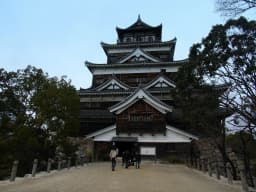
Hiroshima Budget Travel Guide 2026: Free Sights and Cheap Eats
Master Hiroshima in 2026 on ¥3,000–¥12,000/day: free Atomic Bomb Dome, ¥200 Peace Museum, ¥800 okonomiyaki, ¥600 ramen, and a streetcar pass that pays for itself.
On this page
Hiroshima Budget Travel Guide: 11 Ways to Save on Sights and Eats
Hiroshima is the cheapest major stop on most Japan rail itineraries in 2026, and almost every headline sight is either free or under ¥400. The Atomic Bomb Dome, Peace Memorial Park, Hiroshima Castle grounds, Mitaki-dera, and the exterior view of the Itsukushima torii gate cost nothing. The Peace Memorial Museum is ¥200. A full okonomiyaki lunch runs ¥800. Compared with Tokyo or Osaka, you save roughly 30% on the same trip quality.
This guide is built around three concrete daily budgets — ¥3,000, ¥6,000, ¥12,000 — with real 2026 prices, the streetcar passes that actually pay for themselves, the Hiroshima-only freebies most budget articles miss (registered Peace Volunteer guides, the Mazda factory tour, supermarket bento half-off windows), and a tide-checked day-trip plan for Miyajima that skips the ¥2,000 ropeway. Use the Hiroshima activities hub for paid extras worth the splurge.
💴 How Much Does Hiroshima Cost Per Day in 2026?
Hiroshima in 2026 runs roughly ¥3,000 per day for backpackers, ¥6,000 for mid-range travelers, and ¥12,000 for comfortable trips — covering bed, food, local transport, and one paid sight. Prices have risen modestly since 2024 but stay well below Tokyo and Kyoto. The yen's continued softness against the US dollar keeps Hiroshima one of Japan's strongest value destinations for international visitors this year.
Backpacker tier — ¥3,000/day (≈ $20)
Sleep in a hostel dorm (¥2,200–¥2,800), breakfast from a Lawson onigiri set (¥350), lunch at a ¥600 ramen shop, dinner from a ¥500 supermarket bento marked down after 19:00, and walk between Peace Park, the Atomic Bomb Dome, and Hondori for free. Skip paid museums on day one and use the ¥220 streetcar only when distances exceed 20 minutes on foot. This tier suits solo backpackers cycling through southern Honshu.
Mid-range tier — ¥6,000/day (≈ $40)
Add a private capsule or budget business hotel (¥4,500–¥5,500), one ¥1,000 okonomiyaki sit-down meal at Okonomimura, the ¥200 Peace Memorial Museum, and a ¥700 one-day streetcar pass. You still have headroom for a ¥600 grilled oyster snack near the ferry terminal. This is the realistic budget for most international travelers spending two days in the city before heading to Miyajima.
Comfort tier — ¥12,000/day (≈ $80)
Step up to a 3-star hotel with breakfast (¥8,500), eat three sit-down meals including one mid-range dinner (¥2,500), buy the Visit Hiroshima Tourist Pass (¥1,000) covering streetcars and the Miyajima JR ferry, and add the ¥370 Hiroshima Castle keep plus the ¥260 Shukkeien Garden. You can also afford a ¥1,000 highball at a Nagarekawa bar. Use this tier when traveling as a couple or wanting reliable Wi-Fi and laundry without leaving the hotel.
🆓 Best Free Things to Do in Hiroshima (2026)
Hiroshima packs more meaningful free attractions per square kilometer than almost any major Japanese city. You can fill an entire two-day trip without paying a single entrance fee — most of the headline sights are public spaces, public memorials, or open shrine grounds with optional paid extras. Below are the eight free experiences worth planning your itinerary around in 2026.
- Atomic Bomb Dome (Genbaku Dome) — UNESCO World Heritage site, viewable 24/7 from the riverfront promenade. Free.
- Peace Memorial Park grounds — Children's Peace Monument, Cenotaph, Flame of Peace, A-Bomb Memorial Mound. Free; pair with the optional ¥200 museum.
- Hiroshima Castle outer grounds and moat — wooden bridges, stone walls, Gokoku Shrine inside the bailey. Free; main keep is ¥370 if you want to enter.
- Shukkeien Garden outer paths — the formal garden charges ¥260, but the riverside walk and surrounding park are free year-round and beautiful in autumn.
- Mount Misen hiking on Miyajima — the Daisho-in, Momijidani, and Omoto trails are all free. Skip the ¥2,000 ropeway round-trip and reach the 535m summit in 90–120 minutes.
- Itsukushima Shrine torii gate (exterior view) — viewable free from the Miyajima foreshore at any tide; only entering the shrine corridor itself costs ¥300. See tide times here.
- Mitaki-dera temple grounds — three waterfalls, hundreds of small Buddha statues, and a 90m forested approach. Free; covered in our Hiroshima attractions guide.
- Hondori arcade and Motomachi riverbank walks — covered shopping street plus free riverside paths connecting all major sights. Free year-round.
🎫 Free Experiences Most Budget Guides Skip
Three Hiroshima freebies rarely make it into general budget articles, but each saves ¥1,500–¥3,000 and adds genuine depth to a 2-day trip. Plan ahead — two of them require a reservation, and the windows fill fast in spring and autumn.
Hiroshima Peace Volunteers offer free 60–90 minute guided tours of Peace Memorial Park in English, run by city-trained volunteers who are mostly survivors' descendants or long-time residents. You can book in advance through the Hiroshima Peace Culture Foundation, or walk into the Rest House next to the A-Bomb Dome between 10:00 and 15:00 and ask if a volunteer is on shift. The depth and personal context far exceed any ¥3,000 paid walking tour, and the service is free.
The Mazda Museum factory tour is free with online reservation (open Tuesday–Friday) and includes a 90-minute guided walk through Hiroshima's industrial heart, the Mazda assembly line, and a heritage gallery with the original Cosmo Sport rotary. It's a 25-minute streetcar ride from central Hiroshima — combined with a ¥220 single fare it's the cheapest half-day activity in the city. Reserve at least two weeks ahead through the Mazda corporate site; English slots fill faster than Japanese ones.
Less formal but worth knowing: the Hiroshima City Museum of Contemporary Art (Hijiyama) has free admission to its sculpture park and free entry days listed on the city tourism site, and Hiroshima Prefectural Art Museum runs free admission Fridays on rotating exhibits — confirm the current month at the tourist information desk inside Hiroshima Station before walking over.
🍽️ Hiroshima Cheap Eats: 2026 Prices
Hiroshima's signature comfort foods stay genuinely affordable in 2026. A full okonomiyaki at Okonomimura runs ¥800–¥1,200, a steaming bowl of tsukemen or shoyu ramen costs ¥600–¥850, and grilled Hiroshima oysters from waterfront stalls go for ¥300 each. Convenience-store onigiri sit at ¥150, supermarket bentos drop to ¥400 after 19:00, and a vending-machine green tea is still ¥130. For deep dives into the local pancake scene, see how to eat Hiroshima okonomiyaki at Okonomimura.
- Okonomiyaki — ¥800 standard, ¥1,200 with extra oysters or squid (Okonomimura, Nagataya, Hassei).
- Hiroshima-style tsukemen — ¥700–¥900 (Bakudanya is the cult favorite; portions are huge).
- Standard ramen — ¥600–¥850 across most chains and shotengai shops.
- Grilled oysters — ¥300 each near Miyajima ferry terminal and Hondori stalls; box of three for ¥850.
- Momiji manju — ¥120–¥150 each, sold warm from Miyajima storefronts.
- Conbini onigiri / sandwiches — ¥150–¥250; combo with a drink under ¥400.
- Late-night supermarket bento — ¥400–¥600 after 19:00 at Fresta, You Me Mart, and Aeon.
The half-off discount window matters: Fresta in central Hiroshima starts marking down sushi platters and bento sets at 19:00 and again at 20:30. Aim for the second sweep if you don't mind a thinner selection. The basement food halls (depachika) at Sogo Hiroshima follow the same pattern around 19:30 — ¥1,500 sushi platters drop to ¥750.
🏨 Top Hiroshima Budget Hotels and Hostels
Budget beds in Hiroshima cluster in two zones: south of Hiroshima Station (cheapest, cleanest, closest to the Shinkansen) and the Hatchobori/Kamiyacho corridor (closer to Peace Park and nightlife, slightly pricier). Dorm beds start at ¥2,200 in low season and ¥3,000–¥3,500 in cherry blossom and autumn weeks. Private capsules run ¥3,800–¥4,500 and small business-hotel singles ¥4,500–¥5,500.
Capsule hotels near Hiroshima Station include onsen-style shared baths and laundry, which removes a ¥600–¥800 daily cost most travelers forget to budget. Female-only floors are standard at the larger capsule chains. Business hotels like APA, Toyoko Inn, and Hotel Vista are predictable, accept walk-ins outside major events, and frequently sell unsold rooms for 20–30% off after 18:00 on the day of stay through the last-minute rate on their apps.
Avoid booking for the August 6 Peace Memorial Ceremony week without locking rates 4+ months ahead — prices double and the cheapest hostels sell out by April. The same applies to mid-November autumn-leaf weekends in Miyajima. For the rest of the year, booking 2–3 weeks ahead lands the best public rates.
- K's House Hiroshima Backpackers Hostel — social hostel near Hiroshima Station, dorms from ¥3,000, English-speaking staff, free luggage storage.
- Hana Hostel Hiroshima — traditional guesthouse-style near the station, dorms from ¥3,200, private rooms from ¥6,500.
- KIRO Hiroshima Share Hotels — design-forward hostel near Hatchobori, dorms from ¥4,500, walking distance to Peace Park.
- 9h nine hours Hiroshima — modern capsule hotel beside the station, ¥3,800 weeknights, separate male/female floors.
🚋 Getting Around Hiroshima for Less: Trams and Passes
Hiroshima's streetcar network covers every major sight, runs every 4–8 minutes, and charges a flat ¥220 per ride within the city. Walking is realistic for the central tourist axis: Hiroshima Station to Peace Park is 25 minutes on foot, Peace Park to the castle is 12 minutes, and the castle to Hondori is 8 minutes. Many travelers don't need any pass at all if they walk between the headline sights.
If you'll take 4+ rides in one day, the 1-day streetcar pass (¥700) pays back at ride number four. The Visit Hiroshima Tourist Pass — Small Area (¥1,000) adds the JR ferry to Miyajima — buy this on a Miyajima day; skip it otherwise. The Wide Area pass (¥1,500) only makes sense if you also visit Iwakuni or Kure, otherwise the small area pays back faster. See how to get around Hiroshima by streetcar and bus for full pass logic.
JR Pass holders get the JR ferry to Miyajima and the JR Sanyo Line stretch from Hiroshima to Miyajimaguchi free, plus the Meipuru-pu loop bus connecting Hiroshima Station to Peace Park, the castle, and the Shukkeien Garden — three major sights covered without buying any local pass. The Peacecle bike-share has 28 stations citywide; ¥165 for the first 30 minutes, ¥110 each additional 30 minutes, capped at ¥1,540 for 24 hours. Hiroshima is flat enough that bikes beat trams for any same-zone hop.
🚌 How to Get to Hiroshima Cheaply
The Shinkansen is fastest but rarely cheapest unless you have a JR Pass. Tokyo to Hiroshima costs ¥19,440 one-way without a pass (3h 50m on Nozomi). Osaka to Hiroshima runs ¥10,620 (1h 25m). Both routes have substantially cheaper alternatives if you trade speed for budget.
Overnight highway bus from Tokyo (Willer Express, JR Bus) costs ¥6,500–¥9,500 and replaces a hotel night — net savings of ¥10,000+ versus Shinkansen plus a hostel bed. Departures leave between 21:00 and 23:00 and arrive in Hiroshima at 07:00–08:30. Reclining 4-row seats are the cheapest; 3-row seats with curtains are worth the ¥2,000 upgrade for sleep quality. From Osaka, daytime highway buses are ¥4,500 and take 5h 30m.
Regional rail passes beat the Shinkansen on multi-stop trips. The JR Sanyo-San'in Area Pass (¥23,000 / 7 days) covers everything from Osaka to Hiroshima to Hakata, including all Shinkansen segments. The Setouchi Area Pass (¥22,000 / 5 days) adds Shikoku ferries. Both pay back in two long-distance hops. See how to get to Hiroshima from Tokyo and Osaka for the full pass-vs-ticket math.
Domestic flights into Hiroshima Airport (HIJ) from Tokyo Haneda or Narita run ¥7,000–¥12,000 on Skymark or Spring Japan if booked 4+ weeks ahead. The airport-to-city limousine bus is ¥1,450 and takes 50 minutes — cheaper than the same Shinkansen trip when flights are on sale, but slower door-to-door than rail for everyone except early bookers.
🗓️ Best Time to Visit Hiroshima on a Budget
Hiroshima's cheapest weeks in 2026 are mid-January to late February and early-to-mid June (the rainy season's first two weeks, before peak humidity). Hostel rates drop 25–35%, hotel rates 15–20%, and almost no events spike demand. Cherry blossom (late March to first week of April), Golden Week (April 29 – May 5), Obon (mid-August), and the August 6 Peace Memorial Ceremony are the four windows to avoid for budget trips — rates double and dorm beds disappear.
Autumn (mid-October to late November) is moderately priced midweek and expensive on weekends, especially for Miyajima accommodation when the Momijidani Park leaves peak. If you have date flexibility, arrive Sunday and leave Thursday — weekend rate gaps run 30–40% in Hiroshima city, even outside peak weeks.
Winter visits trade lower temperatures (3–10°C in January) for half-empty Peace Park, no Miyajima ferry queues, and oyster season at its prime — a ¥300 grilled oyster between January and March is plumper and saltier than a summer one. Pack layers; museums and trains are heavily heated.
💡 Money-Saving Tips for Hiroshima Travelers
Five concrete tactics shave ¥800–¥2,000 off a typical Hiroshima day without affecting the trip's quality. Pair these with the budget tier from earlier and a 3-day stay drops below ¥20,000 total before the Shinkansen.
- Use IC cards (ICOCA, Suica, Pasmo) on streetcars instead of cash — fares are identical, but you can also pay at any conbini, vending machine, or coin locker without breaking ¥10,000 bills. Refund any leftover balance at JR Hiroshima Station before you fly out.
- Tax-free shopping kicks in at ¥5,000 net of tax for souvenirs and electronics in stores displaying the orange "Tax-Free Shop" sticker. Bring your passport; the savings are 10% of the post-tax price.
- Free Wi-Fi at "Hiroshima Free Wi-Fi" hotspots covers Peace Park, Hiroshima Station, the castle, and most streetcar stops — you usually don't need a SIM if you download offline Google Maps for the city before arrival.
- Refill your water bottle at hotel ice machines and Peace Park drinking fountains — Hiroshima tap water is excellent. A ¥130 vending-machine drink × 3 stops a day = ¥390 saved.
- Skip taxis entirely. The streetcar covers every tourist street, runs until 22:30, and a 5-minute taxi from Hondori to the station already costs ¥1,200 — the same as a full day's transport on the streetcar pass.
One non-obvious save: the Hiroshima Peace Memorial Museum's last entry is one hour before closing, but staff often wave through visitors arriving 15 minutes after that on weekday evenings. The ¥200 fee doesn't change, but lighter crowds in the final 60 minutes beat the morning queue.
🌅 Sample 1-Day Budget Hiroshima Itinerary (~$30)
This itinerary lands at ¥4,400 (≈ $30) total including transport, museum entry, two real meals, and an evening snack. Walk most of it; use one streetcar ride at the end if your feet have given up.
09:00 — Peace Memorial Park. Walk in via the river path. Spend 90 minutes circling the Cenotaph, Children's Peace Monument, A-Bomb Memorial Mound, and the Atomic Bomb Dome from the riverbank. Cost: ¥0. If a Peace Volunteer is on shift at the Rest House from 10:00, take the free guided 60-minute tour.
11:00 — Peace Memorial Museum. ¥200 entry. Allow 90 minutes minimum; the East Building's testimonial corner is the part you can't fast-forward through.
13:00 — Okonomimura lunch. ¥1,000 for a full okonomiyaki with noodles and a soft drink. Pick a stall with locals queueing on the upper floors.
14:30 — Hiroshima Castle. Free outer grounds and Gokoku Shrine. Skip the ¥370 keep unless you want the photo from the top. 60 minutes total.
16:00 — Shukkeien Garden riverside walk. Free outer paths; ¥260 to enter the formal garden if autumn colors are out.
17:30 — Hondori arcade and Hatchobori. Free window shopping, Daiso run for souvenirs (¥110–¥330 per item), and a ¥300 grilled oyster from a stall.
19:30 — Fresta or Sogo depachika. ¥500–¥700 half-off bento for dinner. Eat at the Motoyasu River bank with the lit-up A-Bomb Dome opposite.
Total: ¥0 (park) + ¥200 (museum) + ¥1,000 (lunch) + ¥300 (oyster) + ¥600 (dinner) + ¥220 (one streetcar) + ¥110 (Daiso) ≈ ¥2,430 plus your dorm bed ¥2,200 = ¥4,630. Stretch to a 2-day version with the Hiroshima and Miyajima 2-day itinerary map.
🏝️ Bonus Budget Trip: Miyajima on a Shoestring
A full day on Miyajima costs under ¥2,500 if you skip the ropeway. JR Pass holders ride the JR ferry free; everyone else pays ¥360 round-trip. The shrine corridor itself is ¥300 (skip if you're tight), but the floating-torii view from the foreshore is free at every tide.
Skip the ¥2,000 ropeway and hike Mount Misen instead. The Daisho-in trail is the most scenic (90–120 minutes up, 60 down), winding past waterfalls, the Reikado eternal flame, and Misen Hondo temple. The Momijidani trail is shorter but steeper. Bring 1.5L of water — refill points run dry by mid-afternoon in summer. The 535m summit views over the Seto Inland Sea are some of the best free panoramas in western Japan.
Tide-time tactic for the torii gate. Low tide (under 100cm at Miyajima station) lets you walk to the gate's base; high tide (over 250cm) gives the "floating" reflection shot. Both are free. Check the Japan Meteorological Agency tide table for Miyajima the night before — both windows shift roughly 50 minutes per day, and you can plan a single trip to catch one or even both. See our tide-times guide for the full lookup workflow.
Eat on the mainland (Miyajimaguchi has cheaper conbini), or stick to the ¥120 momiji manju and ¥300 grilled oysters from Omotesando shopping street. Avoid the ¥2,500 set-meal seafood restaurants near the ferry terminal unless you're splurging. Wild deer roam the streets and steal whatever isn't zipped up — bag your snacks.
🛍️ Exploring Hondori Shopping Street and Local Markets
Hondori is a covered shopping arcade running 600m through the city center. It's the cheapest place to find rain cover, free Wi-Fi, public toilets, and a bench when you've walked too much. The arcade has a multi-story Daiso, Don Quijote (open until 02:00), three drugstores with tax-free counters, and the kind of regional snack stalls (kibi-dango, momiji manju, lemon-flavored everything from Setouchi) that are genuinely cheap and travel-safe.
Daiso and Seria 100-yen shops carry travel essentials at ¥110 each — phone cables, slippers, eye masks, even basic kitchen kit if you're self-catering at a hostel. Don Quijote runs Hiroshima-only flavor lines (lemon, sake-cake, oyster crackers) usually 30% cheaper than the airport branches and accepts tax-free claims with a passport.
For local-market color rather than tourist polish, walk five minutes east to the Hiroshima Citizens' Market (Chuo Oroshiuri Ichiba) retail floor on weekend mornings — fresh oysters, lemons from Setoda, and seasonal produce at half the supermarket price. Sogo's depachika (basement food hall) is the splurge-watching version: ¥1,500 sushi platters before 19:00, half-price after.
🔌 Practical Essentials: Power, SIM, and Wi-Fi
Japan uses Type A and Type B plugs at 100V/50Hz. North American devices work directly; UK, EU, and Australian travelers need a simple adapter (¥330 at any Daiso). Most modern phone chargers and laptops are dual-voltage, but check the small print on hair tools and CPAP machines before plugging in.
SIM/data is the largest hidden cost most travelers overspend on. Mobal, Sakura Mobile, and airalo eSIMs land at ¥1,500–¥2,500 for a 7-day unlimited-data plan if booked online before arrival. Pocket Wi-Fi rentals from Hiroshima Station kiosks run ¥800–¥1,200/day — skip these unless you're traveling as a group of 3+ on shared data. Hiroshima's free public Wi-Fi covers Peace Park, the station, the castle, and most streetcar stops; an offline Google Map of the city plus those hotspots gets most solo travelers through a 2-day stay without any paid plan.
Cash still matters. Most casual restaurants under ¥1,500 are cash-only, including many Okonomimura stalls. 7-Eleven and Japan Post ATMs accept foreign cards 24/7 and are the easiest withdrawals. Carry ¥10,000–¥15,000 in cash daily; you'll spend less but won't be caught short at a stall that doesn't take IC cards.
Frequently Asked Questions
How much does Hiroshima cost per day in 2026?
Hiroshima costs roughly ¥3,000 per day for backpackers (hostel dorm, conbini meals, walking), ¥6,000 per day for mid-range travelers (capsule hotel, one sit-down okonomiyaki, ¥200 Peace Museum, streetcar pass), and ¥12,000 per day for comfortable trips (3-star hotel with breakfast, three sit-down meals, multiple paid sights, and the Visit Hiroshima Tourist Pass with Miyajima ferry).
What are the best free things to do in Hiroshima?
The Atomic Bomb Dome, Peace Memorial Park grounds, Hiroshima Castle outer moat and bailey, Shukkeien Garden's outer riverside paths, Mt. Misen hiking on Miyajima, the Itsukushima torii gate's exterior view, Mitaki-dera temple grounds, and Hondori arcade are all completely free. You can structure two full days in Hiroshima around just these sights without paying any entrance fees.
How cheap is okonomiyaki in Hiroshima in 2026?
A standard Hiroshima-style okonomiyaki costs ¥800 in 2026, climbing to ¥1,000–¥1,200 if you add extra oysters, squid, or cheese. Okonomimura's four-floor stall building gives you 24+ shops in one place — pick a stall with locals queueing. A bowl of standard ramen runs ¥600–¥850, and tsukemen averages ¥700–¥900. See our Okonomimura ordering guide for stall picks.
Is Hiroshima cheaper than Tokyo for travelers?
Yes, Hiroshima is generally much more affordable than Tokyo for most travelers. Accommodation rates, restaurant prices, and local transport costs are significantly lower. Most visitors maintain the same quality of travel for about 30% less than they would spend in the capital city, especially on dorm beds, capsule hotels, and casual sit-down meals.
How can I get to Hiroshima from other major cities for less?
The cheapest way to reach Hiroshima is overnight highway buses from Tokyo or Osaka, which save you a night's accommodation while providing a budget-friendly fare. You can also use regional rail passes — see how to get to Hiroshima from Tokyo and Osaka for the JR Pass, Sanyo-San'in Pass, and bus comparison.
Is the Visit Hiroshima Tourist Pass worth it for budget travelers?
Yes if you plan to visit Miyajima — the 1-day Visit Hiroshima Tourist Pass (¥1,000) covers unlimited streetcars plus the JR ferry to Miyajima, paying for itself with two streetcar rides and the ¥360 round-trip ferry. Backpackers walking everywhere in central Hiroshima can skip it; mid-range travelers doing a 1-day Miyajima trip should buy it on arrival at Hiroshima Station's tourist information center.
Hiroshima rewards budget travelers more than any other major Japanese city in 2026. The Atomic Bomb Dome, Peace Park, Mt. Misen, the torii gate view, and Mitaki-dera are all free. The Peace Museum is ¥200. A full okonomiyaki is ¥800. Two days here on the mid-range tier total under ¥15,000 including bed, food, transport, and one Miyajima trip — easily 30% less than the same trip in Kyoto or Tokyo.
The biggest budget mistakes are paying for the Miyajima ropeway (¥2,000 saved by hiking), missing the supermarket half-off window (19:00–20:30 saves ¥800/day), and booking inside the August 6 ceremony week without 4-month lead time. Pair the ¥700 streetcar pass with one Visit Hiroshima Tourist Pass on your Miyajima day, walk everything else, and the city's transport budget rounds to ¥1,200/day.
Start planning by checking the Hiroshima 2026 events calendar for free festivals worth timing a trip around, then reserve a Mazda factory tour and Peace Volunteer guide for the depth they add at zero cost. Hiroshima's resilience is best appreciated slowly — the budget approach happens to be the most rewarding one.