Kyoto: Top 21 Landmarks You Must Visit in 2026
Discover the best landmarks in Kyoto, Japan. A complete guide featuring must-see sights, cultural experiences, and hidden gems for 2026. Plan your trip now!
On this page
Planning a trip to Japan and curious about its cultural heart? In 2026, Kyoto stands as a testament to timeless beauty and tradition, seamlessly blending ancient history with modern charm. Exploring Kyoto landmarks offers an unparalleled journey through Japan's rich heritage, providing insights into its art, religion, and way of life. With 17 UNESCO World Heritage sites, over 2,000 temples and shrines, and centuries of imperial history, every Kyoto landmark tells a story worth discovering.
This comprehensive guide covers the most iconic and hidden gems that Kyoto has to offer. From the shimmering Golden Pavilion to the serene Arashiyama Bamboo Grove, each landmark captivates visitors with its beauty and historical significance. Whether you're interested in exploring things to do in Kyoto, immersing yourself in Kyoto experiences, seeking thrilling Kyoto adventures, delving into Kyoto culture, discovering the vibrant Kyoto nightlife, attending exciting Kyoto events, witnessing the Kyoto highlights, partaking in unique Kyoto activities, following a tailored Kyoto itinerary, or simply visiting the top Kyoto attractions, Kyoto promises an unforgettable experience. Dive into our list of must-see landmarks and prepare to be enchanted by the magic of Kyoto.
1. Marvel at the Golden Pavilion (Kinkaku-ji)
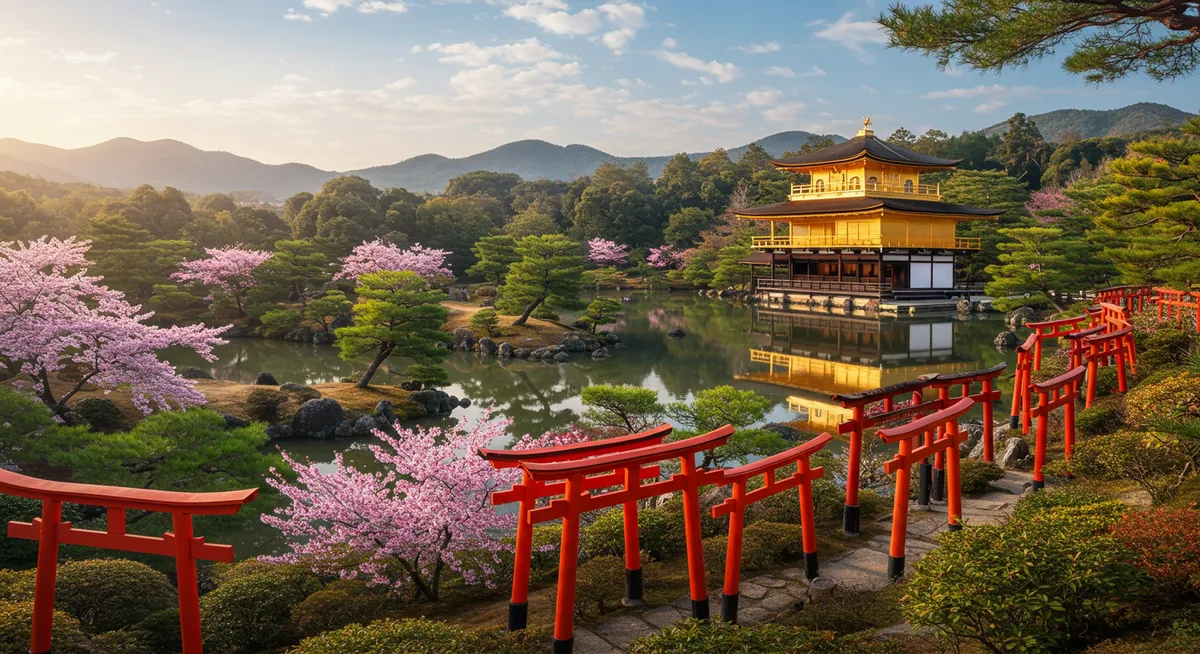
Prepare to be mesmerized by Kinkaku-ji, also known as the Golden Pavilion, one of the most iconic Kyoto landmarks. This Zen Buddhist temple is famous for its top two floors being completely covered in gold leaf, reflecting beautifully on the surrounding Kyoko-chi (Mirror Pond). Consequently, visitors are treated to a stunning visual spectacle that embodies the harmony between architecture and nature. Originally built in 1397 as a retirement villa for Shogun Ashikaga Yoshimitsu, the pavilion was later converted into a Rinzai Zen temple. As you explore, notice how each angle offers a unique and breathtaking view, solidifying its place among the top things to do in Kyoto.
Visitor info (2026): Admission is 500 yen for adults. Open daily 9:00 AM to 5:00 PM. Access via Kyoto City Bus 101 or 205 to Kinkaku-ji-michi stop. Allow 45-60 minutes for the full circuit. Insider tip: Visit on a clear, sunny day to witness the most dazzling reflection of the Golden Pavilion.
2. Wander Through the Fushimi Inari Shrine
Embark on a mesmerizing journey through the vibrant red torii gates of Fushimi Inari Shrine, one of Kyoto's most iconic landmarks. This enchanting pathway winds up Mount Inari (233 meters), offering breathtaking views and a profound sense of spiritual immersion. Dedicated to Inari, the god of rice and prosperity, the shrine is famous for its approximately 10,000 vermilion torii gates, each donated by individuals and companies. As you ascend, notice the intricate details of each gate and the stunning panoramic views of Kyoto. This unique experience is a must for anyone seeking to connect with Japanese culture and history.
Visitor info (2026): Admission is free and the shrine is open 24 hours. The full hike to the summit takes approximately 2-3 hours round trip. Access via JR Nara Line to Inari Station (2-minute walk). To discover more about things to do in Kyoto, explore diverse experiences and plan your visit to other Kyoto landmarks. Insider tip: Visit early in the morning or late in the afternoon to avoid crowds and enjoy a more peaceful experience.
3. Stroll Through the Arashiyama Bamboo Grove
A visit to Kyoto isn't complete without wandering through the enchanting Arashiyama Bamboo Grove, one of the most photographed Kyoto landmarks. As you meander along the pathways, towering bamboo stalks surround you, creating a mesmerizing green canopy. The sunlight filters through, casting dappled shadows that enhance the ethereal atmosphere. It's an experience that engages all your senses, from the gentle rustling of the bamboo leaves to the cool, refreshing air. To make the most of your visit, consider exploring Kyoto experiences and activities nearby. Early mornings are ideal for a quieter, more immersive experience, allowing you to fully appreciate the grove's serene beauty.
Afterward, take the time to discover the surrounding Arashiyama district. You'll find charming temples, traditional gardens, and scenic river views. For instance, Tenryu-ji Temple, with its stunning Zen garden, is just a short walk away and complements the natural beauty of the bamboo grove. The Togetsukyo Bridge, spanning the Oi River, is another landmark worth visiting in the area. Don't miss the opportunity to discover more things to do in Kyoto, including various cultural sites and local experiences.
Visitor info (2026): Free to enter, open 24 hours. Access via JR Sagano Line to Saga-Arashiyama Station (10-minute walk) or Keifuku Randen Line to Arashiyama Station. Allow 30-45 minutes for the bamboo path alone.
4. Experience Kiyomizu-dera Temple's Serenity
⭐ Recommendation: Don't miss out on amazing Kyoto tours - book now!
Kiyomizu-dera Temple, a UNESCO World Heritage site, offers a serene escape and breathtaking views of Kyoto. Founded in 778 AD, it is one of the oldest temples in the city. Renowned for its wooden stage that juts out 13 meters from the hillside — built without a single nail — it provides a panoramic vista, especially stunning during cherry blossom and autumn foliage seasons. The temple's Otowa Waterfall is another highlight, where visitors can drink from the sacred waters believed to grant wishes in love, academics, or longevity. Moreover, the vibrant vermilion colors of the main hall contrast beautifully with the surrounding nature, creating a picturesque scene. As you explore, discover the Jishu Shrine, dedicated to love and matchmaking.
Visitor info (2026): Admission is 400 yen for adults. Open daily 6:00 AM to 6:00 PM (extended hours during special illumination events). Access via Kyoto City Bus 100 or 206 to Kiyomizu-michi stop, then a 10-minute uphill walk. For a deeper dive, explore Kyoto's highlights or immerse yourself in its rich culture. Insider tip: Visit early in the morning to avoid crowds and fully appreciate the temple's tranquil atmosphere. Kiyomizu-dera is a must-see among Kyoto landmarks.
5. Reflect at the Ryoan-ji Zen Garden
Ryoan-ji Zen Garden offers a profound experience of contemplation and tranquility, making it one of the most remarkable Kyoto landmarks. This meticulously designed rock garden, created around 1450, features 15 stones arranged in five groups on a bed of white gravel within a walled rectangle measuring 25 by 10 meters. The garden's unique design means that from any vantage point on the viewing platform, at least one stone remains hidden. The simplicity of the garden encourages personal reflection, allowing for a unique interpretation by each observer. As you sit on the veranda, the serene atmosphere provides a welcome escape from the bustling city. Therefore, a visit here is an essential part of experiencing the spiritual side of Kyoto.
Moreover, beyond the rock garden, the surrounding temple grounds feature beautiful walking paths and the tranquil Kyoyochi Pond, which further enhance the sense of peace. Visiting during the off-season or early mornings can offer a more secluded and personal experience. In fact, for those seeking deeper insight into Japanese culture and the art of Zen, exploring Ryoan-ji's history can greatly enrich your visit.
Visitor info (2026): Admission is 500 yen for adults. Open 8:00 AM to 5:00 PM (March to November) and 8:30 AM to 4:30 PM (December to February). Access via Kyoto City Bus 59 to Ryoan-ji-mae stop.
6. Immerse Yourself in Gion's Geisha District
⭐ Recommendation: Don't miss out on amazing Kyoto tours - book now!
Gion, Kyoto's famed geisha district, offers an enchanting glimpse into traditional Japanese culture and is a Kyoto landmark unlike any other. This historic area is known for its preserved wooden machiya houses, teahouses, and the elusive geiko (Kyoto geisha) and maiko (apprentice geisha). As you wander through Gion's narrow streets, you'll feel transported back in time. Things to do in Kyoto often include trying to spot a geisha gracefully making her way to an appointment between 5:30 PM and 6:00 PM along Hanamikoji Street. To truly experience Kyoto landmarks, a stroll through Gion at dusk is a must.
Don't miss the chance to explore Hanamikoji Street, Gion's main thoroughfare, which is lined with exclusive restaurants and teahouses. The nearby Gion Corner theater offers nightly performances showcasing seven traditional Japanese arts, including tea ceremony, flower arrangement, and Kyoto-style dance (tickets around 5,000 yen). If you're looking for local experiences, consider an evening tour to learn more about geisha culture and Gion's history. Moreover, delve deeper into cultural experiences in Kyoto for a richer understanding of the area.
7. Discover Nijo Castle's History
Step back in time as you explore Nijo Castle, a UNESCO World Heritage site and a significant landmark in Kyoto. Built in 1603 by Tokugawa Ieyasu, the first shogun of the Edo Period, this historical site offers a fascinating glimpse into Japan's feudal era. Nijo Castle is renowned for its 'Nightingale Floors,' designed to chirp underfoot, which served as an ingenious security measure against intruders. As you wander through its stunning gardens and opulent halls, you'll gain a deeper understanding of the power and artistry of the Tokugawa shogunate. Be sure to visit the Ninomaru Palace, famous for its exquisite wall paintings by the Kano school of artists and meticulously crafted interiors.
Visitor info (2026): Admission is 800 yen for adults (Ninomaru Palace included). Open 8:45 AM to 4:00 PM (closed Tuesdays in January, July, August, and December). Access via Kyoto Subway Tozai Line to Nijojo-mae Station. For more insights into Kyoto's rich history, immerse yourself in local culture and discover Kyoto's other highlights. Insider tip: Allocate at least two to three hours and consider visiting during cherry blossom season for a truly enchanting experience.
8. Admire the Beauty of Ginkaku-ji (Silver Pavilion)
Ginkaku-ji, also known as the Silver Pavilion, offers a serene contrast to its golden counterpart. Built in 1482 by Shogun Ashikaga Yoshimasa, it was initially intended to be covered in silver foil but never was, which only adds to its understated elegance. Nestled in the Higashiyama mountains, this Zen temple features stunning gardens that invite contemplation and peaceful reflection. As you wander through the meticulously designed landscape, you'll discover hidden details that highlight the beauty of simplicity. Don't miss the unique Ginshadan (Silver Sand Sea) and Kogetsudai (Moon-Viewing Platform) sand gardens, which are masterpieces of minimalist art.
The tranquil atmosphere makes Ginkaku-ji a must-see destination for anyone exploring Kyoto landmarks. In fact, visitors often find the peaceful environment conducive to meditation. For those seeking a deeper dive, explore Kyoto's cultural experiences.
Visitor info (2026): Admission is 500 yen for adults. Open 8:30 AM to 5:00 PM (March to November) and 9:00 AM to 4:30 PM (December to February). Access via Kyoto City Bus 17 or 100 to Ginkaku-ji-michi stop (10-minute walk). Consider visiting during the off-season for a more intimate experience.
9. Explore the Tranquil Heian Shrine
Heian Shrine, with its striking vermilion architecture and expansive gardens, offers a serene escape in the heart of Kyoto. Built in 1895 to commemorate the city's 1,100th anniversary, this landmark recreates a portion of the original Imperial Palace at two-thirds scale. The massive vermilion torii gate at the entrance stands 24.4 meters tall, making it one of the largest in Japan. When you visit, take a leisurely stroll through its meticulously landscaped Shin-en gardens, featuring ponds, stepping-stone bridges, and seasonal flora including weeping cherry trees and irises, which exemplify traditional Japanese garden design.
Moreover, the vibrant colors and grand scale of the main buildings provide excellent photo opportunities and a deep sense of Kyoto's history. Therefore, it's a must-see for those seeking tranquility and cultural enrichment among Kyoto landmarks.
Visitor info (2026): The shrine grounds are free to enter. The inner garden costs 600 yen. Open 6:00 AM to 5:00 PM (shrine) and 8:30 AM to 4:30 PM (garden). Be sure to visit during cherry blossom season for an unforgettable experience. For more insights, discover local tips to enhance your visit.
10. Visit the Picturesque Tenryu-ji Temple
⭐ Recommendation: Don't miss out on amazing Kyoto tours - book now!
Nestled in the heart of Arashiyama, Tenryu-ji Temple is a Zen temple and UNESCO World Heritage site that offers a serene escape from the bustling city of Kyoto. Founded in 1339, this temple is renowned not only for its historical significance but also for its stunning Sogenchi Pond Garden, designed by the famous monk Muso Soseki. The garden is one of the oldest in Japan and was the first to be designated a Special Place of Scenic Beauty. As you wander through the meticulously crafted landscape, you'll discover a harmonious blend of nature and Zen philosophy, making it one of the top Kyoto landmarks. The vibrant colors of the seasons paint a breathtaking backdrop, ensuring a memorable experience throughout the year. Furthermore, the temple's proximity to the Arashiyama Bamboo Grove makes it easy to combine these two must-see attractions.
Moreover, don't miss the opportunity to explore the temple's main hall and admire its exquisite artwork, including the striking Cloud Dragon ceiling painting. Plan your visit and discover the best Kyoto itinerary for your travels.
Visitor info (2026): Garden admission is 500 yen; additional 300 yen for the main hall. Open 8:30 AM to 5:00 PM. Access via Keifuku Randen Line to Arashiyama Station (1-minute walk). Insider tip: Visit during the early morning for a quieter, more reflective experience.
11. Find Peace at Eikan-do Zenrin-ji Temple
Eikan-do Zenrin-ji Temple, known for its stunning autumn foliage, provides a tranquil escape from the bustling city. This Kyoto landmark is particularly famous for its unique Mikaeri Amida statue, which depicts Amida Buddha looking back over his shoulder. The legend says this pose represents Buddha's compassion, urging followers not to leave behind those who suffer. As you explore the temple grounds, you'll discover beautifully landscaped gardens, serene ponds, and historic buildings that exude a sense of calm and reflection. Therefore, Eikan-do is a perfect place for those seeking spiritual solace and natural beauty.
Visiting Eikan-do offers an opportunity to experience the profound sense of peace that Zen Buddhism embodies. The temple's architecture harmonizes with its natural surroundings, creating a space that invites contemplation. Don't miss the chance to wander through the temple's various halls and gardens, each offering a unique perspective and experience. For example, you can explore more spiritual sites or discover cultural activities around Kyoto.
Visitor info (2026): Admission is 600 yen (1,000 yen during autumn illumination events in November). Open 9:00 AM to 5:00 PM. Access via Kyoto City Bus 5 to Nanzenji-Eikando-michi stop. Insider tip: Visit during the autumn months to witness the breathtaking display of over 3,000 maple trees that make Eikan-do one of Kyoto's most picturesque destinations.
12. Explore the Nishiki Market's Delights
Nishiki Market, often called "Kyoto's Kitchen," offers an unparalleled culinary adventure and is a must-visit Kyoto landmark for food lovers. This bustling marketplace stretches over 400 meters with approximately 130 stalls and shops, brimming with local produce, seafood, pickles, sweets, and various Kyoto specialties. As you stroll through the narrow lanes, you'll encounter vendors offering free samples, allowing you to taste your way through Kyoto's diverse flavors. Look for Kyoto-specific delicacies like yuba (tofu skin), tsukemono (Japanese pickles), and matcha-flavored treats.
Moreover, Nishiki Market provides a genuine glimpse into the daily life of Kyoto residents and the region's culinary traditions. You can find everything from fresh sushi to traditional wagashi sweets. Consider visiting Nishiki Market early in the morning to avoid the crowds and experience the market at its liveliest. Don't miss the chance to sample local delicacies and perhaps even take a cooking class using ingredients sourced directly from the market. Above all, it is one of the most exciting Kyoto landmarks for food lovers.
Visitor info (2026): Free to enter. Most shops open 9:00 AM to 5:00 PM (closed Wednesdays at some shops). Access via Hankyu Karasuma Station or Subway Shijo Station (3-minute walk). Allow 1-2 hours to explore fully.
13. Visit Sanjusangen-do Temple's Thousand Statues
⭐ Recommendation: Don't miss out on amazing Kyoto tours - book now!
Sanjusangen-do Temple is truly an awe-inspiring sight, home to 1,001 life-sized statues of Kannon, the goddess of mercy. The temple's name refers to the 33 (sanjusan) bays between its pillars, making it the longest wooden structure in Japan at 120 meters. As you step inside, you'll be immediately struck by the sheer scale and artistry of this display. Each statue, crafted from Japanese cypress and covered in gold leaf, possesses a unique expression, making the collective a mesmerizing spectacle and a testament to the craftsmanship of the Kamakura period. Moreover, beyond the statues, the temple's architecture and serene atmosphere offer a tranquil escape from the bustling city. Therefore, it's one of the most unique Kyoto landmarks.
Visiting Sanjusangen-do offers a profound cultural experience and a chance to appreciate the depth of Buddhist art. Dedicate ample time to wander and observe the intricate details of each statue, including the 28 guardian deities and the wind and thunder gods flanking the main figure. Furthermore, for those seeking deeper cultural insights, explore Kyoto's cultural experiences and learn more about the historical context of this incredible temple.
Visitor info (2026): Admission is 600 yen for adults. Open 8:00 AM to 5:00 PM (April to November) and 9:00 AM to 4:00 PM (November to March). Photography is not allowed inside the main hall. Access via Kyoto City Bus 100, 206, or 208 to Sanjusangendo-mae stop.
14. Discover the Magic of Kamo Shrine
Kamo Shrine, consisting of the Kamigamo and Shimogamo shrines, is among Kyoto's oldest and most significant Shinto shrines. Both are UNESCO World Heritage sites dating back over 1,000 years, with Shimogamo Shrine sitting within the ancient Tadasu no Mori forest. Nestled in a serene, wooded area, they provide a tranquil escape from the bustling city. The annual Aoi Matsuri (Hollyhock Festival) held every May 15 is one of Kyoto's three great festivals, featuring vibrant processions of 500 participants in Heian-period costumes. As you wander through the grounds, you'll feel a deep connection to Japan's ancient past.
Furthermore, the intricate architecture and peaceful surroundings make both shrines ideal spots for reflection. So, for those seeking a deeper understanding of Kyoto's spiritual side, a visit to Kamo Shrine is essential. Plan your trip and explore more Kyoto landmarks. Before you go, check out some things to do in Kyoto to make the most of your visit.
Visitor info (2026): Both shrines are free to enter. Kamigamo Shrine is open 5:30 AM to 5:00 PM; Shimogamo Shrine is open 6:30 AM to 5:00 PM. Access to Shimogamo via Keihan Demachiyanagi Station (10-minute walk); Kamigamo via Kyoto City Bus 4 to Kamigamo-jinja-mae stop. Insider tip: Explore both shrines to fully appreciate their unique beauty and history.
15. Partake in a Traditional Tea Ceremony
Immerse yourself in the serene art of a traditional Japanese tea ceremony, a quintessential experience among Kyoto landmarks. This cultural ritual, known as chado or sado, offers a unique glimpse into Japanese aesthetics and hospitality. During the ceremony, you'll witness the precise movements of the tea master, savor the taste of matcha (powdered green tea), and appreciate the tranquil atmosphere. Many temples and tea houses throughout Kyoto offer tea ceremonies, providing an authentic cultural experience. For example, you might explore cultural activities and local experiences that enhance your appreciation for this art form.
Furthermore, a tea ceremony is not just about drinking tea; it's about embracing the four principles of wa (harmony), kei (respect), sei (purity), and jaku (tranquility). As you participate, you'll gain insight into the deeper meanings behind each gesture and element. Consider adding a tea ceremony to your list of things to do in Kyoto, as it enriches your understanding of Japanese culture.
Visitor info (2026): Tea ceremony experiences typically cost 2,000-5,000 yen per person and last 45-60 minutes. Popular venues include Camellia Garden near Kenninji Temple, En Tea Ceremony in Gion, and Tai An at Myokian Temple. Book in advance as spaces are limited, especially during peak seasons.
16. Experience Kyoto's Nightlife in Pontocho
Pontocho, a narrow alley running alongside the Kamogawa River, comes alive at night, offering a vibrant glimpse into Kyoto's nightlife. This atmospheric 600-meter-long district is renowned for its traditional wooden restaurants and bars, where you can savor local cuisine while enjoying the scenic river views. As you stroll through Pontocho, the soft glow of lanterns and the gentle murmur of the river create a magical ambiance. Moreover, it offers a unique blend of culinary delights and cultural experiences. Be sure to explore the diverse range of dining options, from traditional kaiseki (multi-course Japanese dining) to casual izakaya and international flavors.
During summer months (May to September), many restaurants set up riverside dining platforms called kawadoko (or noryo-yuka), where you can dine directly above the Kamogawa River. For those interested in Kyoto nightlife, this is a must-visit destination. Insider tip: Arrive early to secure a riverside seat and fully appreciate the enchanting atmosphere that Pontocho offers. In addition, consider exploring other Kyoto experiences to enhance your travel.
17. Admire the Architecture of Kyoto Imperial Palace
⭐ Recommendation: Don't miss out on amazing Kyoto tours - book now!
The Kyoto Imperial Palace, once the residence of Japan's Imperial Family for over 1,000 years until the capital moved to Tokyo in 1869, showcases stunning traditional Japanese architecture. A visit here allows you to step back in time and appreciate the elegance and simplicity of the buildings and gardens. The palace grounds cover approximately 110,000 square meters within the larger Kyoto Gyoen National Garden. Be sure to admire the intricate details of the Shishinden (Ceremonial Hall), the Seiryoden, and the Oikeniwa garden. The palace is one of the most significant Kyoto landmarks.
Furthermore, the meticulously designed gardens provide a tranquil space for reflection. As you wander through the grounds, you'll be captivated by the historical significance and cultural richness. Consider checking out more Kyoto experiences for a deeper dive into local culture.
Visitor info (2026): Free admission with no reservation required. Open 9:00 AM to 4:00 PM (closed Mondays and December 28 to January 4). Free guided tours available in English at set times. Access via Subway Karasuma Line to Imadegawa Station (5-minute walk).
18. Contemplate at Chion-in Temple
Chion-in Temple, one of the most significant Kyoto landmarks, invites visitors to immerse themselves in profound spiritual contemplation. This expansive temple complex, founded in 1234 as the headquarters of the Jodo Shu (Pure Land) sect of Buddhism, features massive structures like the Sanmon Gate — the largest wooden gate in Japan at 24 meters tall — and the Main Hall (Miedo), each exuding an aura of solemn grandeur. Taking a stroll through its serene grounds, you'll discover hidden gardens, ancient trees, and captivating architectural details that reflect centuries of history.
For those seeking things to do in Kyoto that extend beyond the typical tourist spots, Chion-in offers a unique opportunity to connect with the city's deep-rooted spiritual heritage. Don't miss the enormous temple bell, weighing 74 tons and standing 3.3 meters tall — one of the largest in Japan. If you visit during New Year's Eve, you can witness the dramatic bell-ringing ceremony where 17 monks work together to sound the bell 108 times. Find out more about other spiritual sites on Kyoto experiences.
Visitor info (2026): Free admission to the main grounds. The Hojo Garden costs 400 yen. Open 9:00 AM to 4:30 PM. Access via Kyoto City Bus 206 to Chion-in-mae stop or a 15-minute walk from Keihan Gion-Shijo Station.
19. Take a Day Trip to Uji
Venture beyond Kyoto's city limits and discover the serene beauty of Uji, a charming town just 20 minutes south by train, renowned for producing some of Japan's finest green tea since the 13th century. A day trip to Uji offers a refreshing escape and a deep dive into Japanese tea culture. The town's centerpiece is Byodoin Temple, a UNESCO World Heritage site whose Phoenix Hall is depicted on the Japanese 10-yen coin. As you explore, you'll encounter historic tea houses, tranquil temples, and picturesque landscapes along the Uji River.
Moreover, Uji is home to the Tale of Genji Museum, which celebrates Japan's oldest novel, written over 1,000 years ago. Don't miss the chance to sample authentic matcha in the traditional tea houses lining the Byodoin-omotesando street. Uji provides a peaceful contrast to Kyoto's bustling city center, offering a unique cultural experience that complements your exploration of Kyoto landmarks. For those seeking a blend of history and tranquility, Uji is an unmissable destination.
Visitor info (2026): Byodoin Temple admission is 700 yen for adults. Access via JR Nara Line or Keihan Uji Line to Uji Station. Allow a half day to explore the main sights.
20. Visit the Secluded Ohara Region
Escape the hustle and bustle of Kyoto with a visit to the serene Ohara region, a hidden gem nestled in the mountains about 45 minutes north of the city center. Known for its tranquil temples and picturesque landscapes, Ohara offers a refreshing retreat into nature and traditional Japanese culture. The main attraction is Sanzen-in Temple, famed for its Ojo Gokuraku-in (Paradise Hall), moss garden, and adorable Warabe Jizo statues hidden among the moss. As you wander through this peaceful area, you'll find yourself surrounded by lush greenery and the soothing sounds of nature.
Furthermore, don't miss the opportunity to explore Jakko-in Temple, a secluded nunnery with over 1,000 years of history, known for its connection to the tragic Taira clan. To truly immerse yourself, consider visiting during the autumn foliage season when the vibrant colors enhance the region's natural beauty. For a deeper dive into Kyoto's hidden gems, explore more Kyoto highlights and consider planning your adventure with these Kyoto itinerary suggestions.
Visitor info (2026): Sanzen-in admission is 700 yen; Jakko-in admission is 600 yen. Access via Kyoto Bus 17 from Kyoto Station to Ohara bus stop (about 60 minutes). Allow a full half day. Insider tip: Take a leisurely stroll through the village to discover local crafts, shiso-flavored specialties, and enjoy the regional cuisine for an authentic experience.
21. Walk the Philosopher's Path (Tetsugaku no Michi)
The Philosopher's Path is a scenic 2-kilometer stone walkway that follows a canal lined with hundreds of cherry trees through Kyoto's Higashiyama district. Named after the influential philosopher Nishida Kitaro, who meditated during his daily walk along this route to Kyoto University, the path connects Ginkaku-ji (Silver Pavilion) in the north with Nanzen-ji Temple in the south. This beloved Kyoto landmark is one of the most peaceful walks in the city, passing through a quiet residential neighborhood dotted with small temples, shrines, cafes, and artisan shops.
During cherry blossom season (late March to mid-April), the path transforms into a stunning tunnel of pink and white blossoms reflected in the canal water. In autumn, the surrounding maple trees create equally striking scenery. Along the way, stop at Honen-in Temple, a free-to-enter gem with distinctive thatched gates and raked sand gardens. The path takes approximately 30-45 minutes to walk at a leisurely pace, though you'll likely want to linger longer.
Visitor info (2026): Free and open 24 hours. Best accessed from Ginkaku-ji-michi bus stop (north end) or Nanzen-ji-Eikando-michi bus stop (south end). Walking south to north is recommended for ending at Ginkaku-ji. For planning your route, check out our Kyoto itinerary guide.
Exploring Kyoto's landmarks offers a captivating journey through Japan's rich history and culture. From serene temples and vibrant geisha districts to tranquil garden paths and bustling markets, each site provides a unique glimpse into the heart of this enchanting city. With so many remarkable Kyoto landmarks to choose from, start planning your 2026 landmark adventure today and create unforgettable memories in Kyoto.
Frequently Asked Questions About Kyoto Landmarks
How many days do I need to see the main Kyoto landmarks?
Most visitors need 3 to 5 days to see the major Kyoto landmarks comfortably. Three days allows you to cover the highlights like Kinkaku-ji, Fushimi Inari, Kiyomizu-dera, Arashiyama, and Gion. Five days gives time for deeper exploration including day trips to Uji or Ohara and experiences like tea ceremonies. For a detailed plan, see our Kyoto itinerary.
What is the best time of year to visit Kyoto in 2026?
The best times to visit Kyoto landmarks are during cherry blossom season (late March to mid-April) and autumn foliage season (mid-November to early December). Spring offers iconic pink blossoms at temples like Kiyomizu-dera and along the Philosopher's Path, while autumn brings stunning red and gold maple leaves to Eikan-do and Tofuku-ji. The shoulder months of May and October offer pleasant weather with fewer crowds.
Are Kyoto landmarks accessible by public transport?
Yes, all major Kyoto landmarks are accessible by the city's excellent public transport network. The Kyoto City Bus system reaches most temple and shrine areas, while the subway covers the city center. A one-day bus pass costs 700 yen and covers unlimited rides. For attractions like Fushimi Inari and Uji, the JR and Keihan rail lines are most convenient. Consider a Japan Rail Pass if combining Kyoto with other cities.
Which Kyoto landmark is the most visited?
Fushimi Inari Shrine is consistently the most visited Kyoto landmark, attracting millions of visitors annually. Its free admission, 24-hour access, and the photogenic tunnel of 10,000 vermilion torii gates make it universally popular. Kiyomizu-dera Temple and Kinkaku-ji (Golden Pavilion) are the second and third most visited, respectively.
Can I visit Kyoto landmarks for free?
Several major Kyoto landmarks offer free admission. Fushimi Inari Shrine, Kyoto Imperial Palace, the Arashiyama Bamboo Grove, and the Philosopher's Path are all free to visit. Kamo Shrine (both Kamigamo and Shimogamo) and the Gion district are also free to walk through. Many paid temples charge between 400 and 800 yen, making Kyoto sightseeing relatively affordable overall.
What is the most underrated Kyoto landmark?
The Philosopher's Path is often overlooked by first-time visitors focused on the major temples, yet it connects two significant landmarks (Ginkaku-ji and Nanzen-ji) through one of the most peaceful walks in the city. Ohara, located in the northern mountains, is another underrated area offering tranquil temples without the crowds. Chion-in Temple, despite housing Japan's largest wooden gate, also sees far fewer tourists than nearby Kiyomizu-dera.