10 Ways to Experience Kamakura Zen Culture and Samurai History
Discover how to experience Kamakura Zen culture and Samurai history. Our guide covers the 10 best stops, from the Great Buddha to hidden bamboo forests.
On this page
10 Ways to Experience Kamakura Zen Culture and Samurai History
Kamakura served as the political heart of Japan during the 12th century. This coastal city witnessed the rise of the first samurai shogunate. Today, travelers can explore ancient temples that preserve the spirit of the warrior class. Learning how to experience Kamakura Zen culture and Samurai history provides a deep look into Japan's soul.
The city sits just an hour south of Tokyo by train. It offers a refreshing blend of mountain hiking trails and sandy beaches. Visitors often describe it as the Kyoto of the East due to its high density of shrines. This guide will help you navigate the most meaningful sites in a single day.
Must-See Samurai History Attractions
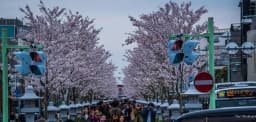
Tsurugaoka Hachimangu stands as the most important Shinto shrine in the city. It was founded by Minamoto no Yoritomo to serve as the spiritual guardian of the new capital. The long approach from the coast features massive gates and cherry blossom trees. You can see the official history of the shrine at the Official Kamakura City Tourism Association website.
A short walk from the main shrine leads to the tomb of Minamoto no Yoritomo. This modest stone pagoda sits in a quiet residential area away from the main tourist crowds. Many visitors skip this site, but it is essential for understanding the founder of the shogunate. Standing before the tomb allows for a moment of quiet reflection on the warrior legacy.
The Hojo clan also left a significant mark on the local landscape. They were the regents who held real power after the Minamoto line ended. You can find their family crest, three triangles, carved into many temple gates. These symbols remind travelers of the political shifts that shaped medieval Japan.
Zen Museums, Art, and Woodcarving Culture
Kamakura-bori is a unique style of woodcarving that began in the 13th century. Artisans carve intricate patterns into wood and apply multiple layers of red or black lacquer. This craft originally decorated Buddhist altars and tea ceremony tools. Today, you can visit local workshops to see masters at work or even try a short class.
Engaku-ji Temple houses some of the most precious Zen art in the country. The Shariden hall is a National Treasure that displays a tooth believed to belong to the Buddha. Visitors can view ancient scrolls and statues that reflect the minimalist beauty of Zen. These artifacts show how the warrior class valued art that focused on inner strength.
The city also hosts several small museums dedicated to traditional Japanese life. Exploring these galleries helps you connect the dots between military history and artistic expression. You can learn more about the specific Kamakura culture through specialized local tours. These experiences often include hands-on activities that bring history to life.
Zen Gardens, Bamboo Forests, and Outdoor Spots
Hokokuji Temple is famous for its stunning grove of over 2,000 bamboo stalks. Walking through the tall green stems provides an immediate sense of calm and isolation. The sunlight filters through the leaves to create a magical atmosphere for photography. It is one of the most popular spots for those seeking a Zen experience.
Inside the bamboo forest, you can find a small teahouse serving traditional matcha. It is important to follow basic tea etiquette while enjoying your drink. Hold the bowl with both hands and take small, appreciative sips. This practice encourages mindfulness and allows you to slow down during a busy day of sightseeing.
Outdoor enthusiasts can explore the Daibutsu Hiking Course to see the city from above. This trail connects several major temples through a forested ridge. You will encounter small stone statues and hidden shrines along the path. The walk takes about 90 minutes and offers a great escape from the main roads.
Family-Friendly and Budget-Friendly Ways to Explore
The Enoden train line is a highlight for families and train enthusiasts alike. This vintage railway runs through narrow streets and along the beautiful Shonan coast. Children enjoy the views of the ocean and the charming green train cars. It provides a fun way to travel between the Great Buddha and the Enoshima area.
Budget travelers can find many free or low-cost activities throughout the city. Yuigahama Beach is a great place to relax or have a picnic without spending money. Many of the smaller shrines do not charge admission fees for their outer grounds. You can find more Japan activity ideas that fit a modest budget on our main site.
For affordable accommodation, consider staying at a local hostel. The Iza Kamakura Hostel & Bar offers a social atmosphere near the beach. Staying overnight allows you to explore the temples early in the morning before the day-trippers arrive. This is a smart way to maximize your time and save on hotel costs.
How to Plan a Smooth Kamakura Day Trip
Choosing the right train line depends on your budget and starting point in Tokyo. Use this comparison to help decide which rail pass fits your needs for the day.
The JR line offers a faster direct route for those prioritizing speed. You can find detailed JR East Pass Info for travelers coming from Tokyo Station. Meanwhile, the Odakyu Railway Free Pass Info is better for those starting in Shinjuku. This pass includes unlimited rides on the Enoden line for the entire day.
We recommend using the Downhill Strategy to save your energy. Start your journey at Kita-Kamakura Station instead of the main Kamakura Station. Most of the major Zen temples are located here on a slight slope. Walking toward the city center from this point is much easier on your legs.
Crowd management is essential for a pleasant experience in 2026. The Enoden line can become extremely crowded on weekends and holidays. If the wait for the train is over 30 minutes, consider walking the tracks toward Hase. This walk takes about 20 minutes and offers a glimpse into local neighborhoods.
Final Thoughts: Who Will Appreciate This Tour?
Kamakura is a dream destination for history buffs who want to see where the samurai lived. The physical remains of the shogunate provide a tangible link to the past. You can almost feel the weight of history while walking through the narrow mountain passes. It offers a much grittier and more powerful atmosphere than the delicate shrines of Kyoto.
Spiritual seekers will find peace in the many Zen gardens and meditation halls. The focus on Rinzai Zen creates an environment that encourages deep thought and quiet. Even if you are not religious, the beauty of the architecture is deeply moving. It is a perfect place to escape the neon lights and noise of Tokyo.
Photography fans and nature lovers will also find plenty to admire here. The contrast between the dark temple wood and the bright green bamboo is stunning. Every season brings a new look to the city, from hydrangeas in June to red maples in November. Pack a good pair of walking shoes and prepare for a day of discovery.
Kamakura Day Trip Itinerary: A Step-by-Step 10-Hour Plan
This itinerary follows the downhill strategy to ensure you see the best sites without getting tired. It balances the major landmarks with hidden gems that offer a deeper cultural connection. Follow these steps for a seamless 10-hour adventure through the city.
Start your morning at the northern end of the city to beat the largest crowds. Most travelers arrive at the central station, so you will have more space at the early stops. This plan assumes a 9:00 AM arrival from Tokyo.
- 09:00 AM - Arrive at Kita-Kamakura Station
- Start: Kita-Kamakura Station
- First Stop: Engaku-ji Temple
- Focus: Zen architecture
- Tip: Buy temple stamps
- 11:00 AM - Explore Kencho-ji Temple
- Type: Rinzai Zen Temple
- Highlight: Dragon ceiling painting
- Activity: Climb for views
- Time: 60 minutes
- 01:00 PM - Lunch on Komachi-dori Street
- Location: Near Kamakura Station
- Food: Try whitebait (shirasu)
- Shopping: Woodcarving souvenirs
- Vibe: Busy and fun
- 03:00 PM - Visit the Great Buddha
- Site: Kotoku-in Temple
- Access: Enoden to Hase
- Cost: ~300 Yen entry
- Detail: Go inside statue
- 05:00 PM - Sunset at Yuigahama Beach
- Activity: Relax by ocean
- View: Sagami Bay
- Nearby: Beachside cafes
- End: Return to Tokyo
Must-See Kamakura Attractions (The Big Buddha & Beyond)
No visit to the city is complete without seeing the iconic Great Buddha of Kamakura. This massive bronze statue has stood in the open air since a tsunami destroyed its temple building in 1498. It is one of the most recognized symbols of Japanese Buddhism worldwide. Visitors can even pay a small fee to step inside the hollow interior of the statue.
Hasedera Temple is another essential stop located just a short walk from the Great Buddha. This temple is famous for its massive wooden statue of Kannon, the goddess of mercy. The grounds feature beautiful ponds filled with koi fish and a cave dedicated to a goddess of music. The upper terrace offers one of the best panoramic views of the coastline.
Kencho-ji remains the highest-ranking Zen temple in the city. It was the first temple in Japan dedicated exclusively to Zen practice. The main hall features a stunning painting of a dragon on the ceiling that looks down on visitors. Walking through the massive Sanmon gate gives you a sense of the scale of samurai-era religious life.
An In-Depth Look at the Kamakura Zen and Samurai Experience
The connection between the samurai and Zen Buddhism was born from necessity and mutual respect. Warriors found that Zen meditation helped them maintain focus and calm during the chaos of battle. The Rinzai sect, in particular, gained massive support from the shogunate. This partnership led to the construction of the Five Mountain Temples that still stand today.
Zen philosophy taught the samurai to accept death as a natural part of life. This mindset allowed them to fight with absolute commitment and without fear. Many of the rituals we associate with samurai culture, like the tea ceremony, have deep Zen roots. These practices were used to build discipline and mental clarity among the ruling class.
Understanding this history changes how you view the temples and gardens of the city. They were not just places of worship but also training grounds for the nation's elite warriors. Today, these sites serve as a bridge to a time when spiritual practice and military power were one. You can find excellent accommodations nearby at Booking.com Kamakura Stays to immerse yourself in this atmosphere.
Frequently Asked Questions
Can you see Mount Fuji from Kamakura?
Yes, you can see Mount Fuji from several spots in Kamakura on clear days. The best views are usually from Yuigahama Beach or the Inamuragasaki cape during winter. Check the weather forecast before you go to ensure high visibility. Learn more about regional sights on the Kamakura culture page.
How long does it take to travel from Tokyo to Kamakura?
The journey takes about 55 to 90 minutes depending on your choice of train. JR Yokosuka Line is the fastest direct option from Tokyo Station. The Odakyu Line from Shinjuku takes longer but is often cheaper with a pass. Both options are very convenient for a day trip.
Is one day enough to see all the major sites?
One day is enough to see the top highlights like the Great Buddha and main shrines. However, you will need to start early and follow a strict schedule. If you want to hike the trails and visit smaller temples, consider staying overnight. This allows for a more relaxed pace.
Kamakura offers a unique window into the world of the medieval Japanese warrior. By visiting these sites, you gain a deeper respect for the link between Zen and the samurai. Whether you are exploring bamboo forests or ancient tombs, the city leaves a lasting impression. Plan your visit today to experience this incredible piece of living history.