
12 Best Things to Do in Fukuoka Japan: 2026 Travel Guide
Discover the 12 best things to do in Fukuoka, Japan in 2026. From yatai street food stalls to Dazaifu Shrine day trips, plan your perfect Kyushu itinerary with prices, hours, and local tips.
On this page
12 Best Things to Do in Fukuoka Japan
TL;DR: Fukuoka is Kyushu's most accessible city — just two subway stops from the airport to downtown. The best things to do in Fukuoka range from slurping tonkotsu ramen at riverside yatai stalls to day-tripping to the ancient Dazaifu Tenmangu Shrine. Budget roughly 5,000-8,000 yen per day for attractions and transport.
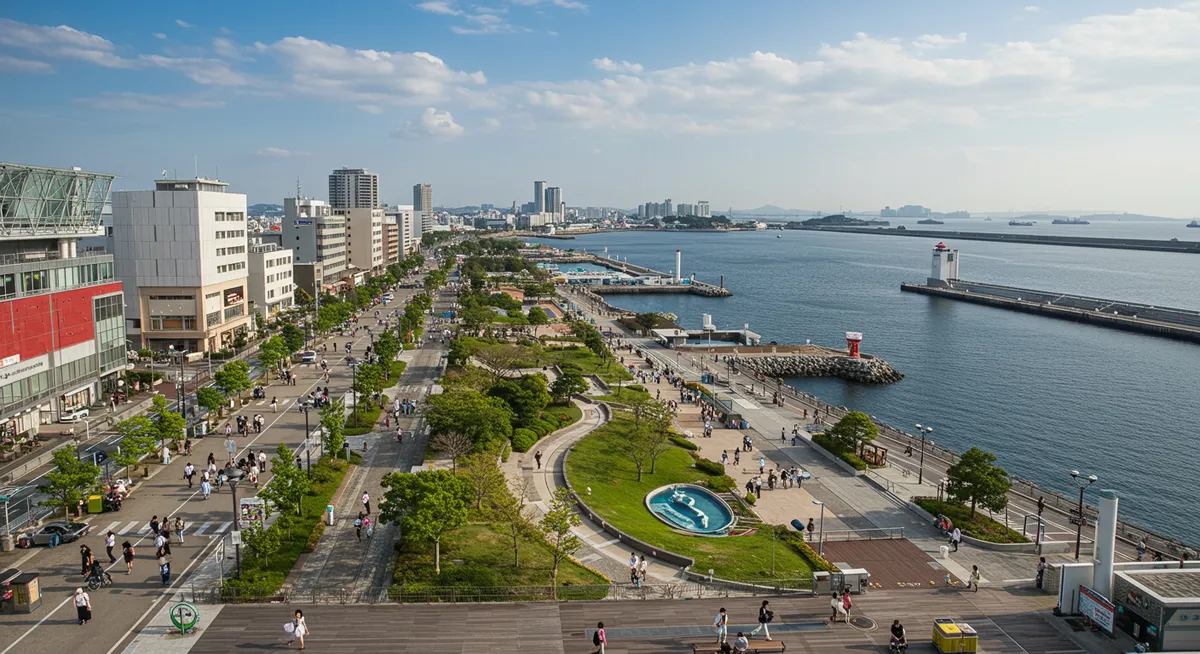
Fukuoka serves as the vibrant gateway to Kyushu and offers a perfect blend of modern city life and ancient traditions. Travelers often praise this coastal city for its incredible food scene and welcoming atmosphere. You will find everything from neon-lit shopping malls to quiet zen gardens within a short train ride. For a full roundup of activities across the city, see our Fukuoka activities guide.
Deciding what to see first can feel overwhelming because the city is packed with unique attractions. This guide highlights the top experiences to ensure your trip remains memorable and smooth. For a broader overview of all the city's must-see spots, browse our complete list of Fukuoka attractions. Whether you enjoy history or street food, these locations represent the soul of the region.
Planning your visit is easy thanks to the efficient public transport and compact city layout. Most major sites sit within reach of the central subway lines. Use this list to build your ideal itinerary and discover why so many people fall in love with this corner of Japan. You can also browse our curated Fukuoka highlights for a quick overview of the city's standout experiences.
Fukuoka Budget Quick Reference (2026)
| Item | Cost (JPY) | Notes |
|---|---|---|
| Fukuoka Tourist City Pass | 1,500-2,650 | 1-day unlimited subway + bus |
| Fukuoka Tower admission | 800 | Adults; 500 for children |
| Yatai ramen bowl | 700-1,000 | Cash only at most stalls |
| Nokonoshima ferry (round trip) | 460 | From Meinohama terminal |
| Dazaifu train (Nishitetsu, round trip) | 820 | From Tenjin Station |
| Yusentei Park + matcha set | 350 | Garden entry + tea experience |
| Ohori Park / Kushida Shrine | Free | Open year-round |
How to Get to Fukuoka Japan
Arriving in Fukuoka is convenient because Fukuoka Airport (FUK) sits just 3.5 km from the city center — closer than almost any other major airport in Japan. You can reach the main Hakata Station in only two subway stops (about 5 minutes) from the domestic terminal, or 15 minutes from the international terminal via a free shuttle bus plus subway. This proximity makes it one of the most accessible cities in all of Japan.
Travelers coming from Tokyo or Osaka usually prefer the Shinkansen bullet train for a scenic journey. The Nozomi from Tokyo takes approximately 5 hours and costs around 22,000 yen one way, while the Sakura from Osaka arrives in about 2.5 hours for roughly 15,000 yen. Hakata Station serves as the primary hub for all long-distance rail travel in Kyushu. Check the Fukuoka travel budget and daily costs 2026 to plan your transport expenses effectively.
Navigating the city is simple when you use the local subway or bus network. Most visitors find that a rechargeable IC card (Nimoca or Hayakaken, available at any station for 2,000 yen including 1,500 yen credit) works best for quick transfers between lines. You might also consider the Fukuoka Tourist City Pass Official Info for unlimited daily travel. For a detailed transport comparison, read our guide on subway day pass vs. Nimoca IC card.
- Fukuoka Tourist City Pass Options
- Type: 1-Day Unlimited Pass
- Best for: Active sightseers visiting 3+ attractions
- Where: Airport tourist info desk and Hakata Station
- Cost: 1,500 yen (city area) / 2,650 yen (city + Dazaifu area)
Shop and Dine at Canal City Hakata
🎯 Insider Tip: Discover the best Fukuoka experiences with Viator Tours!
Canal City Hakata is often called a city within a city due to its massive scale — the complex spans 2.5 hectares and houses over 250 shops. This colorful entertainment hub features a man-made canal running right through the center of the buildings. You can watch impressive fountain shows that dance to music every 30 minutes from 10:00 to 22:00, and the Aqua Panorama projection mapping show runs nightly.
Shopping enthusiasts will enjoy the wide variety of international brands and local Japanese boutiques spread across five floors. The center also houses a 13-screen cinema, a theater, and several game centers for entertainment. It is a great place to spend a rainy afternoon while exploring a Fukuoka itinerary.
Food lovers should head straight to the fifth floor to find the famous Ramen Stadium. This area hosts eight famous ramen shops from across Japan in one convenient location, each serving a different regional style. You can sample bowls ranging from 750 to 1,100 yen without ever leaving the building. For more details, visit the Canal City Fukuoka Official site.
- Address: 1-2 Sumiyoshi, Hakata-ku, Fukuoka 812-0018
- Hours: Shops 10:00-21:00; Restaurants 11:00-23:00
- Access: 10-minute walk from Hakata Station or 5 minutes from Nakasu-Kawabata Station
- Admission: Free entry
Take in the Views from Fukuoka Tower
Standing at 234 meters, Fukuoka Tower is the tallest seaside tower in Japan. The building features 8,000 half-mirror panels that reflect the surrounding sky and ocean, creating a shimmering effect that changes with the weather. The 123-meter-high observation deck offers a 360-degree view of the city skyline and the beautiful Hakata Bay.
The observation deck provides a perfect vantage point for sunset photos and night views. You can see the urban sprawl of Tenjin on one side and the open Genkai Sea on the other. It is a popular spot for couples due to the romantic lighting and the "Lover's Sanctuary" area on the observation floor. The tower also features seasonal illumination displays on its exterior — check the schedule before your visit.
Located in the Seaside Momochi area, the tower is surrounded by modern attractions and the artificial Momochi Beach. You can easily walk to the Fukuoka City Museum (200 yen admission) or enjoy a meal at a waterfront restaurant. Check the Fukuoka Tower Official page for current ticket prices and event schedules.
- Address: 2-3-26 Momochihama, Sawara-ku, Fukuoka 814-0001
- Hours: 9:30-22:00 (last entry 21:30)
- Admission: 800 yen adults / 500 yen children (6-15) / Free under 6
- Access: Bus from Hakata Station (25 min) or taxi (15 min)
Explore Ohori Park and Fukuoka Castle Ruins
Ohori Park is a massive lakeside park that once served as part of Fukuoka Castle's outer moat system. A scenic walking and jogging path circles the large central lake, measuring exactly two kilometers in length. Many locals come here to jog, walk their dogs, or rent swan-shaped pedal boats (1,000 yen for 30 minutes). The park also houses a Japanese garden (250 yen admission) and the Fukuoka Art Museum.
Adjacent to the park, you will find the historic Fukuoka Castle Ruins (Maizuru Park) — once one of the largest castles in Kyushu. While most of the main buildings are gone, the massive stone walls, turrets, and gates remain impressive. The recently restored Tamon Turret and Shiomi Tower offer elevated viewpoints over the city. These ruins provide a glimpse into the city's feudal past and military architecture. Learn more about the site at the Fukuoka Castle History website or read our detailed guide on how to visit Fukuoka Castle Ruins.
Visit during late March to early April to see over 1,000 cherry trees blooming across the castle grounds during the Fukuoka Castle Sakura Festival (free admission, illuminated at night). The elevated viewpoints provide some of the best free city views available. It is a fantastic spot for a picnic or a slow afternoon walk under the trees.
- Address: 1 Ohorikoen, Chuo-ku, Fukuoka 810-0051
- Hours: Open 24 hours (castle ruins close at dusk)
- Admission: Free (Japanese garden 250 yen)
- Access: Ohori-koen Station (Kuko Line), 5-minute walk
Discover History at Kushida Shrine and Hakata Old Town
Kushida Shrine, founded in 757 AD, stands as the most important Shinto site for the residents of Hakata. It serves as the starting point for the famous Hakata Gion Yamakasa summer festival held every July 1-15, culminating in a spectacular dawn race on July 15. You can see one of the massive 10-meter-tall decorative floats (kazariyama) on display inside the shrine compound throughout the entire year. For full festival details, read our Hakata Gion Yamakasa festival guide.
The surrounding Hakata Old Town area is perfect for a self-guided walking tour covering roughly 2 km. You will encounter traditional Hakata-ori textile shops, small Buddhist temples like Jotenji and Shofukuji (Japan's first Zen temple, founded 1195), and artisan workshops tucked away in quiet side streets. This neighborhood preserves the merchant history that shaped the city's early development as a major trading port.
Walking through these streets feels like stepping back in time compared to the nearby neon districts of Tenjin and Nakasu. Many visitors enjoy the contrast between the ancient shrines and modern shopping malls. Kawabata Shopping Arcade, a 400-meter covered street with over 100 shops, connects the shrine area to Canal City and is worth a detour for local snacks and souvenirs.
- Address: 1-41 Kamikawabata-machi, Hakata-ku, Fukuoka 812-0026
- Hours: Shrine grounds open 4:00-22:00; free admission
- Access: 5-minute walk from Nakasu-Kawabata Station (Exit 2)
Bike Through Uminonakamichi Seaside Park
🎯 Insider Tip: Discover the best Fukuoka experiences with Viator Tours!
This sprawling 300-hectare national park covers a narrow peninsula and offers endless outdoor activities for all ages. Renting a bicycle (400 yen for 3 hours / 700 yen for the full day) is the best way to explore the 12 km of cycling paths connecting various gardens, playgrounds, and picnic areas. The flat terrain makes it easy for children and casual riders to enjoy the sea breeze.
Seasonal flower displays transform the landscape throughout the year: nemophila and tulips in spring (March-May), sunflowers in summer (July-August), cosmos fields in autumn (October-November), and narcissus in winter. You can also visit the small animal park within the grounds or the separate Marine World aquarium (2,500 yen adults) located nearby. It is a perfect destination for a full day of family-oriented fun.
The park stays open year-round, but spring and autumn offer the most comfortable temperatures for cycling. You can reach the entrance by JR train from Hakata Station to Uminonakamichi Station (approximately 35 minutes, 470 yen). It provides a refreshing escape from the dense urban environment of the city center. For more outdoor ideas, explore our guide to outdoor activities and nature spots in Fukuoka.
- Address: 18-25 Saitozaki, Higashi-ku, Fukuoka 811-0321
- Hours: 9:30-17:30 (Mar-Oct); 9:30-17:00 (Nov-Feb)
- Admission: 450 yen adults / 210 yen seniors / Free for children under 15
- Access: JR Kagoshima Line to Uminonakamichi Station (35 min from Hakata)
Take a Day Trip to Dazaifu Tenmangu Shrine
Dazaifu Tenmangu is one of the most famous shrines in Japan and attracts over 8 million visitors annually. It honors Sugawara Michizane (845-903 AD), a scholar and politician who is now worshipped as Tenjin, the god of learning. Students from across Japan flock here to pray for success in their upcoming school entrance exams, especially during January and February.
The 200-meter approach to the shrine is lined with charming shops selling local snacks, traditional souvenirs, and Hakata dolls. You must try the Umegae-mochi (130 yen each), a grilled rice cake filled with sweet red bean paste — Kasanoya near the entrance has been making them since 1922. Architecture fans should also visit the Starbucks Dazaifu, designed by Kengo Kuma with a stunning interlocking wooden lattice structure. For a complete plan, read the best day trips from Fukuoka itinerary: Dazaifu and Yanagawa.
Beautiful plum trees (over 6,000 across the grounds) decorate the shrine and bloom brilliantly from late January through March. The architecture is stunning, featuring a bright vermilion arched bridge (Taiko-bashi) that crosses a peaceful koi pond — the three bridges symbolize past, present, and future. You can easily reach this historic site by taking the Nishitetsu train from Tenjin Station (25 minutes, 410 yen one way). Visit the Dazaifu Tenmangu Official Site for more details.
- Address: 4-7-1 Saifu, Dazaifu, Fukuoka 818-0117
- Hours: 6:00-19:00 (spring/summer); 6:30-18:00 (autumn/winter)
- Admission: Free (treasure house 500 yen)
- Access: Nishitetsu Dazaifu Station, 5-minute walk
Eat Tonkotsu Ramen at Nakasu Yatai Stalls
Fukuoka is famous for its yatai, which are small open-air food stalls that appear at sunset and operate until around 2:00 AM. As of 2026, the city has approximately 100 licensed yatai — the largest concentration in Japan. These stalls offer an intimate dining experience where you sit elbow-to-elbow with the chef and other customers on stools under a canvas roof. The Nakasu island area features the most iconic row of stalls along the Naka River, while Tenjin and Nagahama areas also have popular clusters.
Tonkotsu ramen is the star of the menu, featuring a rich and creamy pork bone broth simmered for 12-20 hours with thin straight noodles. A bowl typically costs 700-1,000 yen. You can also find grilled skewers (yakitori, 150-300 yen each), oden, gyoza, and various local seafood dishes at these mobile kitchens. For a smooth experience, check the Fukuoka yatai etiquette: a guide to street food stalls.
Dining at a yatai is about more than just the food — it is about the social atmosphere and the unscripted conversations with strangers. Many locals and tourists strike up conversations while enjoying a drink in the cool evening air. It remains one of the most authentic ways to experience the local nightlife culture. For a full district-by-district breakdown, read our Fukuoka nightlife guide.
Yatai Etiquette Checklist:
- Order at least one drink per person (beer or soft drink, 400-600 yen)
- Keep visits to about 30-60 minutes during peak hours
- Bring cash — most stalls do not accept cards or digital payments
- Order ramen last as it fills you up quickly
- Move seats to make room if the stall is crowded
Marvel at the Great Buddha at Tochoji Temple
🎯 Insider Tip: Discover the best Fukuoka experiences with Viator Tours!
Tochoji Temple, founded in 806 AD by the monk Kukai (Kobo Daishi), is home to the Fukuoka Daibutsu — the largest wooden seated Buddha statue in Japan. The statue stands 10.8 meters tall and weighs approximately 30 tons, carved from Japanese cypress over several years of expert craftsmanship. It is located just a 3-minute walk from Gion Station in the heart of the Hakata district.
Behind the statue, you can enter a pitch-dark basement tunnel called the "Hell and Paradise Passage" that represents the Buddhist journey through the six realms. This short walk lasts about 2 minutes and ends with you grasping a metal ring in total darkness — said to guarantee entry to paradise. The temple grounds also feature a striking five-story red pagoda (the only one in Kyushu) and a hexagonal hall housing a revolving sutra library.
This temple offers a quiet space for reflection amidst the busy streets of Hakata, and visits rarely take more than 30 minutes. It is often less crowded than other major shrines, allowing for a more peaceful experience. If you enjoy spiritual sites, you might also want to learn how to visit Nanzoin Temple with its massive reclining bronze Buddha nearby.
- Address: 2-4 Gokushomachi, Hakata-ku, Fukuoka 812-0037
- Hours: 9:00-17:00 daily
- Admission: Free
- Access: 3-minute walk from Gion Station (Exit 1)
Ferry to Nokonoshima Island Park
Nokonoshima Island is a short 10-minute ferry ride from the Meinohama Ferry Terminal (ferries depart hourly, round-trip 460 yen adults / 230 yen children). This small island feels like a different world compared to the bustling city just 3 km across the water. The main attraction is the Nokonoshima Island Park, which covers 15 hectares of hillside flower fields with panoramic sea views.
Depending on the season, you might see rapeseed blossoms (March-April), marigolds and sunflowers (July-August), or over 500,000 cosmos flowers covering the hillsides in autumn (October-November). The park offers stunning views of the blue Genkai Sea and the Fukuoka city skyline from its elevated flower terraces. Families can also enjoy pottery classes, BBQ areas, and a small animal petting zone.
The island also has a charming retro-style "Omoide-dori" (Memory Lane) area with old-fashioned shops, an ice cream parlor, and restaurants serving local specialties like Noko Udon while you look out over the water. The island is small enough to explore on foot in half a day, making it a popular day trip for those who want to see the natural beauty of Kyushu without traveling far.
- Address: Nokonoshima, Nishi-ku, Fukuoka 819-0012
- Park hours: 9:00-17:30 (Mon-Sat); 9:00-18:30 (Sun/Holidays, Mar-Nov)
- Park admission: 1,200 yen adults / 600 yen children / 900 yen seniors
- Access: Bus from Meinohama Station to ferry terminal (15 min), then 10-min ferry
Find Zen at Yusentei Park
Yusentei Park was originally built in 1754 as a summer villa and retreat for the Kuroda clan lords during the Edo period. This traditional Japanese strolling garden centers around a large pond filled with colorful koi fish and surrounded by carefully pruned pine trees and moss-covered stone lanterns. The meticulous landscaping creates a sense of harmony and wabi-sabi beauty that is hard to find elsewhere in the city.
The main pavilion (tea house) overlooks the water and provides a perfect spot to rest your feet after a busy day. You can order a bowl of ceremonial matcha green tea and a traditional wagashi sweet (350 yen for the set) to enjoy while viewing the garden through open shoji screens. This experience allows you to slow down and appreciate the subtle beauty of Japanese design — plan about 30-45 minutes for the full visit.
Because it is located in the quiet Jonan-ku district, roughly 20 minutes by bus from Hakata Station, it remains a hidden gem that most foreign visitors miss. You will find fewer crowds here than at Ohori Park or the major shrines. It is an ideal spot for photography, especially during autumn foliage season (late November to early December) when the maples surrounding the pond turn vivid red and orange.
- Address: 1-46 Yusentei, Jonan-ku, Fukuoka 814-0123
- Hours: 9:00-17:00 (closed Mondays)
- Admission: 200 yen adults / Free for children under 15
- Access: Nishitetsu bus from Hakata Station to Yusentei-mae stop (20 min)
Where to Stay in Fukuoka
Choosing the right neighborhood depends on your travel goals and personal preferences. Hakata is the best choice for those who value transport convenience and easy access to the Shinkansen. The area around Hakata Station offers hotels ranging from budget business hotels (4,000-7,000 yen/night) to luxury stays like the Grand Hyatt at Canal City (25,000+ yen/night). Many travelers also find excellent value at capsule hotels near the station (2,500-4,000 yen/night).
Tenjin is the heart of the city's nightlife, shopping, and dining scene. Check out the complete Fukuoka nightlife guide to plan your evenings, or explore budget nightlife options for cheap drinks and late-night ramen. This area stays lively late into the night and is perfect for travelers who want to be near the action. You will find plenty of department stores and trendy cafes within walking distance of each other.
Solo travelers often find Fukuoka very safe and easy to navigate on their own. Most hotels offer single rooms that are clean, efficient, and reasonably priced. To plan your visit during the best weather, see the best time to visit Fukuoka: seasonal guide and festivals. For a full cost breakdown including accommodation, food, and transport, our Fukuoka travel budget guide covers everything.
Frequently Asked Questions
🎯 Insider Tip: Discover the best Fukuoka experiences with Viator Tours!
Is Fukuoka worth visiting for first-time Japan travelers?
Fukuoka is absolutely worth visiting for its incredible food, rich history, and manageable size. It offers a more relaxed pace than Tokyo while still providing modern comforts and unique cultural sites like Dazaifu Tenmangu and the Hakata yatai stalls. Many travelers find it the perfect starting point for exploring the rest of Kyushu island, with easy rail connections to Nagasaki, Kumamoto, and Beppu.
How many days do you need in Fukuoka?
You generally need 2 to 3 days to see the main city highlights and enjoy the local food scene. If you plan to take day trips to places like Dazaifu, Yanagawa, or Itoshima, consider staying for 4 or 5 days. This allows for a more relaxed Fukuoka itinerary without rushing between attractions.
What is the best month to visit Fukuoka?
The best months to visit are late March through April for cherry blossoms, or October and November for autumn colors and comfortable walking temperatures (15-22 C). May is also pleasant before the rainy season begins in June. Avoid mid-July through August unless you want to catch the Yamakasa festival, as summer temperatures exceed 33 C with high humidity.
What is the difference between Hakata and Fukuoka?
Fukuoka and Hakata were originally two separate cities that merged in 1889. Hakata was the merchant and trading port on the east side, while Fukuoka was the samurai castle town on the west. Today, Hakata refers to the eastern district and the main train station (Hakata Station), while Fukuoka is the official name of the entire city. Locals still use both names to distinguish between different neighborhoods.
How much does a trip to Fukuoka cost per day?
A budget traveler can explore Fukuoka for roughly 5,000-8,000 yen per day (excluding accommodation), covering transport, food, and one or two paid attractions. Mid-range travelers should budget 10,000-15,000 yen daily. Many of the best things to do in Fukuoka — including Kushida Shrine, Ohori Park, Hakata Old Town, and the castle ruins — are completely free. For a full breakdown, see our Fukuoka travel budget and daily costs 2026 guide.
Is Fukuoka safe to walk around at night?
Fukuoka is considered one of the safest major cities in Japan and is very safe for walking at night. The main districts of Hakata, Tenjin, and Nakasu are well-lit and busy with locals even after midnight. The yatai food stalls operate until 2:00 AM and keep the riverfront areas lively. Standard travel precautions apply, but violent crime is extremely rare.
Key Takeaways
- Fukuoka Airport is 5 minutes from downtown by subway — the most accessible major city in Japan to arrive at.
- Budget 5,000–8,000 yen per day: Ohori Park, Kushida Shrine, Fukuoka Castle Ruins, and Hakata Old Town are all free.
- Yatai stalls along the Naka River in Nakasu are Fukuoka's most iconic experience — open from 6 PM to 2 AM nightly.
- Dazaifu Tenmangu Shrine (30 min by Nishitetsu, 410 yen) is the essential day trip for first-timers.
- Cherry blossom season (late March–early April) and autumn (October–November) are the best times to visit.
- The Hakata Gion Yamakasa festival (July 1–15) is free to watch and one of Japan's most spectacular summer events.
Fukuoka offers a unique blend of urban excitement and traditional charm that caters to every type of traveler in 2026. From the heights of Fukuoka Tower to the quiet paths of Yusentei Park, the city never fails to impress. You can spend your days exploring ancient shrines and your nights dining at riverside food stalls — all within a compact area that rarely requires more than 20 minutes of travel between attractions.
The 12 best things to do in Fukuoka Japan listed here provide a well-rounded look at what makes this city special. Whether you are a foodie chasing the perfect bowl of tonkotsu ramen, a history buff exploring 1,200-year-old temples, or an outdoor enthusiast cycling through seaside flower parks, there is something for you to enjoy. Start planning your trip today to experience the warm hospitality of Kyushu.
Remember to check local schedules for festivals and seasonal events to make the most of your visit. For more Fukuoka inspiration, explore our guides to things to do in Fukuoka, free things to do in Fukuoka, and cultural activities in Fukuoka. This city is constantly evolving while staying true to its deep cultural roots. We hope this guide helps you create lasting memories in one of Japan's most welcoming destinations.
 Fukuoka Travel Guide 2026: Things to Do, Eat & PlanMarch 31, 2026